
Flowers
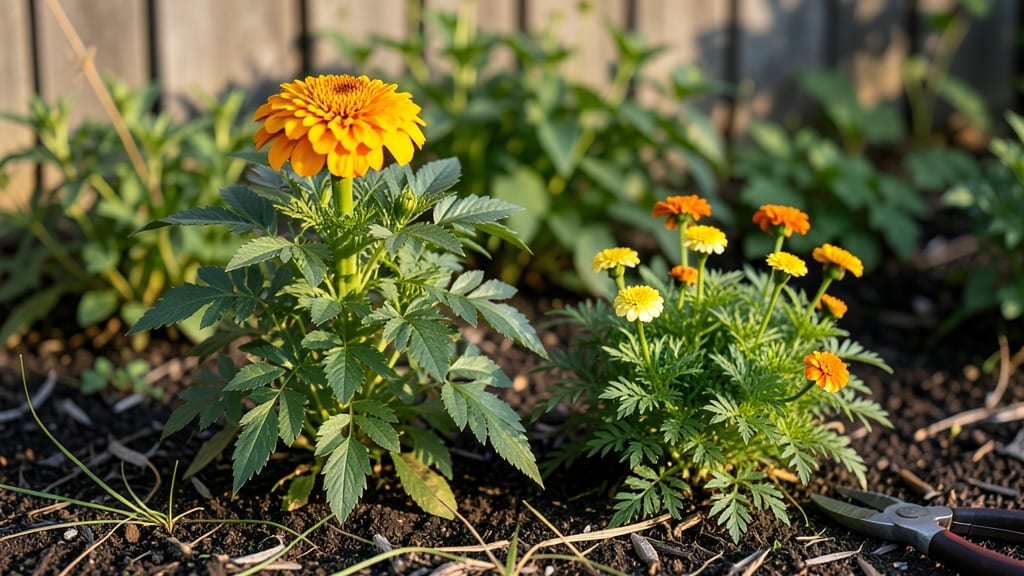
The vibrant marigold flower colour instantly transforms any garden bed into a sunny, cheerful retreat—especially when their golden-yellow blooms stand out against deep purple salvias or soft lavender. 🌻 The secret lies in their heat-loving nature; the warmer the summer, the brighter they glow, creating a natural contrast against cooler-toned perennials.
These vibrant blooms aren’t just pretty—they’re pollinator magnets, drawing bees and butterflies while repelling pests. My go-to varieties are ‘Bonanza Gold’ for its long-lasting petals and ‘Tangerine Dream’ for its fiery orange edge, both of which hold their color through rain and heat.
The key to their striking appearance? Planting them in sunny spots with well-draining soil—they’ll reward you with weeks of bold color instead of fading quickly.
For a themed garden, try pairing marigolds with dusty miller for a high-contrast combo or with zinnias for a cottage-core look. In containers, their bright tones pop against dark foliage like heuchera or silver sage.
The best part? They thrive in small spaces, making them perfect for window boxes or balcony gardens where you want instant impact.
If you’re planning a seasonal color scheme, marigolds shine brightest in late summer through fall, just when other flowers start to wilt. Their golden-yellow tones complement everything from white alyssum to burgundy celosia, creating a warm, inviting look that lasts.
Start with just a few pots or a single border—you’ll see why gardeners swear by them for their effortless beauty.
📚 In This Guide
- What you need
- Instructions
- Tips and common mistakes
- Wrapping up and next steps
What you need
- ● Marigold seeds: Choose Tagetes varieties (e.g., French marigolds for bold color, African marigolds for height). Quantity: 10–20 seeds per plant (or pre-started seedlings from a nursery).
- ● Well-draining potting mix: 10–15 lbs (or enough to fill containers). Look for a blend with 50% compost for nutrient-rich soil.
- ● Containers or garden beds: For containers: 5–7 inch pots (1–2 plants per pot) or hanging baskets (for trailing varieties).
- ● For in-ground planting: Full sun (6+ hours/day) and spaced 12–18 inches apart.
- ● Organic fertilizer: Balanced 10-10-10 or fish emulsion (apply at planting and every 4–6 weeks).
- ● Watering can or hose with a gentle spray nozzle: Marigolds hate soggy roots!
- ● Decorative mulch: Straw or pine needles (2–3 inches thick) to retain moisture and highlight the golden-yellow marigold color.
- ● Pollinator-friendly companions: Plant bee balm, lavender, or cosmos nearby to attract butterflies and bees.
- ● DIY flower arrangements: Floral foam or chicken wire for bouquets.
- ● Scissors or pruners (clean, sharp tools prevent disease).
- ● Dried flower preservation kit: If you want to save marigolds for winter decor (includes silica gel or hanging bundles).
- ● Best planting time: After the last frost (spring) or 6–8 weeks before the first fall frost (for fall blooms).
- ● Temperature range: 70–85°F (ideal for germination and growth). Marigolds thrive in heat but may bolt in extreme cold.
- ● Sunlight: Full sun (6+ hours/day) is a must—partial shade dulls their vibrant marigold color.
- ● Prerequisite knowledge: Basic gardening skills (watering, weeding) or a willingness to learn!
Step-by-Step guide to creating vibrant golden-yellow marigold accents
Here's how to craft a pollinator-friendly garden where bold marigold hues steal the show.
🌱 Step 1: Select the Right Marigold Varieties for Golden-Yellow Impact
French marigolds like 'Bonanza Gold' or 'Janie' deliver the most intense golden-yellow tones, while African marigolds such as 'Gold Coin' offer a slightly deeper, buttery hue. I always choose single-petal varieties—they attract more pollinators than double-flowered types. Check seed packets for days-to-maturity labels; most golden-yellow types bloom in 50-60 days from transplant.
Real talk: Avoid "orange" marigolds if you want pure golden-yellow. The color shifts dramatically as flowers age—young blooms appear almost white before deepening to their signature hue. Plant in clusters of 5-7 plants for maximum visual impact; single plants get lost in the garden bed.
☀️ Step 2: Position for Maximum Golden-Yellow Brilliance
Marigolds need full sun (6-8 hours daily) to maintain their golden-yellow intensity. I place mine where morning sun hits first—the cooler afternoon light prevents color fading. In hot climates, provide afternoon shade to prevent bleaching; you'll notice flowers revert to pale yellow when overheated.
Here's the thing—golden-yellow marigolds perform best when paired with deep purples like salvia or black-eyed susans. The color contrast makes them pop. Space plants 12-18 inches apart; crowding causes flowers to compete for light and lose their vibrant hue.
💧 Step 3: Maintain Soil Conditions for Consistent Color
Amend soil with compost before planting to ensure proper nutrient balance—marigolds need consistent phosphorus for golden-yellow blooms. I mix in a handful of bone meal at planting time. Over-fertilizing with nitrogen turns flowers pale greenish-yellow; you'll see this when stems grow lush but blooms lack intensity.
Water at the base in the morning to prevent fungal spots that dull flower color. Let soil dry slightly between waterings—golden-yellow marigolds hate soggy roots. You'll know you've got the right moisture when leaves feel crisp but stems stay sturdy.
✂️ Step 4: Prune for Continuous Golden-Yellow Blooms
Deadhead spent flowers immediately to encourage new blooms. I pinch off faded blooms with my fingers—no need for shears. This keeps plants producing golden-yellow flowers instead of going to seed. Regular pruning also prevents leggy growth that weakens color intensity.
Trim back overgrown foliage in late summer to stimulate a second flush of blooms. You'll see new golden-yellow flowers emerge within 10-14 days of pruning. Just avoid cutting into woody stems; marigolds don't regenerate from old wood.
Tips & tricks for perfect golden-yellow marigold accents
Here's what nobody tells you about keeping those vibrant golden-yellow blooms looking show-stopping all season.
Variety Selection: The 50-60 day bloom time mentioned in Step 1 is your golden window for color intensity. Start seeds indoors 4-6 weeks before your last frost date to ensure you hit that perfect bloom timing. I've found that 'Bonanza Gold' maintains its color longest when planted in cooler spring conditions—avoid summer planting in hot climates where colors fade quickly.
Color Preservation: That 6-8 hours of full sun in Step 2 isn't just about growth—it's about color preservation. Morning sun is crucial because afternoon heat can cause color bleaching. If you notice flowers losing their intensity, try moving plants to a slightly shaded spot during peak afternoon hours (2-4pm). The difference in color retention is dramatic.
Soil Science: The phosphorus boost from bone meal in Step 3 is your secret weapon for maintaining that golden hue. Too much nitrogen (from lawn fertilizer, for example) will turn your flowers pale and greenish. I test my soil annually—marigolds thrive in soil with a phosphorus level of 40-60 ppm. If your soil tests lower, add a slow-release phosphorus fertilizer mid-season to keep blooms vibrant.
Pruning Precision: When you're deadheading in Step 4, look for the first sign of color fading—this is your cue to act. I've learned that waiting until flowers are completely browned means you've missed the optimal time for new blooms. The 10-14 day window for new growth after pruning is your target for continuous color. Use sharp pruners for clean cuts just above a leaf node to encourage bushier growth and more flowers.
Pro Tips for Marigold Flower Colour
- Here's what nobody tells you about keeping those vibrant golden-yellow blooms looking show-stopping all season.
- Variety Selection: The 50-60 day bloom time mentioned in Step 1 is your golden window for color intensity.
- Color Preservation: That 6-8 hours of full sun in Step 2 isn't just about growth—it's about color preservation.
Frequently asked questions
Got questions about marigold flower colors? You’re not alone! Here are some of the most common queries gardeners have—plus quick, practical answers to help you grow the boldest blooms in your pollinator garden.
Why do some marigolds lose their bright color over time?
Marigolds may fade due to sun exposure (too much can bleach petals), water stress (over/under-watering), or nutrient deficiencies (like lack of phosphorus). For golden-yellow hues, ensure they get 6+ hours of sunlight and use a balanced fertilizer (10-10-10) every 4-6 weeks. Pro tip: Deadhead spent blooms to encourage vibrant regrowth!
Can I change a marigold’s color by pruning or fertilizing?
No—marigold colors are genetically set (e.g., French marigolds stay golden-orange, African marigolds lean deeper red or yellow). However, you can enhance their vibrancy with:
- Phosphorus-rich fertilizer (boosts red/yellow intensity).
- Regular pruning (removes leggy growth, promoting denser blooms).
- Mulching (retains moisture for richer pigmentation).
How long does it take for marigold flowers to reach full color?
From seed to full-color blooms, marigolds typically take 60–90 days (faster with transplants: 45–60 days). For instant color:
Not necessarily! While bright yellow/orange marigolds are classic pollinator magnets (bees, butterflies, hoverflies), deeper reds or bicolors can also draw attention—especially to solitary bees and hummingbirds. For maximum traffic, plant in clusters (3+ plants) and pair with blue/purple flowers (e.g., lavender) for contrast. Pro tip: Avoid pesticides—marigolds rely on scent and nectar! If marigolds feel high-maintenance (they’re not!), try these low-fuss, golden-yellow bloomers:
Note: Colors darken as flowers mature—wait until buds turn fully golden before harvesting for arrangements!
Do darker marigold colors attract more pollinators?
What’s the best alternative if I want a marigold-like color but need low-maintenance plants?
Plant
Color
Pollinator Appeal
Care Level
Black-Eyed Susan (Rudbeckia)
Golden-yellow with dark centers
(Bees, butterflies)
Easy (drought-tolerant)
Coreopsis (Tickseed)
Buttery yellow/orange
(Bees, beneficial wasps)
Very easy (self-seeds)
Zinnia (‘Benary’s Giant’)
Deep yellow (or mix)
(Cut flowers + pollinators)
Moderate (needs deadheading)
Wrapping up and next steps
The marigold’s golden-yellow hue isn’t just visually stunning—it’s a powerhouse for pollinators, pest control, and garden vibrancy. Whether you’re drawn to its bold orange, deep saffron, or creamy tones, these flowers bring life to any space while keeping your garden thriving. 🌼
Now that you’re inspired, take the next step! Start small—plant a few marigolds in your garden or balcony—and watch as they transform your outdoor oasis. Happy gardening! 🌱