
Flowers
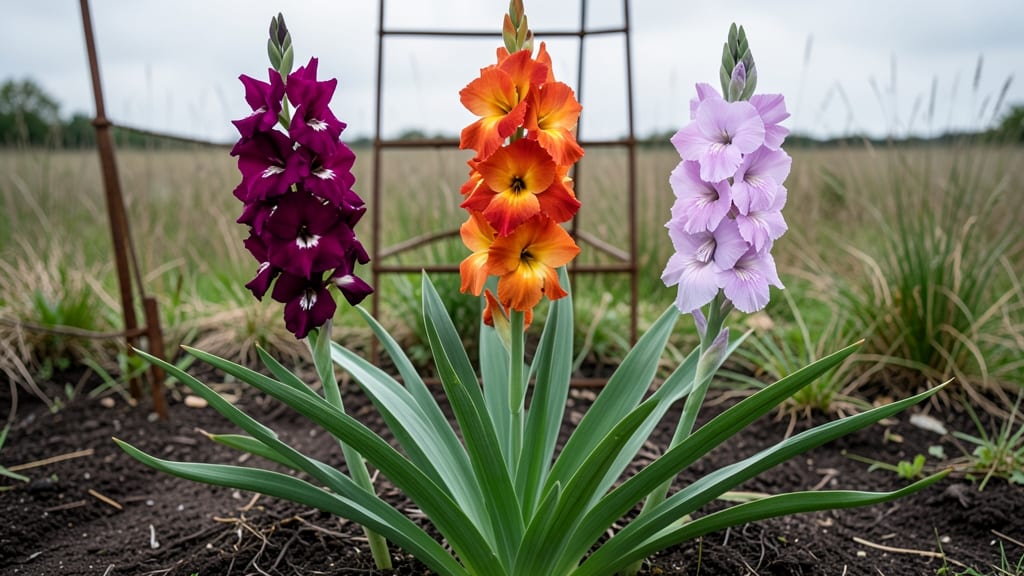
The boldest stems in your garden start with gladiolus flower colors—where fiery reds, dreamy purples, and creamy whites transform any space into a showstopper. 🌸 I’ve designed flower beds where these towering blooms steal the show, whether paired with lavender for drama or softening borders with blush pinks.
The secret isn’t just planting them; it’s arranging them like a painter’s palette.
Gladiolus come in over 200 hues, from deep burgundy to icy white, with bi-colors adding unexpected pops. My go-to palette? A sunset trio of coral, gold, and violet—plant them in drifts for instant impact.
They thrive in full sun, so their colors stay vibrant from early summer through fall. The key? Group odd-numbered stems (3, 5, or 7) for natural movement.
You’ll create focal points that draw the eye, whether lining a path or anchoring a mixed border. Pair fiery reds with silver foliage for contrast, or let soft pinks blend with peonies for romance.
Their vertical height adds drama without overwhelming smaller perennials. For seasonal flair, swap out colors each year—think holiday reds in December or cool blues in spring.
Pro tip: Deadhead spent blooms to encourage more flowers, and stake taller varieties to keep stems upright. Gladiolus are the unsung heroes of bold garden design—easy to grow, impossible to ignore. Ready to make your garden pop?
📚 In This Guide
- What you need
- Instructions
- Tips and common mistakes
- Wrapping up and next steps
What you need
- ● Gladiolus corms: Choose from 10–20 corms (depending on desired display size) in your preferred gladiolus flower colors (e.g., pink, red, purple, white, or bi-color). Opt for large, firm corms (1.5–2 inches in diameter) for the boldest blooms.
- ● Well-draining potting mix or garden soil: 5–10 gallons, amended with compost (20–30%) for nutrients. Avoid heavy clay soil.
- ● Planting containers or garden bed: Containers: 5–7-inch deep pots (1–2 corms per pot) with drainage holes.
- ● Garden beds: Full sun (6+ hours/day) and loose, fertile soil with a pH of 6.0–6.5.
- ● Fertilizer: Balanced granular fertilizer (10-10-10) or bulb-specific fertilizer (apply 1 tbsp per corm at planting).
- ● Slow-release organic fertilizer (e.g., worm castings) for ongoing nutrition.
- ● Mulch: 2–3 inches of straw or shredded bark to retain moisture and regulate soil temperature.
- ● Hand trowel or bulb planter: For digging holes 4–6 inches deep (twice the corm’s height).
- ● Garden gloves: To protect hands while handling corms and soil.
- ● Watering can or hose with gentle spray nozzle: For deep watering (1 inch per week) without damaging stems.
- ● Stakes or floral wire: 6–12 inches tall to support tall gladiolus varieties (especially in windy areas).
- ● Pruners or sharp scissors: For deadheading spent blooms and trimming foliage.
- ● Floral preservative: If arranging cut gladiolus stems, use 1 tsp sugar + 2 drops bleach per quart of water to extend vase life.
- ● Color-enhancing soil additives: Iron sulfate (for greener foliage) or calcium nitrate (for vibrant blooms).
- ● Decorative garden markers: To label gladiolus flower colors and varieties in your bed.
- ● Companion plants: Marigolds or snapdragons to deter pests and complement colors.
How to select and arrange gladiolus flower colors for seasonal impact
Here's how to turn your garden into a vibrant canvas with these striking blooms.
🌿 Step 1: Understand Gladiolus Color Families and Their Seasonal Roles
Gladiolus come in 12 distinct color families, each with unique seasonal appeal. Pinks and reds dominate summer borders, while whites and purples create striking winter arrangements. I recommend starting with 4-6 varieties to create visual contrast—think deep burgundy alongside buttery yellow for bold impact.
Color intensity varies by season: summer blooms pack the most vibrancy, while fall varieties often develop richer hues as temperatures drop. For year-round interest, mix early bloomers (like pale lavender) with late-season types (deep crimson). The key is contrasting saturation—pair a glossy emerald green foliage background with high-gloss magenta spikes for maximum pop.
☀️ Step 2: Plan Color Placement by Sun Exposure and Garden Zones
Gladiolus thrive in full sun (6+ hours daily), but color intensity shifts with light quality. South-facing beds bring out the deepest reds and purples, while east exposures soften pinks and whites. I always plant darker varieties toward the north edge of beds to prevent them from fading into the background.
For container arrangements, use 3-5 stems per pot to create vertical impact. Mix tall spires (like 6-foot burgundy) with mid-height blooms (3-foot sunset orange) and dwarf varieties (2-foot sage green). The 36-inch height range lets you layer colors like a painter's palette—place the tallest at the back, medium in the middle, and shortest at the front.
🌱 Step 3: Time Planting for Sequential Color Blooms
Stagger planting dates by 2-3 weeks to extend your color display. Start with early bloomers (like pale lilac) in late spring, then add mid-summer varieties (vibrant coral) in early June, and finish with late-season types (deep plum) in July. This creates a rolling color wave through August and September.
Use corm size as your guide: larger corms (12+ inches) produce earlier, bolder blooms, while smaller corms (8-10 inches) extend the season. For cut flowers, prioritize mid-height varieties—they hold up better in arrangements and show off color transitions beautifully. The 10-14 day difference between planting batches ensures continuous color without gaps.
✂️ Step 4: Maintain Color Vibrancy Through Deadheading and Fertilizing
Remove spent blooms immediately to redirect energy to new flowers. I use clean, sharp scissors to cut stems just above the second leaf node—this prevents disease while encouraging secondary spikes. For container gardens, trim faded blooms to 3 inches above the foliage to maintain a neat appearance.
Feed with high-phosphorus fertilizer (like 10-20-10) every 3-4 weeks to boost bloom production. The phosphorus is critical—it's what pushes those vibrant colors to their peak intensity. Water at soil level (not overhead) to keep petals dry and prevent color fading from prolonged moisture. A light mulch of straw helps retain moisture while protecting the base of the stems from sun scorch that dulls hues.
🪴 Step 5: Harvest and Preserve Colors for Indoor Arrangements
Cut stems when 3-5 buds have opened—this gives you 5-7 days of vibrant display indoors. Use a sharp knife at a 45-degree angle just above a leaf node to maximize water uptake. Immediately place stems in lukewarm water with flower food to prevent color loss.
For long-lasting arrangements, mix gladiolus with foliage plants like fern or eucalyptus—their textures contrast beautifully with the glossy, sword-like leaves of gladiolus. Change water every 2 days and trim stems every 3 days to keep them fresh. The color retention in properly cared-for gladiolus can last up to 2 weeks, making them perfect for seasonal centerpieces or holiday displays.
Tips & tricks for stunning gladiolus color arrangements
These pro insights will help you maximize your gladiolus' visual impact—because the right color combinations make all the difference.
Seasonal Color Pairing: In Step 1, when selecting your 4-6 varieties, consider the color wheel principle. Pair complementary colors like magenta with emerald green foliage for maximum contrast. For summer arrangements, combine buttery yellow with deep burgundy—this creates a warm, energetic look. In cooler months, lavender and pale lilac varieties soften the palette beautifully. The key is balancing saturation: one high-gloss color (like magenta) with one muted tone (like sage green) creates visual harmony.
Sun Exposure Strategy: Step 2 reveals how light affects color intensity, but here's what nobody tells you—morning sun enhances pinks and whites, while afternoon sun deepens reds and purples. For container arrangements, place your 3-5 stems per pot with the tallest 6-foot burgundy varieties facing south to capture maximum light. If you notice colors fading, it's often because they're not getting enough direct sunlight. A simple trick: rotate containers every few days to ensure even exposure across all stems.
Planting Timing Precision: The 2-3 week stagger in Step 3 is perfect, but here's how to make it work even better: plant your early bloomers (pale lilac) in late May (not just late spring) to avoid early frost damage. For mid-summer varieties (vibrant coral), aim for June 1st—this gives them time to establish roots before peak heat. The 10-14 day difference between batches is crucial; mark your calendar and set reminders to maintain that perfect rolling color wave. Pro tip: use different colored flags or stakes to track each planting batch visually.
Color Preservation: When maintaining vibrancy in Step 4, the high-phosphorus fertilizer (10-20-10) is essential, but timing matters too. Apply it right after planting and again at the 3-week mark—this prevents nutrient burn that can dull petals. For watering, use a drip irrigation system at soil level rather than overhead sprinklers. The straw mulch tip is gold—it also helps prevent color fading from sun scorch by keeping stems cool at the base. Remember: dry petals = vibrant colors.
Pro Tips for Gladiolus Flower Colors
- These pro insights will help you maximize your gladiolus' visual impact—because the right color combinations make all the difference.
- Seasonal Color Pairing: In Step 1, when selecting your 4-6 varieties, consider the color wheel principle.
- Sun Exposure Strategy: Step 2 reveals how light affects color intensity, but here's what nobody tells you—morning sun enhances pinks and whites, while afternoon sun deepens reds and purples.
Frequently asked questions
Got questions about gladiolus flower colors? You’re not alone—these vibrant blooms spark curiosity! Here are answers to the most common queries to help you pick, grow, and enjoy them with confidence.
What are the most popular gladiolus flower colors?
Gladiolus come in a dazzling range, from classic pink and red to bold purple, orange, and even white or yellow varieties. Some rare cultivars feature bicolor or striped patterns, like ‘Black Night’ or ‘Apricot Beauty.’ Pro tip: Mix colors for eye-catching bouquets or garden beds!
When is the best time to plant gladiolus for vibrant colors?
Plant gladiolus corms in early spring (after the last frost) or late summer (6–8 weeks before your first frost). Colors peak when blooms open in mid-to-late summer. For year-round blooms, stagger plantings every 2–3 weeks. Bonus: Deadhead spent blooms to encourage more vibrant flowers!
Can I grow gladiolus in containers, and will their colors stay bright?
Gladiolus thrive in large containers (at least 6 inches deep) with well-draining soil. Colors remain just as vivid as in gardens, but use balanced fertilizer (like 10-10-10) every 3–4 weeks for extra punch. Warning: Containers dry out faster—water deeply when the top inch of soil feels dry.
How do I mix gladiolus colors for a stunning bouquet?
Start with a color scheme: Try monochromatic (shades of pink), complementary (red + green foliage), or analogous (purple + blue). Add texture with tall spires (like ‘Green Star’) and ruffled blooms (e.g., ‘Pink Parfait’). Pro move: Pair with filler flowers like statice or gypsophila for volume!
Why are my gladiolus flowers fading or not opening fully?
Fading or bud drop often signals stress. Check for:
- Underwatering (soil should stay moist but not soggy).
- Overcrowding (space corms 4–6 inches apart).
- Pests (thrips or aphids—spray with neem oil if needed).
- Poor sunlight (gladiolus need 6+ hours of sun daily).
Wrapping up and next steps
From fiery reds to dreamy purples and sunny yellows, gladiolus flower colors bring drama and vibrancy to any garden or arrangement. 🌸 Whether you’re drawn to bold hues or soft pastels, these striking blooms prove that every shade has its own unique charm.
Now that you’re inspired, why not take the next step?
🌱 Ready to Grow?
Pick your favorite color, grab some bulbs, and let your creativity bloom! Plant a few gladiolus this season and watch your space transform into a living masterpiece. Happy gardening! 🌿