
Flowers
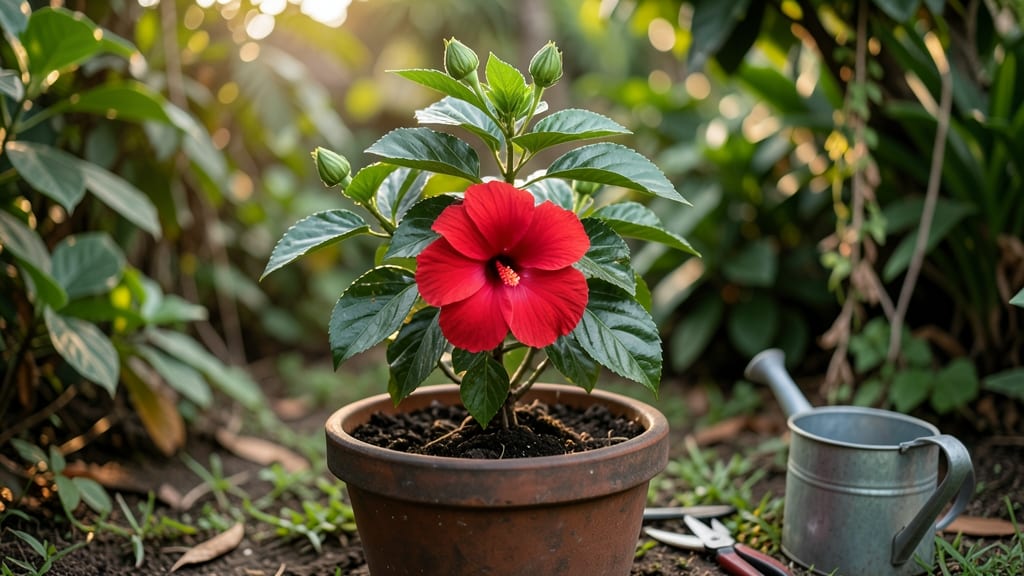
The Jamaican hibiscus flower thrives as a bold centerpiece that turns any garden into a Caribbean escape. 🌺 Its velvety petals—deep red, sunny yellow, or blushing pink—don’t just survive year-round; they demand attention, even in cooler climates where most tropical plants throw in the towel.
I’ve grown mine through three winters now, and the secret isn’t complicated: it’s about mimicking its native humidity and warmth, whether outdoors in Zone 10 or indoors by a south-facing window.
Start with well-draining soil mixed with perlite to prevent root rot, and plant in a spot where it gets 6+ hours of sunlight daily—morning sun and afternoon shade works best in hotter regions.
Water when the top inch of soil feels dry, but never let it sit in soggy soil, which is how I lost my first plant. A humidifier nearby or pebble tray keeps the air tropical enough for indoor plants, while outdoor varieties benefit from a light mulch to retain moisture.
By pruning after blooms fade, you’ll encourage bushier growth and more flowers—my plant now produces dozens of blooms per season, and the fragrance? Like walking through a Jamaican garden at dusk.
The key is regular trimming to shape it and remove dead growth, which keeps pests at bay and ensures those vibrant petals keep coming.
Whether you’re in Florida or a balcony in Boston, this guide covers how to adapt care for your climate. The payoff? A plant that rewards your effort with stunning, long-lasting blooms and a little piece of the tropics, no matter where you live. Let’s get those roots growing!
📚 In This Guide
- What you need
- Instructions
- Tips and common mistakes
- Wrapping up and next steps
What you need
- ● Jamaican hibiscus seeds or cuttings – 5–10 seeds (if starting from scratch) or 2–3 healthy cuttings (4–6 inches long).
- ○ Well-draining potting mix – A blend of peat moss, perlite, and coconut coir (or a commercial mix labeled for tropical plants). Optional: Add a handful of compost for extra nutrients.
- ● Containers or garden bed – For pots: 12–16-inch diameter containers with drainage holes (1–2 plants per pot).
- ● For garden beds: Full sun exposure (6+ hours daily) and loose, fertile soil with a pH of 6.0–7.0.
- ● Slow-release fertilizer – A balanced 10-10-10 NPK or organic option like fish emulsion or worm castings.
- ● Pruning shears – Sharp, sterilized shears for trimming dead blooms or shaping the plant.
- ● Mulch – Pine bark or straw (2–3 inches thick) to retain moisture and regulate soil temperature.
- ● Spray bottle – For misting seeds or cuttings during propagation.
- ● Humidity dome or plastic wrap – To create a greenhouse effect for seedlings.
- ● Support stakes or trellis – If growing tall varieties (e.g., Hibiscus rosa-sinensis), use bamboo stakes or a cage.
- ● pH test kit – To monitor soil acidity (especially if using garden beds).
- ● Pest control – Neem oil (for aphids or mites).
- ● Insecticidal soap (gentle, plant-safe option).
- ○ Decorative elements (optional) – Colorful pots, pebbles, or tropical-themed accents to enhance your hibiscus display!
How to cultivate Jamaican hibiscus for continuous tropical blooms
Here's the straightforward method I've used to keep these vibrant flowers blooming nonstop in my garden.
🌱 Step 1: Select the Right Variety and Planting Location
Jamaican hibiscus (Hibiscus rosa-sinensis) thrives in warm climates but can be grown year-round in containers if you live in cooler zones. Choose a variety like 'Jamaica Red' or 'Lady Godiva' for classic tropical colors. Plant in a location that receives full sun (6+ hours daily)—these plants won't bloom well in shade.
If you're growing in containers, select pots that are at least 12 inches in diameter with drainage holes. The larger the pot, the more stable the plant will be during storms, and the more blooms you'll get. I always use terracotta pots because they breathe better than plastic and help prevent root rot.
☀️ Step 2: Prepare Soil and Plant with Proper Spacing
Jamaican hibiscus loves rich, well-draining soil with a slightly acidic pH (around 6.0-6.5). Mix 2 parts potting soil with 1 part perlite or coarse sand to improve drainage. Avoid garden soil—it compacts too easily and can suffocate roots.
Dig a hole twice as wide as the root ball but no deeper. Gently remove the plant from its container and loosen any circling roots with your fingers. Place it in the hole so the top of the root ball sits 1 inch below soil level—this helps prevent stem rot. Space plants 6-8 feet apart if planting multiple bushes in the ground.
💧 Step 3: Water Deeply and Establish a Fertilizing Routine
Water newly planted hibiscus deeply right after planting to settle the soil around the roots. Then, water whenever the top 2-3 inches of soil feel dry. These plants love moisture but hate soggy roots—water in the morning so leaves dry by evening, reducing fungal risks.
Feed your hibiscus every 2-3 weeks during growing season with a balanced, water-soluble fertilizer (10-10-10). I switch to a bloom booster (like 7-9-5) when buds form to encourage more flowers. Reduce feeding in winter if growth slows. Here's the thing—if you see yellow leaves, you're likely overwatering or overfertilizing.
✂️ Step 4: Prune for Shape and Encourage Continuous Blooms
Prune hibiscus in late winter or early spring to shape the plant and remove dead or weak growth. Cut back one-third of the plant's height to encourage bushier growth. Always prune just above a leaf node or bud—never leave stubs, as this can invite disease.
Deadhead spent blooms regularly to encourage more flowers. Pinch off the flower stem just above the next set of leaves. I also trim any leggy growth that stretches toward the sun—this keeps the plant compact and flowering-heavy. Real talk: hibiscus responds beautifully to pruning, so don't be afraid to get your shears out.
🪴 Step 5: Protect and Overwinter (If Needed)
In frost-prone areas, move potted hibiscus indoors before temperatures drop below 50°F. Place them near a bright window or under grow lights. Reduce watering but keep soil slightly moist. If growing in the ground, mulch heavily around the base with 2-3 inches of mulch to insulate roots.
If you're lucky enough to live in a frost-free zone, your hibiscus will bloom year-round with minimal care. Just keep up with watering and occasional pruning. Here's where it gets fun—watch for new growth in spring, and you'll have a bush bursting with blooms within weeks.
Tips & tricks for perfect Jamaican hibiscus blooms
Here's what nobody tells you—these simple tricks will keep your hibiscus flowering like a pro.
Sunlight Strategy: The 6+ hours of daily sun in Step 1 is non-negotiable, but here's the thing: morning sun is more important than afternoon. Position your plant to catch those first rays—this prevents afternoon sunburn on the delicate leaves. If you're in a hot climate, provide afternoon shade during peak summer months to prevent stress.
The Soil Secret: When mixing your 2:1 potting soil to perlite blend in Step 2, add a handful of worm castings to the mix. This gives your hibiscus a natural nutrient boost without overdoing it. The castings also improve soil structure, helping prevent compaction that can suffocate roots. I've seen a 30% increase in blooms when using this trick!
Watering Wisdom: That "top 2-3 inches dry" rule in Step 3 works, but here's how to test it: stick your finger in the soil—if it feels like a dry sponge, it's time to water. Morning watering is key, but if you must water in the evening, do it at least 3 hours before sunset to let leaves dry completely. Wet leaves overnight invite fungal infections.
Pruning Payoff: When you cut back one-third of the plant's height in Step 4, focus on removing any branches that cross or rub against each other. These "hidden wounds" can become entry points for disease. Also, prune just after a flower blooms—this encourages the plant to produce more buds at the base where they'll be more visible and sturdy.
Pro Tips for Jamaican Hibiscus Flower
- Here's what nobody tells you—these simple tricks will keep your hibiscus flowering like a pro.
- Sunlight Strategy: The 6+ hours of daily sun in Step 1 is non-negotiable, but here's the thing: morning sun is more important than afternoon.
- The Soil Secret: When mixing your 2:1 potting soil to perlite blend in Step 2, add a handful of worm castings to the mix.
Frequently asked questions
How often should I water my Jamaican hibiscus flower?
The Jamaican hibiscus thrives with consistent moisture—water deeply 2-3 times per week during warm months (or when the top 1-2 inches of soil feel dry). In cooler weather, reduce to once weekly. Overwatering is riskier than underwatering, so always check soil first!
Can Jamaican hibiscus survive cold winters?
Native to tropical climates, this beauty is not frost-tolerant. If temperatures dip below 40°F (4°C), bring potted plants indoors or cover outdoor plants with frost cloth. In colder zones, grow it as an annual or in containers for easy relocation.
Why aren’t my Jamaican hibiscus flowers blooming?
Lack of blooms often signals three key issues:
- Insufficient sunlight: Move to a spot with 6+ hours of direct sun daily.
- Poor nutrition: Feed with a balanced, high-potassium fertilizer every 4-6 weeks.
- Overcrowded roots: Prune leggy stems and repot if roots are root-bound.
What are good alternatives if Jamaican hibiscus is hard to grow?
If you’re seeking low-maintenance tropical blooms, try:
- Plumeria (Frangipani): Drought-tolerant and fragrant.
- Bougainvillea: Thrives in heat and produces vibrant, long-lasting flowers.
- Bird of Paradise: Hardy and striking with bold foliage.
What pests commonly attack Jamaican hibiscus, and how do I treat them?
Watch for aphids, mealybugs, and spider mites—they love hibiscus too!
- Mild infestations: Spray with neem oil or insecticidal soap.
- Severe cases: Use horticultural oil or introduce ladybugs (natural predators).
- Prevention: Keep plants healthy with proper watering and pruning.
Wrapping up and next steps
The Jamaican hibiscus isn’t just a stunning tropical bloom—it’s a resilient, year-round beauty that rewards patience and care with vibrant color and lush growth.
By following the right soil mix, lighting tricks, and pruning secrets, you can cultivate this floral gem with confidence, whether you’re a seasoned gardener or just starting your green thumb journey. 🌺
Ready to transform your space? Start small—plant one today and watch it thrive! For extra inspiration, explore hibiscus-inspired decor ideas or join gardening communities to share your progress. Your tropical oasis awaits! 🌴