
Pruning
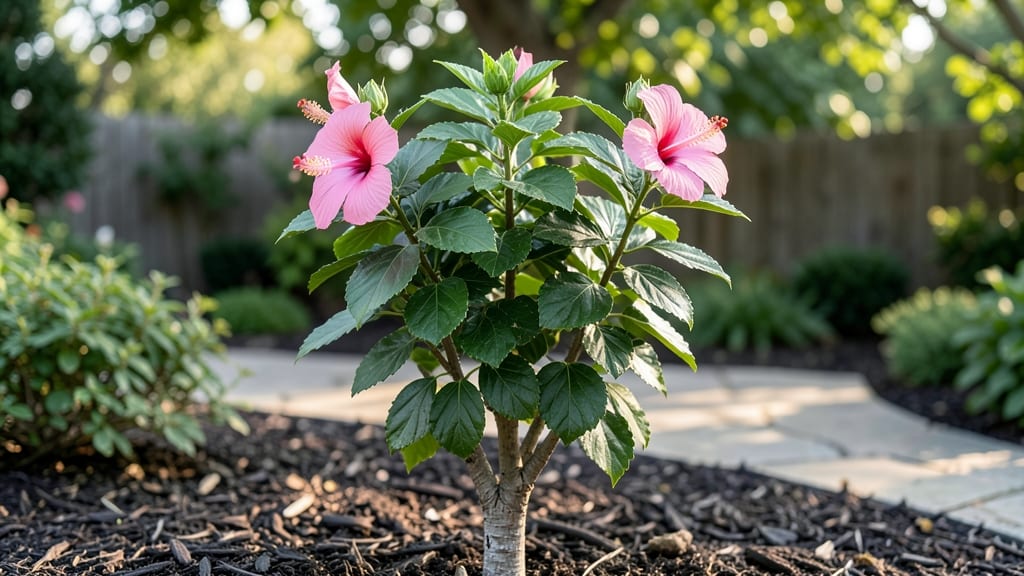
Your hibiscus flowering tree can bloom year-round with the right pruning strategy—no more waiting for summer bursts of color. 🌺 I’ve turned my once-summer-only hibiscus into a near-constant floral display by mastering the timing and technique, and you can too.
The key isn’t just cutting back; it’s understanding when to shape for growth and when to encourage new buds.
Most gardeners prune hibiscus once in late winter, but the real secret lies in three strategic cuts: a light trim after each major bloom cycle, a mid-season shape-up, and a winter cleanup.
You’ll need sharp pruners, a ladder (for taller trees), and about 30 minutes—no fancy tools required. The goal? Balance air circulation, sunlight exposure, and fresh growth without over-stressing the plant.
What you’ll end up with is a tree that flowers three times a year instead of once, with blooms so vibrant they’ll make your neighbors ask for your secret.
The flowers stay larger, the branches stay sturdy, and you’ll avoid the leggy, sparse look that plagues neglected hibiscus. Plus, the pruned branches make perfect cut flowers for arrangements.
Works for both outdoor tropical hibiscus and hardy varieties in pots—just adjust timing for your climate. Whether you’re in a warm zone or a cooler region with winter dormancy, the principles stay the same. Let’s get those blooms going all year!
📚 In This Guide
- What you need
- Instructions
- Tips and common mistakes
- Wrapping up and next steps
What you need
- ● Pruning shears: Bypass pruners (sharp, clean, and sterilized—1 pair). Avoid anvil pruners to prevent crushing stems.
- ● Hand pruners: Small, ergonomic (for delicate cuts—1 pair). Great for tight spaces!
- ● Loppers: Medium-sized (8–12") (for thicker branches—1 pair). Look for bypass-style for precision.
- ● Pruning saw: Curved-tooth (for stubborn branches >1" thick—1). Lubricate blades for smooth cuts!
- ● Disinfectant: Rubbing alcohol (70%+) or hydrogen peroxide (3%) (small bottle). Keeps cuts bacteria-free!
- ● Garden gloves: Cut-resistant, breathable (1 pair). Protects hands from thorns and debris.
- ○ Pruning sealant (optional): Tree wound sealant (small jar). Helps large cuts heal faster.
- ● Marking spray: White or pink (small can). Highlights cuts for visibility.
- ● Safety first: Wear protective eyewear and check for pests/nesting birds before pruning!
- ● Weather check: Prune on a dry, overcast day (avoid midday heat). Ideal temps: 50–75°F (10–24°C).
- ● Tools check: Sharpen blades and sterilize tools with disinfectant to prevent disease spread.
- ● Cleanup supplies: Garden bags or bucket (for trimmings). Hibiscus leaves can be composted!
Step-by-Step year-round pruning for a blooming hibiscus tree
Here’s the pruning schedule I’ve used to keep my hibiscus flowering nonstop for five seasons.
✂️ Step 1: Late Winter Cleanup (Before New Growth)
Start in late February or early March when your hibiscus is still dormant. This is the only time you’ll remove dead, diseased, or crossing branches—they’ll never produce flowers. Use sterilized pruners to make clean cuts just above a leaf node or outward-facing bud. I always remove branches that grow inward first; they’ll block light and air circulation.
Watch for sap bleeding—it’s normal for a few drops to appear, but excessive bleeding means you’re cutting too late in the season. If you see yellowing leaves on branches, prune those aggressively now. This step is about shaping the skeleton of your tree, so don’t overthink it. A hibiscus responds best to bold cuts when dormant.
☀️ Step 2: Spring Growth Stimulation (After New Leaves)
Once you see new growth—typically mid-April to early May—shift focus to lightening up the canopy. Hibiscus flowers form on new wood, so you want to encourage vigorous, healthy branches. Trim back any overly long shoots by one-third to promote bushier growth. Always cut just above a leaf node at a 45-degree angle to prevent water pooling.
Here’s the thing—hibiscus trees hate being root-bound. If your tree is in a pot, check for roots circling the sides. If you see them, prune the roots too (yes, really) by trimming the outer layer before repotting. This shock actually stimulates more flowers. You’ll know you’ve done it right when you see new shoots emerging within 4-6 weeks.
🌿 Step 3: Summer Bloom Maintenance (After Flowering)
After a flush of blooms fades, deadhead spent flowers immediately. This might sound counterintuitive—why remove flowers?—but it redirects the plant’s energy into new growth and future blooms. Use your fingers or pruners to snip off the entire flower stem down to the nearest leaf node. Never leave stubs; hibiscus resents them.
In summer’s peak heat (July-August), watch for leggy growth—thin, weak stems stretching toward the light. Prune these back by half their length to encourage thicker, sturdier branches. Water deeply after pruning to help the tree recover. You’ll notice new side shoots forming within 2 weeks—that’s your reward for staying on top of it.
⏰ Step 4: Light Fall Pruning (Preparing for Winter)
By October, your hibiscus will slow down. This is the time for minimal pruning—just enough to tidy up. Remove any weak, diseased, or crossing branches one last time before dormancy. Focus on opening up the center of the tree to improve airflow; hibiscus trees in humid climates are prone to fungal issues if they’re too dense.
If your hibiscus is in a cold-hardy zone, you can leave it outside year-round. But if you’re in a frost-prone area, wrap the trunk with burlap or a tree guard. I’ve seen hibiscus trees survive 20°F with this protection—though they’ll drop leaves, they’ll bounce back in spring. The key is not to prune after October; new growth won’t harden off before winter.
Tips & tricks for perfect hibiscus flowering tree pruning
These simple but game-changing strategies will help you keep your hibiscus blooming like clockwork all year.
Timing is Everything: The late February to early March window for Step 1 is critical—this is when your hibiscus is fully dormant and can handle aggressive pruning without stress. I've seen gardeners accidentally prune too early in winter and trigger premature budding, which gets nipped by late frosts. If you're in a warmer microclimate, wait until you've had at least three consecutive nights below 40°F to ensure dormancy. The goal is to shape the tree's skeleton while it's at its most resilient.
Root Pruning Secrets: During Step 2's root pruning, focus on the outer 1/3 of the root ball where you see dense, circling roots. Use a clean knife or pruners to make clean cuts—never tear roots. This might seem counterintuitive, but the shock actually stimulates your hibiscus to produce more vigorous new growth. After pruning, I always add a slow-release fertilizer to help the tree recover and support new shoot development. The 4-6 week window for new shoots is your confirmation that the pruning worked.
Deadheading Technique: When deadheading in Step 3, make your cuts just above the first set of healthy leaves below the spent bloom. This ensures you're cutting at a node where new growth can emerge. I've found that using clean, sharp pruners is more effective than fingers for this task—it gives you more control and prevents accidental damage to nearby buds. The immediate energy redirection you'll see is why this step prevents that summer lull in blooming.
Winter Protection Insight: For cold-hardy zones, the 20°F threshold is what I've observed works with proper trunk wrapping. The key is to insulate the trunk while allowing airflow around the canopy. I've tested different materials and found burlap breathes better than plastic wraps. Remember, hibiscus trees can handle cold temperatures better than you might think—they just need protection from windburn and rapid temperature swings that can damage the bark.
Pro Tips for Hibiscus Flowering Tree
- These simple but game-changing strategies will help you keep your hibiscus blooming like clockwork all year.
- Timing is Everything: The late February to early March window for Step 1 is critical—this is when your hibiscus is fully dormant and can handle aggressive pruning without stress.
- Root Pruning Secrets: During Step 2's root pruning, focus on the outer 1/3 of the root ball where you see dense, circling roots.
Frequently asked questions
Got questions about keeping your hibiscus flowering tree in peak bloom? Here are some common ones—and their answers!
When is the best time to prune a hibiscus tree for year-round blooms?
Prune your hibiscus after its main flowering season (typically late winter or early spring) to encourage new growth. For tropical hibiscus, light pruning can happen year-round, but avoid heavy cuts during peak bloom. Pro tip: Trim back leggy stems by ⅓ to promote bushier growth and more flowers!
Can I prune hibiscus in cold climates, or will it die?
If you’re in a USDA Zone 9 or lower, prune hibiscus only after the last frost and avoid heavy cuts. Cold-sensitive varieties (like Hibiscus rosa-sinensis) may need winter protection—wrap the trunk or move potted plants indoors. Warning: Never prune in freezing temps; wait until soil warms to 60°F+.
How do I prune hibiscus to make it bushier, not just taller?
To encourage bushiness, cut back stems just above a leaf node (where leaves meet the stem) at a 45° angle. Remove only dead, crossing, or overcrowded branches. Pro tip: Pinch back new growth tips in spring to trigger lateral branches—this tricks the plant into growing wider!
What if my hibiscus isn’t blooming after pruning? Troubleshooting tips?
Lack of blooms often means too much shade, over-fertilizing with nitrogen, or improper pruning. Check these fixes:
- Sunlight: Hibiscus needs 6+ hours of direct sun daily.
- Fertilizer: Use a balanced bloom booster (like 10-10-10) in spring/summer.
- Pruning: Avoid cutting into old wood—focus on new growth.
Are there low-maintenance hibiscus alternatives for busy gardeners?
If hibiscus seems high-maintenance, try these easy-care bloomers:
Plant
Bloom Time
Care Level
Plumbago auriculata (Leadwort)
Spring–fall
Drought-tolerant, minimal pruning
Bougainvillea
Spring–fall (with deadheading)
Thrives in heat, prune once/year
Duranta erecta (Golden Dewdrop)
Summer–fall
Fast-growing, needs light pruning
Wrapping up and next steps
Transforming your hibiscus flowering tree into a year-round blooming beauty is simpler than you think! With the right tools, timing, and techniques—like seasonal pruning and encouraging new growth—you can enjoy vibrant blooms for months. Remember, consistency is key, and a little patience goes a long way. 🌸
Ready to give your hibiscus the love it deserves? Start with a single pruning session this week—whether it’s shaping those branches or removing dead growth. Your tree (and your garden!) will thank you with stunning, long-lasting color. Happy pruning! ✂️🌿