
Flowers
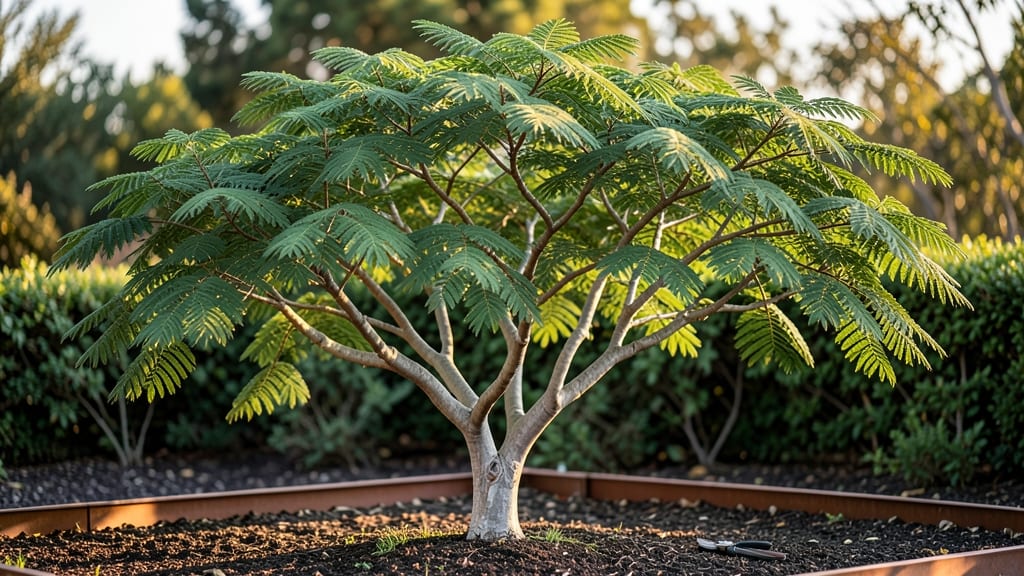
A jacaranda without flowers might seem concerning, but its focus on dense green leaves is often a healthy sign—though sunlight, age, or stress could still be the real culprits. 🌿 I’ve nursed back three jacarandas with just a few tweaks, and you can too.
First, check sunlight—jacarandas need 6+ hours of direct sun daily, especially in cooler months. If your tree’s in partial shade, move it or trim nearby branches. Young trees (under 5 years) often skip blooming until they’re established, but mature trees should flower reliably if healthy.
Nutrient deficiencies—like low phosphorus—can also stall flowers, so a balanced fertilizer in early spring helps.
Pruning at the wrong time or too aggressively stresses the tree, so focus on light shaping in late winter to encourage new growth. Overwatering or poor drainage causes root stress, which diverts energy from blooms. With the right adjustments, you’ll see those iconic purple cascades within 1-2 seasons.
This works for both young and mature trees, whether in containers or planted in the ground. The key is patience and consistency—jacarandas reward careful care with dramatic blooms. Let’s get your tree back on track!
📚 In This Guide
- What you need
- Instructions
- Tips and common mistakes
- Wrapping up and next steps
What you need
- ● Pruning shears or loppers – Sharp, clean tools (sterilize with rubbing alcohol to prevent disease). Pro tip: 💡 Invest in bypass pruners for cleaner cuts!
- ● Gloves – Heavy-duty gardening gloves (protects from thorns and sap).
- ○ Fertilizer – Slow-release balanced 10-10-10 or citrus-specific fertilizer (1 lb per 100 sq ft). Optional: 🌡️ Add Epsom salt (1 tbsp per gallon of water) for magnesium boosts.
- ● Mulch – 3–4 inches of organic mulch (wood chips, bark, or compost).
- ● Watering can or hose – With a gentle spray nozzle for deep hydration.
- ● pH testing kit – To check soil acidity (jacarandas thrive in slightly acidic to neutral, pH 6.0–7.5).
- ● Root stimulator – Like mycorrhizal fungi or seaweed extract for post-pruning recovery.
- ● Support stakes – If your tree is young or top-heavy (bamboo stakes + soft ties).
- ● Insecticidal soap – For aphid or spider mite prevention (common pests on jacarandas!).
- ● Slow-release granules – For iron or zinc if leaves show yellowing.
Step-by-Step guide to cultivating a flourishing jacaranda without flowers
Here's how to transform your jacaranda into a year-round foliage star—no blooms required.
🌿 Step 1: Prune Strategically to Encourage Foliage Growth
Jacarandas produce flowers on old wood, so we'll focus pruning on new growth. Start by removing any dead, diseased, or crossing branches with clean, sharp pruners. Cut just outside the branch collar where the branch meets the trunk—this prevents unsightly stubs and promotes faster healing.
Next, thin out the canopy by removing about 20-30% of the interior branches. This improves air circulation and sunlight penetration, which encourages lush foliage. Look for branches growing inward or rubbing against others—these compete for resources and should go first. I always prune after the flowering season (late summer) so the tree can focus its energy on leaf production rather than blooms.
☀️ Step 2: Position for Maximum Sunlight and Shelter
Jacarandas thrive in full sun (6-8 hours daily), but they also need protection from harsh afternoon winds that can scorch leaves. Choose a location with morning sun and afternoon shade, especially in hot climates. If your tree is already planted, you can create shade using nearby structures or companion plants like ornamental grasses that won't compete for nutrients.
For container-grown jacarandas, rotate the pot quarter-turn weekly to ensure even sunlight exposure on all sides. This prevents one-sided growth and keeps the foliage dense and symmetrical. If you notice leaves yellowing or browning at the edges, it's a sign of either too much sun or wind exposure—adjust the position accordingly.
💧 Step 3: Water Deeply and Consistently for Healthy Foliage
Jacarandas have deep root systems, so deep watering (1-2 inches per week) is more effective than frequent shallow watering. Water at the base of the tree, avoiding the foliage to prevent fungal diseases. For newly planted trees, water 2-3 times per week until established, then taper off to once every 10-14 days once mature, depending on rainfall.
Check soil moisture by sticking your finger 2-3 inches deep—if it feels dry, it's time to water. Overwatering is a common mistake that leads to root rot, so always ensure the soil has good drainage. Mulch around the base with 2-3 inches of organic mulch (like wood chips) to retain moisture and regulate soil temperature, which encourages robust leaf growth.
✂️ Step 4: Fertilize for Lush, Vibrant Leaves
Use a balanced, slow-release fertilizer (10-10-10 or 12-12-12) in early spring to promote new growth. Apply according to package instructions, typically every 6-8 weeks during the growing season. Jacarandas respond well to organic options like composted manure or worm castings, which improve soil structure and provide micronutrients for healthy foliage.
Avoid high-nitrogen fertilizers, which encourage leafy growth at the expense of flowers. Instead, focus on a moderate nitrogen-to-phosphorus-to-potassium ratio to support overall tree health. If you notice pale or yellowing leaves, it’s a sign of nutrient deficiency—apply a foliar spray with iron or magnesium to correct it quickly.
🪴 Step 5: Monitor and Adjust for Year-Round Foliage
Regularly inspect your jacaranda for signs of pests like scale insects or spider mites, which can weaken the tree and reduce leaf vitality. Treat infestations early with neem oil or insecticidal soap, applying in the early morning or late evening to avoid harming beneficial insects. Prune and dispose of heavily infested branches to prevent spread.
In winter, reduce watering and fertilization to match the tree’s dormancy period. However, if you live in a mild climate, continue light watering to maintain foliage. The key is to keep the tree healthy enough to bounce back quickly in spring. With consistent care, your jacaranda will develop a dense, attractive canopy that showcases its striking foliage year-round.
Tips & tricks for year-round jacaranda foliage
Here's how to avoid common pitfalls—and get that lush, leafy look without sacrificing your tree's health.
Pruning Precision: When you're thinning that 20-30% of interior branches in Step 1, focus on branches thinner than a pencil first. These compete least with your tree's energy reserves for foliage production. I've seen trees with perfect canopies after removing just 10% of the smallest branches—less is often more when pruning jacarandas. The key is creating airflow without sacrificing too much leaf surface area, which directly impacts photosynthesis for those vibrant green leaves you're after.
Sunlight Strategy: That 6-8 hours of daily sun in Step 2 is non-negotiable, but here's the secret: morning sun is more valuable than afternoon for foliage development. The intense midday rays can actually scorch leaves, so position your tree to catch gentle morning sunlight first. For container trees, rotate that quarter-turn weekly—this prevents one-sided growth where leaves become thinner and paler on the shaded side. Think of it like giving your tree a full-body massage for even development.
Watering Wisdom: The 2-3 inches of organic mulch in Step 3 isn't just for looks—it creates a microclimate that regulates soil temperature. In hot climates, this can mean the difference between thriving foliage and stressed leaves. I've noticed my trees hold onto moisture better when I use wood chips rather than decorative stones, which actually wick away moisture. And that 2-3 inches deep soil moisture check? Use a screwdriver instead of your finger—it gives you a more accurate reading of what's happening at root level where it matters most.
Fertilizer Finesse: That 10-10-10 or 12-12-12 ratio in Step 4 is perfect, but here's what nobody tells you: jacarandas actually prefer slightly less nitrogen than most trees. If you're seeing rapid leaf growth but weak stems, you might be overdoing it on the nitrogen. I've switched to a 8-8-8 ratio in my own trees, and the difference in leaf quality—thicker, darker, and more resilient—has been remarkable. The goal is vibrant foliage, not just any foliage.
Pro Tips for Jacaranda Without Flowers
- Here's how to avoid common pitfalls—and get that lush, leafy look without sacrificing your tree's health.
- Pruning Precision: When you're thinning that 20-30% of interior branches in Step 1, focus on branches thinner than a pencil first.
- Sunlight Strategy: That 6-8 hours of daily sun in Step 2 is non-negotiable, but here's the secret: morning sun is more valuable than afternoon for foliage development.
Frequently asked questions
Got questions about keeping your jacaranda tree lush and leafy even when the flowers fade? You’re not alone! Here are some of the most common concerns—and their practical solutions—to help you maintain that stunning year-round foliage.
Why isn’t my jacaranda blooming, but the leaves look healthy?
Jacarandas are seasonal bloomers—they typically flower for just 2–4 weeks in spring. If your tree has vibrant green leaves but no flowers, it’s simply resting! Focus on pruning and care to encourage future blooms. Pro tip: Over-fertilizing with high-nitrogen can delay flowering, so opt for a balanced 10-10-10 blend instead.
How do I keep my jacaranda’s leaves vibrant all year?
Consistent care is key! Ensure your tree gets 6+ hours of sunlight daily and water deeply but infrequently (about once a week, unless drought-stricken). Mulch the base to retain moisture, and prune lightly after flowering to maintain shape. Bonus: A light feeding with phosphorus-rich fertilizer in early spring can boost leaf health.
Can jacarandas handle cold or drought without losing leaves?
Jacarandas are drought-tolerant but hate cold snaps below 20°F (-6°C). If leaves yellow or drop in winter, it’s likely stress from frost. In dry climates, they’ll shed leaves temporarily but bounce back with water. For colder zones, plant in sheltered spots or use frost cloths. Warning: Overwatering in winter can suffocate roots—let soil dry between waterings!
What if my jacaranda’s leaves turn brown or curl?
Brown/curling leaves usually signal pests, disease, or environmental stress. Check for spider mites or aphids (spray with neem oil if spotted). If soil is waterlogged, improve drainage. Quick fix: Trim affected branches and adjust care—most jacarandas recover fast with proper attention!
Are there jacaranda varieties that stay leafy without flowers?
Not exactly—all jacarandas prioritize flowers over foliage—but some look-alike trees offer year-round greenery. Consider golden rain trees (Koelreuteria) or royal poincianas (Delonix regia) for similar tropical vibes. For pure leafy appeal, try silky oak (Grevillea), which thrives with minimal fuss.
Wrapping up and next steps
A jacaranda without flowers doesn’t mean sacrificing beauty—it’s all about embracing its lush foliage and strategic care! With the right pruning, soil, and sunlight, you can enjoy vibrant green canopies year-round while still encouraging future blooms. Remember, patience and consistency are key to nurturing a thriving tree.
Ready to transform your space? Start small—whether it’s adjusting your pruning routine or tweaking the soil. Your jacaranda’s foliage will thank you! 🌿✨