
Flowers
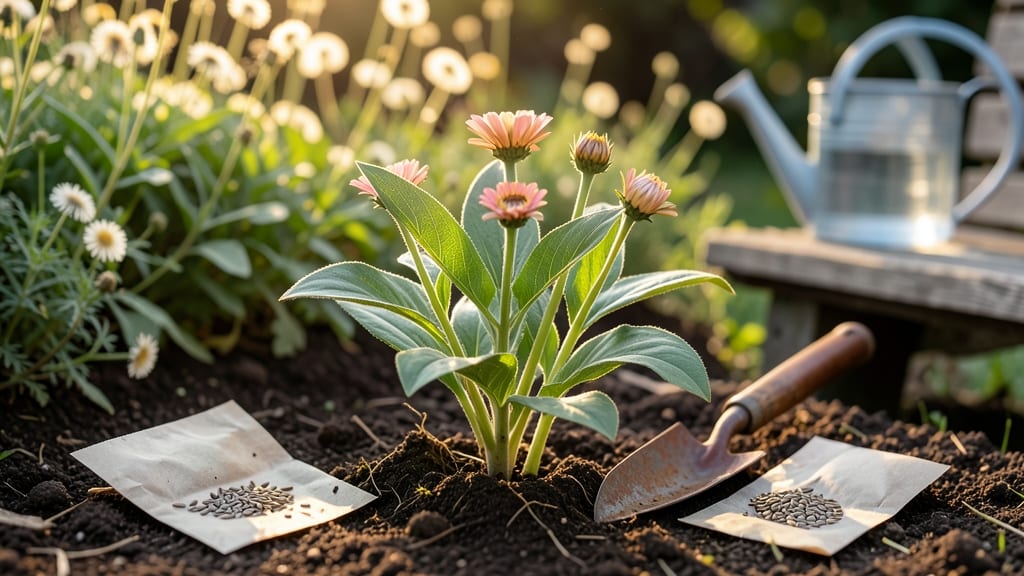
How to start a flower bed for beginners is easier than you think—especially when you follow a foolproof plan that skips the guesswork. I remember my first attempt: I picked a sunny spot, tossed in some dirt, and planted whatever seeds I found at the store.
Three weeks later, I had a sad patch of weeds instead of blooms. Now I know the secrets to getting it right the first time.
The key starts with sunlight and soil. Most flowers need at least 6 hours of sun daily, and your soil should be loose, well-draining, and rich in compost. You don’t need fancy tools—just a shovel, gloves, and a wheelbarrow for hauling dirt.
Beginner-friendly annuals like marigolds, zinnias, and petunias forgive mistakes better than perennials, so they’re perfect for practice.
By the end of a season, you’ll have a vibrant bed that attracts butterflies, repels pests, and gives you the confidence to expand. The first year is all about learning what thrives in your space—then you can refine your design. Ready to turn that blank patch into a blooming masterpiece?
This method works for small city gardens or backyard plots, and the same principles apply whether you’re planting from seeds or transplants. Let’s get those flowers growing!
📚 In This Guide
- What you need
- Instructions
- Tips and common mistakes
- Wrapping up and next steps
What you need
- ● Garden soil or compost: 2–3 bags (or 2–3 cubic yards if mixing your own). Look for well-draining, nutrient-rich soil or compost blend.
- ○ Topsoil (optional but helpful): 1 bag (for leveling or improving soil quality).
- ● Garden gloves: 1 pair (to protect your hands from thorns, dirt, and blisters).
- ● Hand trowel or spade: 1 (for digging, planting, and mixing soil). A 5–6 inch trowel works best for beginners.
- ● Rake: 1 (a bendable bow rake for smoothing soil and removing debris).
- ● Measuring tape or ruler: 1 (to mark dimensions and spacing).
- ● Watering can or hose with nozzle: 1 (for gentle watering after planting).
- ○ Mulch (optional but recommended): 2–3 bags (straw, shredded bark, or pine needles work great).
- ○ Plant markers (optional): Small stakes or labels (to track what you’ve planted).
- ● Knee pad or cushion: For comfort during long digging sessions.
- ● Pruners: A small pair for trimming weeds or shaping plants.
- ● Soil pH test kit: To check if your soil needs amendments (like lime or sulfur).
- ● Edging tools: For neat borders (plastic, metal, or stone).
- ● Wheelbarrow: To haul soil, mulch, or debris easily.
Step-by-Step instructions for designing your first flower bed
Here’s how to create a vibrant, low-maintenance flower bed that thrives from day one.
Choose the Perfect Location
Pick a spot that gets at least 6 hours of sunlight daily—most annuals and perennials need full sun to bloom their best. Observe the area for a few days to note how sunlight shifts throughout the day. Avoid low-lying spots where water pools after rain, as soggy soil can rot roots.
If your yard has partial shade, opt for shade-tolerant flowers like impatiens or hostas. I always test the site by placing a ruler vertically at noon; if the shadow is shorter than 6 inches, it’s a good sun spot. Mark the boundaries with stakes or spray paint to visualize your design before digging.
Clear and Prepare the Soil
Remove grass, weeds, and debris from the area using a garden fork or shovel. Dig down 6-8 inches to loosen compacted soil—this helps roots establish deeper. I like to add 2-3 inches of compost to the top layer while digging, mixing it into the soil to boost fertility without overwhelming plants.
Rake the area smooth afterward, breaking up any remaining clumps. For tough weeds, apply a vinegar-based herbicide a week before planting to kill roots without harming your flowers. If the soil feels dense or clay-heavy, add 1 part sand to every 3 parts soil to improve drainage.
Plan Your Layout and Plant Spacing
Sketch a rough design on paper, grouping flowers by height—tall varieties (like delphiniums) go at the back, medium (like salvia) in the middle, and short (like marigolds) at the front. Space plants based on their mature size: 12-18 inches apart for most perennials, 6-12 inches for annuals.
I always plant in odd-numbered clusters (3, 5, or 7) for a natural look. Dig holes twice as wide as the root ball but only as deep as the plant’s container—burying too deep can suffocate stems. Gently tease apart roots if they’re circling before placing the plant in the hole.
Plant and Water Thoroughly
Place each plant in its hole, filling gaps with soil while holding the stem straight. Press down lightly to remove air pockets, then water deeply until the soil is 2 inches damp below the surface. Mulch with 2-3 inches of organic mulch (like shredded bark) to retain moisture and suppress weeds.
Water again after 24 hours to settle the soil around roots. Avoid overwatering at first—most flowers prefer slightly dry soil once established. If leaves yellow or wilt, check the soil moisture; it’s better to water deeply once a week than lightly daily.
Maintain and Enjoy Your Flower Bed
Remove spent blooms regularly to encourage more flowers—a technique called deadheading. Fertilize lightly every 4-6 weeks with a balanced 10-10-10 formula during the growing season. I skip fertilizer in the first month to let roots adjust.
Watch for pests like aphids or slugs; treat them early with neem oil or beer traps before they spread. Rotate plants every 2-3 years to refresh the bed and prevent disease buildup. With consistent care, your flower bed will burst with color year after year.
Tips & tricks for perfect flower bed design
Creating a stunning flower bed starts with these simple yet game-changing tricks that'll save you time and frustration.
Sunlight Strategy: The 6 hours of sunlight mentioned in Step 1 is non-negotiable for most flowers, but here's what I do differently: I mark the sunniest spot by placing a white board in the ground at noon—if the shadow is shorter than 6 inches, it's prime real estate. For partial shade areas, I test with shade-loving plants first to avoid disappointment later.
Soil Prep Hack: When you're digging down 6-8 inches in Step 2, save the topsoil separately and mix it with the 2-3 inches of compost right away. This creates a nutrient-rich layer that new roots will love immediately. For clay-heavy soil, I add the sand gradually while digging—don't dump it all at once, or you'll create drainage pockets instead of improving the whole area.
Planting Layout Secret: The odd-numbered clusters in Step 3 might seem fussy, but here's my shortcut: I use a simple 3x3 grid as my base, then add single plants at the corners for visual interest. This creates that natural look without requiring advanced design skills. When spacing perennials 12-18 inches apart, I measure from the center of one plant to the center of the next—this prevents overcrowding as they mature.
Watering Wisdom: After that first deep watering in Step 4, I set a timer for 24 hours to remind myself to water again. The key is getting that soil 2 inches damp—not soggy. I use a moisture meter to check, but if you don't have one, press your finger 2 inches down—it should feel moist but not wet. Mulching with those 2-3 inches of organic material isn't just decorative; it's like putting a blanket on your soil to keep moisture in and weeds out.
Pro Tips for Start A Flower Bed For Beginners
- Creating a stunning flower bed starts with these simple yet game-changing tricks that'll save you time and frustration.
- For partial shade areas, I test with shade-loving plants first to avoid disappointment later.
- Soil Prep Hack: When you're digging down 6-8 inches in Step 2, save the topsoil separately and mix it with the 2-3 inches of compost right away.
Frequently asked questions
Got questions? You’re not alone! Starting a flower bed can feel overwhelming, but we’ve got answers to the most common concerns—so you can dive in with confidence.
When is the best time to start a flower bed?
The ideal time depends on your climate! In most regions, spring or early fall are perfect—soil is warm enough for roots to establish, but temperatures aren’t scorching. Avoid planting in extreme heat or frost. If you’re in a mild zone, you can even start in late winter or early summer with proper watering!
How much does it cost to start a flower bed?
Costs vary, but you can keep it budget-friendly! Basic supplies (soil, mulch, seeds/seedlings) typically run $50–$200 for a small bed. Reuse containers, skip fancy tools, and opt for seeds over plants to save. DIY soil mixes (yard waste + compost) cut expenses too.
What if pests or weeds invade my new flower bed?
Don’t panic—it’s normal! Start with mulch (2–3 inches) to block weeds, and hand-pull them early. For pests, use neem oil or insecticidal soap (gentler than chemicals). Healthy plants resist pests better, so water consistently and choose disease-resistant varieties.
Can I use grass clippings or kitchen scraps in my flower bed?
Yes, but with caution! Grass clippings (dried and shredded) make great mulch, but fresh clumps can smother plants. Kitchen scraps (like veggie peels) work in a compost pile first—never toss them directly into the bed to avoid pests or rot. Stick to plant-based scraps only!
How do I know if my flower bed is getting enough sunlight?
Most flowers need 6+ hours of sunlight daily. Observe your spot: If shadows are long (morning/evening sun), it’s partial shade. Full shade (<4 hours) limits options to ferns or hostas. Use a sun calculator app or stake a ruler in the soil to track light—adjust plant choices based on your results!
Wrapping up and next steps
Starting your first flower bed is easier than you think—and the rewards are worth every bit of effort! 🌸 You’ve got the tools, the know-how, and now a beautiful canvas to bring your green thumb dreams to life. Remember: patience and care will turn your space into a blooming masterpiece.
Ready to take the next step? Pick your favorite flowers, sketch a simple design, and dive in! And if you hit a snag? Check our FAQs or join gardening communities for inspiration. Happy planting—your future flower bed is waiting! 🌱