
Planting
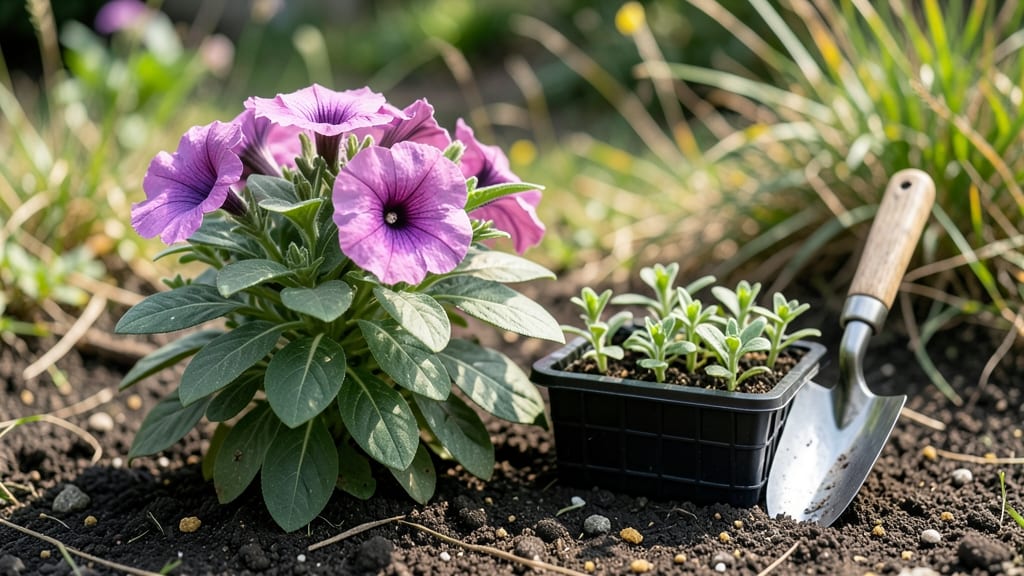
Planting petunias in flower beds turns a blank space into a riot of color that lasts all summer. 🌸 I’ve learned that the key isn’t just dropping them in—it’s prepping the soil, spacing them right, and giving them the sunlight they crave.
My first attempt ended with sad, leggy plants, but now I’ve got a foolproof method that works every time.
The secret starts with well-draining soil mixed with compost—petunias hate soggy roots. Space them 12-18 inches apart so they get airflow and room to spread, and plant them just deep enough so the top of the root ball sits level with the soil.
Most beginners over-plant or bury them too deep, and that’s how you get flops instead of blooms.
Once they’re in, keep the soil moist but not soggy for the first two weeks. Within 3-4 weeks, you’ll see those vibrant flowers opening up, and they’ll keep blooming until frost if you deadhead spent blooms regularly.
The payoff? A flower bed that looks like a pro designed it—no green thumb required.
This works for in-ground beds, raised beds, or even large containers. Whether you’re filling gaps in an existing border or creating a whole new display, petunias are the easy winner for instant color. Let’s get those roots in the dirt!
📚 In This Guide
- What you need
- Instructions
- Tips and common mistakes
- Wrapping up and next steps
What you need
- ● Petunia plants: 5–10 plants per square foot (depending on desired density). Choose compact or trailing varieties based on your flower bed design.
- ● Well-draining potting mix: 2–3 bags (1–2 cubic feet each) of high-quality, peat-based or coconut coir mix. Petunias hate soggy roots!
- ● Garden trowels or hand shovels: 1–2 medium-sized tools for digging holes (6–8 inches deep).
- ● Gloves: A pair of durable gardening gloves to protect your hands from soil and thorns.
- ● Watering can or hose with a gentle spray nozzle: For even hydration without disturbing the soil.
- ○ Fertilizer (optional but recommended): A balanced, water-soluble fertilizer (10-10-10 or 20-20-20) for initial planting.
- ● A slow-release granular fertilizer (like Osmocote) for ongoing nutrition.
- ● Mulch: 1–2 bags of organic mulch (e.g., shredded bark or straw) to retain moisture and suppress weeds.
- ● Epsom salt: 1–2 tablespoons per plant to boost magnesium (great for vibrant blooms!).
- ● Plant stakes or cages: For trailing varieties to keep them contained.
- ● Compost: Mix 1–2 cups into the soil for extra nutrients.
- ● Soil pH tester: To ensure your soil is slightly acidic (pH 6.0–7.0).
- ● Plant labels: To track varieties if you’re mixing colors or types.
Step-by-Step guide for planting petunias in flower beds
Here's how I make petunias thrive—simple steps for vibrant blooms all season.
🌱 Step 1: Prepare the Flower Bed Soil
Clear the area of weeds and debris, then loosen the soil to a depth of 6 inches with a garden fork. Petunias love well-draining soil, so mix in 2-3 inches of compost or aged manure to enrich it. I like to work in a handful of perlite too—it keeps roots aerated and prevents waterlogging.
Rake the surface smooth but not compacted. You'll know it's ready when it crumbles easily between your fingers. If your soil feels heavy or clay-like, add a thin layer of sand to improve drainage before planting. This prep ensures roots establish quickly and blooms last longer.
☀️ Step 2: Choose the Right Planting Location
Petunias crave full sun—at least 6-8 hours daily—for their best color and longest bloom time. Scan your flower bed for spots where sunlight lingers longest. I always plant mine where morning sun warms the soil but afternoon shade keeps leaves from scorching in hot climates.
Space plants 12-18 inches apart for trailing varieties or 10-12 inches for bush types. Crowding leads to weak stems and fewer flowers. Mark planting spots with small sticks or a garden hose outline to visualize spacing before digging.
🪴 Step 3: Plant Petunias at the Correct Depth
Gently remove petunias from their containers, tease apart crowded roots, and place each plant in its hole so the top of the root ball sits even with the soil surface. Pressing the soil too deep can suffocate stems, while planting too high leaves roots exposed.
Fill the hole with soil, firm lightly around the base, and water immediately to settle everything. The first watering should penetrate 4-6 inches deep—check by poking a finger into the soil. This ensures roots make contact with moist earth right away.
💧 Step 4: Water Deeply and Mulch
Water thoroughly after planting, then again every 2-3 days until established. Petunias wilt fast in dry soil, but overwatering causes root rot. You'll know moisture is right when the top inch feels damp but not soggy.
Spread 1-2 inches of mulch (like shredded bark or straw) around each plant, keeping it 2 inches away from stems. Mulch locks in moisture, regulates soil temperature, and suppresses weeds. Replenish as it breaks down—this keeps roots consistently happy.
✂️ Step 5: Maintain for Continuous Blooms
Deadhead spent blooms weekly by pinching off faded flowers with your fingers or small pruners. This encourages nonstop new blooms instead of energy going to seed production. I check petunias every morning—removing just a few flowers makes a huge difference.
Fertilize lightly every 4-6 weeks with a balanced 10-10-10 formula or a bloom booster. Too much fertilizer leads to leafy growth over flowers. Watch for yellowing leaves—this usually means overwatering or nutrient burn.
Tips & tricks for planting petunias in flower beds
Let me save you from the common mistakes I made when I first tried planting petunias—these small tweaks make all the difference between average blooms and showstopping color.
Soil Prep Secret: When loosening that 6-inch depth of soil in Step 1, don't just dig—work in the compost and perlite until it's evenly distributed. I learned this the hard way after seeing roots struggle in pockets of pure soil. Think of it like mixing flour into batter: you want everything blended so roots can grow through it easily. The compost should look like dark streaks throughout the entire prepared area, not just clumps in one spot.
Sunlight Strategy: That 6-8 hours of full sun in Step 2 is non-negotiable, but here's what nobody tells you: morning sun is your friend, while afternoon sun can be brutal. If you're in a hot climate, consider planting petunias where they get morning sun and afternoon shade—this prevents the leaves from scorching while still giving them enough light to bloom beautifully. I've seen petunias wilt dramatically in the afternoon heat, even when they had plenty of morning sun.
Planting Depth Visual: For Step 3, imagine the root ball as a donut—the top should sit level with the soil surface, like the top of a donut sitting on a plate. Too deep and you'll smother the stems; too high and roots will dry out. I use a small stick to mark the depth before planting, then check it against the root ball to make sure I'm getting it right every time. This simple trick prevents one of the most common planting mistakes.
Watering Wisdom: After planting, that first 4-6 inch deep watering in Step 3 is crucial, but here's how to do it right: use a garden trowel to poke holes around the plant, then pour water into those holes. This ensures water reaches the roots where it matters most. For the 2-3 day watering schedule in Step 4, I've found that watering in the morning gives roots all day to absorb moisture before the evening heat. And always check that top inch—it should feel damp but not soggy, like a wrung-out sponge.
Pro Tips for Plant Petunias In Flower Beds
- Let me save you from the common mistakes I made when I first tried planting petunias—these small tweaks make all the difference between average blooms and showstopping color.
- Soil Prep Secret: When loosening that 6-inch depth of soil in Step 1, don't just dig—work in the compost and perlite until it's evenly distributed.
- Sunlight Strategy: That 6-8 hours of full sun in Step 2 is non-negotiable, but here's what nobody tells you: morning sun is your friend, while afternoon sun can be brutal.
Frequently asked questions
Got questions about planting petunias? You’re not alone! Here are answers to the most common concerns—from timing to troubleshooting—so you can grow a stunning flower bed with confidence.
When is the best time to plant petunias in my flower bed?
For warm-season petunias, plant after the last frost when soil temps hit 55°F+ (usually late spring). In zones 8-11, you can plant as early as February or even year-round! For cooler climates, start seeds indoors 8-10 weeks before the last frost or buy transplants in spring. Pro tip: Use a soil thermometer to check—petunias hate cold feet!
How long does it take for petunias to bloom after planting?
With proper care, petunias often bloom 6-8 weeks after planting. For faster results, choose pre-blooming transplants from nurseries—they’ll reward you with color in 4-6 weeks! Deadhead spent blooms regularly to encourage nonstop flowers. Patience pays off: Some varieties, like Supertunia, may take slightly longer but offer months of vibrant blooms.
What pests or diseases should I watch for with petunias?
Petunias are generally tough, but keep an eye out for aphids, spider mites, and earwigs (they chew leaves!). Fungal issues like powdery mildew or botrytis can strike in humid weather—improve airflow and avoid overhead watering. Quick fix: Spray with neem oil or insecticidal soap at the first sign of trouble. Healthy soil (rich in compost) builds natural resistance!
Can I plant petunias with other flowers, and if so, which ones?
Petunias thrive in companion plantings. Pair them with salvias, marigolds, or snapdragons for height contrast, or tuck them near low-growing herbs like thyme. Avoid planting with tomatoes or potatoes—they share pests. Design tip: Use trailing petunias (like Wave varieties) in hanging baskets or along borders to spill over edges beautifully.
How often should I water petunias, and do they need special care in heat?
Water petunias deeply 1-2 times per week (more in extreme heat or sandy soil). They wilt fast when thirsty—check soil moisture 1 inch down before watering. In summer, mulch with straw or shredded bark to retain moisture. Heat hack: Water in the early morning to prevent fungal issues from evening dampness.
Why aren’t my petunias blooming, even though they look healthy?
Lack of blooms often means too much nitrogen (focus on phosphorus/potassium fertilizers) or overcrowding. Prune leggy stems to encourage bushier growth, and ensure they get 6+ hours of sun daily. Bonus: Pinch back new growth by 1/3 when plants are 6 inches tall to trigger more flowers!
Wrapping up and next steps
Planting petunias in your flower beds is a rewarding way to add vibrant color and life to your outdoor space! With the right preparation—well-draining soil, sunny spots, and consistent care—your petunias will thrive and bloom beautifully. 🌸
Now that you’ve got the know-how, roll up your sleeves and get planting! Start small if you’re new, and don’t forget to deadhead spent blooms to encourage even more flowers. For extra flair, mix petunias with complementary plants like marigolds or salvias. Happy gardening—your future blooms will thank you! 🌿✨