
Planting
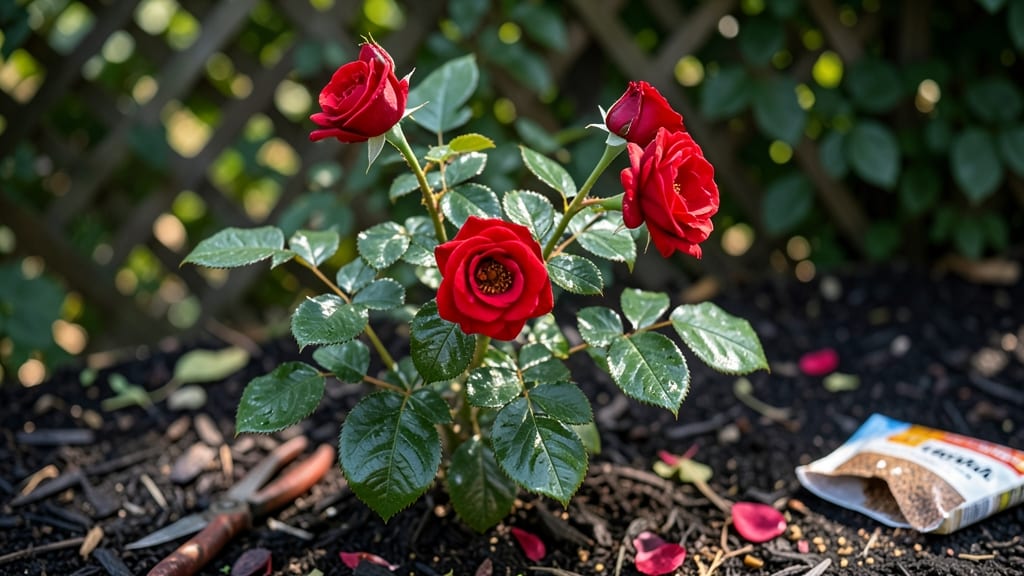
To make rose plants flower, start with sharp pruners and a sunny spot—this is where the magic begins. 🌹 I’ve watched roses go from sparse stems to blooming bushes just by changing how and when I prune them.
The key isn’t just cutting branches; it’s understanding which buds will become flowers and which won’t.
Most gardeners overlook the 5-degree angle cut above an outward-facing bud—this small detail makes all the difference. You’ll also need balanced fertilizer (high phosphorus for blooms) and consistent watering, but the pruning is where you’ll see the biggest transformation in just 4-6 weeks.
By summer, you’ll have clusters of blooms instead of leggy stems. The secret? Prune at the right time (early spring or after blooming) and remove spent flowers to encourage new growth. Even my first attempt last year produced three times more blooms than before.
This works for both bush and climber roses—just adjust the pruning intensity. Now, let’s get those roses blooming like crazy.
📚 In This Guide
- What you need
- Instructions
- Tips and common mistakes
- Wrapping up and next steps
What you need
- ● Pruning shears or secateurs – Sharp, clean, and disinfected (rubbing alcohol works!). Bypass-style shears are ideal for clean cuts.
- ● Gloves – Heavy-duty gardening gloves (thorns are no joke! 😅). Opt for leather or reinforced fabric for extra protection.
- ● Disinfectant (bleach or hydrogen peroxide) – 1 part bleach to 9 parts water (or 3% hydrogen peroxide) to sterilize tools between cuts.
- ○ Pruning sealant (optional but helpful) – A tree wound paint or beeswax-based sealant to prevent disease entry on larger cuts.
- ● Garden twine or rubber bands – For temporarily securing overgrown or leggy stems during pruning.
- ● Sharp knife or pruning saw – For thicker stems (over ½ inch in diameter). Avoid dull tools!
- ● Know your rose type – Hybrid teas, floribundas, climbers, and shrub roses all have unique pruning needs. Research or ask a local nursery for guidance!
- ● Right timing – Prune in early spring (before new growth) or late winter (varies by climate). Avoid pruning in fall or during frost.
- ● Healthy plant check – Ensure your rose is free of pests/diseases (like black spot or aphids) before pruning. Treat first if needed!
- ● Sunlight & water access – Roses need 6+ hours of sunlight daily and well-draining soil. Adjust care post-pruning if conditions are lacking.
- ● Fertilizer (balanced rose food) – Look for a 10-10-10 or 5-10-5 NPK ratio to encourage blooms. Apply 4-6 weeks after pruning.
- ● Mulch (compost or straw) – Helps retain moisture and regulate soil temperature. Apply a 2-3 inch layer around the base (keep it away from the stem).
- ● Plant supports (for climbers) – Trellises, cages, or stakes if your rose needs guidance to grow upward.
- ● Notebook or camera – To track pruning progress and note which cuts worked best for your specific rose!
Step-by-Step pruning guide for encouraging rose blooms
Here's how I coax roses into abundant, healthy flowers every season.
✂️ Step 1: Time Your Pruning for Maximum Impact
Prune your roses in early spring, just as new growth begins—usually 2-4 weeks before your last frost date. This timing ensures the plant has time to recover before summer's heat. Look for swollen buds on the canes; these signal the plant is waking up from dormancy and ready for shaping.
If you missed spring, late winter pruning still works, but avoid pruning in fall or winter when the plant is dormant. Cold temperatures stress freshly cut canes. I always prune on a dry, overcast day to prevent sap bleeding and reduce stress on the plant.
✂️ Step 2: Cut Back Old Wood for New Growth
Remove dead, diseased, or crossing branches first—these compete with healthy growth. Cut all the way back to the base if a cane is completely dead. For live but unproductive canes, make your cuts just above an outward-facing bud, about ¼ inch above the bud. This encourages new growth that will bloom better.
I like to shape the plant into an open vase form—this improves airflow and sunlight penetration, which reduces fungal diseases. Never leave stubs; always cut cleanly at a 45-degree angle just above the bud. The angle helps rainwater run off instead of pooling and rotting the cut.
☀️ Step 3: Encourage Airflow and Sunlight Access
Thin out crowded branches to create space between canes—aim for 3-4 inches of space between them. This prevents humidity buildup in the center, which invites black spot and powdery mildew. Look for branches growing inward; these should go first. You'll see the plant's natural shape emerge as you remove competing growth.
After pruning, step back and visualize sunlight reaching all parts of the plant. If shadows remain in the center, remove more branches. I often prune in stages if the plant is heavily overgrown—taking out a third of the wood one year, another third the next, and finishing the third year. This prevents shock to the plant.
💧 Step 4: Feed and Hydrate for Post-Pruning Recovery
Apply a balanced rose fertilizer (10-10-10 or similar) right after pruning to give the plant energy for new growth. Water deeply—1-2 inches per week—to help roots recover from the stress of pruning. The soil should feel moist 6 inches down after watering. Mulch around the base with 2-3 inches of organic mulch to retain moisture and regulate soil temperature.
Watch for new pinkish shoots emerging from the buds within 2-3 weeks. These are your signal that the plant is responding well. If no new growth appears after 4 weeks, the plant may need more fertilizer or better drainage. I always add a handful of compost to the soil at this stage to boost microbial activity.
Tips & tricks for perfect rose pruning
Here's what nobody tells you about pruning roses that actually makes a difference.
Timing is Everything: Those swollen buds in Step 1 are your golden ticket—don't prune before they appear! I've learned the hard way that pruning too early means you're cutting off potential blooms. If your last frost date is March 15th, aim to prune by March 1st. This gives your roses the full 2-4 weeks they need to recover before summer heat arrives. And remember, overcast days are ideal because they reduce sap bleeding and stress on the plant.
The 45-Degree Angle Secret: In Step 2, that angled cut above the outward-facing bud isn't just decoration—it's science! The angle prevents water from pooling at the cut, which would otherwise rot the cane. I use a sharp pair of pruners to make clean cuts, and always cut just above the bud. This encourages new growth to emerge from that exact spot, giving you more blooms. Think of it like directing traffic for your plant's energy.
Visualizing Sunlight Pays Off: Step 3's advice about spacing canes 3-4 inches apart isn't just about looks—it's about creating a rose bush that can actually support itself. When I step back after pruning, I imagine sunlight as arrows hitting every part of the plant. If you see shadows in the center, that's where you need to remove more branches. This simple visualization has helped me transform dense, disease-prone bushes into open, airy structures that produce more flowers.
Post-Pruning Recovery Hack: That 2-3 inches of mulch in Step 4 isn't just decoration—it's insulation! The mulch helps regulate soil temperature and retain moisture, which is especially important during those first critical weeks after pruning. I've found that adding compost at this stage gives the roots a nutrient boost they desperately need. And don't forget to check for those pinkish shoots in 2-3 weeks—they're your plant's way of saying "thank you" for the proper care.
Pro Tips for Make Rose Plant Flower
- Here's what nobody tells you about pruning roses that actually makes a difference.
- Timing is Everything: Those swollen buds in Step 1 are your golden ticket—don't prune before they appear!
- The 45-Degree Angle Secret: In Step 2, that angled cut above the outward-facing bud isn't just decoration—it's science!
Frequently asked questions
Got questions about coaxing those dreamy roses into bloom? You’re not alone! Here are some of the most common queries—and their answers—to help you grow a stunning rose garden.
Why isn’t my rose plant flowering this year?
Roses often skip blooms due to over-pruning, poor nutrition, or lack of sunlight. Check your pruning timing—cutting too late in the season or removing too many canes signals the plant to focus on growth, not flowers. Also, ensure it gets 6+ hours of sunlight daily and feeds with rose-specific fertilizer (high in phosphorus).
How long does it take for roses to flower after pruning?
Most roses bloom 6–12 weeks after proper pruning, depending on the variety and season. Hybrid teas and grandifloras are faster (6–8 weeks), while climbing roses may take longer (8–12 weeks). Patience is key—consistent care (water, sunlight, fertilizer) speeds up the process!
Can I make roses flower indoors?
Yes, but with careful adjustments. Use a sunny windowsill (south-facing) or grow lights for 12+ hours/day. Prune lightly to encourage branching, and use a well-draining potting mix with slow-release fertilizer. Miniature roses and patio varieties adapt best to indoor life!
Do roses need winter care to flower better next year?
Protect roses from freezing temps with mulch (6–8 inches) and burlap wraps in harsh climates. Avoid heavy pruning in late fall—wait until early spring (when buds swell). Healthy roots = more blooms next season!
What if my roses keep blooming but never stay open?
This often signals stress—check for pests (aphids, spider mites), disease (black spot, powdery mildew), or underwatering. Deadhead spent blooms daily to redirect energy, and apply Epsom salt (1 tbsp/gallon) monthly for magnesium boosts. A balanced fertilizer also helps!
Wrapping up and next steps
Growing roses that burst into vibrant, abundant blooms is entirely within your reach! By mastering the art of pruning, sunlight exposure, and seasonal care, you’ll transform your rose plant into a flowering powerhouse.
Remember: patience and consistency are key—your hard work will pay off with stunning petals that brighten every season.
Ready to see those first blossoms? Start by booking a spot in your garden or grabbing your pruning shears today! Share your progress with fellow gardeners—your journey inspires others to bloom too. 🌸✨