
Shrubs
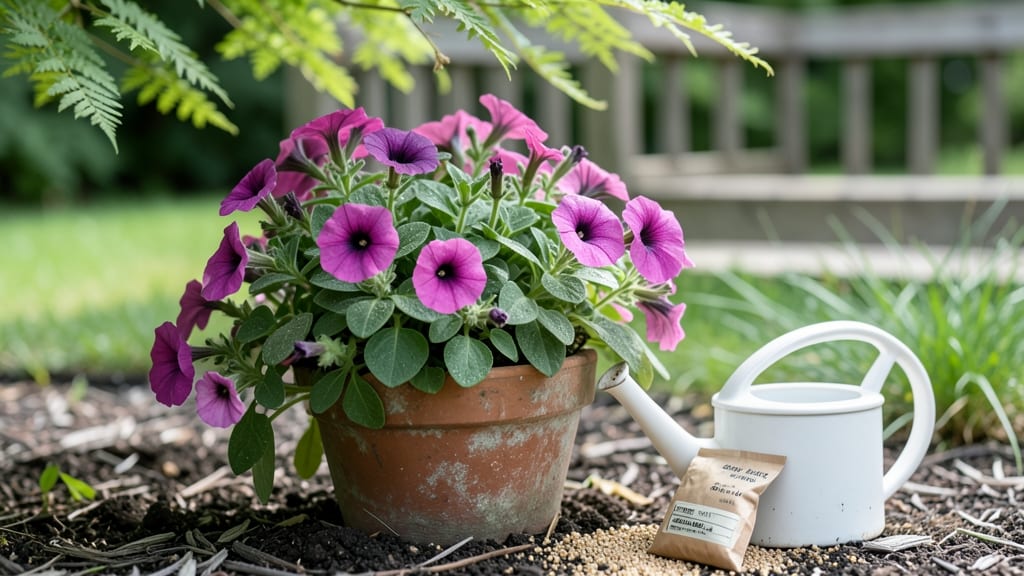
Keeping petunias flowering nonstop starts with one simple habit: deadheading daily—it’s the secret weapon behind those cascading blooms that never quit. 🌸 I’ve seen petunias go from sparse, leggy plants to overflowing with color just by snipping spent flowers every morning.
The key isn’t just cutting—it’s timing, watering, and a few other tricks that keep them blooming until frost.
You’ll need shears or clean scissors, a balanced fertilizer (like 10-10-10), and a watering can with a gentle spray nozzle. Most petunias thrive in 6+ hours of sunlight, but afternoon shade in hot climates prevents wilting.
Overwatering is the #1 killer—let the top inch of soil dry between waterings, and always water at the base to avoid fungal issues.
By deadheading regularly, you’ll trigger a second wave of blooms within 7-10 days, and the plants stay compact instead of stretching. The flowers won’t just multiply—they’ll be bigger, brighter, and last longer. Plus, you’ll skip the sad, browned blooms that ruin the look.
This method works for trailing, grandiflora, and multiflora petunias, whether in pots or garden beds. The only downside? Winter. Once temperatures drop below 40°F, petunias go dormant—so save those healthy plants for next season by digging up tubers or bringing containers indoors.
📚 In This Guide
- What you need
- Instructions
- Tips and common mistakes
- Wrapping up and next steps
What you need
- ● Petunia plants – Choose healthy, disease-free varieties (e.g., Petunia × hybrida or Petunia axillaris) from a nursery or garden center.
- ● Garden shears or clean scissors – Sharp, sterilized tools (rubbing alcohol wipe-down works!) for precise deadheading.
- ● Well-draining potting mix or garden soil – Aim for a blend rich in organic matter (e.g., compost or peat-based mix).
- ● Containers or garden bed – For containers: 12–18" pots with drainage holes (1 plant per 6" of pot diameter).
- ● For garden beds: Full sun (6+ hours/day) and loose, fertile soil.
- ● Balanced liquid fertilizer – Look for a 10-10-10 or 20-20-20 NPK ratio (diluted to half-strength).
- ● Watering can or hose with a gentle spray nozzle – Avoid soaking the foliage to prevent fungal issues.
- ○ Gloves (optional but recommended) – Protects hands from thorns (some varieties) and dirt.
- ● Slow-release fertilizer pellets – Mix into soil at planting for steady nutrition.
- ● Mulch (e.g., straw or shredded bark) – Retains moisture and regulates soil temperature.
- ● Epsom salt (magnesium sulfate) – 1 tbsp per gallon of water monthly for vibrant blooms.
- ● Shade cloth (30–50%) – For hot climates to prevent wilting (use during peak afternoon sun).
- ● Compost tea or fish emulsion – Organic boost for soil health and blooming.
Step-by-Step guide to maximizing Petunia blooms
Here's the method I've used to keep petunias flowering continuously all season long.
🌿 Step 1: Understand the Flowering Cycle
Petunias produce flowers on new growth, not old wood. When you see a spent bloom, it's already set seeds and will stop producing new flowers unless you act quickly. The key is to remove faded blooms before they form seed pods—this redirects the plant's energy into creating more flowers instead of seeds.
I always check my petunias for spent blooms first thing in the morning. The petals will look wilted and brown at the edges, while fresh blooms remain crisp and vibrant. This daily habit saves me from having to play catch-up later in the season.
✂️ Step 2: Deadhead Properly for Continuous Blooms
Use clean, sharp pruners or your fingers to pinch off faded blooms at the base of the flower stem. Don't just pluck off the top—cut below the first set of leaves where the bloom attached to the stem. This ensures you're removing the entire flower head where seed development begins.
I like to work systematically, moving from plant to plant in rows. For trailing petunias, I use my thumb and forefinger to gently pinch off spent blooms without disturbing the delicate stems. The goal is to remove the old bloom while leaving the new growth intact—this encourages more buds to form.
💧 Step 3: Maintain Proper Watering and Fertilization
Petunias need consistent moisture to keep flowering strong. Water deeply in the morning so the soil stays evenly moist but not soggy. The top inch of soil should feel slightly dry to the touch before watering again. Overwatering causes root rot, while underwatering stresses plants and reduces blooms.
Feed your petunias with a balanced, water-soluble fertilizer every 2 weeks during the growing season. I use a 10-10-10 formula diluted to half-strength. The extra nutrients support continuous flowering and help the plants recover quickly after deadheading. Always water thoroughly after fertilizing to prevent root burn.
☀️ Step 4: Provide Optimal Light and Prune Strategically
Petunias thrive in full sun—at least 6-8 hours of direct sunlight daily. If your plants start looking leggy or producing fewer blooms, they might need more light. Move containers to a sunnier spot or supplement with a grow light if indoors.
Lightly prune leggy stems to encourage bushier growth. Cut back stems that have lost their lower leaves to just above a set of healthy leaves. This pruning stimulates new growth from the base, which produces more flowers. I always prune in the morning so plants have time to recover before evening temperatures drop.
🌱 Step 5: Watch for Pests and Diseases
Regularly inspect your petunias for common pests like aphids, spider mites, or whiteflies. These pests weaken plants and reduce flowering. I spray plants with a strong stream of water to dislodge pests, or use neem oil for severe infestations. Early detection is key—treat problems immediately before they spread.
Remove any yellowing or diseased leaves promptly. These can harbor fungal infections that spread quickly in warm, humid conditions. I always sterilize my pruners with rubbing alcohol between cuts to prevent cross-contamination. Healthy foliage means more energy for flower production.
Tips & tricks for maximizing Petunia blooms
Here's what nobody tells you about keeping petunias in peak bloom all season.
The Morning Advantage: I've learned this the hard way after noticing my afternoon-deadheaded petunias never recovered as well. The cooler morning temperatures and higher humidity reduce plant stress during deadheading. Plus, you'll catch any overnight pests before they spread—aphids and spider mites love to hide in those spent blooms.
Precision Deadheading: The exact spot matters more than you'd think. Cut just above the first set of leaves where the flower stem meets the main stem—this is where new buds form. I always make clean cuts with sharp pruners to minimize damage to the plant. For trailing varieties, use your fingers to pinch rather than cut to avoid tearing delicate stems.
Fertilizer Timing: That 2-week fertilization schedule in Step 3 works perfectly, but here's the secret: always fertilize immediately after watering in the morning. This prevents root burn from concentrated fertilizer salts. I also mix my fertilizer with water in a spray bottle for even distribution—no drips wasted on the soil surface.
Light Adjustments: The 6-8 hours of sunlight requirement is non-negotiable, but here's how I handle partial shade situations: rotate your containers every few days to ensure all sides get equal light exposure. For indoor petunias, supplement with a grow light placed 6-12 inches above the plants for 12-14 hours daily during short daylight months.
Pro Tips for Keep Petunias Flowering
- Here's what nobody tells you about keeping petunias in peak bloom all season.
- The Morning Advantage: I've learned this the hard way after noticing my afternoon-deadheaded petunias never recovered as well.
- Precision Deadheading: The exact spot matters more than you'd think.
Frequently asked questions
Got questions about keeping your petunias blooming all season?
Here are answers to the most common concerns—from timing to troubleshooting—so you can enjoy those vibrant flowers without the guesswork!
1. How often should I deadhead petunias for continuous blooms?
Deadhead daily (or at least every other day) during peak bloom season (spring/summer) to encourage nonstop flowers. For cooler months, reduce to 2–3 times per week. Use clean pruners or pinch spent blooms by hand—no need to wait for them to wilt!
2. What’s the best time of day to deadhead petunias?
Morning is ideal! Deadheading in the early hours (before 10 AM) gives flowers the full day to recover and prevents wilting. Avoid evening sessions, as damp petals can attract pests or diseases. Pro tip: Work when blooms are dry for cleaner cuts.
3. Why do my petunias stop flowering even after deadheading?
Common culprits include:
- Overcrowding: Thin plants if growth looks leggy (trim back 1/3 of stems).
- Underwatering: Petunias need consistent moisture—1 inch per week (more in heat).
- Poor nutrition: Yellow leaves? Switch to a balanced, water-soluble fertilizer (10-10-10) every 2 weeks.
- Pests/disease: Check for aphids or powdery mildew (treat with neem oil or fungicide).
4. Can I deadhead petunias in pots or hanging baskets?
Just use small scissors or your fingers to avoid damaging nearby blooms. For hanging baskets, deadhead from the bottom up to prevent weight stress. Trim back leggy stems to encourage bushier growth—this works for both trailing and mounding varieties!
5. Do petunias need a special fertilizer to keep blooming?
Yes! Use a high-phosphorus fertilizer (like 5-10-5 or 7-9-5) to boost blooms, but avoid nitrogen-heavy feeds (like 10-6-4)—that promotes foliage over flowers. Feed every 2 weeks during active growth (spring–fall) and reduce in winter. Organic options like fish emulsion or compost tea work too!
Wrapping up and next steps
Keeping your petunias blooming nonstop is all about consistency—deadheading daily, feeding them right, and giving them the perfect growing conditions. With a little effort, your garden will burst with vibrant color all season long! 🌸
Ready to transform your space? Start today—grab your pruners and get deadheading! For extra tips, check out our petunia care guide to keep those blooms coming.