
Flowers
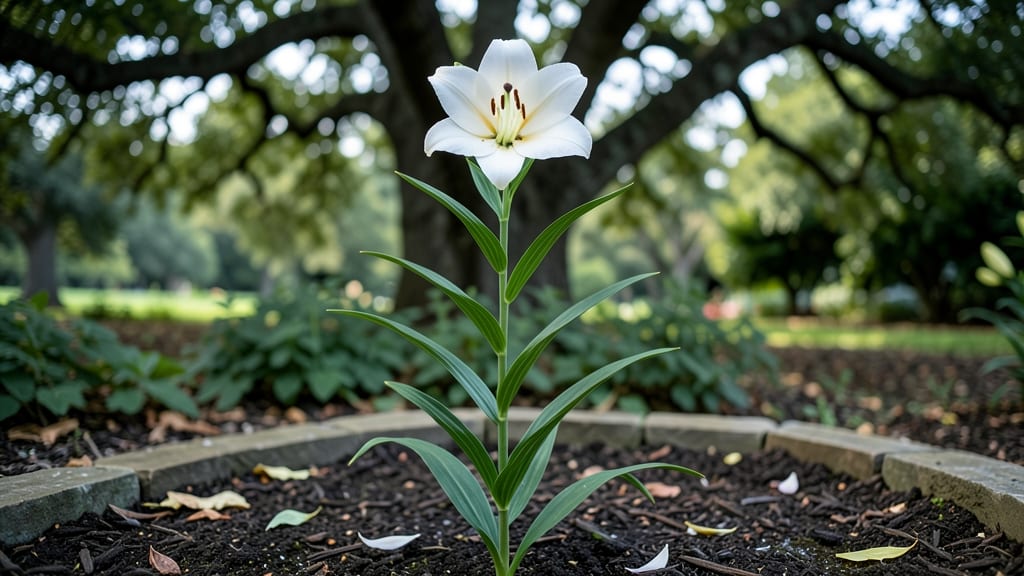
Your lily flower stems could be the star of your Pacific Northwest garden—if you prune them at the right time. The difference between a lush, repeat-blooming plant and a floppy, spent mess comes down to sharp timing, sturdy supports, and knowing when to cut.
I’ve watched my own lilies go from scraggly to showstopping by mastering these simple but critical steps.
Here’s the game-changer: prune dead blooms immediately after they fade, but never cut more than one-third of the stem at once. For Asiatic lilies, that means snipping spent flowers in early summer to encourage a second flush.
Oriental lilies, though, need their stems left until they fully die back—this prevents winter rot in our damp climate. And don’t forget staking: tall stems need bamboo stakes or spiral ties by late spring, before the buds swell.
By late fall, your goal shifts to winter prep. Cut back all foliage to ground level only after it turns brown, leaving no stems above soil. Mulch heavily with straw or shredded leaves to insulate the crown from our freezing, wet winters.
The payoff? Next spring, you’ll see fresh shoots pushing through soil that’s still damp but not waterlogged—exactly what lilies crave.
This method works for both ornamental lilies and daylilies, though daylilies are far more forgiving. The key is consistency: prune early, stake early, and protect early. Your garden will thank you with blooms that outshine every neighbor’s.
📚 In This Guide
- What you need
- Instructions
- Tips and common mistakes
- Wrapping up and next steps
What you need
- ● Lily bulbs: Choose hardy varieties like Lilium canadense or Lilium superbum (10–20 bulbs, depending on desired coverage). Opt for USDA Zone 5–8 rated bulbs for winter resilience.
- ● Well-draining soil mix: 50% native soil + 50% compost or peat moss (avoid heavy clay). Add 1 cup perlite or sand per 5 gallons of soil for aeration.
- ● Organic mulch: 2–3 inches of straw or wood chips (avoid leaves—they compact and rot).
- ● Balanced fertilizer: 10-10-10 or 5-10-10 (apply 1 tbsp per bulb at planting time).
- ● Pruning shears: Bypass-style (sharp, clean cuts) with 4–6 inch blades.
- ● Garden gloves: Heavy-duty, waterproof (to protect from thorns and soil-borne pathogens).
- ● Hand trowel: 6-inch stainless steel for digging.
- ● Watering can: 1–2 gallon capacity with a rose nozzle (for gentle hydration).
- ○ Plant support: Optional—3–4 ft bamboo stakes or cage-like trellises for tall stems (e.g., Lilium martagon).
- ○ Fungicide spray: Optional but recommended—copper-based (e.g., Copper Soap) to prevent botrytis blight in damp PNW winters.
- ● Thermometer: Soil thermometer to monitor root zone temps (ideal: 40–60°F for dormancy).
Step-by-Step guide for pruning lily flower stems in the Pacific Northwest
Here's the method I've used for years to keep lilies thriving through our rainy winters.
Identify and Mark Healthy Stems for Pruning
Wait until late fall, after the first hard frost but before ground temperatures drop below 30°F. This timing ensures lilies have stored enough energy in their bulbs for next season. Look for stems that have completely browned and dried—they should crumble easily when touched. Avoid cutting green or partially wilted stems; these still hold moisture and invite rot.
Use a sharp pair of pruners to make clean cuts. Mark stems with a small flag or note their location if you're unsure which ones to remove. I like to tie a thin ribbon around stems I've identified—it's a visual cue that prevents accidental cutting later. Never remove more than one-third of the stems at once, as lilies rely on the remaining foliage to photosynthesize through winter.
Cut Stems at the Base with Precision
Hold the pruners at a 45-degree angle, about ½ inch above the soil line. This angle prevents water from pooling on the cut, which can cause rot. If you're pruning after snowfall, wait until the ground thaws—cutting frozen stems can damage the bulb below. I always prune on a dry, overcast day to reduce stress on the plant.
Dispose of pruned stems immediately. Leaving them near the plant can harbor pests or diseases over winter. If you're composting, bury the stems deeply where they won't be disturbed. For diseased stems, bag and discard them in yard waste—never add them to compost piles. After cutting, give the area a light 1-inch layer of mulch to insulate the bulbs and retain moisture.
Monitor and Adjust for Winter Conditions
Check your lilies once a month through winter, especially after heavy rain or snow. If stems re-sprout unexpectedly (a sign of mild winter), trim them back immediately to ¼ inch above the bulb. This prevents energy loss and keeps the plant focused on bulb storage. In the Pacific Northwest, where winters are wet and chilly, lilies often benefit from an extra 2-inch layer of mulch after the first frost to protect against temperature swings.
Watch for mold or soft rot at the base of stems—this is a red flag for overwatering or poor drainage. If you notice slimy, discolored areas, remove the affected stems and improve drainage by amending the soil with ½ inch of coarse sand or perlite. Lilies in containers may need slightly less mulch to prevent waterlogging, so adjust based on your setup.
Prepare for Spring Growth and Renewal
By early March, when daytime temperatures consistently reach 50°F, stop adding mulch. Lilies need warmth to break dormancy, and excess mulch can delay sprouting. Gently rake back any remaining mulch to expose the soil—this also helps prevent slugs, which thrive in damp, mulch-heavy areas. I like to add a slow-release bulb fertilizer at this stage to give the lilies a nutrient boost for the growing season ahead.
New shoots should emerge within 2-3 weeks. If you don’t see growth by mid-April, check for bulb rot or pests like lily beetles. Healthy lilies will push through the soil with bright green, upright leaves. Once you spot the first shoots, reduce watering slightly—overwatering at this stage can lead to weak stems. Instead, water deeply once a week to encourage strong root development.
Tips & tricks for pruning lily flower stems in the Pacific Northwest
Pruning lilies in our rainy climate takes some finesse—here’s how to do it right without stressing your plants.
Timing is Everything: The window between the first hard frost and when ground temps drop below 30°F is your golden opportunity. I’ve seen lilies suffer when pruned too early—they still hold moisture and rot easily. Wait until stems are completely brown and crumbly, like dry straw, before cutting. If you’re unsure, do a "squeeze test": healthy stems should break apart with minimal pressure.
Precision Cutting Prevents Rot: That 45-degree angle in Step 2 isn’t just for looks—it’s about water drainage. When you cut at a slant, rainwater runs off instead of pooling on the bulb. I’ve ruined bulbs by cutting straight across, so always angle those pruners. And if you’re pruning after snow? Wait until the ground thaws completely—frozen soil can damage the bulb below.
Mulch Like a Pro: The 1-inch layer after pruning is non-negotiable, but don’t overdo it. In our wet winters, lilies in containers need less mulch (½ inch max) to prevent waterlogging. For in-ground plants, add that extra 2-inch layer after the first frost—it’s like putting a cozy blanket on your bulbs. Just remember: by early March, when temps hit 50°F, it’s time to pull back the mulch so warmth can wake up those dormant bulbs.
Winter Check-In Strategy: That monthly check isn’t just about re-sprouts—it’s your chance to spot trouble early. Slimy, discolored stems? That’s rot, and it spreads fast. Grab your pruners and trim it out immediately, then amend the soil with ½ inch of coarse sand or perlite to improve drainage. Think of it like a winter wellness check for your lilies.
Pro Tips for Lily Flower Stem
- Pruning lilies in our rainy climate takes some finesse—here’s how to do it right without stressing your plants.
- Timing is Everything: The window between the first hard frost and when ground temps drop below 30°F is your golden opportunity.
- Precision Cutting Prevents Rot: That 45-degree angle in Step 2 isn’t just for looks—it’s about water drainage.
Frequently asked questions
Got questions about caring for your lily flower stems—especially in the Pacific Northwest’s chilly climate? Here are some common concerns and straightforward answers to keep your blooms thriving:
When is the best time to prune lily stems after flowering?
Prune your lily stems after they’ve fully browned and died back, typically in late fall (October–November) for PNW winters. Avoid cutting too early—this helps store energy in the bulb for next year’s growth. If you’re in a milder microclimate, wait until early winter.
Should I cut back lily stems before winter in cold climates?
Yes! In the PNW’s harsh winters, trim stems to 3–4 inches above the ground after the first frost. This prevents snow accumulation, which can rot bulbs. Mulch heavily (4–6 inches) with straw or leaves for extra protection—just remove it in early spring to avoid soggy soil.
What do I do if my lily stems rot or turn mushy?
Mushy stems often signal overwatering or fungal issues. Act fast: Trim affected stems at the base, remove mulch temporarily to dry the soil, and apply a fungicide (like copper spray). Improve drainage by amending soil with perlite or sand. If rot persists, your lilies may need replanting in a sunnier, drier spot.
Can I propagate lilies from the stems or bulbs?
Stems can’t be propagated, but you can divide bulbs in early spring (March–April) or fall (September). Gently dig up clumps, separate offsets (baby bulbs), and replant 6–8 inches deep. Space them 12–24 inches apart for optimal airflow—this reduces disease risk and boosts future blooms!
How often should I fertilize lilies with stems?
Feed lilies twice a year: In early spring (March), use a balanced 10-10-10 fertilizer, and again after flowering (July) with a low-phosphorus option (like 5-10-10) to encourage strong stems. In the PNW, avoid fertilizing in fall—it can stimulate late growth vulnerable to frost damage.
Still stumped? Drop your lily stem dilemma in the comments—we’re happy to help!
Wrapping up and next steps
Caring for your lily flower stems in the Pacific Northwest’s chilly winters doesn’t have to be intimidating—just strategic! 🌱 By mastering the right pruning timelines, protecting stems from frost, and providing seasonal support, you’ll set the stage for stunning blooms year after year. Your garden’s future is in your hands!
Ready to take the next step? Start by marking your calendar for this year’s pruning deadlines and gather your tools—your lilies will thank you with vibrant, healthy growth. Happy gardening! 🌸