
Propagation
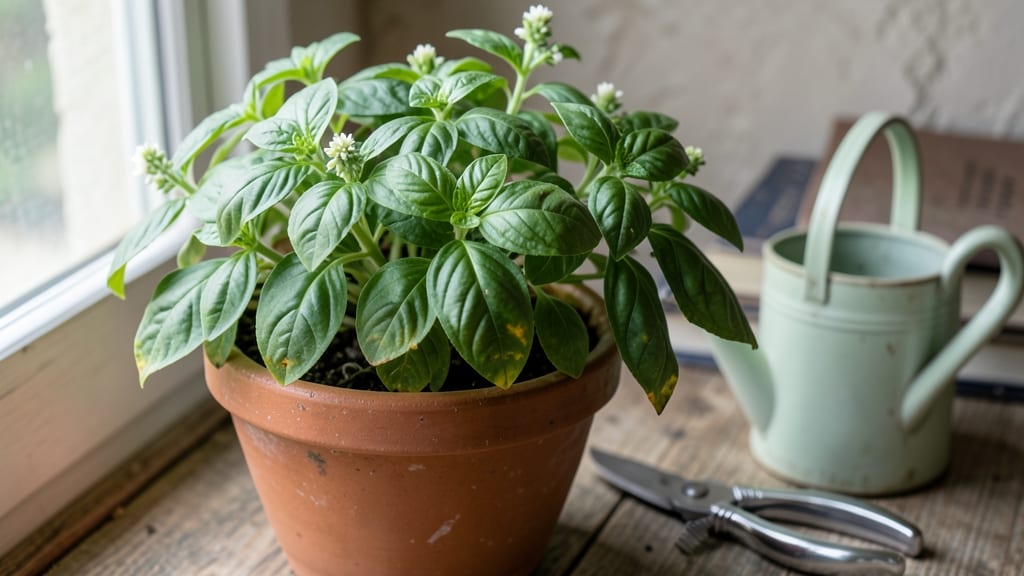
Keeping basil from flowering means more leaves and fewer seeds—here’s how to hack that growth cycle before it starts. 🌿 I’ve wrestled with bolting basil for years, and the key isn’t just pruning but understanding why it happens in the first place.
Basil flowers when it senses the end of its natural growing season, shifting energy from leaves to seeds. That’s when your once-lush plant turns woody and bitter, leaving you with sad little blooms instead of fresh pesto.
The fix starts with light—too much sun or heat triggers flowering, especially in summer. Move potted basil to partial shade during peak afternoon heat, and harvest leaves regularly to encourage new growth.
When you do prune, snip just above a set of leaves (never the stem’s base) to keep the plant bushy. This simple trick keeps basil productive for months, not weeks.
You’ll end up with glossy, dark-green leaves packed with flavor, not bitter stems and tiny white flowers. The secret is consistency: prune every 2-3 weeks, rotate pots for even light, and pinch off any flower buds the moment you see them.
That’s how you turn a $3 plant into a year-round herb machine.
Works for both indoor windowsill basil and outdoor garden pots—just adjust light exposure based on your climate. Once you master this, you’ll never buy basil again. Let’s get those leaves growing!
📚 In This Guide
- What you need
- Instructions
- Tips and common mistakes
- Wrapping up and next steps
What you need
- ● Healthy basil plant (potted or in-ground, preferably Genovese, Thai, or sweet basil varieties)
- ● Sharp pruning shears or clean scissors (sterilized with rubbing alcohol to prevent disease)
- ○ Gloves (optional but recommended) for hygiene, especially if handling multiple plants
- ● Well-draining potting mix (if repotting or propagating cuttings—cactus/succulent mix works well)
- ● Small pots or containers (4–6 inches deep) for cuttings (if propagating)
- ● Watering can or spray bottle (for gentle hydration)
- ● Fertilizer (balanced liquid or slow-release) (e.g., 10-10-10 or fish emulsion—diluted to half-strength)
- ● Grow lights or LED bulbs (if indoors, to extend daylight to 12–14 hours/day)
- ○ Rooting hormone (optional) for faster propagation of cuttings
- ● Plant food or compost tea for a nutrient boost
- ● Pruning log or notebook to track growth and flowering stages
Step-by-Step pruning guide to prevent basil flowering
Here's how to keep your basil producing tender leaves instead of flowers—no complicated tools needed.
🌿 Step 1: Identify and Remove Flower Buds Early
Basil flowers as a survival strategy, so you need to catch them before buds form. Check your plants every 3-5 days for tiny, swollen nodes where leaves meet stems. These are the first signs of flower buds—pinch them off immediately with your fingers or clean scissors.
Here's the thing—don't wait for buds to appear. Once they form, the plant starts redirecting energy toward flowers and seeds, and your leaves will turn bitter. I like to run my fingers along stems weekly to feel for any bumps. Basil grows fast, so you'll find new growth to check often.
If you spot a flower stalk already emerging, cut it back to the next set of leaves below it. The plant will focus on leaf production again, but you'll lose some growth. Prevention is easier than cleanup.
✂️ Step 2: Prune for Bushier Growth Weekly
Pinching off flower buds alone won't keep basil leafy forever. You need to encourage bushier growth by pruning the main stems. When your basil reaches about 6 inches tall, use clean scissors to cut just above a pair of leaves where new branches will form.
This is the moment that matters: always cut at a 45-degree angle above a leaf node. The angle helps water run off, and the leaf node contains growth hormones that will spur new side shoots. I make a habit of pruning on sunny mornings—plants recover faster when they have daylight to process the cut.
After pruning, you'll see new shoots emerge in 7-10 days. These side branches produce more leaves and delay flowering. Just keep an eye out for those early flower buds on these new stems too.
☀️ Step 3: Optimize Light and Nutrition
Basil flowers faster when it gets too much light or runs out of nutrients. Move your plant to a spot with 4-6 hours of morning sun and afternoon shade if it's flowering early. Too much direct sunlight stresses the plant and triggers flowering as a survival response.
Feed your basil with a balanced liquid fertilizer every 2-3 weeks during growing season. I use a 10-10-10 mix diluted to half strength. Over-fertilizing causes leaf burn, but under-fertilizing makes plants weak and more likely to flower. You'll know it's happy when new leaves appear bright green and crisp within a week after feeding.
Real talk: Basil needs consistent care. If you notice yellowing leaves, that's often a sign of nutrient deficiency or overwatering. Adjust your watering so the top 1-2 inches of soil dry out between waterings, but never let it get bone dry.
⏰ Step 4: Harvest Regularly to Encourage Leaf Production
Harvesting isn't just about getting fresh leaves—it's a pruning technique that keeps basil producing. Pinch off the top 1-2 inches of growth whenever stems get leggy or you need leaves for cooking. This stimulates the plant to grow more side branches.
I harvest basil in the morning when oils are at their peak. Cut just above a leaf node, and the plant will quickly send out new growth from that point. The more you harvest, the bushier your basil stays—and the less likely it is to flower.
Don't skip this (I learned the hard way). If you let basil get too tall without pruning or harvesting, it'll bolt quickly. A well-maintained plant can keep producing leaves for months, but a neglected one will flower within weeks.
Tips & tricks for preventing basil flowering
Here's what nobody tells you about keeping your basil lush and leafy—these tricks make all the difference.
Timing Tip for Flower Bud Removal: In Step 1, when you're checking every 3-5 days, look for those tiny bumps at the leaf nodes. I learned this the hard way—once buds appear, the plant starts flowering within days, and you lose tender leaves. Run your fingers along stems weekly to catch them early. The sooner you remove them, the more energy goes into leaf production instead of flowers.
Pruning Angle Matters: In Step 2, that 45-degree angle when pruning isn't just for looks—it's about water runoff and growth hormones. Cutting above a leaf node (where new branches form) gives your basil the best chance to regrow bushy. I use clean scissors to avoid spreading disease, and always prune in the morning when the plant is hydrated. You'll notice new shoots in 7-10 days if you do it right.
Light Balance is Critical: Step 3 mentions 4-6 hours of morning sun, but afternoon shade is just as important. Too much direct sunlight stresses basil and triggers flowering. I keep mine near a window with sheer curtains—it gets bright light without the harsh afternoon rays. If your basil starts flowering early, move it to a slightly shadier spot immediately.
Harvesting is a Pruning Technique: In Step 4, when you harvest those top 1-2 inches, you're not just getting leaves—you're encouraging more growth. I harvest in the morning when oils are strongest, and always cut just above a leaf node. This simple act keeps my basil producing for months instead of weeks. Don't skip this step—it's what separates a short-lived basil plant from one that keeps giving.
Pro Tips for Keep Basil From Flowering
- Here's what nobody tells you about keeping your basil lush and leafy—these tricks make all the difference.
- Timing Tip for Flower Bud Removal: In Step 1, when you're checking every 3-5 days, look for those tiny bumps at the leaf nodes.
- Pruning Angle Matters: In Step 2, that 45-degree angle when pruning isn't just for looks—it's about water runoff and growth hormones.
Frequently asked questions
Got questions about keeping your basil happy and leafy?
You’re not alone—here are answers to the most common concerns about preventing basil from flowering!
Why does basil flower, and is it bad for my plant?
Basil flowers as a natural response to age or stress (like heat or lack of light). While not deadly, flowering signals the plant to shift energy from leaves to seeds—reducing flavor and growth. Pinching off buds early keeps your basil productive and tasty!
How often should I prune basil to prevent flowering?
Check your basil every 2–3 weeks for flower buds (tiny white or purple spikes). Prune them immediately—the sooner you act, the easier it is to keep your plant leafy. Regular harvesting also encourages new growth!
Can I still use basil if it starts flowering?
Yes! Leaves remain edible even after flowering, though flavor may weaken. For best results, harvest leaves before buds form. If flowers appear, prune them off and focus on fresh growth—your plant can bounce back!
Does cold weather cause basil to flower?
Cold snaps can stress basil, triggering early flowering. Keep plants in consistent warmth (60–75°F) and protect them from drafts. If buds appear, prune aggressively and move plants to a sunnier, warmer spot.
Are there basil varieties that flower less?
Some varieties, like Genovese or Thai basil, are slower to flower but still need pruning. For maximum leaf production, try Sweet Basil ‘Spicy Globe’—it’s compact and less prone to bolting. Always prune regularly, though!
Wrapping up and next steps
Keeping your basil happy and leafy is all about timing, technique, and a little love! 🌿 With the right pruning tricks—like pinching, harvesting regularly, and ensuring proper light—you’ll enjoy a bountiful harvest of fresh, flavorful leaves for weeks to come.
Don’t let those flowers fool you; with these methods, your basil will stay lush and productive.
Now that you’re armed with the know-how, grab those shears and get pruning! 🌱 Try experimenting with a few plants to see what works best for your space. Happy gardening—and may your basil stay leafy and delicious!