
Propagation
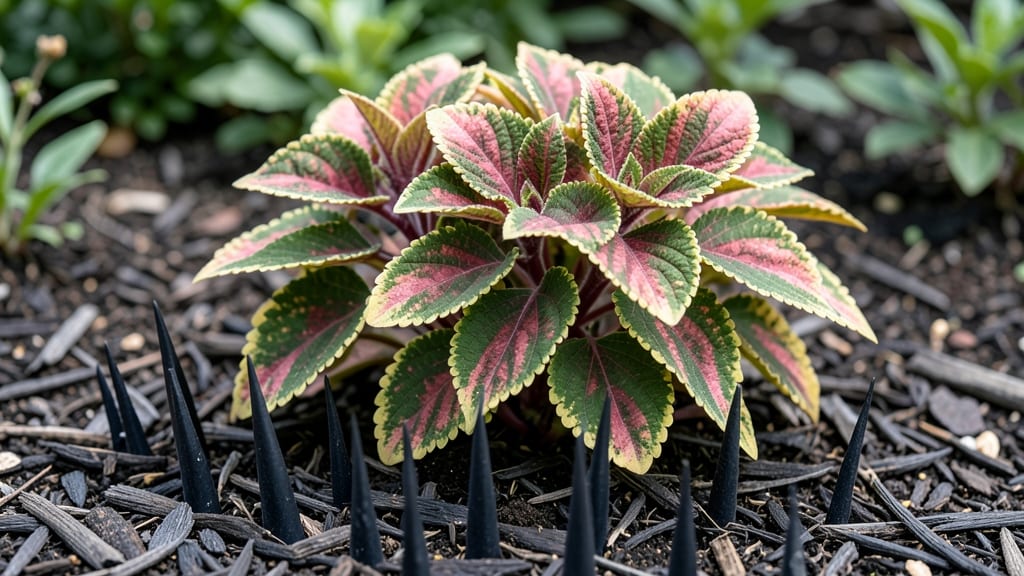
Learn how to deter cats from flower beds—my once-trampled garden now thrives with these clever, cat-proofing tricks that skip the harsh chemicals. 🌱 garden.
Start with prickly barriers like tall ornamental grasses or plastic "cat claws" (available at garden centers). Add citrus peels or coffee grounds around the edges—cats hate the smell. For stubborn diggers, try chicken wire buried shallowly or gravel mulch, which they dislike walking through.
Within a week, you’ll see fewer paw prints and more blooms. The best part? These methods keep working season after season, and your garden stays safe for both cats and pollinators. Ready to reclaim your flower beds?
Pro tip: Rotate your deterrents every few weeks—cats are smart and will learn to ignore static solutions. The goal is to make your flower beds feel like a no-go zone without making them miserable.
📚 In This Guide
- What you need
- Instructions
- Tips and common mistakes
- Wrapping up and next steps
What you need
- ● Physical Barriers: 1–2 rolls of chicken wire (19-gauge, 24"–36" wide, 50–100 ft long) – for digging deterrence.
- ● 1–2 rolls of landscape fabric (heavy-duty, 3–4 ft wide) – to block access.
- ● Stakes or U-shaped ground anchors (6–12 per barrier, 12"–18" long) – to secure fabric/wire.
- ● Natural Repellents: 1–2 bottles of citrus-scented spray (lemon/orange essential oil + water) – cats hate citrus!
- ● 1 bag of coffee grounds (used, 5–10 lbs) – sprinkle around beds for a strong deterrent.
- ● 1–2 prickly plants (e.g., lavender, rosemary, or coleus canina) – cats avoid thorns/spiky textures.
- ● Motion-Based Deterrents: 1–2 solar-powered motion-activated sprinklers (e.g., Orbit Enforcer) – startles cats with water.
- ● 1 wind chime or pinwheel (lightweight, 12"–18" diameter) – creates noise to scare them off.
- ● 1–2 plastic spikes or prongs (cat-safe, 4"–6" tall) – for high-traffic areas (install carefully!).
- ● 1 roll of mulch or gravel (1–2 bags) – adds texture and makes digging harder.
- ● 1 catnip-free herb garden (e.g., basil, thyme) – distracts cats elsewhere.
- ● 1 spray bottle (for DIY repellent mixes).
Step-by-Step guide to creating cat-repellent flower bed barriers
Here's the method I rely on after years of testing—no harsh chemicals, just smart deterrents.
🌱 Step 1: Assess Your Flower Bed Layout and Cat Hotspots
Start by observing where cats are actually digging or marking. Look for fresh claw marks, disturbed soil, or urine spots near the edges of your flower beds. I like to walk the perimeter at dawn and dusk when cats are most active—you'll spot their patterns quickly. Note which areas have soft, loose soil (their favorite digging spots) and which plants they seem to avoid.
Sketch a quick map of your flower bed, marking these hotspots. This helps prioritize where to place deterrents first. I've found that cats rarely venture more than 3 feet into a bed, so focus on the perimeter. If you have raised beds, they're naturally more protected—just add deterrents at the edges where cats might jump in.
💧 Step 2: Install Physical Barriers with Natural Materials
Use the landscape fabric to create a 2-3 inch high barrier around the perimeter of your flower beds. Overlap edges by at least 6 inches and secure with landscape staples every 12 inches. This prevents cats from digging underneath while allowing water and air to reach plant roots. I've seen cats completely avoid beds with this simple barrier—it mimics natural ground cover they instinctively avoid.
For particularly stubborn cats, add a 1-2 inch layer of gravel or small rocks along the barrier's top edge. The texture and sound deter digging. Place rocks loosely so they don't smother plants, but tightly enough that a cat's paw would sink in uncomfortably. I've used decorative river rocks that double as a visual border—neighbors love the aesthetic, and cats hate the texture.
☀️ Step 3: Add Scent Deterrents Strategically
Cats have an incredible sense of smell, so use citrus peels and coffee grounds as natural repellents. Scatter fresh orange, lemon, or grapefruit peels around the bed's perimeter, pressing them lightly into the soil. Replace every 3-4 days or when they dry out. The strong scent confuses their territorial markers and makes the area unappealing. I keep a bag of peels in my freezer—grab a handful whenever I notice cat activity.
For longer-lasting protection, mix used coffee grounds with the top inch of soil along the bed's edges. The strong, bitter smell masks cat urine odors that attract them back. Refresh this layer weekly, especially after rain. I've found that cats avoid areas with coffee grounds within 24 hours—it's like an invisible warning sign to them. Avoid overdoing it, though; too much can make soil acidic over time.
✂️ Step 4: Introduce Motion and Sound Deterrents
Place wind chimes or bamboo sticks near the bed's edges where cats frequent. The movement and sound startle them without harm. I've used metal wind chimes that create a soft, continuous tinkling—cats dislike unpredictable noises. Position them so they catch even the slightest breeze. For beds near windows, a solar-powered outdoor motion sensor light works wonders. The sudden flash scares cats away and stays on their radar for days.
If you have multiple beds, rotate the placement of these deterrents weekly. Cats are smart—they'll learn to ignore static objects. I also like to add mylar tape (the shiny, reflective kind used for gardening) around bed edges. The flashing light patterns confuse their hunting instincts. Cut strips about 2 inches wide and weave them through plants at the perimeter. It's a visual and sensory deterrent that works beautifully in sunlight.
⏰ Step 5: Maintain and Monitor for Long-Term Success
Check your deterrents every 3-4 days, especially after rain or wind. Replace soggy citrus peels, refresh coffee grounds, and tighten loose rocks. I've found that consistency is key—cats learn to ignore deterrents if they're not maintained. Keep a small notebook near your garden tools to track which deterrents work best in different seasons. In summer, cats dig more to cool off, so I add extra gravel layers. In winter, scent deterrents work better when cats are more active indoors.
If you notice cats returning to specific spots, layer your deterrents. Combine the landscape fabric with coffee grounds and add a wind chime nearby. I've had success with this "defense in depth" approach—it creates an unpleasant experience that teaches cats to avoid the area entirely. Within 2-3 weeks of consistent maintenance, most cats will find another spot to dig or mark, leaving your flower beds undisturbed.
Tips & tricks for creating effective cat-repellent flower bed barriers
These practical strategies will help you create a more resilient cat deterrent system that works faster and lasts longer.
Layering Deterrents: In Step 2, when installing landscape fabric, consider adding a second layer of deterrents for high-traffic areas. I've found that combining the fabric barrier with a thin layer of 1-2 inch gravel along the edges creates a double deterrent—cats dislike both the texture and the physical barrier. This layered approach works particularly well in areas where cats have already established digging patterns. The gravel also doubles as a visual border that makes your garden look intentional and well-maintained.
Citrus Peels Strategy: For Step 3, instead of just scattering citrus peels randomly, create a "citrus perimeter" by placing peels in a circular pattern around the bed's edge. This forms a scent barrier that cats instinctively avoid crossing. I've noticed that cats will often circle these scent boundaries before giving up entirely. The key is to refresh these peels every 3-4 days—don't let them dry out completely, as the scent loses effectiveness. For extra potency, use grapefruit peels, which have a stronger scent than oranges or lemons.
Seasonal Adjustments: In Step 5, when monitoring your deterrents, adjust your approach based on seasonal cat behavior. During summer months, when cats dig to cool off, increase the gravel layer to 2 inches and add extra wind chimes near shaded areas. In winter, when cats are more active indoors, focus on scent deterrents like coffee grounds and citrus peels near windows where they might try to mark territory. I've found that cats return to the same spots season after season, so maintaining a consistent deterrent routine is crucial for long-term success.
Pro Tips for Deter Cats From Flower Beds
- These practical strategies will help you create a more resilient cat deterrent system that works faster and lasts longer.
- Layering Deterrents: In Step 2, when installing landscape fabric, consider adding a second layer of deterrents for high-traffic areas.
- Citrus Peels Strategy: For Step 3, instead of just scattering citrus peels randomly, create a "citrus perimeter" by placing peels in a circular pattern around the bed's edge.
Frequently asked questions
Got questions about keeping your flower beds cat-free? Here are some common concerns—and practical solutions—to help you protect your plants without harming your feline friends.
What’s the fastest way to deter cats from my flower beds?
For instant results, try a combination of citrus peels (cats hate the scent!) and plastic pins or spikes (safe but prickly to the touch). Sprinkle dried herbs like lavender or rosemary around the edges—they’re non-toxic and act as a natural repellent. Revisit our materials list for a full DIY guide.
Will these methods harm my plants or soil?
Most natural deterrents—like vinegar sprays, coffee grounds, or prickly barriers—are plant-safe when used correctly. Avoid harsh chemicals (e.g., mothballs) or over-salting soil, as these can damage roots. Stick to organic, biodegradable options like citrus or herbs for a guilt-free solution.
How long does it take for cats to stop digging?
Consistency is key! Some cats learn to avoid treated areas in a few days, while others may need 1–2 weeks of reinforcement. Reapply deterrents (like spikes or scent barriers) every few weeks, especially after rain. Patience pays off—most cats eventually get the hint!
What if my cat still ignores the barriers?
If your cat is determined, try a multi-sensory approach:
- Visual: Add reflective tape or wind chimes to startle them.
- Auditory: A motion-activated sprinkler (set to a gentle mist) can work wonders.
- Tactile: Raised beds with smooth rocks make digging uncomfortable.
Are there any cat-friendly alternatives to flower beds?
If your cat loves gardening, redirect their energy with:
- A dedicated cat herb garden (cats adore catnip, valerian, or wheatgrass—safe and satisfying!).
- Sand or mulch boxes filled with loose material for digging.
- Vertical gardens (cats can’t climb spikes as easily on trellises!).
How do I maintain deterrents in heavy rain or wind?
Outdoor deterrents need regular checks:
- Spikes/barriers: Secure with stakes or adhesive to prevent shifting.
- Scent-based repellents: Reapply every 3–5 days or after rain (use a spray bottle for quick touch-ups).
- Physical barriers (e.g., chicken wire): Bury edges 2–3 inches deep to deter digging.
Wrapping up and next steps
Deterring cats from your flower beds doesn’t have to be a battle—with the right natural barriers and a little patience, you can create a cat-free garden paradise. 🌿 From prickly plants and citrus sprays to motion-activated sprinklers, these methods are effective, eco-friendly, and humane.
Start small, test what works best in your space, and soon you’ll enjoy those blooms without the unwanted feline visitors!
Ready to reclaim your garden? Pick one or two strategies from this guide, implement them today, and watch your flower beds thrive—cat-free! 🌸