
Flowers
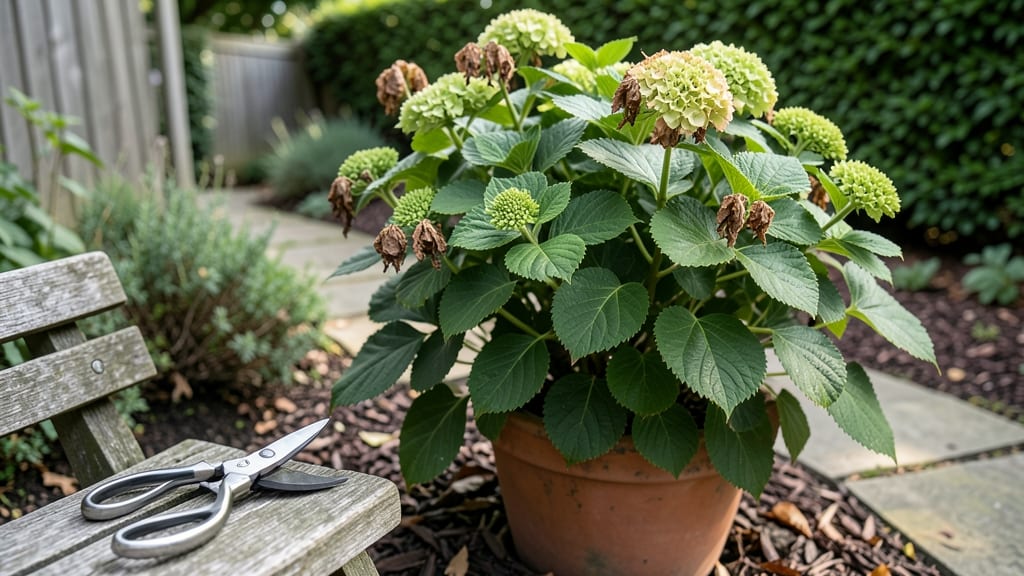
Cutting off dead hydrangea flowers at the right time transforms a ragged bush into a vibrant, bushier plant by next season. I’ve learned the hard way that timing matters—prune too early, and you risk frost damage; too late, and you stunt new growth.
The key is waiting until late winter or early spring when the plant is still dormant but before fresh buds appear.
You’ll need just three simple tools: sharp pruners (to make clean cuts), gloves (hydrangeas can be prickly), and a small bucket (for trimmings). Start by removing any dead or diseased branches first—they won’t regrow, but they can harbor pests.
Then, cut back the remaining stems to just above a set of healthy buds or outward-facing leaves. This encourages the plant to focus energy on new growth rather than wasted stems.
The result? A fuller, more productive plant with stronger stems and bigger blooms by summer. Proper pruning also improves airflow, reducing the risk of fungal diseases. Just avoid cutting into last year’s wood if your hydrangeas bloom on old wood (like Bigleaf varieties)—that’s where next year’s flowers form.
For reblooming types, like Panicle or Annabelle, you can trim right after flowering to encourage a second flush.
Common mistakes include cutting too aggressively or waiting until after the first flush of blooms. If you’re unsure which type you have, observe your plant: if it blooms on old wood, prune lightly in late winter; if it’s a rebloomer, prune right after the first flowers fade.
Either way, a little precision now means lush, long-lasting blooms all season long.
📚 In This Guide
- What you need
- Instructions
- Tips and common mistakes
- Wrapping up and next steps
What you need
- ● Sharp bypass pruners – Choose a pair with clean, sharp blades (4-6 inch blades work best for precision). Pro tip: Disinfect with rubbing alcohol to prevent disease spread! 💡
- ● Hand pruners or loppers – For thicker stems (½ inch or larger), opt for loppers with long handles (12-18 inches) for leverage.
- ● Garden gloves – Heavy-duty, cut-resistant gloves (size medium/large) to protect your hands from thorns and sap.
- ● Disposable garden bag or bucket – A 10-gallon capacity will hold pruned debris neatly.
- ● Rubbing alcohol (70% isopropyl) or bleach solution – For sterilizing tools between cuts.
- ● Hydrangea-specific fertilizer – A balanced 10-10-10 or acidic fertilizer (like 8-3-9) to boost regrowth after pruning.
- ● Mulch (pine bark or shredded leaves) – 2-3 inches thick to retain moisture and protect roots.
- ● Pruning saw – Only if dealing with extremely thick, woody stems (rare for most hydrangeas).
- ● Notebook & pen – To jot down notes on your hydrangea’s growth habits for next year!
Step-by-step guide to pruning dead hydrangea blooms
Here's the precise method I use to refresh my hydrangeas every year—no guesswork, just clean cuts for vibrant new growth.
✂️ Step 1: Identify the Right Time to Prune
Timing matters most with hydrangeas. For most varieties like mophead and lacecap, prune in late winter or early spring before new growth begins. Look for swollen buds along the stems—these signal the plant's readiness. If your hydrangea blooms on old wood (like Bigleaf types), wait until after flowering in late summer or early fall.
Don't prune when frost is still in the forecast. Cold temperatures stress the plant, and new growth won't survive. If you're unsure, check your local frost dates—most gardeners aim for 2-4 weeks before the last frost. I like to mark my calendar with the first warm day above 45°F as my target.
✂️ Step 2: Gather the Right Tools and Prepare
You'll need clean, sharp pruning shears—dull blades crush stems and invite disease. Disinfect them with rubbing alcohol before and after use to prevent spreading pathogens. Wear gloves if your hydrangeas have thorns or if you're sensitive to sap.
Remove any dead, diseased, or crossing branches first. These compete with new growth and weaken the plant. Cut back to a healthy bud or lateral branch, making the cut at a 45-degree angle about ¼ inch above the bud. This encourages water to run off and prevents rot.
✂️ Step 3: Cut Back to the Correct Spot
For most hydrangeas, cut back the previous year's stems to 2-3 inches above the first set of healthy buds. Avoid leaving stubs—these can rot and attract pests. If your hydrangea blooms on new wood (like panicle or smooth types), you can be more aggressive and cut back ⅓ of the plant's height to encourage bushier growth.
Watch for signs of stress like wilting or yellowing leaves—these mean you've pruned too much. A well-pruned hydrangea should have 3-5 strong stems with multiple buds remaining. If you're unsure, take a photo first and compare it to online guides for your specific variety.
💧 Step 4: Water and Fertilize for Recovery
After pruning, water deeply to help the plant recover. The roots need moisture to support new growth, especially if you've cut back significantly. Aim for 1-1.5 inches of water per week, either from rainfall or irrigation.
Apply a balanced, slow-release fertilizer (like 10-10-10) in early spring to give your hydrangeas the nutrients they need for the growing season. Avoid high-nitrogen fertilizers—they promote leafy growth at the expense of flowers. I like to mix in a handful of compost around the base for extra organic matter.
☀️ Step 5: Monitor and Encourage New Growth
Keep an eye on your hydrangeas in the weeks after pruning. New growth should appear within 4-6 weeks, starting as small, tender shoots. If you don't see buds forming by late spring, your cuts may have been too severe—adjust next year's pruning accordingly.
Provide consistent moisture and protect young shoots from late frosts. If your area experiences unexpected cold snaps, cover the plants with frost cloth until temperatures stabilize. With proper care, your hydrangeas will reward you with lush foliage and abundant blooms by midsummer.
Tips & tricks for perfect hydrangea pruning
Here's what nobody tells you about pruning hydrangeas—these tricks will save you from common mistakes and set your plants up for spectacular blooms.
Timing Secret: The 45°F rule is your best friend. If you're unsure when to prune, wait until daytime temperatures consistently stay above 45°F for at least a week. This warmth signals the plant's dormancy period is truly over, and new growth will respond eagerly. I've made the mistake of pruning too early when late frosts still threatened—always check your local frost dates first.
Tool Technique: Sharp pruning shears aren't just about clean cuts—they're about plant health. Dull blades crush stems, creating entry points for disease. After each cut, wipe your shears with rubbing alcohol to prevent spreading any pathogens between branches. For thick stems, make two cuts: the first at a 45-degree angle just outside the branch collar, then a second cut to remove the remaining stub cleanly.
Visual Cues: When cutting back to 2-3 inches above healthy buds, look for the "eyes" of the plant—the small, plump buds where new growth will emerge. These buds should be firm and slightly raised, not shriveled or brown. If you're unsure, snap a photo before pruning and compare it to online guides for your specific hydrangea variety. This visual reference will help you make confident cuts every time.
Recovery Strategy: After pruning, don't just water—give your hydrangeas a proper drink. Aim for 1-1.5 inches of water per week, delivered either through rainfall or irrigation. The key is deep watering: soak the soil until water runs out the bottom of the pot (if potted) or seeps 6-8 inches into the ground. This encourages deep root growth that supports those lush blooms you're working toward.
Pro Tips for Cut Off Dead Hydrangea Flowers
- Here's what nobody tells you about pruning hydrangeas—these tricks will save you from common mistakes and set your plants up for spectacular blooms.
- Timing Secret: The 45°F rule is your best friend.
- Tool Technique: Sharp pruning shears aren't just about clean cuts—they're about plant health.
Frequently asked questions
Got questions about pruning dead hydrangea blooms?
You’re not alone! Here are answers to the most common concerns—so you can keep your hydrangeas thriving with confidence.
When is the worst time to cut dead hydrangea flowers?
Never prune during late winter or early spring (just before new growth starts) if your hydrangeas bloom on old wood (like Hydrangea macrophylla). Cutting too early removes next year’s flower buds! For new wood bloomers (e.g., panicle or oakleaf hydrangeas), avoid pruning in fall—wait until late winter or early spring.
What if I missed the ideal pruning window? Can I still do it?
Yes! If you’ve already pruned at the wrong time, don’t panic. For old wood bloomers, you’ll just skip flowers that season—but new growth will still emerge. For new wood bloomers, they’re more forgiving. Just focus on shaping and removing dead stems now, and next year’s blooms will bounce back stronger!
Do I need special tools to cut dead hydrangea flowers?
Not necessarily! While clean, sharp pruners (bypass or anvil) make the job easier, you can use disinfectant (rubbing alcohol on scissors or shears) to prevent disease spread. Avoid dull tools—they crush stems, stressing the plant. For thick stems, loppers work great, but never use hedge trimmers (they tear instead of cut).
My hydrangeas look sad after pruning—did I overdo it?
If you’ve cut back more than ⅓ of the plant at once, it might look bare, but hydrangeas are resilient! Focus on healthy stems (green inside when cut) and avoid “haircutting” (shearing). For old wood bloomers, leave 3–5 mature buds per stem. New wood types can handle harder cuts—just avoid removing next year’s growth entirely.
Should I prune hydrangeas in rain or humid weather?
Avoid pruning when stems are wet or during high humidity—it increases the risk of fungal infections (like powdery mildew). Choose a dry, overcast morning instead. If you must prune in damp conditions, sterilize tools between cuts and remove fallen debris immediately to keep your hydrangeas happy and healthy.
Pro Tip:
Mark your calendar! Old wood bloomers (like Bigleaf hydrangeas) should be pruned right after flowering (late summer/early fall), while new wood bloomers (like PeeGee hydrangeas) can wait until late winter. A quick note on your phone or garden journal saves guesswork next year!
Wrapping up and next steps
Cutting off dead hydrangea flowers isn’t just about tidying up—it’s the secret to vibrant blooms next season! 🌸 By following the right timing (late fall or early spring) and technique (clean cuts, proper pruning tools), you’ll encourage healthier growth and stunning regrowth.
Remember, patience and precision pay off—your hydrangeas will thank you with lush, fuller foliage and even more spectacular flowers.
Now that you’re armed with the know-how, grab those shears and give your hydrangeas the care they deserve. Ready to transform your garden? Check out our step-by-step pruning guide for extra confidence—or share your progress with fellow plant lovers! 🌿