
Propagation
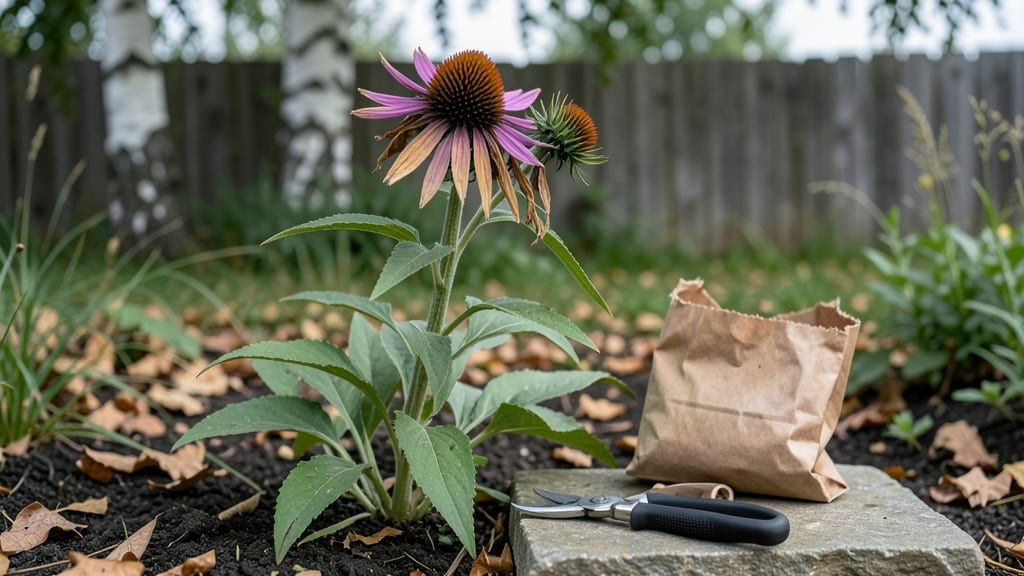
The best time to collect coneflower seeds is when those paper-thin, dry pods turn from green to tan—usually in late fall after the first frost. I remember the first time I saw them: they looked like delicate lace against the fading garden.
That’s when you know the seeds are ready, and the plants are done for the season.
You’ll need just a few simple tools: sharp pruners or scissors, a paper bag for collection, and a dry spot to store them. The process is gentle—no rushing, no forcing. Coneflowers reward patience, and a little care now means vibrant purple blooms next summer without buying new plants.
Once you’ve gathered the pods, let them dry completely indoors for a week or two. Then, rub them between your fingers to release the seeds—it’s like watching tiny treasures spill out. Store them in an envelope or jar in a cool, dark place until spring planting.
This method saves you money and ensures you’ll always have disease-resistant, hardy plants that thrive in your garden’s exact conditions. No more guessing which varieties will perform best—just collect, store, and grow your own. Ready to try it?
📚 In This Guide
- What you need
- Instructions
- Tips and common mistakes
- Wrapping up and next steps
What you need
- ● Mature coneflower plants (Echinacea spp.) – Choose healthy, fully bloomed heads with brown, dry seed cones (typically late summer to fall).
- ● Pruning shears or sharp scissors – For cleanly snipping seed heads from stems.
- ● Brown paper bags or breathable mesh bags – 2–3 bags (one per 5–10 plants) to collect seeds without moisture buildup.
- ○ Paper towels or newspaper – For drying seeds indoors (optional but helpful).
- ● Small envelope or seed packet – For long-term storage (label with plant name and date!).
- ● Permanent marker – To label bags or envelopes.
- ● Gloves – If you’re sensitive to prickly seed heads or plant debris.
- ● Seed tray or flat container – For spreading seeds to dry evenly indoors.
- ● Fine mesh screen or sieve – To separate seeds from chaff if cleaning is needed.
- ● Humidity pack (silica gel) – For long-term seed storage in airtight containers.
Step-by-Step instructions for harvesting coneflower seeds
Here's how I collect and store seeds from those iconic purple blooms—simple but critical for next season's garden.
Identify and Wait for Seed Pods to Fully Mature
Coneflowers produce seeds in those distinctive, dry, paper-thin seed heads that appear after blooms fade. Wait until the center cones turn a deep, papery brown and the petals have completely fallen away—this signals the seeds are fully mature and ready for collection. I usually check plants in late summer or early fall, depending on your climate.
If you harvest too early, the seeds won't be viable. You'll know they're ready when the cone feels dry and brittle to the touch, almost like crumpled paper. Avoid collecting seeds from heads that still have green or moist centers, as these won't store well.
Gently Remove Seed Heads and Dry Them Completely
Use clean, sharp scissors or pruners to snip the seed heads from the stems. Hold the stem firmly and cut just above a leaf node to encourage new growth. Place the harvested heads in a well-ventilated area, like a paper bag or mesh sack, where they can dry further for 1-2 weeks. This step is crucial—moisture will cause the seeds to mold in storage.
I like to hang the seed heads upside down in a dry, shaded spot. This allows any remaining moisture to evaporate while keeping the seeds contained. Avoid direct sunlight, as it can overheat the heads and damage the seeds.
Extract Seeds from the Dried Heads
Once the seed heads are completely dry, rub them gently between your fingers or use a small brush to release the seeds. The dried cone will crumble easily, revealing the small, dark seeds inside. Place a tray or sheet of paper underneath to catch the seeds as they fall out. This is the most satisfying part—watching those seeds spill out like tiny treasures!
Be patient and thorough. Some seeds may cling to the cone, so give each head a good shake or brush. Once all the seeds are out, sift through them to remove any debris or empty seed casings. Store the clean seeds in a labeled envelope or small jar.
Store Seeds Properly for Long-Term Viability
Place the collected seeds in a sealed, airtight container like a small glass jar or envelope. Add a silica gel packet or a few grains of uncooked rice to absorb any remaining moisture. Label the container with the variety name and the date of collection—this helps track seed age and viability.
Store the container in a cool, dark place, like a refrigerator or basement, where temperatures stay between 35-40°F. Properly stored coneflower seeds remain viable for 2-3 years, though germination rates may decline over time. Check the seeds annually and replant the freshest ones first.
Tips & tricks for perfect coneflower seed collection
Between us, harvesting coneflower seeds is one of those gardening tasks that feels like uncovering hidden treasure—if you do it right. Here are the insights I’ve picked up after years of collecting these paper-thin pods.
Timing is Everything: In Step 1, when you’re checking for those deep papery brown cones, don’t rush it. The seeds inside won’t be fully mature until the entire center cone feels completely dry and brittle. I’ve learned the hard way that harvesting too early means seeds that won’t germinate—so wait until the petals have completely fallen away and the cone feels like crumpled paper. This is especially important in humid climates, where moisture can linger longer.
Drying Strategy: During Step 2, if you’re short on space, you can speed up the drying process by placing the seed heads in a single layer on a wire rack in a well-ventilated area. Just avoid direct sunlight—it can overheat the seeds and reduce their viability. I’ve found that hanging them upside down in a paper bag with small holes punched in the sides works beautifully, too. The key is circulation, not heat.
Storage Wisdom: When it comes to Step 4, don’t underestimate the importance of moisture control. While silica gel packets are great, a simple alternative is using a small amount of uncooked rice in the container. The rice absorbs moisture just as effectively and is a budget-friendly option. Labeling with both the variety name and the collection date is a game-changer—it helps you prioritize which seeds to plant first for the best germination rates.
Pro Tips for Collect Coneflower Seeds
- Between us, harvesting coneflower seeds is one of those gardening tasks that feels like uncovering hidden treasure—if you do it right.
- Timing is Everything: In Step 1, when you’re checking for those deep papery brown cones, don’t rush it.
- Drying Strategy: During Step 2, if you’re short on space, you can speed up the drying process by placing the seed heads in a single layer on a wire rack in a well-ventilated area.
Frequently asked questions
Got questions about collecting coneflower seeds? You’re not alone! Here are some common concerns and quick answers to help you succeed.
When is the best time to harvest coneflower seeds?
The ideal time is late fall or early winter, after the seed heads have fully dried and turned brown. If you harvest too early, the seeds won’t be mature enough to store properly. Wait until the pods are crispy and crumble easily when touched—this usually happens after the first frost.
What if I miss the fall harvest window?
No worries! You can still collect seeds in early spring before new growth begins. Just check the dried seed heads—if they’re still intact, they’re ready. Store them in a cool, dry place until you’re ready to plant. If the pods are damaged by rain or pests, skip them and focus on healthier ones.
Can I collect seeds from coneflowers grown in containers?
Container-grown coneflowers produce seeds just like those in the ground. Simply snip the dried seed heads with clean scissors and store them in paper bags. Just ensure your pots have enough space for the plants to mature fully—crowded roots can reduce seed production.
What should I do if birds or squirrels eat my seeds before I can collect them?
This happens more often than you’d think! To deter wildlife, cover seed heads with fine mesh netting once they’re dry but before they fully open. Alternatively, harvest seeds early in the morning when birds are less active. If you’re too late, try collecting seeds from less accessible plants or replant next year.
How long can I store coneflower seeds before planting?
Coneflower seeds stay viable for 1–2 years if stored properly in a cool (35–40°F), dry place. Use airtight containers or sealed bags with silica gel packets to prevent moisture. Label them with the collection date to track freshness. For best results, plant seeds as soon as possible after harvest.
Pro Tip:
If you’re unsure whether seeds are ready, do the squeeze test: Gently press a seed head. If it crumbles into dry, papery bits, it’s time to harvest! If it’s still green or pliable, wait a few more weeks.
Wrapping up and next steps
Collecting coneflower seeds is a rewarding way to ensure next year’s vibrant blooms—plus, it’s a simple, satisfying process! 🌼 With just a few tools and a little patience, you’ll have fresh seeds ready for planting.
Now that you’re equipped with the know-how, why not grab a pair of scissors or pruners and give it a try in your garden this fall?
Once you’ve mastered seed collection, consider experimenting with propagation—whether it’s growing from cuttings, dividing roots, or even sharing seeds with fellow gardeners. Happy gardening! 🌱