
Propagation
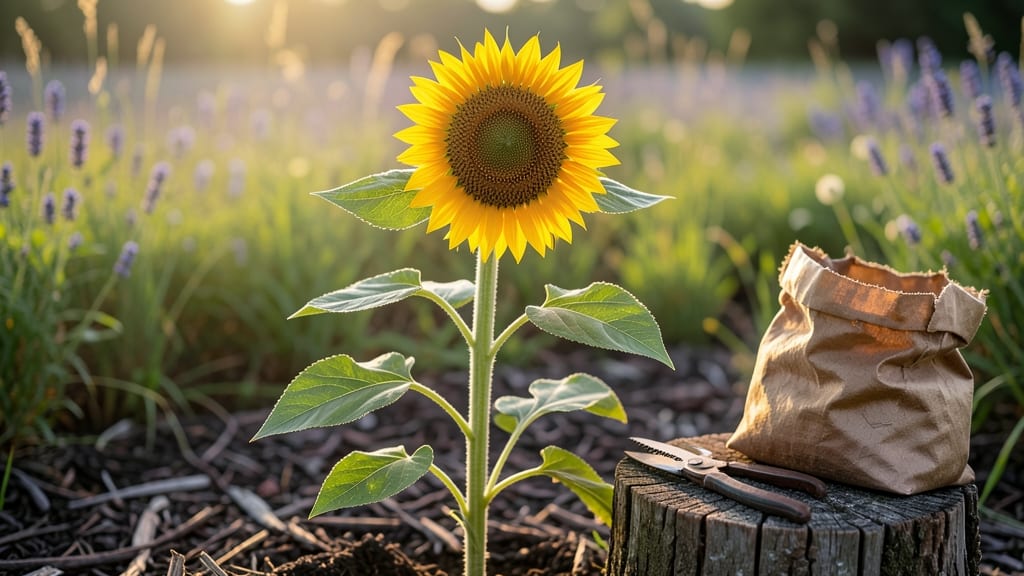
Storing sunflower seeds properly means the difference between next summer’s towering blooms and wasted effort. 🌻 I’ve saved seeds for years—some last a decade, others barely make it through winter—and the secret lies in drying them just right, choosing the perfect container, and controlling humidity.
Most people overlook one key factor that ruins seeds faster than any other.
The right setup is simpler than you think: a cool, dark place, an airtight container, and seeds dried to 3-5% moisture (that’s the magic number).
You’ll need a paper bag for initial drying, a jar or sealed bag for storage, and a humidity pack if you live in a damp climate. Test viability every few years with a simple water-soak method—if 80% of seeds sink, they’re still good.
What you’ll end up with is a stash of seeds that germinate at 90%+ even after years in storage. Imagine planting heirloom varieties you’ve saved yourself, knowing they’ll grow just as strong as the first time.
The best part? You’ll avoid the disappointment of weak sprouts or moldy seeds that never make it to soil.
This method works for any climate, whether you’re storing in a basement, fridge, or even the freezer for extra-long life. Let’s get those seeds preserved the right way—so you can grow sunflowers for years to come without buying new seeds every season.
📚 In This Guide
- What you need
- Instructions
- Tips and common mistakes
- Wrapping up and next steps
What you need
- ● Air-tight containers: Glass jars (like mason jars with tight-sealing lids), plastic containers with gaskets, or vacuum-sealed bags. Size: Choose containers that hold 1–5 lbs of seeds (adjust based on quantity).
- ● Desiccant packets: Silica gel or food-grade moisture absorbers (2–4 packets per container). Pro tip: 💡 Label them clearly to avoid confusion!
- ● Paper towels or silica gel: For drying seeds (if not already fully dried).
- ● Fine-mesh strainer or colander: To sift and remove debris or chaff.
- ● Permanent marker or labels: For marking storage dates and seed varieties.
- ○ Small funnel (optional but helpful): To avoid spills when transferring seeds into containers.
- ● Food-grade vacuum sealer: For ultra-long-term storage (extends shelf life by removing oxygen).
- ● Freezer-safe bags: If storing seeds in the freezer for extra long-term preservation.
- ● Humidity indicator cards: To monitor moisture levels inside containers.
- ● Spray bottle with distilled water: For lightly misting seeds if they’re too dry (use sparingly!).
Step-by-Step guide to properly store sunflower seeds
Preserving sunflower seeds for next season is easier than you think—just follow these simple steps.
🪴 Step 1: Harvest and Dry Seeds Completely
Pick seeds when the sunflower heads turn completely brown and papery. Use clean, sharp scissors to snip the entire head off the stalk. Here's the thing—moisture is the enemy. Spread the heads on a flat tray or clean towel in a dry, well-ventilated area out of direct sunlight. Turn them daily for even drying.
Seeds are fully dry when the husks rattle when shaken and the seed shells feel brittle to the touch. This usually takes about 1-2 weeks, depending on your climate. If you rush this step, seeds will develop mold or rot during storage.
🌱 Step 2: Remove Seeds from Heads
Once completely dry, rub the sunflower heads between your palms or use a clean, dry cloth to gently work the seeds free. I like to do this over a large tray or sheet of newspaper to catch all the seeds—sunflowers produce a surprising number! Remove any remaining plant debris or damaged seeds by hand.
Here's what I do next: spread the cleaned seeds in a single layer on a tray. Let them air-dry for an additional 24-48 hours to ensure absolute dryness. You'll know they're ready when they feel completely dry to the touch with no moisture at all.
💧 Step 3: Choose Your Storage Containers
Sunflower seeds need airtight containers to prevent moisture absorption. I recommend using glass jars with tight-sealing lids or heavy-duty plastic containers with gasket seals. Avoid paper bags—moisture will sneak in and ruin your seeds.
Before storing, I add a small packet of silica gel or a slice of bread to absorb any residual moisture. This extra step makes a huge difference in long-term freshness. Label each container with the variety name and harvest date—you'll forget which seeds you stored after a year!
⏰ Step 4: Store in a Cool, Dark Place
The ideal storage temperature for sunflower seeds is between 35-40°F. A refrigerator crisper drawer works perfectly, or you can use a root cellar if you have one. The key is consistent coolness—don't store near appliances that generate heat or in areas with temperature fluctuations.
Seeds stored properly will remain viable for 2-3 years, though germination rates decline after the first year. Check seeds annually by planting a few—if they sprout well, your storage method is working. If germination drops below 50%, it's time to harvest fresh seeds.
Tips & tricks for perfect sunflower seed storage
Between us, the difference between seeds that last years and ones that mold in weeks often comes down to these little details.
Drying Test: In Step 1, when checking for dryness, I press a seed between my fingers—it should crumble like a dry leaf, not feel damp at all. If you're unsure, place a small batch in a warm (not hot) oven at 120°F for 10 minutes. If no condensation forms on the inside of the oven door, they're ready. This extra check prevents mold during storage.
Container Hack: For Step 3, I always use glass jars with vacuum-sealed lids if available—they create an extra airtight barrier. If using plastic, choose containers with gasket seals and test them by placing a damp paper towel inside, sealing, and checking for condensation after 24 hours. Any moisture means the container won't work long-term.
Temperature Troubleshooting: The 35-40°F range in Step 4 is critical—your fridge's crisper drawer is perfect, but avoid the door where temps fluctuate. Pro tip: Place a small thermometer inside your storage container for the first week to confirm it stays within range. If it's warmer than 45°F, move it to a cooler spot immediately.
Long-Term Check: After storing for 1-2 years, test viability by planting 5 seeds in damp paper towels. If 3+ sprout within 7-10 days, your seeds are still good. If germination drops below 50%, it's time to harvest fresh seeds—this method guarantees you'll always have viable seeds when you need them.
Pro Tips for Store Sunflower Seeds
- Between us, the difference between seeds that last years and ones that mold in weeks often comes down to these little details.
- Drying Test: In Step 1, when checking for dryness, I press a seed between my fingers—it should crumble like a dry leaf, not feel damp at all.
- Container Hack: For Step 3, I always use glass jars with vacuum-sealed lids if available—they create an extra airtight barrier.
Frequently asked questions
Got questions about keeping your sunflower seeds fresh and ready for planting or snacking? Here are some of the most common ones—and their answers!
Can I store sunflower seeds in the fridge or freezer?
Yes! For long-term storage (up to 2 years), the freezer is ideal—it slows moisture loss and preserves oil content. If using the fridge, opt for an airtight container in the crisper drawer (avoid humidity). Thaw seeds overnight in the fridge before planting to prevent condensation damage.
How long do sunflower seeds stay good if stored properly?
Under perfect conditions (cool, dry, dark, and sealed), sunflower seeds last 6–12 months for planting and 1–2 years for eating. Check for rancidity (off smells, mold) before use. Label containers with the storage date to track freshness!
What’s the best alternative if I don’t have silica gel?
No silica gel? No problem! Use uncooked rice or dried beans in a small cloth bag inside your container to absorb excess moisture. Another trick: place a chalk packet (like those in shoe boxes) to neutralize odors and humidity.
Why are my seeds getting moldy or buggy?
Mold or pests usually mean high humidity or poor sealing. Fix it by:
- Transferring seeds to a new, airtight container with a food-grade desiccant.
- Freezing seeds for 48 hours to kill pests (thaw before planting).
- Storing in a cool, dark pantry (not above 70°F/21°C).
If mold appears, discard the batch—it can harm germination.
Can I store sunflower seed heads for later planting?
Yes, but only if fully dried (heads should rattle when shaken). Hang them upside down in a dry, well-ventilated spot (like a garage) for 2–3 weeks. Once dry, remove seeds, clean, and store as usual. Avoid storing heads in plastic—they’ll sweat and spoil!
Wrapping up and next steps
Storing sunflower seeds properly ensures they stay fresh, nutritious, and ready for planting or snacking—whether you’re saving them for next season or enjoying their crunchy goodness. By choosing the right containers, controlling moisture and temperature, and labeling your stash, you’ll extend their shelf life and avoid waste.
Now that you’re armed with these tips, why not put them into action? Grab those seeds, prep your storage space, and enjoy the peace of mind (and delicious rewards!) of knowing your harvest is preserved just right. 🌻✨