
Propagation
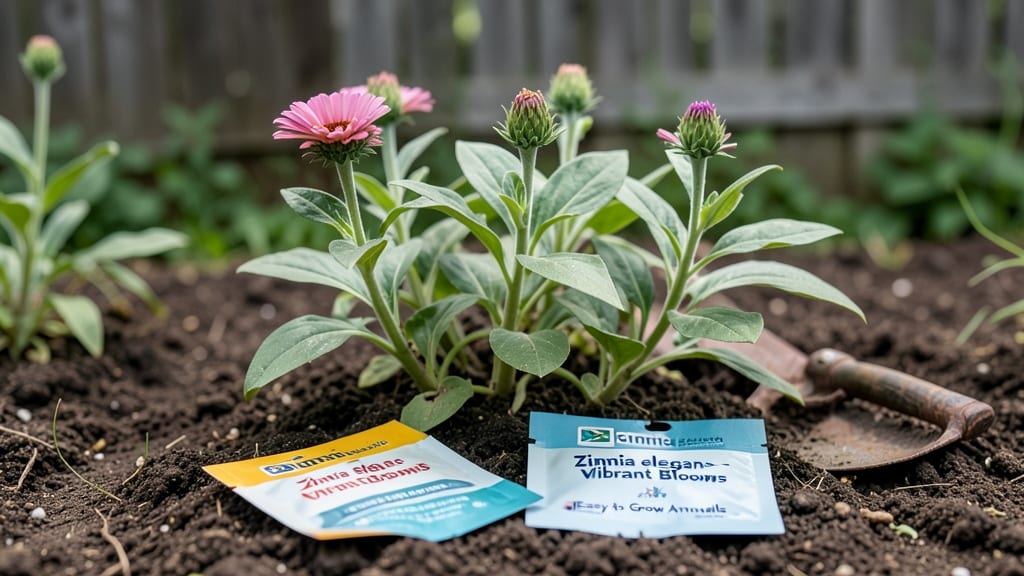
Growing flowers from seeds outdoors turns your yard into a vibrant canvas of color and fragrance—without the price tag of nursery plants. 🌸 I’ve started marigolds, zinnias, and cosmos from seed every spring, and the first blooms always feel like a reward for patience.
The trick isn’t complicated: it’s about timing, sunlight, and a little soil prep magic that makes seeds wake up instead of just sitting there.
Start with seeds suited for your zone and sunlight conditions—annuals like zinnias or sunflowers thrive in full sun, while cosmos tolerate partial shade. You’ll need a sunny patch, loose soil, and a watering can (or hose with gentle spray).
Most seeds germinate in 1-3 weeks if kept moist but not soggy, and the key is consistency: too much water drowns them, too little leaves them dry.
By midsummer, you’ll be pinching back leggy stems and watching blooms open daily—neighborhoods will stop to ask what you’re growing. The best part?
These flowers attract pollinators, self-seed for next year, and give you the satisfaction of watching something grow from a tiny speck in the soil to a burst of color.
Works for containers, raised beds, or in-ground plots—just adjust spacing. Here’s how to avoid the three mistakes that kill germination before it starts.
📚 In This Guide
- What you need
- Instructions
- Tips and common mistakes
- Wrapping up and next steps
What you need
- ● Seeds: Choose sunlight-loving flower seeds (e.g., marigolds, sunflowers, zinnias, or cosmos). Buy 1–2 packets (50–100 seeds each) for variety.
- ○ Growing containers: Seed trays or small pots (3–4 inches deep) for starting seeds indoors (optional but helpful for early sowing).
- ● Direct-sowing trays or garden beds (6–12 inches deep) for outdoor planting.
- ● Potting mix: Lightweight, well-draining seed-starting mix (avoid garden soil—it’s too dense!). A 10–20 quart bag is ideal.
- ● Soil: Nutrient-rich garden soil or a mix of topsoil and compost (1–2 cubic yards for a small bed).
- ● Watering can or hose: With a gentle spray nozzle for delicate seedlings.
- ○ Fertilizer (optional but recommended): Balanced, water-soluble fertilizer (e.g., 10-10-10) for seedlings.
- ● Slow-release granular fertilizer (e.g., 14-14-14) for garden beds (1 lb per 100 sq ft).
- ● Gloves and kneeling pad: For comfort and protection while gardening.
- ● Plant labels: Wooden or biodegradable labels + a pencil to track varieties.
- ● Sunlight: A location with 6+ hours of direct sunlight daily (most annual flowers thrive here!).
- ● Spacing: Check seed packets for mature plant spacing (e.g., sunflowers need 12–24 inches apart).
- ● Last frost date: Know when to plant outdoors (typically 2–3 weeks after the last frost in your zone).
- ● Row covers or shade cloth to protect young seedlings from pests or harsh sun.
- ● Mulch (straw or shredded leaves) to retain moisture and suppress weeds.
- ● Organic mulch rings or coffee grounds to deter slugs and snails.
- ● Pruners or scissors for trimming dead blooms and encouraging new growth.
Step-by-step instructions for growing flowers from seeds outdoors
Here's how to turn tiny seeds into vibrant blooms—no fuss, just sunshine and patience.
🌱 Step 1: Pick the Right Seeds and Prep the Soil
Start with seeds labeled for your climate zone—sunlight-loving blooms like marigolds, zinnias, or cosmos thrive in full sun (6+ hours daily). Scatter seeds directly in the garden after the last frost when soil warms to at least 60°F. If sowing early, use a cold frame or cover with row fabric to protect tender sprouts.
Loosen the top 6 inches of soil with a garden fork to break up compaction. Mix in 2-3 inches of compost (from your materials list) to improve drainage and fertility. The soil should crumble easily when squeezed—if it sticks together, add more compost or sand.
💧 Step 2: Sow Seeds at the Correct Depth
Most flower seeds germinate best when planted no deeper than ¼ inch. Tiny seeds like snapdragons or petunias need light to sprout, so barely cover them with soil or press them into the surface. Larger seeds like sunflowers can go ½ inch deep. I like to use my finger to make small furrows, drop seeds in, then cover lightly with a sprinkle of soil.
Water gently with a fine-mist spray nozzle until the soil feels evenly moist 1 inch deep. Avoid heavy watering—it washes seeds away or buries them too deep. A light mist keeps seeds in place while encouraging even moisture. You’ll know it’s right when the soil looks damp but not soggy.
☀️ Step 3: Provide Consistent Moisture and Sun
Keep the soil consistently moist (not soggy) until seeds germinate—usually 7-14 days depending on the flower type. Mulch the area with 1-2 inches of straw or shredded leaves to retain moisture and block weeds. This is especially important in hot climates where soil dries out quickly.
Once sprouts appear, thin seedlings to 6-12 inches apart (check seed packet spacing). Use sharp scissors to snip unwanted plants at soil level—pulling risks disturbing roots of nearby seedlings. Stronger plants will fill the space quickly, and you’ll avoid overcrowded, leggy growth.
✂️ Step 4: Fertilize and Support Growth
When seedlings have 2-3 true leaves, apply a balanced, water-soluble fertilizer (like 10-10-10) at half-strength. This boosts root and leaf development without burning tender plants. I mix it into my watering can and apply it in the early morning so leaves dry quickly—preventing fungal issues.
Tall flowers like sunflowers or delphiniums need stakes or cages early to prevent flopping. Install supports 6-12 inches deep so they anchor well. For vining flowers like morning glories, provide a trellis or fence within 2 weeks of planting—they’ll twine naturally as they grow.
🌿 Step 5: Deadhead and Maintain Blooms
Pinch off spent blooms weekly to encourage more flowers. Use your fingers or small pruners to snip just above a set of leaves. This redirects energy from seed production back into vibrant new blooms. You’ll notice a surge in flowers within 2-3 weeks of consistent deadheading.
Water deeply 1-2 times per week (more in extreme heat) to establish strong roots. Early morning watering prevents fungal diseases—wet leaves sitting in evening humidity invite problems. If leaves yellow between veins, it’s a sign of overwatering; adjust to water only when the top 1 inch of soil feels dry.
⏰ Step 6: Extend the Season with Simple Care
Cut back wilted annuals in fall and compost them. For perennials like coneflowers or black-eyed Susans, leave seed heads over winter—they feed birds and add winter interest. In spring, trim back dead foliage to 2 inches tall and add fresh compost to replenish nutrients.
Rotate flower types yearly to prevent soil depletion. I keep a garden journal noting which blooms thrived—this helps me plan for next season’s easiest, most reliable performers. With these steps, you’ll have months of color from seeds you planted in just a few minutes.
Tips & tricks for perfect sunlight-loving blooms
Here's how to sidestep common pitfalls—and get the most vibrant flowers from your seeds.
Soil Prep Secret: Before loosening that 6 inches of soil, run your finger through it—if it feels like wet clay, you need more compost. I've learned the hard way that compacted soil blocks roots from spreading properly. For clay-heavy areas, mix in 1-2 inches of sand along with your compost to improve drainage. This makes all the difference for delicate seedlings.
Timing Tip for Early Planting: When soil reaches 60°F but you're still worried about late frosts, use a simple DIY cold frame. Just cover your planted area with a clear plastic bottle (cut in half) or a sheet of plexiglass supported by bricks. This creates a mini greenhouse effect that protects tender sprouts while letting sunlight through. Remove it when daytime temps consistently stay above 50°F.
Thinning Technique: Don't wait until seedlings are crowded to thin them! When they reach about 2 inches tall, gently snip the weaker ones at soil level with clean scissors. You'll avoid disturbing the roots of your keepers, and your flowers will grow stronger without competing for nutrients. I always do this on a cloudy day—the cooler temps reduce stress on the remaining plants.
Fertilizer Hack: That half-strength 10-10-10 fertilizer application when seedlings have 2-3 true leaves is crucial, but timing matters. I mix my fertilizer with water in a spray bottle and apply it to the soil—not the leaves—to prevent burning. Early morning application gives leaves time to dry completely, which helps prevent fungal diseases that can ruin your blooms before they even open.
Pro Tips for Growing Flowers From Seeds Outdoors
- Here's how to sidestep common pitfalls—and get the most vibrant flowers from your seeds.
- Soil Prep Secret: Before loosening that 6 inches of soil, run your finger through it—if it feels like wet clay, you need more compost.
- Timing Tip for Early Planting: When soil reaches 60°F but you're still worried about late frosts, use a simple DIY cold frame.
Frequently asked questions
Got questions about growing flowers from seeds outdoors? You’re not alone! Here are some of the most common concerns—and their solutions—to help you bloom with confidence.
When is the best time to plant flower seeds outdoors?
The ideal time depends on your climate and the flower type. For most annuals, plant after the last frost when soil temps reach at least 60°F (15°C). Check seed packets for specific guidelines—some, like cosmos, thrive in heat, while others (like pansies) prefer cooler weather. Pro tip: Use a soil thermometer to avoid guessing!
Do I need to soak flower seeds before planting?
Not always! Most seeds (like marigolds or sunflowers) don’t require soaking—they germinate just fine when planted dry. However, hard-coated seeds (e.g., lupines or delphiniums) benefit from a 24-hour soak in warm water. Always follow the seed packet instructions to avoid overwatering or damage.
Why aren’t my flower seeds sprouting?
Several factors could be at play: too much water (causing rot), poor soil drainage, or seeds planted too deep (most need light to germinate). Try planting in a sunny spot with well-draining soil, and keep seeds moist (not soggy). If they’re still stubborn, test a few in a tray indoors for controlled conditions.
Can I grow flowers from seeds if I don’t have a garden?
Containers, balconies, and even windowsills work for sun-loving flowers like petunias, geraniums, or nasturtiums. Use pots with drainage holes, lightweight potting mix, and place them in at least 6 hours of sunlight daily. Just ensure your containers are large enough—smaller flowers (like snapdragons) need deeper roots.
How do I save seeds from my homegrown flowers for next year?
Let some flowers mature and dry on the plant (or cut them and hang upside-down in a paper bag). Once fully dry, remove the seeds and store them in a cool, dark place (like a sealed jar) for up to 2 years. Note: Hybrid flowers (like many impatiens) may not produce true-to-type seeds. Stick to heirloom varieties for best results!
Wrapping up and next steps
Growing flowers from seeds outdoors is a rewarding journey that brings color, life, and joy to your garden—and you’ve just taken the first steps! 🌸 With the right sunlight, soil, and care, even beginners can nurture vibrant blooms from tiny seeds.
Start small, stay patient, and watch your garden transform into a flourishing haven.
Ready to dive deeper? Pick your favorite seeds, grab your gardening tools, and begin planting! Every seed you sow is a promise of beauty waiting to unfold.