
Propagation
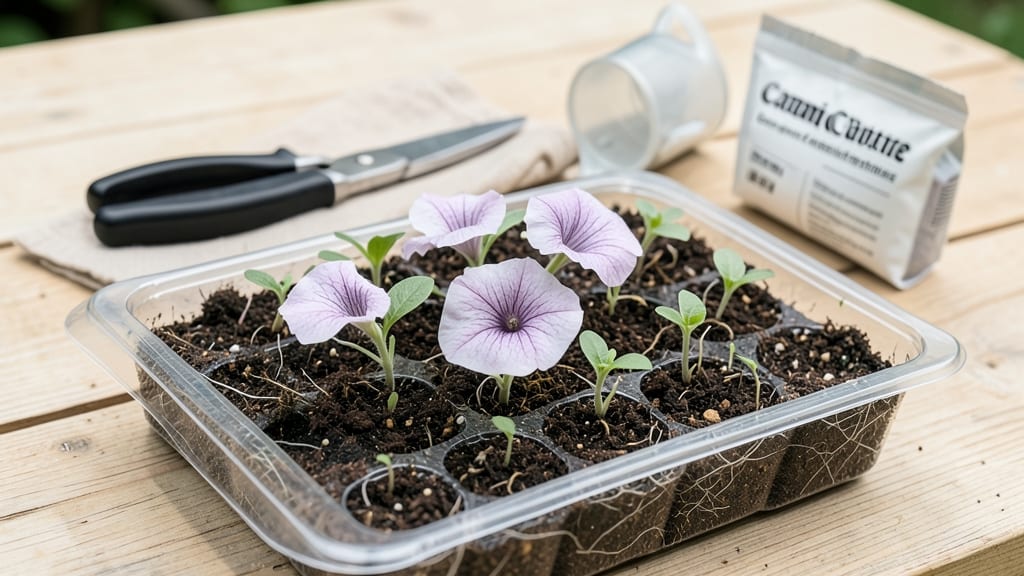
The germination of a flower starts with a tiny seed and ends with a blooming miracle—but only if you crack the timing code. I’ve watched petunia seeds pop in five days instead of three weeks by tweaking just a few variables, and I’m sharing those tricks here.
The difference between patience and frustration often comes down to moisture, warmth, and a little prep work you might be skipping.
You’ll need three simple supplies: a shallow tray, moistened seed-starting mix, and a clear plastic lid or plastic wrap to create a greenhouse effect. Temperature matters most—most flowers sprout fastest between 70-80°F, which means a seedling heat mat or sunny windowsill can cut weeks off your wait time.
Overwatering is the silent killer, though, so we’ll cover the exact moisture balance that keeps seeds happy without drowning them.
What you’ll end up with are stocky seedlings pushing through soil in record time, their first true leaves unfurling with surprising speed. The payoff? A garden that blooms weeks earlier than neighbors’—and fewer sad, leggy seedlings that collapse under their own weight.
Let’s get those seeds sprouting right the first time.
This method works for annuals, perennials, and even finicky tropicals—just adjust the soil mix and light exposure based on the flower type. Whether you’re starting petunias in March or snapdragons in September, the same principles apply. Here’s how to make it happen without the guesswork.
📚 In This Guide
- What you need
- Instructions
- Tips and common mistakes
- Wrapping up and next steps
What you need
- ● Seeds: Choose fast-growing flower seeds like marigolds, zinnias, or cosmos (packets typically contain 100-500 seeds).
- ● Seed-starting mix: 1-2 bags (5-10 quarts) of sterile, lightweight potting soil (avoid garden soil—it’s too dense!).
- ● Containers: Seed trays with cells (50+ cells) or
- ● Small pots (3-4 inches in diameter) or recycled containers (yogurt cups, egg cartons) with drainage holes.
- ● Watering can or spray bottle: With a fine mist nozzle to keep seeds moist without drowning them.
- ○ Clear plastic wrap or dome: To create a mini greenhouse effect (optional but highly effective!).
- ● Grow lights or sunny windowsill: A 12-16 hour daily light source (grow lights are ideal for indoor setups).
- ● Plant labels: Popsicle sticks or markers to track seed varieties.
- ● Trowel or spoon: For gently planting seeds without crushing them.
- ○ Heat mat (optional): A 70-75°F mat to speed up germination (great for slow starters like snapdragons).
- ● Fertilizer: A diluted, seed-safe fertilizer (like fish emulsion) for post-germination growth.
- ● Humidity tray: A shallow tray with pebbles and water to boost moisture levels.
- ● Timer: To monitor light cycles (12-16 hours/day) for consistent growth.
How to germinate flowers faster for earlier blooms
Here's how to coax seeds into sprouting with speed and confidence—no waiting weeks for your garden to wake up.
Prep Seeds with a Warm Soak
Start by placing your flower seeds in a small bowl and covering them with lukewarm water for 12 hours. This softens the seed coat, letting moisture penetrate faster and triggering germination sooner. I use a shallow dish so seeds don’t drown—they just need to sit submerged, not soaking like a bath.
After soaking, drain the water completely and wrap the seeds in a damp paper towel. Fold the towel so seeds are nestled between layers but not packed tightly. Place the wrapped towel in a sealed plastic bag—this traps humidity while allowing air circulation. Store in a warm spot (70-75°F) like on top of the fridge or near a sunny window.
Check daily for signs of moisture loss. If the towel feels dry, mist it lightly with water and reseal. You’ll see tiny cracks or swelling in 24-48 hours—that’s your signal germination is underway.
Use a Heat Mat for Rapid Sprouting
Transfer the damp towel-wrapped seeds to a seedling heat mat set to 75-85°F. Heat mats mimic the warm, moist conditions of spring soil and cut germination time in half. Place a shallow tray or plate on top of the mat to hold the towel flat—this ensures even contact with the heat source.
Cover the tray with clear plastic wrap or a humidity dome to lock in moisture. Check daily for condensation on the plastic—this means humidity is perfect. If you see water droplets, leave the cover on; if it’s foggy inside, remove it for 30 minutes to prevent fungal growth.
Most flower seeds sprout within 3-7 days under these conditions. Watch for the first tiny root (radicle) to emerge—this is your cue to move seeds to soil immediately.
Plant in Warm, Moist Soil
Fill small pots with sterile seed-starting mix and moisten it until damp but not soggy. Press the mix down lightly to remove air pockets, then create ¼-inch-deep furrows with your finger. Place the pre-sprouted seeds (radicle-side down) into the furrows, spacing them ½ inch apart for small flowers or 1 inch apart for larger varieties.
Cover the seeds with a thin layer of soil, then mist the surface with water until evenly damp. Avoid overwatering—soggy soil suffocates seeds. Place the pots back on the heat mat and cover with plastic wrap again to maintain warmth and humidity.
Keep the soil temperature at 70-75°F and check daily for moisture. Seeds should push through the soil in 3-5 days. Once you see the first true leaves (not the initial seed leaves), remove the plastic and move pots to bright, indirect light for 12 hours daily.
Transition to Light and Air
When seedlings have 2-3 sets of true leaves, it’s time to harden them off. Remove the plastic cover and place pots under grow lights or in a south-facing window where they’ll get 6-8 hours of light. Start with 4 hours of light daily, then increase by 2 hours every other day until they’re acclimated.
Rotate pots quarter-turn daily so seedlings grow straight, not lopsided. Watch for yellowing leaves—this signals overwatering or insufficient light. Adjust care immediately: reduce watering if soil stays damp, or move closer to the light source if stems stretch.
After 10-14 days under lights, seedlings are ready for the garden. Plant on an overcast day or in late afternoon to reduce transplant shock. Water deeply at the base to encourage root establishment.
Tips & tricks for perfect flower germination
Here's what nobody tells you about speeding up those stubborn seeds—these tricks cut waiting time by half.
Soak Like a Pro: The 12-hour lukewarm water soak is your secret weapon, but don't let seeds sit in cold water—it slows everything down. Use a thermometer to confirm the water stays between 70-75°F during soaking. For extra speed, add a pinch of seaweed extract to the water; it contains natural growth hormones that kickstart germination. After draining, don't wring out the towel—excess moisture creates anaerobic conditions that can rot seeds before they sprout.
Heat Mat Hack: That 75-85°F range on your heat mat isn't just arbitrary—it mimics spring soil temperatures when seeds naturally germinate fastest. Place a digital thermometer under the towel to monitor real-time heat. If your kitchen runs cooler, stack two heat mats or use a heating pad set to low. Pro tip: Never let the temperature exceed 85°F—above that, seeds can overheat and fail to germinate.
Timing Secret: Those 24-48 hours between soaking and visible cracks aren't just waiting—they're the most critical window. Check seeds every 12 hours using a magnifying glass. You'll see the radicle (tiny root) emerge first—this is your exact cue to plant immediately. If you wait for leaves to appear, you've already lost 24-48 hours of potential growth speed.
Light Transition Strategy: The 4-hour light increment in Step 4 isn't just gradual—it's about preventing shock. Start with just 4 hours because seedlings can't process more light than their tiny leaves can handle. Watch for stems stretching toward light (etiolation)—this means they need more time. Increase by 2 hours only when you see new leaf growth, not just stretching. This method produces stockier, healthier seedlings that transplant better.
Pro Tips for Germination Of A Flower
- Here's what nobody tells you about speeding up those stubborn seeds—these tricks cut waiting time by half.
- Soak Like a Pro: The 12-hour lukewarm water soak is your secret weapon, but don't let seeds sit in cold water—it slows everything down.
- Heat Mat Hack: That 75-85°F range on your heat mat isn't just arbitrary—it mimics spring soil temperatures when seeds naturally germinate fastest.
Frequently asked questions
Got questions about germinating flowers like a pro?
You’re not alone! Here are answers to the most common queries—so you can skip the guesswork and start sprouting faster.
How long does it take for a flower seed to germinate?
Germination time varies by plant type—some (like marigolds) sprout in 3–7 days, while others (like orchids) can take weeks to months. Check your seed packet for specifics, but most flowers germinate within 2–4 weeks under ideal conditions (warmth, moisture, and light). Patience is key!
Can I speed up germination for slower seeds?
Try these tricks:
- Soak seeds in warm water for 12–24 hours (great for hard-coated seeds like beans).
- Use a heat mat (70–85°F) to mimic spring soil warmth.
- Apply a light mist daily to keep moisture consistent.
- Try scarification (lightly sanding or nicking the seed coat) for tough shells.
Why aren’t my flower seeds sprouting? Troubleshooting tips!
If your seeds are MIA, check these common culprits:
Issue
Fix It!
Too cold
Move to a warmer spot (like near a sunny window or under grow lights).
Too dry
Mist seeds daily or use a humidity dome (like a plastic bag with holes).
Old/seeds
Test viability by soaking a few—if they float, they’re likely dead.
No light
Most flowers need indirect light; avoid direct sun until sprouts emerge.
Can I germinate flower seeds in water instead of soil?
Yes! Water germination works for some seeds (like sweet peas or violets), but it’s riskier. Here’s how:
- Place seeds in a jar with lukewarm water (change daily).
- Once roots appear (in ~5–10 days), transfer gently to soil.
- Warning: This method can weaken seedlings—soil is safer for most flowers.
What’s the best soil mix for germinating flower seeds?
Skip heavy garden soil! Use a light, sterile mix like:
- 50% peat moss or coconut coir (for moisture retention).
- 30% perlite or vermiculite (for drainage).
- 20% worm castings or compost (for nutrients).
Pro tip: Sterilize your mix by baking it at 200°F for 30 minutes to kill fungi/bacteria. A fine, fluffy texture = happy sprouts!
Wrapping up and next steps
Watching a seed transform into a vibrant bloom is one of nature’s most rewarding experiences! 🌱 By mastering the germination of a flower—from choosing the right soil and maintaining ideal moisture to controlling temperature and light—you’re well on your way to faster, healthier sprouts.
Every tiny root and shoot is a step toward a thriving garden, so don’t hesitate to experiment and refine your technique.
Ready to put your newfound knowledge into action? Start with one seed today! Whether you’re growing sunflowers, roses, or delicate orchids, patience and care will pay off in stunning results. Happy planting! 🌸