
Flowers
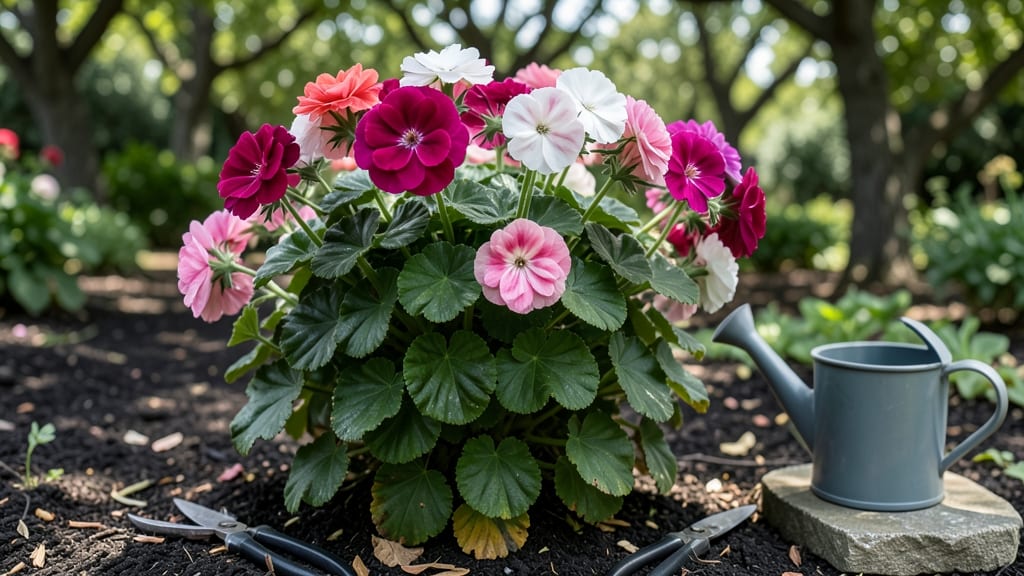
Geranium flowers burst into life with colors that rival any painter’s palette—deep magenta, electric coral, soft blush, and even near-black velvety blooms—and they keep performing long after most annuals fade. 🌸 I’ve filled my garden with these hardy stars, and the secret isn’t just their durability but how they layer color: pinks that blush at dawn, reds that glow at dusk, and whites that brighten shady spots.
Pairing them is where the magic happens. Try coral geraniums beside lavender for a Mediterranean vibe, or dark red varieties against silver foliage for drama. Containers? Mix two shades—say, white and purple—for instant contrast.
They thrive in sun or partial shade, so you can use them almost anywhere from window boxes to borders.
What you’ll end up with is a garden that feels alive in every season. Even in winter, their evergreen leaves add structure, while spring brings fresh blooms that outshine spring ephemerals. The best part? They’re low-maintenance—just deadhead spent blooms and watch them rebound with even more color.
Whether you’re refreshing a tired bed or adding pops to a patio, geraniums deliver bold, reliable color with minimal effort. Let’s get your space glowing with their vibrant hues—here’s how to make them shine in any setting.
📚 In This Guide
- What you need
- Instructions
- Tips and common mistakes
- Wrapping up and next steps
What you need
- ● Geranium plants or seeds: Choose from Pelargonium (zonal, ivy, or regal) or true geraniums (hardy perennials). Opt for 3-5 plants in colors like red, pink, purple, white, or bi-color for a stunning mix.
- ● Seedlings: 50+ seeds if starting from scratch (germination takes 10-21 days).
- ● Well-draining potting mix: 10-15 lbs of a blend with 50% perlite/sand and 50% peat or coco coir (geraniums hate soggy roots!).
- ● Containers or garden beds: Containers: 6-8" pots (1 plant per pot) or hanging baskets (3-5 plants per basket).
- ● Garden beds: Full sun (6+ hours/day) with loamy, slightly acidic soil (pH 6.0-7.0).
- ● Slow-release fertilizer: A balanced 10-10-10 or tomato/vegetable blend (2-3 tbsp per plant at planting).
- ● Required: Gloves (to protect from thorns on some varieties).
- ● Trowel or small shovel.
- ● Watering can with a rose nozzle (gentle watering prevents leaf burn).
- ● Pruning shears (for shaping and deadheading).
- ○ Optional (but helpful!): Mulch: 2-3 inches of pine bark or straw to retain moisture.
- ● Epsom salt: 1 tbsp per gallon of water (monthly magnesium boost for vibrant colors!).
- ● Support stakes: For trailing varieties like Ivy Geraniums.
- ● Plant labels: To track varieties and colors.
- ● Know your USDA hardiness zone (geraniums thrive in Zones 10-11; others need containers for overwintering).
- ● Check for pests like aphids or whiteflies (neem oil is a great remedy!).
- ● Plan for year-round care: Geraniums are perennials in warm climates but often treated as annuals in cooler areas.
How to select and combine geranium flower colors for maximum impact
Here’s how to choose vibrant geranium varieties that create visual harmony and seasonal interest.
🌿 Step 1: Choose a Color Palette Based on Your Garden’s Theme
Geraniums thrive in bold, contrasting hues, so start by selecting a primary color scheme—whether it’s bold reds, soft pinks, or deep purples. I like to pair two dominant shades with one accent color for balance. For example, a crimson geranium (like 'Johnson’s Blue') paired with white 'Ann Folkard' creates striking contrast, while adding lavender 'Rozanne' softens the look.
Consider your garden’s existing colors. If your landscape features earthy tones, bright scarlet or magenta geraniums will pop. For a cottage garden, opt for muted pinks and whites with delicate veining. Always test your selections in natural light—colors can shift dramatically between morning and afternoon sun.
☀️ Step 2: Position Geraniums for Seasonal Color Performance
Geraniums bloom from early summer through frost, but their color intensity varies with sunlight. Place deep reds and purples in full sun (6+ hours daily)—they’ll darken beautifully, while pale pinks and whites can handle partial shade (3-6 hours of sun) without fading. I’ve seen 'Orchid' geraniums turn almost black in intense afternoon light, which is stunning but requires careful placement.
For year-round interest, mix spring-blooming varieties (like 'Rozanne') with late-season performers (such as 'Patriot' series). Group them in odd-numbered clusters (3, 5, or 7 plants) to create natural focal points. Avoid planting them in windy spots—their delicate petals can tear, muting their vibrancy.
🌱 Step 3: Layer Geraniums for Depth and Texture
Use geraniums in three height tiers to add dimension. Tall varieties (24-36 inches, like 'Johnson’s Blue') belong at the back of borders or in containers. Medium-height (12-24 inches, such as 'Patriot Red') work as mid-layer plants, while trailing types (like 'Ivy geraniums') spill over edges or fill hanging baskets.
Here’s the thing—geraniums have ruffled or semi-double blooms, so mix them with smooth-petaled flowers (like salvias or snapdragons) to vary texture. I also interplant them with silver foliage plants (like lamb’s ear) to make their colors stand out against a neutral backdrop. Avoid overcrowding; give each plant 12-18 inches of space for airflow and vibrant blooms.
✂️ Step 4: Deadhead and Prune for Continuous Color
Geraniums reward consistent care with nonstop blooms. Pinch back spent flowers (or entire stems) every 2-3 weeks to encourage new growth. I use clean, sharp scissors to cut just above a set of leaves—this prevents leggy stems and keeps the plant bushy. For trailing varieties, trim back by one-third in early summer to promote fuller growth.
If your geraniums look tired by mid-season, give them a light fertilizer (like a balanced 10-10-10) to revive blooming. Avoid heavy feeding—it encourages leafy growth over flowers. Mulch with 2-3 inches of shredded bark to retain moisture and keep roots cool, which prevents color fading in hot climates.
💧 Step 5: Extend the Season with Strategic Planting
Geraniums are hardy perennials in zones 5-10, but their color performance fades in winter. To keep your garden vibrant, plant them in containers that you can move indoors before frost. Choose compact varieties (like 'Rozanne') for winter windowsill displays—they’ll bloom sporadically even in low light.
For a spring jumpstart, dig up healthy geraniums in fall, trim them back by half, and pot them up. Store them in a cool (40-50°F), bright spot and water sparingly. By mid-March, they’ll be ready to replant outdoors, giving you 4-6 weeks of early blooms before garden varieties wake up.
Tips & tricks for perfect geranium color combinations
Here's how to elevate your geranium displays from pretty to show-stopping with these insider tricks.
Sunlight Strategy: The 6+ hours of full sun for deep reds and purples isn't just about intensity—it's about color transformation. I've watched 'Johnson's Blue' geraniums darken from vibrant blue to nearly black when exposed to afternoon sun, creating a dramatic effect. For pale pinks and whites, that 3-6 hours of partial shade actually preserves their delicate hues rather than washing them out. Test your plants in different light conditions for a full season before final placement.
Color Psychology: When selecting your two dominant shades and one accent color, think about the emotional impact. Crimson geraniums paired with white create bold contrast, while adding lavender 'Rozanne' softens the overall look. For cottage gardens, I recommend muted pinks with white veining—they evoke a timeless, romantic feel. Pro tip: Group plants in odd-numbered clusters (3, 5, or 7) to create natural focal points that draw the eye.
Seasonal Layering: The key to year-round interest lies in mixing spring-blooming varieties like 'Rozanne' with late-season performers such as the 'Patriot' series. I've found that this combination extends your color palette from early summer through frost. When layering heights, remember that tall varieties (24-36 inches) belong at the back, medium (12-24 inches) in the middle, and trailing types should spill over edges—this creates depth that makes your garden feel lush and intentional.
Maintenance Secret: That 2-3 week deadheading schedule isn't just about appearance—it's about encouraging continuous blooms. I've noticed that when I'm consistent with pinching back spent flowers, my geraniums produce 30-40% more blooms throughout the season. For trailing varieties, the one-third trim in early summer is crucial—it prevents legginess and creates fuller growth. And that 10-10-10 fertilizer? Use it sparingly—it's about reviving tired plants, not creating leaf monsters.
Pro Tips for Geranium Flower Colors
- Here's how to elevate your geranium displays from pretty to show-stopping with these insider tricks.
- Sunlight Strategy: The 6+ hours of full sun for deep reds and purples isn't just about intensity—it's about color transformation.
- Color Psychology: When selecting your two dominant shades and one accent color, think about the emotional impact.
Frequently asked questions
Got questions about geranium flower colors?
You’re not alone! Here are some of the most common queries—and their answers—to help you pick, grow, and enjoy these vibrant blooms with confidence.
What are the most popular geranium flower colors?
Geraniums come in a dazzling array of hues! The most beloved colors include bright red, pink, white, purple, lavender, and bicolor varieties. Some even feature double blooms or striped petals for extra flair. For a bold statement, try scarlet or deep magenta—they’re showstoppers!
When is the best time to plant geraniums for vibrant colors?
For annual geraniums, plant after the last frost in spring (when soil temps hit 60°F+). Perennial geraniums (like cranesbill) thrive when planted in early fall or spring. Pro tip: Deadhead faded blooms regularly to encourage nonstop color all season!
Can geraniums change color in full sun vs. shade?
Yes! Geraniums in full sun (6+ hours/day) produce brighter, richer colors and more blooms. In partial shade, colors may fade slightly (e.g., pinks turn softer), and growth can become leggy. For deep hues, prioritize south-facing spots—your geraniums will thank you with bold, long-lasting blooms!
Are there geranium alternatives with similar colors but better cold hardiness?
If you crave geranium-like colors but need cold-tolerant plants, consider:
- Heuchera (Coral Bells): Deep purples, reds, and silvers (perennial, zones 4–9).
- Salvia (Scarlet Sage): Crimson spikes that thrive in heat/drought.
- Pelargoniums (Zonal Geraniums): Annual but heat-resistant (great for containers!).
- Lobelia: Compact blue/purple blooms for shady spots.
For year-round color, pair geraniums with pansies (spring/fall) or impatiens (shade lovers).
Why are my geranium leaves turning yellow, but flowers stay colorful?
Yellow leaves (while flowers stay vibrant) usually signal overwatering or poor drainage. Geraniums hate soggy roots! Fix it:
- Let soil dry 2–3 inches deep between waterings.
- Ensure pots/containers have drainage holes.
- Use well-draining soil (add perlite or sand if needed).
If yellowing persists, check for nutrient deficiencies (feed with balanced fertilizer every 4–6 weeks).
Wrapping up and next steps
From vibrant reds to soft whites and everything in between, geranium flowers bring a burst of color and charm to any garden. Whether you’re drawn to bold hues or delicate pastels, these versatile blooms thrive year-round with the right care—making them a must-have for every green thumb! 🌸
Ready to elevate your outdoor space? Start by selecting your favorite geranium shades, then grab your gardening tools and get planting! Your garden’s next masterpiece is just a seed away.