Flowers
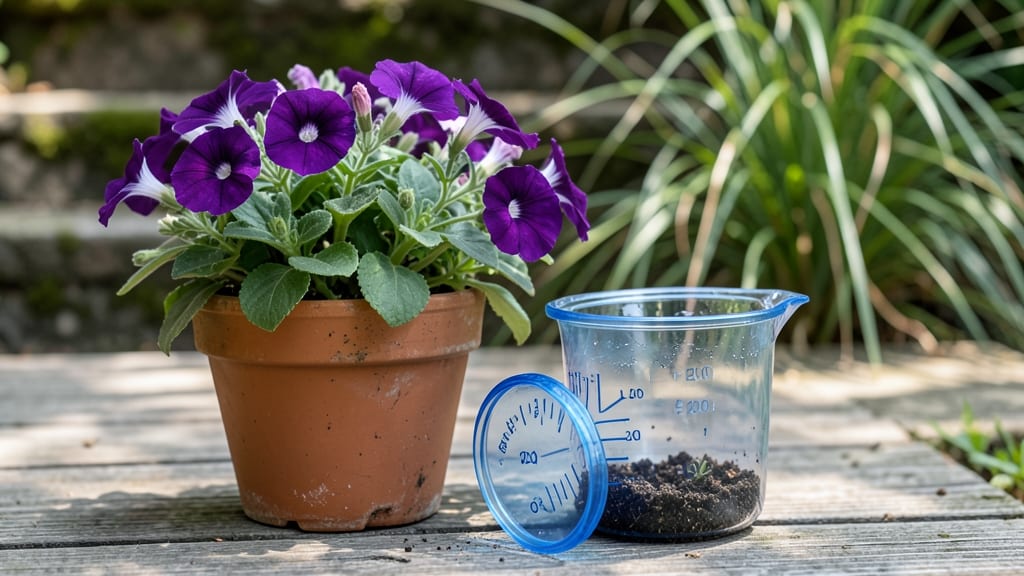
A flower pot volume calculator isn’t just math—it’s the difference between thriving plants and struggling ones. 🌿 I learned this the hard way when my impatiens wilted because their pot was too shallow for their roots.
The right volume ensures proper drainage, root expansion, and even aesthetics in your container garden.
Most gardeners overlook this step, but it's simple once you know the formula: multiply length × width × height (in inches) and divide by 1,728 to get cubic feet.
For example, a 12-inch square pot holds about 1.7 cubic feet—perfect for small herbs like basil or thyme. Larger flowers like petunias need 3+ cubic feet to flourish.
When you get it right, your plants grow fuller, bloom longer, and stay healthy all season. You'll also avoid the common mistake of crowding too many plants into one pot, which leads to competition for nutrients and poor drainage.
This calculator ensures every plant gets the space it needs to shine.
Whether you're designing a balcony garden or a patio display, this method works for any container shape or size. Let's dive into the exact steps to measure, calculate, and create the perfect planting plan for your space.
📚 In This Guide
- What you need
- Instructions
- Tips and common mistakes
- Wrapping up and next steps
What you need
- ● Ruler or tape measure: A flexible 12-inch (30 cm) or longer measuring tape works best for accuracy.
- ● Notebook or digital note-taking app: To jot down measurements and calculations.
- ● Calculator (or smartphone): For quick volume computations (formula: V = L × W × H).
- ● Flower pots (or pot templates): Choose pots with standard shapes (round, square, rectangular) for easier volume calculations.
- ○ Drainage material (optional but recommended): Small river rocks or gravel (1–2 inches thick).
- ● Perlite or pumice (for lightweight drainage).
- ● Soil or growing medium: A well-draining potting mix (avoid garden soil—it compacts!).
- ● Volume calculator tool: Use an online flower pot volume calculator for instant results (like this one!).
- ● Markers or labels: To label pots with plant names or care instructions.
- ● Gloves: Protect your hands from soil and sharp pot edges.
- ● Watering can or hose with a gentle nozzle: For post-planting hydration.
Step-by-Step guide for calculating flower pot volume
Here's how to determine the perfect pot size for your plants—no guesswork involved.
🪴 Step 1: Measure Your Plant's Root System
Start by examining the plant's root ball if you're repotting, or reference the plant's mature size from a tag or guide. For new plants, measure the diameter of the root ball or the plant's crown (where stems meet soil). Most container plants need a pot that's 2-3 inches wider than the root ball's diameter to allow for growth. For example, a 6-inch-wide root ball typically needs an 8-9 inch pot.
If you're growing from seed, use the plant's mature width as your guide. Check the seed packet or plant database for expected mature size—this ensures you won't outgrow the pot too quickly. For instance, a basil plant matures at 12-18 inches wide, so a 10-12 inch pot works perfectly. Real talk: Skipping this step means transplanting sooner than expected, which stresses plants.
📏 Step 2: Calculate Soil Volume Requirements
Once you know the pot's diameter, calculate its volume using the formula for a cylinder: Volume = π × radius² × height. For example, a 12-inch diameter pot that's 12 inches tall has a radius of 6 inches. Plugging in the numbers: 3.14 × 6² × 12 = 1,356 cubic inches (about 7.8 gallons). Round up to the nearest whole gallon for practicality.
Here's the thing—most potting mixes settle and lose volume over time. To account for this, add 10-20% extra soil to your calculation. For our 12-inch pot example, that means planning for 9-10 gallons of soil total (including what you'll need for amendments like compost or perlite). I always overestimate here—better to have leftover soil than scramble for more mid-project.
🌱 Step 3: Adjust for Plant Type and Growth Habits
Not all plants have the same space needs. Shallow-rooted plants like lettuce or herbs (e.g., basil, parsley) thrive in pots with more surface area than depth—prioritize wider, shallower containers. Deep-rooted plants like tomatoes or rosemary need taller pots to accommodate their vertical growth. A 10-inch diameter pot might work for lettuce, but the same pot would be too shallow for a rosemary bush.
For plants with aggressive root systems (like mint or bamboo), add an extra 2-3 inches to the pot's depth to prevent root-bound conditions. You'll notice faster growth and fewer transplant shocks when you give roots room to spread. Pro tip: Label pots with the plant's name and date—it helps track growth patterns over time.
⏰ Step 4: Verify Drainage and Pot Stability
After calculating volume, ensure your chosen pot has proper drainage. A pot without holes will trap water, leading to root rot. If your selected pot lacks drainage, plan to add a 2-inch layer of gravel or broken pottery at the bottom before adding soil. This layer shouldn't take up more than 10-15% of the pot's total volume, or you'll reduce soil space too much.
Finally, consider the pot's weight when full. A 10-gallon pot filled with soil can weigh 80-100 pounds—heavy enough to tip over in wind or when you water it. Place pots on sturdy, level surfaces, and avoid placing them near edges where they could be knocked over. I like to use saucers under pots to catch runoff and add a bit of stability at the base.
Tips & tricks for perfect container garden planning
These practical insights will help you avoid common mistakes and get your container garden calculations just right.
Root System Rule: When measuring your plant's root ball in Step 1, don't forget to account for future growth. Many plants will spread 2-3 times their initial root diameter within a year. For example, that 6-inch root ball might need an 11-12 inch pot after just six months of growth. I always add an extra inch to my calculations to give roots room to expand without becoming root-bound.
Soil Settlement Reality: The 10-20% extra soil you should add in Step 2 isn't just about settling—it's also about accounting for the fact that you'll need to replace some soil after each harvest. For example, with that 12-inch pot requiring 9-10 gallons of soil, plan to have 2-3 extra gallons on hand for future top-ups. This prevents you from having to repot too soon just because the soil has compacted.
Plant Type Precision: In Step 3, remember that plant height matters just as much as width. A tall plant like rosemary might need a pot that's 2-3 inches deeper than its mature width, while a sprawling plant like basil needs a wider but shallower container. I keep a reference chart of common plants and their ideal pot dimensions—it saves time when shopping for containers. For aggressive growers like mint, I always choose pots that are at least 3 inches deeper than the standard recommendation.
Drainage Layer Strategy: That 2-inch drainage layer in Step 4 is crucial, but don't let it take up too much space. For a 10-gallon pot, 2 inches of gravel only occupies about 1.5 gallons—well within your 10-15% limit. I prefer using broken terracotta pots because they're free (just crush old ones) and provide better drainage than pebbles. This small detail prevents waterlogging while maximizing your usable soil volume.
Pro Tips for Flower Pot Volume Calculator
- These practical insights will help you avoid common mistakes and get your container garden calculations just right.
- Root System Rule: When measuring your plant's root ball in Step 1, don't forget to account for future growth.
- Soil Settlement Reality: The 10-20% extra soil you should add in Step 2 isn't just about settling—it's also about accounting for the fact that you'll need to replace some soil after each harvest.
Frequently asked questions
Why does pot volume matter for my plants?
Pot volume determines root growth space, drainage, and nutrient availability. Too small? Roots get cramped, leading to stunted growth or poor flowering. Too large? Overwatering risks rot. A calculator ensures your plants thrive without guesswork—saving time and resources!
Can I reuse old pots or containers?
Just measure their interior dimensions (length × width × height) and input them into a volume calculator. Pro tip: Drill drainage holes if missing—no pot is too small if it’s properly drained. Bonus: Upcycle buckets, bathtubs, or even old boots for quirky planters!
How does weather affect pot volume needs?
Hot/dry climates need larger pots (more soil = slower moisture loss), while cool/humid areas can handle smaller ones. Succulents and cacti? Opt for shallow, wide pots—their roots prefer space over depth. Always check your plant’s native growing conditions as a guide!
What if my calculator results don’t match my plant’s needs?
Start with the minimum recommended pot size for your plant (check seed packets or plant tags). If the calculator suggests a tiny pot, upgrade to the next size up. For example, a tomato plant needs 5+ gallons—even if the math says 3 gallons fits. When in doubt, bigger is better!
Can I stack or nest pots to save space?
Yes! Use self-watering systems or nest smaller pots inside larger ones (with drainage layers like gravel). For vertical gardens, stack pots with weighted bases to prevent toppling. Just ensure each plant gets its ideal volume—no sharing soil unless they’re compatible (e.g., herbs like thyme and oregano).
| Quick Fixes for Common Issues |
|---|
|
Leggy plants? Upgrade to a larger pot immediately. Yellowing leaves? Check drainage—add perlite or repot. Slow growth? Fertilize lightly and increase sunlight. |
Wrapping up and next steps
Mastering your container garden just got easier!
With a flower pot volume calculator, you can now confidently select the perfect pots for your plants—whether you're a seasoned gardener or just starting out. 🌱 By understanding volume, drainage, and root space, you’ll create a thriving green oasis that’s both beautiful and functional.
Ready to take the next step? Grab your measuring tools, sketch your dream garden layout, and start planting with precision! Your future blooms will thank you.