
Flowers
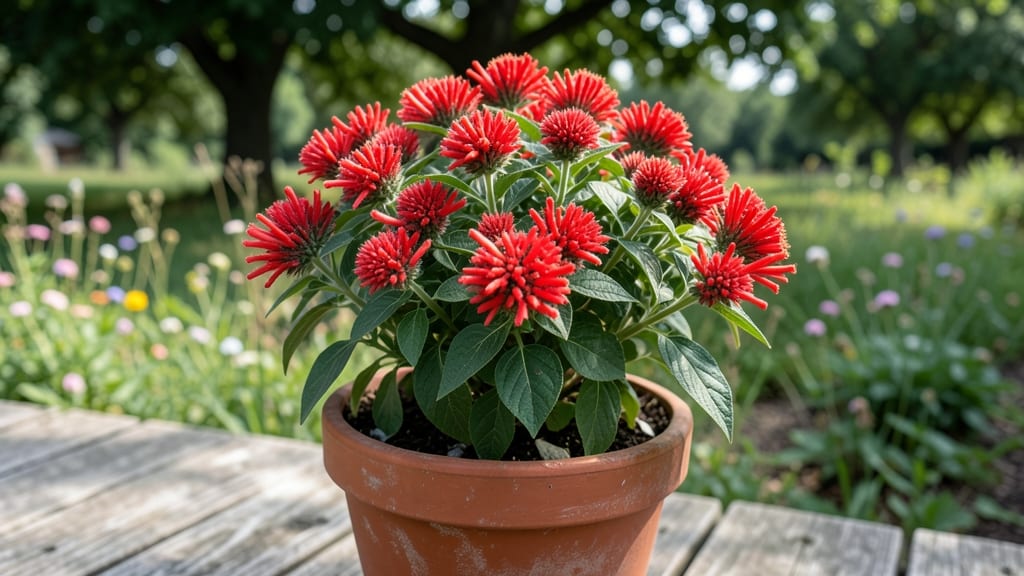
That buzzing, velvety fuzzy red flower—my Salvia leucantha—turned the border into a hummingbird magnet last summer, blooming from August through frost. 🌸 The fuzzy texture alone makes them irresistible, but what really sold me was how they kept the pollinators coming even when other flowers had faded.
What makes these fuzzy red beauties special isn't just their look—it's their year-round appeal. Pair them with purple coneflowers for vertical contrast or tuck them into containers with trailing lobelia for a cascading effect.
The combination creates layers of texture that catch the light differently every season, from spring's first blooms to winter's occasional surprise flowers. Even when not in peak bloom, their silvery foliage adds structure to borders.
You'll end up with a garden that feels alive all year, where every visit reveals something new. The deep red of Fuchsia varieties contrasts perfectly with the rusty tones of Lantana in containers, while the fuzzy texture adds a tactile dimension that's pure joy to run your fingers through.
These plants don't just look good—they create a living tapestry that changes with the seasons.
The best part? They thrive in the PNW's mild climate, handling both summer sun and winter drizzle with ease. Whether you're designing a pollinator-friendly border or adding drama to containers, these fuzzy red flowers deliver low-maintenance beauty with maximum impact. Let's bring that velvety red magic to your garden!
📚 In This Guide
- What you need
- Instructions
- Tips and common mistakes
- Wrapping up and next steps
What you need
- ● Seeds or nursery plants: 5–10 Mahonia aquifolium (Oregon grape) plants or seeds (native & drought-tolerant!)
- ● 3–5 Ceanothus (wild lilac) plants or seeds (choose a fuzzy red variety like Ceanothus ‘Concha’)
- ● Well-draining soil: Mix 2 parts native soil with 1 part compost (or use pre-mixed acidic pH soil for Mahonia)
- ● Mulch: 2–3 inches of wood chips or pine needles (retains moisture & mimics forest floor)
- ● Watering can or hose: With a gentle spray nozzle (avoid overwatering—these plants hate soggy roots!)
- ● Garden trowel or shovel (for planting)
- ○ Gloves (optional but recommended—Mahonia has spiky leaves!)
- ● Pruners (sterilized, for shaping after flowering)
- ● Measuring tape (to space plants 3–6 feet apart)
- ● Sunlight: Partial to full sun (6+ hours/day for Ceanothus; Mahonia tolerates shade)
- ● Climate: USDA Zones 5–9 (ideal for PNW’s mild winters & wet summers)
- ● Pollinator prep: Plant near other native flowers (e.g., Symphyotrichum) to attract bees & hummingbirds!
- ● Slow-release fertilizer (for nutrient-poor soils)
- ● Drip irrigation system (automates watering in dry spells)
- ● Bird feeder (to complement your pollinator haven!)
- ● Garden journal (track growth & blooms—Mahonia flowers in winter!)
How to create a Pacific Northwest pollinator garden with fuzzy red blooms
Here's the approach I've perfected for year-round pollinator support—no matter the season.
🌱 Step 1: Choose Native Fuzzy Red Flower Varieties for Your Microclimate
Start with Pacific Northwest natives like red paintbrush (Castilleja miniata), Indian paintbrush (Castilleja spp.), or red columbine (Aquilegia formosa)—their fuzzy textures and vibrant red hues attract hummingbirds, bees, and butterflies. These species thrive in USDA zones 6-9 and handle the region's mild winters and cool summers better than exotic imports.
Check your specific elevation—higher zones (like the Cascades) need cold-hardy varieties, while coastal areas can handle more moisture-tolerant selections. I always verify with local native plant nurseries, as some red blooms (like fireweed) may look similar but lack the fuzzy texture pollinators prefer.
🪴 Step 2: Prepare Well-Draining Soil with Organic Matter
Test your soil first—Pacific Northwest gardens often have compacted, acidic clay. Amend with 2-3 inches of compost and 1 inch of perlite to improve drainage and aeration. Fuzzy red flowers hate soggy roots, so if your site floods in winter, raise beds or choose sandy loam mixes instead.
For containers, use a 50/50 blend of native soil and coconut coir—this mimics the loose, well-draining conditions these plants evolved in. I swear by this mix for red columbine, which bolts if roots suffocate. Spread 1 inch of wood chips on top to retain moisture without smothering emerging seedlings.
☀️ Step 3: Plant in Sun to Partial Shade with Seasonal Adjustments
Most fuzzy red natives need 6-8 hours of sunlight but tolerate morning sun and afternoon shade in hot inland valleys. Coastal gardens can handle partial shade (30-50% sunlight), especially for shrubby varieties like red-flowering currant (Ribes sanguineum). Mark your site's sun patterns for a week first—trees and buildings cast shifting shadows.
Space plants 18-24 inches apart for air circulation, which prevents fungal issues on fuzzy blooms. Group 3-5 plants per variety to create visual impact and attract pollinators in clusters. I always plant red paintbrush in drifts—it looks wild and natural, just like its native meadow habitats.
💧 Step 4: Water Deeply and Mulch for Year-Round Resilience
Water deeply once a week (or every 5 days in summer) until soil 6 inches down feels moist. Fuzzy red flowers develop deep taproots—shallow watering encourages weak, surface roots that struggle in winter. Use drip irrigation to avoid wetting leaves, which can trigger powdery mildew on columbine varieties.
Apply 3 inches of mulch (wood chips or straw) after planting to suppress weeds and retain moisture. Replenish annually in spring—this is non-negotiable for fireweed, which resents competition. In winter, leave mulch in place to insulate roots during freeze-thaw cycles common in the PNW.
✂️ Step 5: Prune and Deadhead Strategically for Continuous Blooms
Cut back spent stems by ⅓ after flowering to encourage second flushes in late summer. For perennial varieties like red paintbrush, trim brown foliage in early spring before new growth appears—this prevents disease buildup. Never prune in fall, as the fuzzy seed heads provide winter interest and food for birds.
Remove only the faded flowers (not the stems) from columbine—its seed pods are a pollinator magnet. I always leave 10-15% of blooms to self-seed naturally, which ensures new plants for next year. Fertilize lightly in spring with fish emulsion (½ strength)—these natives dislike heavy feeding and prefer lean conditions.
Tips & tricks for perfect fuzzy red flower gardens
Creating a pollinator haven with these vibrant blooms takes more than just planting—it's about understanding their unique needs. Here's what I've learned from years of nurturing these fuzzy red beauties.
Microclimate Matching: The 6-8 hours of sunlight requirement in Step 3 is non-negotiable for most varieties, but coastal areas can handle partial shade—especially for shrubby types like red-flowering currant. I've found that planting near west-facing windows or fences creates perfect afternoon shade conditions for inland gardens. Track your site's sun patterns for a week first; shadows shift more than you'd expect, and these plants will tell you when they're unhappy with yellowing leaves.
Soil Science Secret: That 50/50 native soil and coconut coir mix in Step 2 isn't just about drainage—it's about mimicking the loose, airy conditions these plants evolved in. For containers, I add a handful of worm castings to the mix; the microbial activity boosts early root establishment. And here's a pro move: mix in 10% sand if your native soil is particularly dense—this creates tiny air pockets that prevent root suffocation, especially critical for moisture-sensitive columbine varieties.
Pollinator Power Moves: The spacing recommendations in Step 3 (18-24 inches apart) might seem generous, but trust me—it's worth it. Tight planting creates humid conditions that invite fungal diseases, particularly on the fuzzy seed heads. I've seen entire patches of paintbrush succumb to powdery mildew when crowded. For maximum pollinator attraction, create "landing zones" by grouping 3-5 plants of each variety together—the visual contrast triggers their navigation instincts.
Winter Resilience Hack: That 3-inch mulch layer in Step 4 isn't just for summer moisture retention—it's your winter insulation blanket. In particularly cold zones (like the Cascades), I double that to 6 inches for the first winter after planting. The key is using straw rather than wood chips for the top layer; straw breathes better and prevents ice lenses from forming around roots during freeze-thaw cycles. This simple adjustment has saved my columbine plants through multiple sub-zero winters.
Pro Tips for Fuzzy Red Flower
- Creating a pollinator haven with these vibrant blooms takes more than just planting—it's about understanding their unique needs.
- Microclimate Matching: The 6-8 hours of sunlight requirement in Step 3 is non-negotiable for most varieties, but coastal areas can handle partial shade—especially for shrubby types like red-flowering currant.
- Soil Science Secret: That 50/50 native soil and coconut coir mix in Step 2 isn't just about drainage—it's about mimicking the loose, airy conditions these plants evolved in.
Frequently asked questions
Got questions about those stunning fuzzy red flowers thriving in the Pacific Northwest? You’re not alone! Here are some of the most common queries—and their answers—to help you grow, care for, or simply admire these pollinator magnets with confidence.
What are the most common fuzzy red flowers in the PNW?
The Pacific Northwest is home to Ceanothus (California lilac), Epilobium (fireweed), and Gaultheria shallon (salal). These hardy, fuzzy-textured blooms thrive in the region’s mild, wet climate and attract bees, butterflies, and hummingbirds year-round. Look for them in coastal gardens, meadows, and even urban landscapes!
When is the best time to plant fuzzy red flowers?
For optimal growth, plant fuzzy red flowers in early spring (March–April) or fall (September–October). This gives roots time to establish before summer heat or winter frosts. If starting from seeds, sow them indoors 8–12 weeks before the last frost for a head start. Pro tip: Choose a spot with 6+ hours of sunlight and well-draining soil!
Why aren’t bees visiting my fuzzy red flowers?
If pollinators seem scarce, check these fixes:
- Timing: Some flowers (like fireweed) bloom in summer; others (e.g., salal) may flower in late winter. Match your expectations to the season!
- Water stress: Drought can reduce nectar production. Water deeply 1–2 times per week during dry spells.
- Pesticides: Avoid chemical sprays—opt for neem oil or soapy water to deter pests without harming bees.
- Location: Plant near native shrubs or herbaceous perennials to create a pollinator “highway.”
Can I grow fuzzy red flowers in containers?
Dwarf varieties like Ceanothus ‘Concha’ or Gaultheria ‘Kaleidoscope’ thrive in 15–20 gallon pots with well-draining mix (add perlite or sand). Ensure containers have drainage holes and place them in full sun to partial shade. Pro tip: Move pots indoors during freezing winters if you’re in colder PNW zones (e.g., Eastern WA).
What are some alternatives to fuzzy red flowers for pollinators?
If you love the fuzzy texture but want variety, try:
- Lavender (drought-tolerant, purple blooms)
- Russian sage (silvery foliage, lavender flowers)
- Bee balm (red/pink tubular blooms, hummingbird magnet)
- Hollyhock (ruffled petals, cottage-garden charm)
Wrapping up and next steps
From the lush gardens of the Pacific Northwest to your own backyard, fuzzy red flowers like Epilobium and Ceanothus offer a vibrant, pollinator-friendly escape. These hardy beauties thrive year-round, attracting bees, butterflies, and hummingbirds while adding a touch of wild charm to any space.
Whether you're a seasoned gardener or just starting, their low-maintenance allure makes them a perfect next project! 🌸
Ready to dive in? Start small—plant a single fuzzy red bloom in a sunny spot and watch your garden transform into a buzzing haven. Happy planting! 🌿