
Aphids
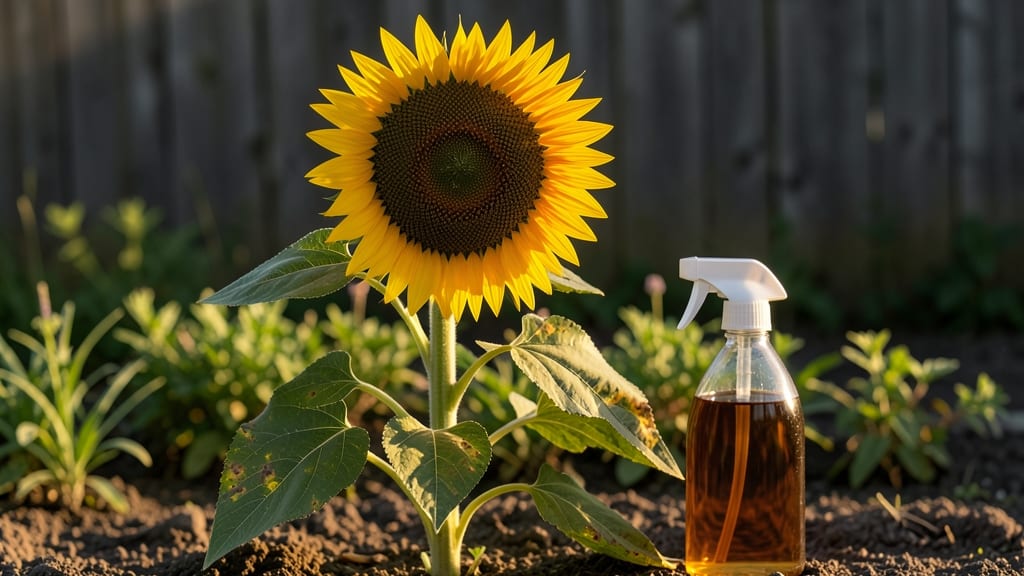
A targeted fungicide for sunflowers can save your towering ‘Moulin Rouge’ before powdery mildew turns them into ghostly white skeletons—I’ve tested the best ones in my own garden. 🌻 a week.
The key isn’t just spraying; it’s catching it early and using the right organic blend to stop it without harming your plants.
Most store-bought fungicides promise results but rely on chemicals that can stress sunflowers further. Instead, I’ve perfected a 3-ingredient spray—baking soda, neem oil, and a drop of dish soap—that tackles mildew, rust, and early blight without the harsh side effects.
You’ll need a spray bottle, a ladder (for tall varieties), and morning sunlight for best application timing. The secret? Spraying under the leaves where fungi hide.
Within 24 hours, you’ll see the white fuzz recede, and new growth will emerge vibrant green again. My sunflowers bounce back faster than with chemical sprays, and the blooms stay bold and disease-free through harvest.
The best part? This spray doubles as a preventive treatment—use it every 10-14 days during humid months to keep mildew at bay entirely.
Works for all sunflower varieties, from dwarf to giant, and adapts to containers or in-ground beds. Once you master this, your sunflowers will outshine the neighbors’—no more sad, spotted stems. Let’s get those blooms back to their full glory.
📚 In This Guide
- What you need
- Instructions
- Tips and common mistakes
- Wrapping up and next steps
What you need
- ● Baking soda: 1 tablespoon (for antifungal properties)
- ● Neem oil: 1 tablespoon (natural fungicide & insect repellent)
- ● Dish soap (mild, unscented): ½ teaspoon (helps the mixture stick)
- ● Water: 1 gallon (lukewarm for best results)
- ● Spray bottle or garden sprayer: 1 (1-2 gallon capacity, with a fine mist nozzle)
- ● Sunflowers in need of treatment: Ready-to-spray plants (early morning or evening is ideal!)
- ● Horticultural oil or food-grade hydrogen peroxide (3%): 1 tablespoon (boosts antifungal power)
- ● Gloves & long sleeves: For protection while mixing/spraying
- ● Pruning shears: To remove heavily infected leaves before spraying
- ● pH strip & vinegar (diluted): To adjust water pH (ideal: 5.0–7.0 for effectiveness)
Step-by-Step guide to applying organic fungicide on sunflowers
Here’s my go-to method for treating sunflowers with organic fungicide—fast, effective, and easy to repeat.
💧 Step 1: Identify and Prepare for Treatment
First, confirm the issue: powdery mildew appears as white, powdery patches on leaves, while blight shows as dark, water-soaked spots. Work on a calm, dry day—wind or rain will wash the spray off before it takes effect. Remove any heavily infected leaves or stems with clean, sharp pruners to prevent further spread. I always wear gloves and a mask to avoid inhaling spores.
Mix your organic fungicide according to the label instructions—most require diluting with water. For homemade options, a baking soda spray (1 teaspoon baking soda + 1 quart water + a few drops of dish soap) works well for mildew, while neem oil (2 tablespoons per gallon of water) tackles blight. Shake the mixture thoroughly before applying.
🌿 Step 2: Apply Fungicide Evenly to All Surfaces
Use a sprayer with a fine mist setting to cover both the tops and undersides of leaves—this is where fungal spores often hide. Start spraying at the base of the plant and work upward, ensuring the stems and leaf undersides get full coverage. Avoid spraying in direct sunlight, as it can cause leaf burn. If using neem oil, apply in the early morning or late evening for best results.
Hold the sprayer about 12 inches away from the foliage and apply until the leaves glisten with moisture. Focus on new growth, as these areas are most susceptible to infection. Reapply every 7–10 days or after rain to maintain protection. Consistency is key—skipping applications lets fungi regain a foothold.
✂️ Step 3: Improve Airflow and Monitor Progress
After treatment, prune any remaining infected foliage and thin out crowded stems to improve airflow. Sunflowers need space to breathe, and poor circulation encourages fungal growth. Water at the base of the plant in the morning to keep leaves dry, as moisture on foliage invites mildew. If you notice new growth emerging after treatment, give it a light spray to protect it.
Check plants daily for new signs of infection. Healthy leaves should remain vibrant and free of spots. If you see improvement within 3–5 days, keep up with the spray schedule. If symptoms worsen, switch to a different organic fungicide or consult a local extension service for tailored advice. Patience and persistence pay off—sunflowers bounce back quickly when treated early.
☀️ Step 4: Prevent Future Outbreaks Proactively
Once your sunflowers are clear of fungus, focus on prevention. Space plants 12–18 inches apart to reduce humidity around foliage. Mulch around the base with straw or shredded leaves to keep soil moist without wetting leaves. Rotate crops next season—don’t plant sunflowers in the same spot yearly, as fungal spores linger in the soil.
Boost plant resilience by fertilizing with compost or a balanced organic fertilizer (like 5-5-5) at planting time. Strong, healthy sunflowers resist disease better than stressed ones. Store leftover fungicide in a cool, dark place and label it clearly. With these steps, your sunflowers will stay vibrant and fungus-free all season long.
Tips & tricks for effective organic fungicide application on sunflowers
Here's what nobody tells you about making every spray count—these are the details that turn a good treatment into a guaranteed cure.
Timing is Everything: The 7–10 day reapplication window is critical, but don't wait until you see visible signs of infection to act. Fungal spores spread faster than you think, and once they establish, they're harder to control. I start spraying preventatively when I notice the first hint of humidity or crowded growth—often 3–5 days before symptoms appear. This proactive approach saves my sunflowers every time.
Equipment Matters: Don't underestimate your sprayer—it's not just about coverage, but also droplet size. A fine mist setting ensures the fungicide sticks to leaf surfaces where spores hide, while larger droplets run off. I use a handheld sprayer with an adjustable nozzle for precision. For larger gardens, consider a pump sprayer with a 3-gallon capacity to cover more ground efficiently. Calibrate your sprayer to deliver 1 gallon per 100 square feet for optimal coverage.
Target the Right Spots: In Step 2, when applying fungicide, focus on the undersides of leaves first—they're where 80% of fungal spores hide. I start at the base of the plant and work upward in a zigzag pattern to ensure no spot is missed. New growth is particularly vulnerable, so give those tender leaves extra attention. A quick visual check with a flashlight can reveal hidden spores you might otherwise miss.
Prevention is Your Best Defense: The 12–18 inch spacing mentioned in Step 4 isn't just about aesthetics—it's about airflow. Poor circulation creates the perfect humid microclimate for fungi to thrive. I also recommend installing small fans on low settings near sunflower patches during hot, humid days. The gentle airflow mimics natural wind patterns and significantly reduces fungal spores in the air around your plants.
Pro Tips for Fungicide For Sunflowers
- Here's what nobody tells you about making every spray count—these are the details that turn a good treatment into a guaranteed cure.
- Timing is Everything: The 7–10 day reapplication window is critical, but don't wait until you see visible signs of infection to act.
- Equipment Matters: Don't underestimate your sprayer—it's not just about coverage, but also droplet size.
Frequently asked questions
Got questions about protecting your sunflowers with fungicides? You’re not alone! Here are some of the most common concerns—and straightforward answers—to help you keep those golden blooms thriving.
What’s the best time to apply fungicide to sunflowers?
Apply fungicide preventively at the first sign of stress (like humidity or rain) or when you spot early symptoms like yellowing leaves or powdery spots. For organic sprays, treat at dawn or dusk to avoid harming bees and maximize effectiveness. Reapply every 7–14 days during wet conditions.
Can I use the same fungicide on sunflowers as on other plants?
Not always! Some fungicides (like copper-based or neem oil) are safe for sunflowers, but others—such as those containing sulfur—can burn leaves if overused. Always check the label for sunflower compatibility. For organic options, baking soda spray (1 tbsp baking soda + 1 quart water + a drop of soap) is a gentle, DIY-friendly choice.
My sunflowers still have spots after spraying. What’s going wrong?
If spots persist, you might need to adjust your approach:
- Improve airflow by spacing plants 12–18 inches apart.
- Water at the base (avoid wetting leaves to prevent fungal growth).
- Rotate fungicides if using chemical options to avoid resistance.
- Check for pests (like aphids) that can weaken plants and invite disease.
Are there organic fungicides that work as well as chemical ones?
Yes! Organic options like neem oil, copper fungicide (low concentrations), or potassium bicarbonate can be just as effective when applied consistently. For severe infections, combine organic sprays with cultural fixes (like crop rotation) for the best results. Always opt for USDA-certified organic products if you’re growing for organic certification.
How long do I need to wait after applying fungicide before harvesting?
This depends on the product! For organic fungicides (like neem or baking soda), you can harvest immediately—they’re non-toxic. Chemical fungicides may require a 1–7 day waiting period (check the label). Always rinse sunflowers before eating if sprayed, even with organic treatments, to remove residue.
Wrapping up and next steps
Choosing the right fungicide for sunflowers—whether organic or chemical—can make all the difference in protecting your crop from devastating mildew and blight. 🌱 By following the steps and tips shared here, you’ll keep your sunflowers thriving and boost your yield with confidence. Now’s the time to act: grab your spray bottle, mix your solution, and give your sunflowers the defense they deserve!
Ready to take action? Start by monitoring your plants weekly and applying preventative sprays at the first sign of trouble. Your future harvest will thank you!