
Pests
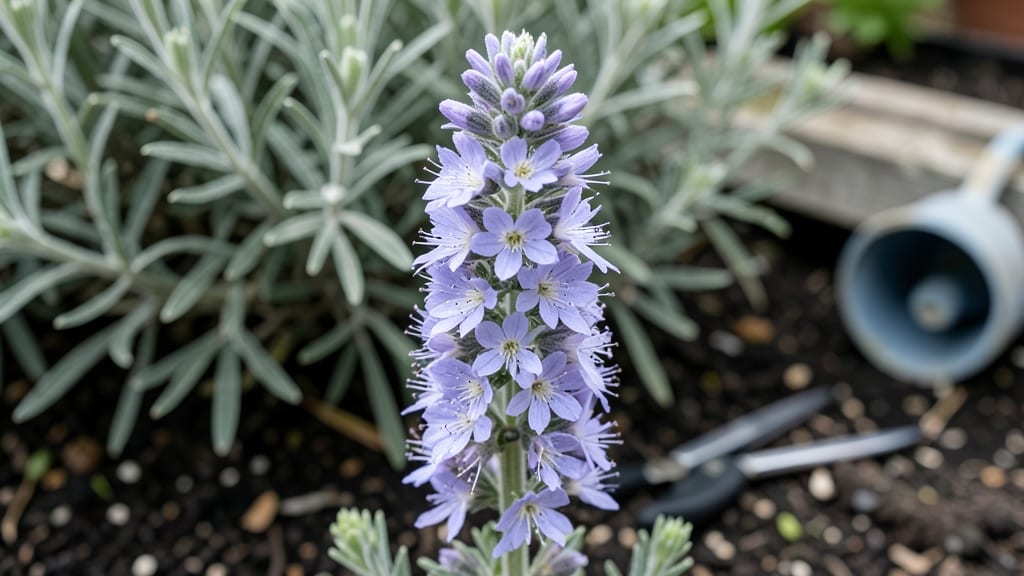
Flowers that are rabbit-resistant can save your garden from becoming a rabbit buffet—just pick the toughest, most pungent blooms. 🌿 The secret lies in strong scents, fuzzy textures, or bitter tastes that make rabbits skip right over them.
I’ve lost count of how many tulips my neighbors’ bunnies ate before I switched to these resilient standouts.
Lavender, daffodils, and snapdragons top the list because their fragrance or fuzzy leaves confuse rabbits’ sensitive noses. Even better, these plants thrive in full sun and bloom reliably—so you get both beauty and protection. The key is pairing them with thorny roses or garlic chives for extra defense.
By summer’s end, your garden will be a fragrant, bite-free paradise. Imagine lavender’s purple spikes swaying in the breeze while rabbits munch on your neighbor’s hostas instead. The best part? These flowers multiply every year, making them a low-maintenance win.
For extra peace of mind, add a physical barrier like chicken wire around new plantings until roots establish. In high-rabbit zones, combine these tough blooms with commercial repellents for the first few months. Your garden’s survival starts here.
📚 In This Guide
- What you need
- Instructions
- Tips and common mistakes
- Wrapping up and next steps
What you need
- ● Rabbit-resistant flowers: 1–5 plants per variety (e.g., Lavender, Snapdragons, or Marigolds—check your local climate zone for best picks!)
- ● Dahlias, Foxgloves, or Alliums (bulbs/seeds, quantities based on garden size).
- ● High-quality potting soil: 2–3 bags (sterile, well-draining mix for containers or in-ground planting).
- ● Organic mulch: 1–2 bags (e.g., cedar chips or straw to deter rabbits with scent/texture).
- ● Garden gloves: 1 pair (nitrile-coated for durability).
- ● Hand trowel: 1 (5–7" blade for planting).
- ● Rabbit fence or wire mesh: 1 roll (18–24" tall, buried 2–3" deep to block burrowing).
- ● Spray bottle: 1 (for watering seedlings or deterrent sprays like hot pepper wax).
- ● Compost: 1–2 bags (boosts soil health and plant resilience).
- ● Plant markers: 10–20 (biodegradable labels to track varieties).
How to choose and plant rabbit-resistant flowers for a low-maintenance garden
Here's how to select and establish hardy blooms that rabbits avoid—no fences required.
🌱 Step 1: Select Flowers with Strong Scents or Toxic Properties
Rabbits avoid plants with strong fragrances or chemical defenses. Start with alliums (ornamental onions), whose pungent odor repels browsers, or lavender, whose oils rabbits find unpleasant. Other top choices include foxglove (toxic to rabbits), lilacs (bitter leaves), and snapdragons (mildly toxic). I always plant at least three varieties to create a layered defense—some with scent, others with toxicity, and a few with fuzzy or prickly foliage that rabbits dislike.
Check your local nursery for rabbit-resistant annuals like marigolds or sweet alyssum, which rabbits typically ignore. Pro tip: Mix these with rabbit magnets like lettuce or clover in a separate section of your garden to draw rabbits away from prized blooms. This creates a natural barrier without chemical sprays.
🌿 Step 2: Plant in Well-Drained Soil with Full Sun Exposure
Rabbits target stressed plants, so give your blooms full sun (6+ hours daily) and well-draining soil to keep them vigorous. Amend heavy clay with 2-3 inches of compost to improve drainage and nutrient uptake. I dig in 1 part perlite or coarse sand to every 3 parts native soil for tough, drought-tolerant plants that rabbits bypass.
Space plants according to their mature size—18-24 inches apart for most perennials, 12-16 inches for annuals. Overcrowding weakens stems, making them more appealing to rabbits. For example, Russian sage (a rabbit-resistant favorite) needs 2-3 feet of space to thrive and deter browsers through its woody stems.
☀️ Step 3: Apply Natural Deterrents After Planting
Once established, reinforce your garden with physical barriers like chicken wire buried 6 inches deep around the perimeter. Rabbits can’t dig through this, but they’ll hop over it if not secured. For a chemical-free approach, sprinkle crushed red pepper flakes or garlic-based sprays around plants—rabits hate the scent. I reapply every 2-3 weeks after rain washes it away.
Interplant rabbit-resistant ground covers like creeping thyme or ajuga between blooms. These create a dense mat that rabbits avoid stepping on. Mulch with wood chips (not cedar, which can harm some plants) to protect roots and add another layer of deterrence. The key is layered defense—no single method works alone.
✂️ Step 4: Monitor and Maintain for Long-Term Success
Check plants weekly for new rabbit activity, especially after rain when fresh growth emerges. If you spot chewed leaves or stems, act fast—rabits return to successful meals. I’ve found that pruning damaged foliage immediately encourages bushier regrowth, making plants less appealing. For perennials like bee balm or coneflowers, a light trim after flowering keeps them compact and resilient.
Rotate deterrents seasonally. In spring, use commercial rabbit repellents with capsaicin; in fall, switch to planting garlic or chives as sacrificial borders. The goal is to keep rabbits guessing—consistency is critical. A garden where rabbits occasionally nibble is normal, but if they’re targeting multiple plants, it’s time to reassess your strategy.
Tips & tricks for creating a rabbit-proof flower garden
Building a garden that rabbits ignore takes strategy—here's how to make your blooms unappealing without fences or chemicals.
Layered Defense Strategy: In Step 1, when selecting your three flower varieties, prioritize plants with contrasting defenses. For example, pair foxglove (toxic) with lavender (strong scent) and Russian sage (woody stems). This multi-layered approach confuses rabbits about which plants to avoid—if one defense fails, others compensate. The key is creating visual and olfactory complexity that makes browsing less rewarding.
Soil Preparation Secret: For Step 2's soil amendments, don't stop at just compost and perlite. Work in 1 tablespoon of liquid seaweed fertilizer per gallon of water when planting—this boosts plant vigor so they recover faster from any nibbling. I've noticed that healthier plants actually deter rabbits better than chemical deterrents because they grow too quickly for rabbits to keep up with.
Barrier Installation Tip: When burying chicken wire in Step 3, extend it 6 inches deeper than specified for underground tunnels. Rabbits are excellent diggers and will tunnel under shallow barriers. I've had to dig up failed attempts where the wire was only buried 4 inches—always go deeper than you think you need. Secure the top edges with landscape staples to prevent hopping over.
Seasonal Deterrent Rotation: The 2-3 week reapplication schedule for crushed red pepper in Step 3 works, but I've found even better results by alternating between commercial capsaicin sprays in spring and homemade garlic-chili spray in fall. The changing scents keep rabbits from adapting to one deterrent. Store sprays in a cool, dark place to preserve potency between uses.
Pro Tips for Flowers That Are Rabbit Resistant
- Building a garden that rabbits ignore takes strategy—here's how to make your blooms unappealing without fences or chemicals.
- Layered Defense Strategy: In Step 1, when selecting your three flower varieties, prioritize plants with contrasting defenses.
- Soil Preparation Secret: For Step 2's soil amendments, don't stop at just compost and perlite.
Frequently asked questions
Got questions about keeping your garden blooming despite bunny intruders?
Here are answers to the most common ones—so you can enjoy your rabbit-resistant flowers without the nibble worries!
What are the most rabbit-resistant flowers for full sun?
For sunny spots, opt for lavender, salvia, yarrow, or catmint. These tough blooms thrive in heat and have strong fragrances or fuzzy textures that rabbits dislike. Pair them with rosemary or Russian sage for extra protection!
Can I plant rabbit-resistant flowers in shade?
Try heuchera (coral bells), hostas (with thorny varieties), foxgloves, or bleeding heart. Just ensure they’re well-mulched—rabbits are less likely to dig where the soil is covered. Pro tip: Add a physical barrier (like chicken wire) for extra security!
How long does it take for rabbit-resistant flowers to deter bunnies?
Most rabbits avoid these plants within 1–2 weeks once they’re established, thanks to their scent or texture. However, young plants may still tempt them. Use repellents (like pepper spray) or fencing until they mature. Patience pays off—consistency is key!
What if rabbits still eat my "rabbit-resistant" flowers?
Don’t panic! Even "resistant" plants can be nibbled, especially if food is scarce. Troubleshoot:
- Add harsh textures (like aluminum foil strips or prickly plants nearby).
- Try motion-activated sprinklers or ultrasonic repellents.
- Handpick bunnies humanely (relocate them if legal in your area).
Are there any edible flowers rabbits hate?
Yes! Marigolds, nasturtiums, and snapdragons are edible for humans but often avoided by rabbits due to their strong flavors. Garlic chives and thyme also work—bonus: they’re culinary-friendly for you! Just avoid toxic options like foxglove.
Wrapping up and next steps
Transforming your garden into a rabbit-resistant paradise is totally doable—you just need the right plants and a little strategy! 🌷 By choosing tough blooms like dahlias, lavender, or marigolds, you’re not only adding beauty but also creating a buffer against pesky bunnies. Don’t forget to pair these with natural deterrents like fencing or companion planting for extra protection.
Ready to take the next step? Start small—pick one or two rabbit-resistant flowers to test in your garden, then expand as you see success. Happy gardening! 🌿