
Trees
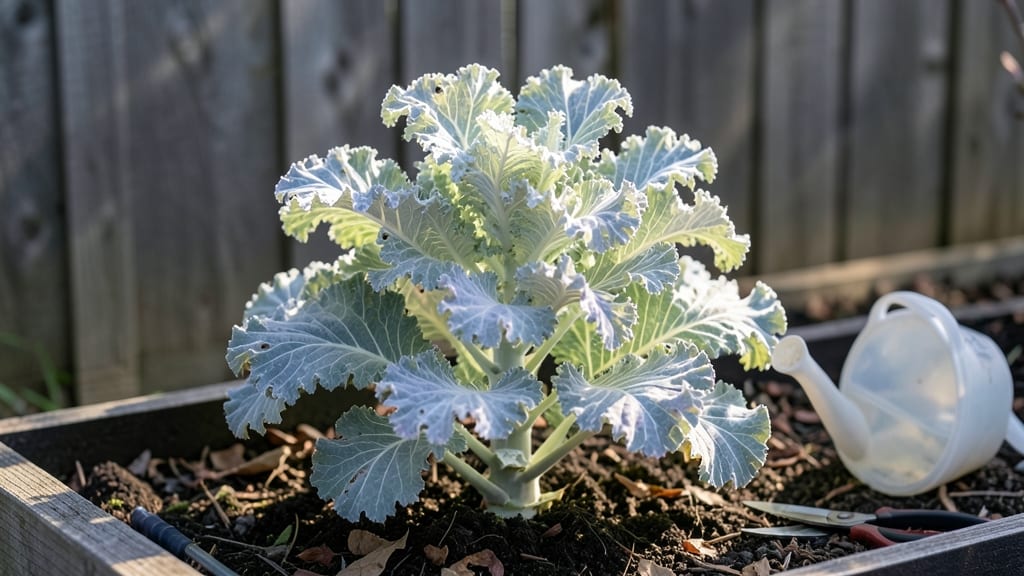
Growing Nagoya White flowering kale in your Pacific Northwest garden means frost-proof color that outlasts summer blooms—this ornamental superstar thrives when most annuals call it quits. 🌿 I fell for it after seeing how its creamy-white rosettes stayed crisp through our damp October mornings, defying the "first frost kills everything" rule.
The secret lies in its cold-hardy nature and love of cool weather, making it the perfect late-season showstopper.
You’ll need well-draining soil (amend with compost if yours is heavy clay), full sun to partial shade, and consistent moisture—think of it as a cross between a vegetable and a flower, but with zero fuss.
Plant seeds indoors 6-8 weeks before your last frost or direct-sow after soil temperatures drop below 70°F; it handles transplanting better than most greens. The real magic happens when daytime temps dip into the 50s, when its foliage transforms into a snow-white spectacle that lasts until hard freezes.
With proper care, you’ll enjoy three months of vibrant foliage—from early summer through frost—plus the bonus of edible leaves that taste like a milder cabbage. The key is avoiding over-fertilizing (it prefers lean soil) and protecting it from slugs, which adore tender young plants.
Once established, it’s essentially maintenance-free, rewarding you with neighborhood bragging rights for a garden that stays stunning when others fade.
Perfect for cutting gardens, container displays, or as a frost-resistant border plant. Here’s how to make it thrive in your PNW climate—no green thumb required.
📚 In This Guide
- What you need
- Instructions
- Tips and common mistakes
- Wrapping up and next steps
What you need
- ● Nagoya White flowering kale seeds or transplants: 1–2 packets (or 6–12 young plants for a small garden). Look for organic, non-GMO seeds if possible!
- ● Well-draining potting mix or garden soil: 5–10 gallons (or enough to fill containers 6–12 inches deep). Amend with compost for nutrient-rich soil.
- ○ Containers (optional but helpful): 5–10-inch pots (1–2 per plant) for seedlings or cuttings.
- ● Fabric grow bags or raised beds (if container gardening).
- ● Slow-release fertilizer (10-10-10 or organic options): 1–2 cups per 10 sq ft of garden bed.
- ● Organic mulch (straw, wood chips, or shredded leaves): Enough to cover soil 2–3 inches deep after planting.
- ● Hand trowel or small shovel: For transplanting seedlings or dividing cuttings.
- ● Garden gloves: To protect your hands from thorns (yes, kale has them!) and soil.
- ● Watering can or hose with a gentle spray nozzle: Flowering kale loves moisture but hates soggy roots.
- ○ Pruning shears (optional): For harvesting leaves or shaping plants.
- ● Row cover or frost cloth (if planting early/late): To protect young plants from unexpected cold snaps.
- ● Sunlight: 4–6 hours of partial shade (morning sun + afternoon shade works best in PNW’s hot summers).
- ● Temperature: Seeds germinate best at 60–70°F (15–21°C). Mature plants tolerate frost down to 20°F (-7°C)!
- ● Watering schedule: Keep soil consistently moist (but not waterlogged). Drought-tolerant once established.
- ● Spacing: Plant 12–18 inches apart in rows 2–3 feet apart for airflow.
Step-by-step guide to growing flowering kale 'Nagoya White' in cold climates
Here's how I grow this stunning frost-tolerant variety—hardy enough for Pacific Northwest winters.
🌱 Step 1: Start Seeds Indoors 6-8 Weeks Before Last Frost
Fill 2-3 inch deep seed trays with a sterile seed-starting mix. Press the surface lightly to create a firm seedbed, then scatter 'Nagoya White' seeds ¼ inch deep—they're tiny, so I use tweezers to avoid overcrowding. Cover with a fine layer of mix and mist gently until evenly moist.
Place trays in a warm spot (65-75°F) with bright light. A seedling heat mat speeds germination, which typically occurs in 7-14 days. Until sprouts appear, keep the soil consistently moist but never soggy—waterlogged conditions trigger damping-off disease that kills seedlings overnight.
☀️ Step 2: Harden Off and Transplant for Cold Tolerance
When seedlings develop 2-3 true leaves (not just cotyledons), begin hardening off by placing them outdoors in partial shade for 1-2 hours daily. Gradually increase exposure over 7-10 days, ending with full sun protection during peak afternoon heat.
Transplant after 4-6 weeks when seedlings are 4-6 inches tall and soil temperatures drop below 50°F. Space plants 12-18 inches apart in well-draining soil amended with compost. The key here is patience—'Nagoya White' thrives when planted early, even before the ground fully thaws in cold climates.
💧 Step 3: Maintain Moisture and Fertility Through Winter
Water deeply once weekly unless rainfall exceeds 1 inch, focusing on the base to avoid wetting foliage. Mulch with 2-3 inches of straw or leaves to insulate roots and retain moisture. This variety handles frost beautifully, but consistent moisture prevents bolting—especially critical during dry winter spells.
Side-dress with low-nitrogen fertilizer (5-10-10 ratio) every 6-8 weeks to support flowering. You'll notice vibrant white blooms forming along stems as temperatures stabilize in late winter—these are edible and prized for their peppery flavor and ornamental appeal.
✂️ Step 4: Harvest and Encourage Continuous Blooms
Cut stems 2-3 inches above the base when buds first appear, then again every 2-3 weeks as new flowers form. This pruning technique stimulates bushier growth and prolongs the harvest season. Store cut stems in water like bouquets—they last 7-10 days in the fridge.
Leave some stems uncut to develop seed pods for next year's crop. The mature seed heads are striking in dried arrangements, and saving seeds ensures you'll have this cold-hardy variety for future seasons. In my Pacific Northwest garden, 'Nagoya White' often blooms through three successive winters with proper care.
Tips & tricks for perfect flowering kale 'Nagoya White' growth
These cold-climate gardening secrets will help you coax the most stunning, frost-resistant blooms from your 'Nagoya White' plants.
Seed Placement Precision: Those tiny 'Nagoya White' seeds need perfect positioning—don't just sprinkle them! Use tweezers to place each seed ¼ inch deep in the 2-3 inch deep trays, spacing them about ½ inch apart to prevent overcrowding. I find that creating small divots with a toothpick before placing seeds helps maintain consistent depth, which is crucial for even germination. The goal is to mimic their natural forest-floor habitat where seeds nestle just beneath leaf litter.
Germination Environment: Maintaining that 65-75°F range is non-negotiable for speedy germination, but here's the secret: place your seed trays on a seedling heat mat set to 70°F and cover them with clear plastic wrap to create a mini greenhouse effect. This raises the soil temperature by 5-10°F without overheating, which helps those seeds pop up in just 7-14 days instead of the longer end of that range. Just remember to remove the plastic as soon as sprouts appear to prevent damping-off disease.
Transplanting Strategy: The 4-6 week transplant window might seem tight, but here's what I do to maximize success: I start my seedlings in early September for Pacific Northwest gardens, which gives me that full 4-6 week period before our first hard frost. When transplanting into cold soil (below 50°F), I create small mounds of amended soil to plant the seedlings on top of—this prevents their delicate roots from sitting in cold ground. The mounds also help retain heat from the sun during those chilly days.
Winter Care Secret: That 2-3 inches of mulch is your best friend during winter, but here's the twist: I use a double-layer system. First, I apply 1 inch of straw directly around the stems, then top it with 1-2 inches of leaves. The straw insulates the base while the leaves create an insulating blanket that traps heat. This combination prevents the soil from freezing completely, which is crucial for 'Nagoya White's' cold tolerance. I also avoid watering during hard freezes—let nature handle the hydration when temperatures are below 32°F.
Pro Tips for Flowering Kale Nagoya White
- These cold-climate gardening secrets will help you coax the most stunning, frost-resistant blooms from your 'Nagoya White' plants.
- Seed Placement Precision: Those tiny 'Nagoya White' seeds need perfect positioning—don't just sprinkle them!
- This raises the soil temperature by 5-10°F without overheating, which helps those seeds pop up in just 7-14 days instead of the longer end of that range.
Frequently asked questions
Got questions about Nagoya White flowering kale? You’re not alone!
Here are some of the most common queries—plus straightforward answers to help you grow this stunning frost-resistant beauty with confidence.
How cold can Nagoya White flowering kale tolerate?
Nagoya White is a hardy ornamental kale that thrives in temperatures as low as 15°F (-9°C). In fact, it often colors up more vibrantly after light frosts! Just avoid heavy snow or ice buildup, which can damage tender leaves. For Pacific Northwest winters, it’s perfectly suited—just plant after your first frost for best results.
When is the best time to plant Nagoya White in the PNW?
For fall color and winter interest, plant Nagoya White 4–6 weeks before your first frost (typically late August to early September in most of the PNW). This gives roots time to establish before cold sets in. If you miss this window, you can still plant in early spring for summer blooms, though fall planting yields the iconic frost-enhanced hues.
Can I grow Nagoya White in containers?
This kale thrives in containers as long as the pot has drainage holes and is at least 12–14 inches deep. Use a well-draining potting mix and place it in partial sun (4–6 hours daily). Containers also make it easier to protect from extreme cold by moving them to a sheltered spot or bringing them indoors if needed.
Is Nagoya White edible, or is it purely ornamental?
While primarily grown for its stunning white and pink blooms and frost-kissed foliage, Nagoya White is technically edible—just like other kale varieties! The leaves are milder and sweeter after frost, making them great for salads, sautéing, or blending into smoothies. Note: The flowers are not recommended for eating (they can be bitter), but the leaves are a nutrient-packed treat!
Why are my Nagoya White leaves turning yellow or brown?
Yellowing or browning leaves are usually a sign of overwatering, underwatering, or pest damage. Check the soil—it should be moist but not soggy. Pests like aphids or cabbage worms can also cause browning. Solution: Spray leaves with neem oil or introduce beneficial insects like ladybugs. If the issue persists, ensure your plant gets 6+ hours of sun and well-draining soil.
Wrapping up and next steps
Flowering kale Nagoya White is a stunning, frost-resistant gem that brings vibrant color and texture to Pacific Northwest gardens—even when temperatures drop! 🌱 With its striking white blooms, cold-hardy nature, and low-maintenance care, it’s the perfect choice for gardeners who love beauty without the fuss.
Ready to transform your garden? Start by planting Nagoya White in well-draining soil with partial shade, and enjoy its resilience and charm year after year. Whether you’re a seasoned gardener or just beginning, this variety makes growing easier—and more rewarding!