
Flowers
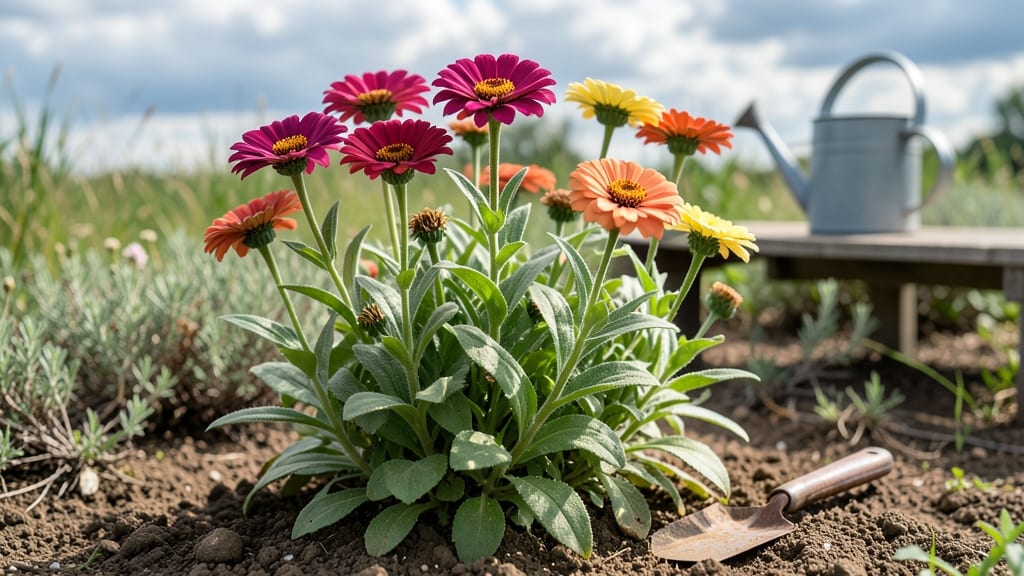
Finding the right easy flowers to keep alive means discovering plants that don’t just survive—they thrive with barely any effort from you. 🌿 I’ve killed enough finicky blooms to know that some flowers are practically indestructible, like succulents that laugh at drought or marigolds that repel pests like they’re on a mission.
The secret? Picking the right plants and giving them just enough attention to keep them happy, not obsessed.
These flowers need minimal watering, tolerate less-than-perfect soil, and bloom like clockwork without fuss. Think snapdragons that bounce back after rain, zinnias that multiply like weeds (in a good way), and geraniums that survive on neglect.
Most thrive in partial sun, so they’re perfect for balconies, window boxes, or that shady corner where nothing else grows. The best part? They’ll reward you with months of color without demanding constant care.
You’ll end up with a garden that looks effortless—because it is. No wilting leaves, no mysterious diseases, no guessing games with watering schedules. Just bold blooms that keep coming back, year after year, even if you forget to check on them for a week.
And the best part? These flowers actually ask for less than your average houseplant. Let’s get you growing!
Whether you’re dealing with hot summers, dry spells, or just a busy schedule, these plants adapt. They’re the unsung heroes of the garden world—no drama, just beauty. Start with one or two, and soon you’ll wonder why you ever grew anything else.
📚 In This Guide
- What you need
- Instructions
- Tips and common mistakes
- Wrapping up and next steps
What you need
- ● Potting soil: 1–2 bags (10–20 lbs) of well-draining, lightweight potting mix (avoid garden soil—it’s too dense!). Look for blends labeled "for flowers" or "all-purpose."
- ● Containers: 1–3 pots per plant (size depends on the flower: 6-inch diameter for small blooms, 10–12 inches for larger varieties).
- ● Drainage holes are a MUST! (No holes? Drill them yourself or use a cache pot with pebbles at the bottom.)
- ● Flowers: Choose from your easy picks (e.g., sunflowers, marigolds, zinnias, snapdragons, or African violets). Buy 1–3 healthy plants or seeds (seeds take longer but are cost-effective).
- ● Watering can or spray bottle: A gentle spray nozzle is ideal for delicate flowers.
- ○ Fertilizer (optional but helpful): 1 bottle of balanced liquid fertilizer (10-10-10 or 20-20-20) or slow-release granules.
- ● Fish emulsion or compost tea for organic options.
- ● Pruning shears: Small, sharp scissors for trimming dead blooms or leggy stems.
- ○ Gloves (optional): Protect your hands from thorns (sunflowers!) or soil.
- ● Stakes or supports (for tall flowers): 1–2 bamboo stakes or tomato cages per plant (e.g., for sunflowers or snapdragons).
- ○ Mulch (optional): A handful of straw, pebbles, or bark chips to retain moisture and deter weeds.
- ● Grow lights (if indoors): 1–2 LED grow bulbs for 6–8 hours of light daily (for windowsill setups).
- ● A sunny spot: Most easy flowers need 4–6 hours of sunlight daily (check your plant’s tags!).
- ● Water: Access to a water source (flowers hate soggy roots—water only when the top inch of soil is dry).
- ● Patience: Some flowers (like zinnias) bloom in 6–8 weeks from seed!
Step-by-Step guide to growing low-maintenance flowers
Here’s how to keep your garden blooming with minimal effort—no green thumb required!
🌱 Step 1: Choose the Right Low-Maintenance Varieties
Start with drought-tolerant, disease-resistant flowers like zinnia, marigold, or black-eyed Susan. These thrive in partial sun and need little attention. I always pick self-cleaning blooms—they drop old flowers on their own, so you won’t waste time deadheading.
Check your USDA hardiness zone—some flowers, like coneflower, handle heat and humidity better than others. If you’re unsure, ask your local nursery for heat-resistant annuals that match your climate.
☀️ Step 2: Plant in Well-Draining Soil with Ample Sunlight
Most easy-care flowers need 6+ hours of sunlight daily, but some, like impatiens, tolerate shade. Amend your soil with compost (about 2 inches mixed in) to improve drainage—waterlogged roots kill even the hardiest blooms.
Plant seeds or transplants in early spring after the last frost. Press them ½ inch deep for seeds, or dig holes twice as wide as the root ball for transplants. Space them 12-18 inches apart—crowding leads to weak stems and fewer blooms.
💧 Step 3: Water Deeply but Infrequently
Water once a week (or when the top 2 inches of soil feel dry). Deep watering encourages strong roots, while frequent shallow watering makes flowers leggy and weak. Use a soaker hose or drip irrigation to keep moisture even.
Mulch around plants with 2-3 inches of straw or shredded leaves to lock in moisture and block weeds. Avoid wetting the foliage—this prevents fungal diseases like powdery mildew, which can wipe out blooms overnight.
✂️ Step 4: Prune Only When Necessary
Most low-maintenance flowers don’t need pruning—they self-clean or rebloom naturally. If you see dead or brown stems, snip them at the base with clean, sharp scissors to encourage new growth.
For reblooming varieties like geraniums, pinch back the tips in early summer to promote bushier growth. But skip this step if you’re growing one-and-done bloomers like cosmos—they’ll just focus energy on seeds instead.
🌿 Step 5: Fertilize Lightly for Long-Lasting Blooms
Use a balanced, slow-release fertilizer (like 10-10-10) once at planting and again mid-season. Over-fertilizing leads to leafy growth at the expense of flowers—what you want is blooms, not foliage!
For organic options, mix in compost tea every 4-6 weeks. Stop fertilizing 6 weeks before the first frost—you want the plants to focus on hardening off, not new growth.
Tips & tricks for perfect low-maintenance blooms
Here's how to turn your garden into a thriving oasis with minimal effort—these game-changing tips will keep your blooms happy and healthy all season long.
Selection Strategy: When choosing your varieties in Step 1, prioritize native plants like black-eyed Susan or coneflower—they're already adapted to your local climate and require less intervention. I've found that annuals like zinnias are the most forgiving for beginners because they bloom continuously without needing deadheading. For containers, opt for trailing varieties like nasturtiums—they cascade beautifully and deter pests naturally.
Soil Preparation Secret: In Step 2, take that compost recommendation seriously—mix in aged compost (not fresh) to avoid nitrogen burn that can stunt flower growth. For heavy clay soils, add sand or perlite to improve drainage, which is critical for preventing root rot in these drought-tolerant varieties. I always test my soil's pH before planting; most flowers thrive in slightly acidic to neutral soil (6.0-7.0)—you can get test kits at garden centers for under $10.
Watering Wisdom: The once-a-week guideline in Step 3 works perfectly in most climates, but adjust for your specific conditions. In hot, dry areas, you might need to water every 5-6 days, while cooler regions may only need watering every 10 days. The key is to water deeply—aim for 1 inch of water per week—rather than light surface watering. Use the finger test mentioned: stick your finger 2 inches into the soil; if it's dry, it's time to water.
Fertilizer Finesse: When applying that mid-season fertilizer in Step 5, use half the recommended dose if your soil is already rich in compost. Too much nitrogen will give you lush foliage but few blooms—that's why we're growing flowers, not salad greens! For organic gardeners, fish emulsion makes an excellent alternative to compost tea, providing both nutrients and microbial benefits. And remember: less is more with fertilizers; these tough plants don't need coddling.
Pro Tips for Easy Flowers To Keep Alive
- Here's how to turn your garden into a thriving oasis with minimal effort—these game-changing tips will keep your blooms happy and healthy all season long.
- Selection Strategy: When choosing your varieties in Step 1, prioritize native plants like black-eyed Susan or coneflower—they're already adapted to your local climate and require less intervention.
- Soil Preparation Secret: In Step 2, take that compost recommendation seriously—mix in aged compost (not fresh) to avoid nitrogen burn that can stunt flower growth.
Frequently asked questions
about easy-to-care-for flowers—because even green thumbs need a little guidance!Which flowers require the least sunlight?
If your space is low-light, opt for peace lilies or ZZ plants (technically a succulent, but stunning!). These thrive in indirect light or even artificial lighting. Snake plants and pothos are also great for dim corners. Just avoid direct sun unless their care tags say otherwise!
How often should I water these low-maintenance flowers?
Most easy-care flowers prefer infrequent but deep watering. Let the top 1–2 inches of soil dry out before watering again—usually every 1–2 weeks, depending on humidity and pot size. Overwatering is the #1 killer, so when in doubt, underwater!
Can I grow these flowers in small pots or containers?
Many low-maintenance blooms—like succulents, African violets, or spider plants—thrive in small pots. Just ensure the container has drainage holes to prevent root rot. Rotate pots occasionally for even growth, and repot every 1–2 years if roots outgrow their space.
What do I do if my easy flower gets pests?
Start with a gentle spray of soapy water (1 tsp mild dish soap + 1 quart water) to tackle aphids or spider mites. For stubborn pests, try neem oil (follow package instructions). Isolate the plant, and check the undersides of leaves—pests love hiding there!
Are these flowers drought-tolerant?
Yes! Succulents (like jade plants or echeverias), snake plants, and lavender are drought-resistant once established. Let soil dry completely between waterings, and avoid soggy conditions. Even ZZ plants can go weeks without water—perfect for forgetful gardeners!
Pro Tip:
Rotate your pots quarter-turn weekly to ensure even sunlight exposure—especially for indoor plants. This prevents lopsided growth and keeps your blooms happy and symmetrical!
Wrapping up and next steps
You don’t need a green thumb to enjoy vibrant blooms—just a little patience and the right easy flowers to keep alive!
From sun-loving succulents to shade-tolerant peace lilies, these low-maintenance picks prove that gardening can be simple, rewarding, and even therapeutic. 🌱 Start small, experiment with what thrives in your space, and soon you’ll have a flourishing garden that feels like a breath of fresh air.
Ready to dive in? Pick one or two flowers from this list, grab your supplies, and watch your green space transform—without the stress! 🌸 Happy planting!