
Container Gardens
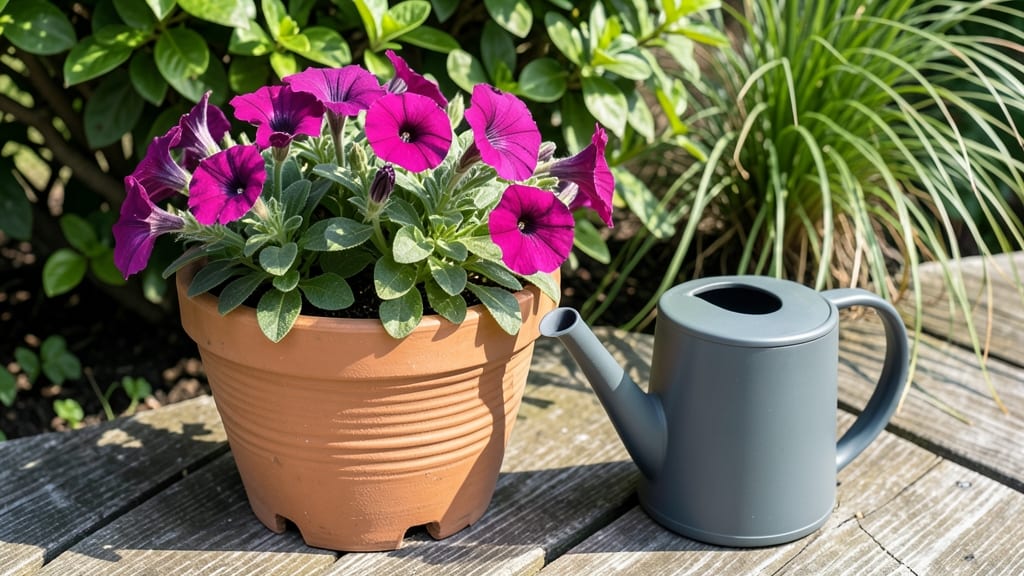
Growing flowers in containers turned my tiny balcony into a riot of color—proof that you don’t need a yard to have a showstopping garden. 🌸 The key is matching the right plants to the right pots, and once you get the basics down, it’s easier than you’d think.
I’ve filled 5-gallon pots with petunias that spill over the edges and grown snapdragons in window boxes that reach my waist by summer’s end.
You’ll need containers with drainage holes (or a way to add them), lightweight potting mix, and flowers suited for your sunlight—sun-lovers like geraniums or shade-tolerant impatiens.
Most blooms thrive in pots between 5 and 15 gallons, depending on their size, and I’ve found that grouping containers by water needs saves time and keeps roots happy. A simple watering can with a rose attachment makes all the difference.
By midsummer, you’ll have a cascade of blooms that attract pollinators and brighten any space. The scent of jasmine at dusk or the cheerful faces of marigolds all season long make container gardening one of the most rewarding ways to grow flowers.
Let’s get those pots planted and turn your space into a floral oasis.
Works for balconies, patios, or even sunny windowsills—no matter where your containers live, the same principles apply. The only real mistake is not starting sooner, and I promise you’ll love the results.
📚 In This Guide
- What you need
- Instructions
- Tips and common mistakes
- Wrapping up and next steps
What you need
- ● Containers: 1-3+ (depending on your setup). Choose pots with drainage holes (5–10 inches in diameter for most flowers). Pro tip: Terracotta or fabric pots are great for airflow!
- ● Potting Mix: 1 bag (1–2 cubic feet). Use a lightweight, well-draining mix designed for containers or flowers.
- ● Flowers: 1–3 plants (or seeds). Opt for compact varieties like petunias, pansies, or marigolds for small spaces.
- ● Drainage Material: Small pebbles or broken pottery (1–2 inches layer at the bottom of each pot).
- ● Trowel or small shovel (for planting)
- ● Gloves (to keep hands clean)
- ● Watering can or spray bottle (with a gentle nozzle)
- ● Fertilizer (balanced, water-soluble, or slow-release granules)
- ● Mulch (to retain moisture)
- ● Self-watering system (for busy gardeners)
- ● Support stakes (for taller flowers like snapdragons)
- ● Decorative accents (paint, pebbles, or labels for a polished look!)
Step-by-step instructions for growing flowers in containers
Here’s how to create a vibrant container garden that blooms all season—no yard needed.
🪴 Step 1: Choose the Right Containers and Drainage
Start with pots that are at least 6 inches deep and have multiple drainage holes—flowers hate soggy roots. I like terra cotta because it breathes, but plastic works too if you drill extra holes. Place a 1-inch layer of gravel or broken pottery at the bottom to prevent clogging while allowing water to escape.
Size matters: small flowers (like pansies) thrive in 6-inch pots, while larger blooms (like geraniums) need at least 10 inches. If you’re planting 4 containers, pick ones with diameters proportional to the plant’s mature size—crowding leads to weak stems and fewer flowers.
🌱 Step 2: Use Lightweight, Well-Draining Soil
Fill your containers with a high-quality potting mix—never garden soil, which compacts and suffocates roots. I mix in 20% perlite or vermiculite to improve aeration. Moisten the mix until it’s damp but not dripping, then tap the pot gently to settle it without packing it down.
For 4 containers, you’ll need about 2 gallons of mix per 10-inch pot and 1 gallon per 6-inch pot. Press the soil down lightly just enough to hold the plants upright, but don’t compact it. A loose, airy mix lets roots spread easily and prevents waterlogging.
☀️ Step 3: Plant for Sun and Bloom Time
Group flowers by their sunlight needs: full sun (6+ hours) for geraniums, petunias, and marigolds; partial shade (3-6 hours) for impatiens and begonias. I place my containers on a south-facing patio where they get morning sun and afternoon shade in summer.
Space plants based on their mature width—6 inches apart for small flowers, 12 inches apart for larger ones. Plant 1-2 flowers per 6-inch pot and 3-5 per 10-inch pot, leaving room for leaves and stems to spread. Water deeply right after planting to help roots settle into the soil.
💧 Step 4: Water and Feed for Continuous Blooms
Check soil moisture daily in summer—containers dry out fast. Water until 1 inch of soil feels moist (about ½ cup per 6-inch pot, 1 cup per 10-inch pot). I water in the early morning to reduce evaporation and fungal risks.
Feed every 2-3 weeks with a balanced liquid fertilizer (like 10-10-10) diluted to half strength. Deadhead spent blooms weekly—this encourages new flowers and keeps plants bushy. If leaves yellow, flush the soil with water to remove excess salts from fertilizer buildup.
✂️ Step 5: Prune and Overwinter for Next Year
By late summer, some flowers (like petunias) get leggy. Trim back one-third of the stems to encourage fresh growth and more blooms. Use clean, sharp scissors to cut just above a leaf node—this prevents disease and promotes branching.
When frost threatens, move containers to a protected spot or wrap them in burlap for insulation. In mild climates, cut back dead foliage in fall but leave the roots—many annuals (like geraniums) regrow from the base in spring. Refresh the soil with new potting mix in early spring to revive your containers.
Tips & tricks for perfect container flower gardens
Here's what I've learned after years of growing vibrant blooms in small spaces—avoid these common mistakes!
Container Size Matters: The 6-inch pots for small flowers and 10-inch pots for larger blooms are non-negotiable. I learned this the hard way when my pansies outgrew their containers and became root-bound. For 4 containers, I now use a mix of 6-inch and 10-inch pots based on the mature plant size—this prevents overcrowding and ensures each plant gets enough nutrients.
Soil Mix Secrets: That 20% perlite or vermiculite isn't just optional—it's crucial for preventing waterlogging. I've found that mixing in a handful of coconut coir (about 10%) helps retain moisture while still maintaining good drainage. When you're pressing that 2 gallons of mix into your 10-inch pots, resist the urge to pack it down tightly—keep it loose and fluffy so roots can spread easily.
Sunlight Strategy: The 3-6 hours of partial shade for impatiens and begonias is a range for a reason—your containers' exact needs depend on your local climate. I place my containers on a rolling cart so I can adjust their position throughout the day. If you notice leaves scorching, move them to a shadier spot immediately. For full sun plants, I've found that morning sun with afternoon shade prevents wilting during peak heat.
Watering Wisdom: Those ½ cup and 1 cup measurements are just starting points—your actual watering needs depend on your climate and container material. Terra cotta pots dry out faster than plastic, so I check moisture levels daily in summer. The key is to water until you see moisture coming out the drainage holes, then let the top inch dry out before watering again. This prevents both underwatering and root rot.
Pro Tips for Growing Flowers In Containers
- Here's what I've learned after years of growing vibrant blooms in small spaces—avoid these common mistakes!
- Container Size Matters: The 6-inch pots for small flowers and 10-inch pots for larger blooms are non-negotiable.
- Soil Mix Secrets: That 20% perlite or vermiculite isn't just optional—it's crucial for preventing waterlogging.
Frequently asked questions
Got questions about container gardening? You’re not alone! Here are some of the most common concerns—and their simple solutions—to help you grow stunning flowers with confidence.
What’s the best container material for growing flowers?
Choose containers based on durability, drainage, and weight. Terracotta pots are classic and breathable but dry out fast; plastic or resin holds moisture longer and won’t crack; fabric grow bags offer flexibility and aeration. For heavy plants like geraniums, opt for sturdy ceramic or fiberglass. Avoid metal unless lined—it can overheat roots!
How often should I water container-grown flowers?
Containers dry out faster than ground soil—check moisture daily in summer! Water when the top 1 inch of soil feels dry. Overwatering is worse than underwatering: yellow leaves or mold mean you’re overdoing it. Use self-watering pots or mulch (like pebbles) to retain moisture.
Can I reuse old containers for flowers?
Clean and sanitize old pots with soapy water and bleach (1:9 ratio) to kill pests/diseases. Drill drainage holes if missing—no holes? Add a layer of gravel or broken pottery at the bottom. Avoid treated wood or plastic that may leach chemicals. Upcycle!
Why are my container flowers wilting or dying?
Wilting often signals over/underwatering, poor drainage, or pests. Check soil moisture first, then inspect for aphids, spider mites, or root rot (smelly, mushy roots). Move containers to bright, indirect light if leaves yellow (could be nutrient deficiency). Trim dead foliage and repot if roots are circling.
What’s the easiest flower to grow in containers for beginners?
Start with low-maintenance stars like petunias, marigolds, or zinnias—they thrive in small spaces and tolerate occasional neglect. Succulents (like sedum) and herbs (basil, thyme) are drought-resistant. Avoid fussy plants like orchids unless you’re ready for humidity controls!
Wrapping up and next steps
Growing flowers in containers is a rewarding way to bring beauty and life to any space—no matter how small! With the right plants, pots, soil, and sunlight, you can enjoy vibrant blooms year-round.
Start with easy-to-grow varieties like petunias, marigolds, or pansies, and don’t forget to water consistently and fertilize regularly.
Now that you’re inspired, pick your favorite flowers and get planting! Share your progress with fellow gardeners or experiment with new container combos. Happy gardening—your balcony or patio will thank you! 🌸💐