
Flowers
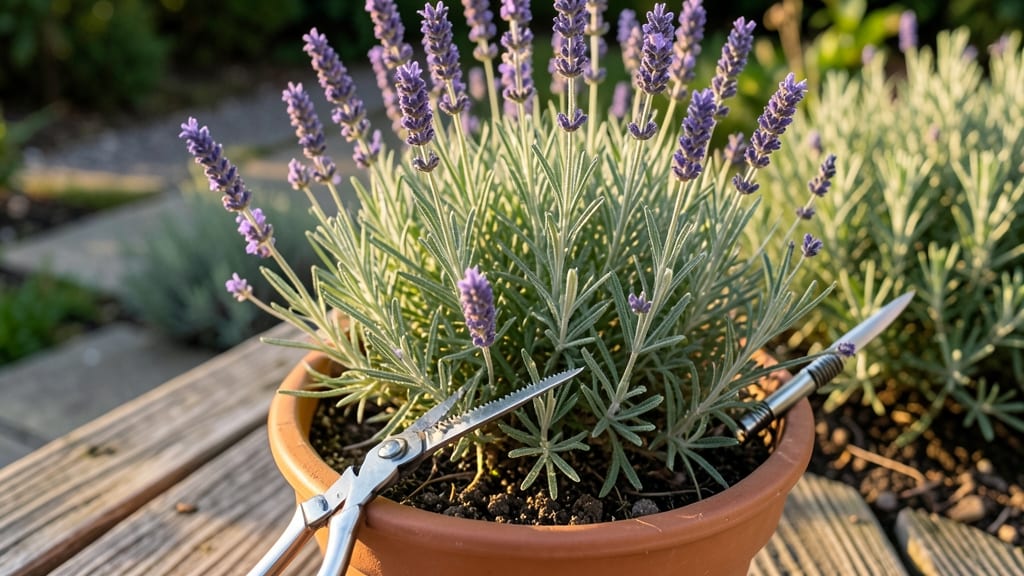
Your garden’s summer blooms can last all year—drying flowers for potpourri turns sunlit petals into fragrant keepsakes that smell like nostalgia. 🌼 The secret lies in selecting the right flowers (like lavender, roses, or eucalyptus) and drying them properly to preserve their scent and color.
I’ve ruined batches with the wrong method, but once you master it, you’ll have jars of dried beauty that evoke summer whenever you open them.
Start with fresh, fully open flowers harvested on a dry morning for the best results. You’ll need a clean workspace, brown paper bags, or a drying rack, and either patience for air-drying or silica gel for speed.
The process takes 2-4 weeks for air-drying, but silica gel can cut that to just 24 hours—though it’s pricier. Store your dried flowers in airtight containers away from sunlight to keep their fragrance intact for months.
When blending your potpourri, mix dried flowers with complementary ingredients like cinnamon sticks, vanilla pods, or citrus peels for depth. A little dried lavender in a sachet keeps drawers smelling fresh, while a bowl of rose petals and cloves fills a room with romance.
The best part? You’ll never buy potpourri again—your garden’s harvest becomes your signature scent.
Seasonal timing matters: harvest flowers at peak bloom, usually in late morning, and avoid toxic plants like foxglove or lilies. If you’re drying in humid climates, air-drying may take longer, so adjust your expectations. Once you’ve perfected your blend, experiment with scents—herbal, floral, or spicy—to create potpourri that’s uniquely yours.
📚 In This Guide
- What you need
- Instructions
- Tips and common mistakes
- Wrapping up and next steps
What you need
- ● Fresh flowers: Choose drying-friendly varieties like lavender, roses, chamomile, rose petals, or dried citrus peels (avoid thick, woody stems or overly moist blooms). Aim for 1–2 pounds of flowers (about 2–3 bunches) for a standard batch.
- ● Drying method of choice: Air-drying: Hang flowers upside down in a well-ventilated, dark, dry space (e.g., a closet, pantry, or attic with 50–70°F (10–21°C) humidity). Use twine, yarn, or floral wire (3–6 feet per bunch).
- ● Silica gel: 2–3 pounds of food-grade silica gel beads (available in craft stores; avoid non-food-safe types).
- ● Oven or microwave: For quick drying, use a low-heat oven (170–200°F / 77–93°C) or microwave (30-second bursts on low).
- ● Scissors or pruning shears: For trimming stems to 1–2 inches (avoid cutting into flower heads).
- ● Paper towels or newspaper: To line drying surfaces or absorb moisture.
- ● Glass jars or containers: 1–2 quart-sized jars with lids (for storing dried flowers or mixing potpourri).
- ● Essential oils or fragrance: 5–10 drops of lavender, citrus, or vanilla oil to boost scent (add after drying).
- ● Dried herbs or spices: Cinnamon sticks, cloves, or dried orange slices for extra aroma and texture.
- ● Potpourri fixative: A ½ cup of baking soda or 1 tablespoon of cornstarch to slow fragrance evaporation.
- ● Decorative fillers: Pinecones, dried beans, or rose hips for visual appeal.
- ● Label maker or tags: To label your potpourri blends (e.g., "Lavender Vanilla" or "Citrus Sunset").
Step-by-step guide to drying flowers for long-lasting potpourri
Preserving summer's scent is easier than you think—just follow these simple steps.
🌿 Step 1: Select and Prepare Your Flowers
Pick flowers at their peak freshness, just before they fully open. Look for blooms with vibrant petals and minimal damage—think roses, lavender, or sunflowers. Avoid flowers with heavy moisture or dew, as excess water slows drying and encourages mold.
Remove any leaves or stems that might trap moisture. For flowers with thick stems, like hydrangeas, trim them to about 2 inches below the bloom. Delicate stems, like those on baby's breath, can stay intact. The goal is to maximize airflow around each petal.
💧 Step 2: Choose Your Drying Method
There are three foolproof ways to dry flowers: air-drying, silica gel, or hanging bundles. Air-drying is the most natural—lay single-layer petals on a paper towel in a well-ventilated area away from direct sunlight. Flip them every 2-3 days until completely dry (about 1-2 weeks).
For faster results, place flowers in a single layer on a screen or mesh tray in a dark, dry spot. Silica gel is another option: spread petals in a tray of dried silica beads, cover with more beads, and wait 3-5 days. The beads absorb moisture instantly, preserving color and scent perfectly.
☀️ Step 3: Preserve Color and Scent
Once dry, store petals in an airtight container with a scented sachet (like dried lavender or cedar chips) to maintain fragrance. Avoid plastic—it traps moisture and dulls colors. A glass jar with a tight lid works best, keeping petals crisp for months.
Here’s the thing—some flowers fade faster than others. Roses and carnations hold their color best, while zinnias and dahlias may darken over time. To slow fading, add a small packet of silica gel to the storage container. This extra step keeps everything looking fresh.
✂️ Step 4: Create Your Potpourri
Combine dried petals with complementary elements like dried citrus slices, cinnamon sticks, or vanilla pods for depth. Layer ingredients in a glass bowl or ceramic dish, starting with the largest items (like cinnamon sticks) at the bottom. Sprinkle a few drops of essential oil (like vanilla or citrus) for extra fragrance.
Fluff the potpourri gently with a fork to blend textures. Place it in a sunny spot—warmth releases the scent naturally. Refresh every 2-3 months by adding fresh dried petals or a new drop of oil. Your homemade potpourri will smell like summer year-round.
Tips & tricks for perfectly preserved potpourri petals
Between us, these little details make all the difference when you're turning fresh flowers into fragrant keepsakes.
Selection Tip: The best flowers for drying are those with sturdy petals—roses, lavender, and sunflowers hold their shape beautifully. Avoid anything with heavy dew or wilting; even a tiny bit of moisture can turn your drying process into a science experiment. I learned this the hard way after ruining a batch of hydrangeas that were still damp from morning dew.
Airflow Secret: When arranging flowers for air-drying, leave at least 1 inch of space between petals. This might seem like overkill, but it prevents mold and ensures even drying. If you're using a screen tray, space them out like you're arranging a still-life painting—every petal should have room to breathe.
Silica Gel Strategy: For the fastest results with silica gel, spread petals in a single layer and cover them completely with beads. The goal is to create a cocoon that locks in moisture—don't skimp on the beads! I've seen people use too few and end up with half-dry petals that still feel damp. If you're short on beads, you can reuse them by gently brushing off dried petals and storing them in an airtight container.
Storage Wisdom: Glass containers are your best friend for long-term storage, but here's what nobody tells you—place a small piece of chalk or a silica gel packet inside before sealing. This extra step absorbs any lingering moisture that could cause your petals to lose their crispness over time. I've had potpourri last twice as long using this trick, and the colors stay vibrant for months.
Pro Tips for Drying Flowers For Potpourri
- Between us, these little details make all the difference when you're turning fresh flowers into fragrant keepsakes.
- Selection Tip: The best flowers for drying are those with sturdy petals—roses, lavender, and sunflowers hold their shape beautifully.
- Airflow Secret: When arranging flowers for air-drying, leave at least 1 inch of space between petals.
Frequently asked questions
Got questions about turning your fresh blooms into fragrant potpourri? You’re not alone! Here are some of the most common queries—and their answers—to help you dry flowers like a pro.
How long does it take to dry flowers for potpourri?
Drying times vary by method: air-drying takes 2–4 weeks, silica gel speeds it up to 24–48 hours, and microwave drying (for small batches) is done in 1–3 minutes. Patience is key—rush it, and petals may crumble or lose scent.
Can I speed up the drying process without losing scent?
Yes! For delicate blooms, try a dehydrator (set to 95–115°F for 2–4 hours) or a paper bag method (hang stems upside down in a sealed bag with a rubber band for 1–2 weeks). Avoid high heat—it strips oils and fades fragrance.
What’s the best way to store dried potpourri flowers?
Keep them in an airtight container (glass jars or tin boxes work best) away from direct sunlight or moisture. Add a sachet of dried lavender or cedar chips to preserve scent longer. Label with the date—most dried flowers stay fragrant for 6–12 months.
Why are my dried flowers losing scent so fast?
Scent loss usually means overheating, moisture exposure, or old flowers. Try these fixes:
- Rehydrate briefly in warm water (10 mins) to revive oils.
- Add essential oils (like vanilla or citrus) when storing.
- Use younger blooms—older flowers dry with weaker aromas.
Can I use any flowers for potpourri, or are some better?
Not all flowers dry well! Best choices: roses, lavender, chamomile, rose petals, and eucalyptus. Avoid: damp or mold-prone blooms (like hydrangeas) and flowers with thick stems (they won’t dry flat). Test a few types to see what works for your climate!
Wrapping up and next steps
Drying flowers for potpourri is a wonderful way to capture summer’s beauty and fragrance in your home year-round—whether you’re a beginner or a seasoned crafter, every bundle of dried petals is a step toward creating something magical. 🌸 With the right techniques, even delicate blooms can transform into fragrant keepsakes that fill your space with joy.
Now that you’re armed with tips, tools, and answers to common questions, it’s time to roll up your sleeves and start drying!
Your next step? Pick your favorite flowers, gather your supplies, and experiment with different drying methods. Try a small batch first, then expand your collection as you discover what scents and colors work best for your potpourri. Happy crafting—your home (and nose) will thank you! ✨