
Pests
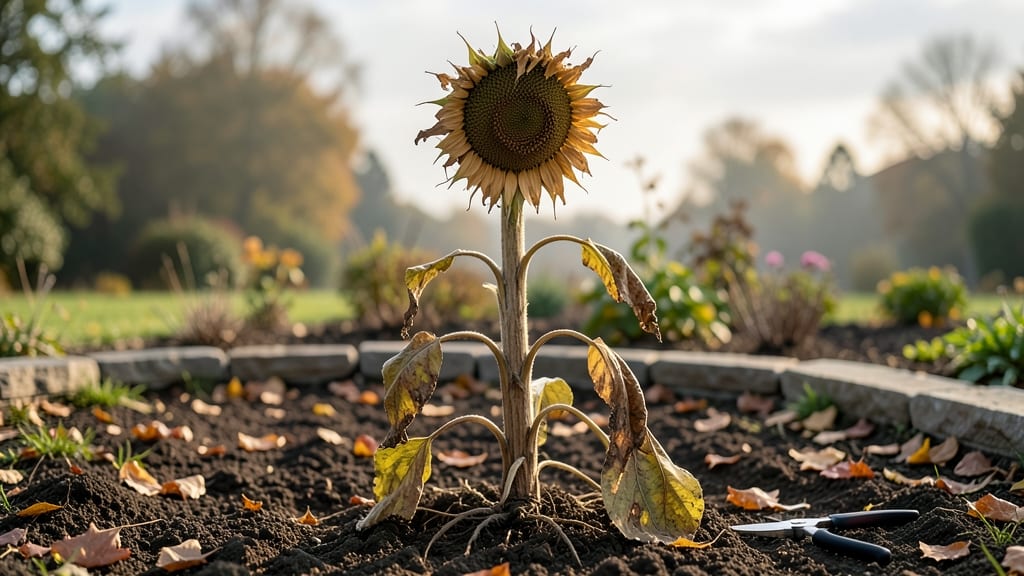
Transforming sunflower stalks into dried sunflower stalks is the secret to extending your garden's beauty long after the blooms fade. 🌻 I used to toss them after harvest—until I discovered how they become architectural accents that last through winter, plus a magnet for birds and beneficial insects.
The process is simpler than you'd think: bundle stalks and hang them upside down in a dry, shaded spot for 4-6 weeks. Once fully dry, they add rustic texture to winter arrangements, serve as natural trellises for climbing plants, or become sturdy bird feeders when stuffed with seeds.
Their golden-brown hues brighten dreary months.
You’ll create a wildlife-friendly garden that works year-round, with minimal effort. The stalks pair beautifully with dried grasses, eucalyptus, or pinecones for seasonal displays. Plus, they’re free—just waiting to be repurposed after harvest.
Perfect for cottage gardens, urban balconies, or even indoor decor. Here’s how to make the most of what would otherwise be waste—without sacrificing your garden’s charm.
📚 In This Guide
- What you need
- Instructions
- Tips and common mistakes
- Wrapping up and next steps
What you need
- ● Sunflower stalks: 10–20 mature, hollow stalks (4–6 feet tall, dried naturally for 2–3 weeks). Choose stalks with intact seed heads for added texture.
- ● Pruning shears or sharp knife: For trimming stalks to desired lengths (if needed).
- ● Waterproof twine or garden wire: 50–100 feet (for securing bundles or creating structures).
- ● Heavy-duty gloves: To protect hands from prickly stalks or sharp edges.
- ● Sturdy container (bucket or wheelbarrow): For transporting stalks to your garden.
- ● Wire mesh or chicken wire: To reinforce structures or create cages for small wildlife.
- ● Natural adhesives (e.g., hot glue gun): For securing seed heads or decorative elements.
- ● Paint or non-toxic sealant: To preserve stalks (if used indoors or in harsh climates).
- ● Birdseed or suet cakes: For attracting wildlife to your sunflower structures.
How to harvest, dry, and preserve sunflower stalks for garden structure
Transforming sunflower stalks into long-lasting garden accents is simpler than you think—here’s my foolproof method.
🌿 Step 1: Harvest at Peak Structural Readiness
Wait until late fall or early winter when the seed heads have dropped naturally. This ensures the stalks are fully mature and sturdy yet still lightweight enough to dry properly. Use clean, sharp pruners or shears to cut 3-4 inches below the base—this prevents rot from lingering moisture at the stem’s bottom.
Remove any remaining seed heads or leaves to reduce drying time and prevent pests from nesting. I bundle 4-5 stalks together with twine at the base before drying—they’ll hold their shape better and dry more evenly. If you’re working with taller varieties, lean them against a fence or trellis while drying to avoid bending.
💧 Step 2: Dry Thoroughly Indoors or Outdoors
Hang bundles upside down in a well-ventilated, dry area—a garage, shed, or covered porch works perfectly. The goal is to dry them completely so they won’t mold or attract insects later. If your climate is humid, spread them out on a screen or mesh rack instead of bundling tightly.
Check for dryness after 2-3 weeks by snapping a small section—it should break with a crisp sound and feel hollow inside. If it bends or feels damp, return it to the drying area for another week. I’ve found that stalks dried outdoors in bright, indirect sunlight develop a natural golden hue, while indoor drying keeps them lighter in color.
✂️ Step 3: Trim and Bundle for Storage
Once fully dry, trim the bottoms cleanly with pruners to create a fresh cut. Remove any remaining leaves or debris, as these can harbor pests over winter. I like to trim stalks to varying lengths—some 2-3 feet tall for vertical accents, others 4-5 feet for dramatic focal points.
Bundle them again with twine, this time every 12 inches along the stalk, to maintain their shape. Store in a cool, dry place like a basement or closet, away from direct sunlight. If you’re using them immediately, skip bundling and arrange them in a large vase or bucket filled with pebbles or sand for stability—this keeps them upright without wilting.
🪴 Step 4: Arrange for Year-Round Garden Impact
Place dried stalks in late winter or early spring to create textural contrast against bare branches or snow. I tuck them into empty corners of raised beds, weave them through ornamental grasses, or cluster them in large containers for instant height. Their rough, rustic texture softens modern landscapes while providing wildlife perches for birds and insects.
For extra longevity, dust with a light mix of diatomaceous earth before arranging—this deters pests without harming beneficial insects. Replenish your stock each year by harvesting fresh stalks, and you’ll always have a low-maintenance, high-impact garden feature ready to go.
Tips & tricks for perfect dried sunflower stalks
Here's what nobody tells you about turning sunflower stalks into stunning garden accents that last all year.
Timing Secret: Harvesting in late fall or early winter is non-negotiable for sturdy stalks that won't crumble. I've learned this the hard way—waiting until seed heads drop naturally ensures the stalks are mature enough to hold their shape through drying. If you harvest too early, they'll bend under their own weight when dry. For extra stability, cut 3-4 inches below the base to prevent rot from moisture trapped at the stem's bottom.
Drying Strategy: The 2-3 week drying period can feel like forever, but patience pays off. Check stalks weekly by snapping a small section—they're ready when they break crisply and feel hollow inside. In humid climates, spread stalks on screens rather than bundling them tightly to prevent mold. Pro tip: Outdoor drying in bright, indirect sunlight creates that coveted golden hue, while indoor drying preserves a lighter natural color.
Storage Wisdom: When storing your dried stalks, keep them in a cool, dry place away from direct sunlight to prevent fading. I bundle stalks every 12 inches with twine to maintain their shape, but if you're using them immediately, skip bundling and place them in a large container filled with pebbles or sand for stability. This simple trick keeps them upright without wilting, even in windy conditions.
Wildlife Perch Tip: The rough texture of dried sunflower stalks makes them perfect perches for birds and beneficial insects. Before arranging them in your garden, dust with a light mix of diatomaceous earth to deter pests without harming wildlife. This subtle step extends their lifespan and adds an extra layer of garden functionality.
Pro Tips for Dried Sunflower Stalks
- Here's what nobody tells you about turning sunflower stalks into stunning garden accents that last all year.
- Timing Secret: Harvesting in late fall or early winter is non-negotiable for sturdy stalks that won't crumble.
- Drying Strategy: The 2-3 week drying period can feel like forever, but patience pays off.
Frequently asked questions
Got questions about dried sunflower stalks?
Here are some of the most common ones—and their answers—to help you make the most of this eco-friendly garden staple.
How long does it take for sunflower stalks to dry completely?
Drying time depends on weather and stalk thickness, but most sunflower stalks are fully dried in 2–4 weeks when left in a dry, shaded spot. If you're in a hurry, hang them upside down in a well-ventilated area (like a garage or shed) to speed up the process. Just avoid direct sunlight, which can cause cracking.
Do dried sunflower stalks attract pests like rodents or insects?
While dried stalks are great for wildlife (like birds and bees!), they can occasionally draw pests if not stored properly. To prevent issues, store them in a dry, elevated bin or bundle them tightly. If you notice critters, simply relocate the stalks to a less accessible spot—no need for pesticides!
Can I use sunflower stalks for winter garden structure if they’re still green?
Nope! Green stalks are too soft and will squish under snow or wind. Always wait until they’re completely dry and brittle before using them for trellises, fences, or winter decor. A simple bend test—if it snaps easily, it’s ready to go!
What are some alternatives to dried sunflower stalks for garden support?
If sunflowers aren’t your thing, try these low-maintenance alternatives:
- Corn stalks – Sturdy and widely available after harvest.
- Bamboo stakes – Long-lasting and reusable for years.
- Woven willow branches – Flexible and great for lightweight structures.
- Recycled plastic lattice – Weather-resistant and pest-proof.
What’s the best way to store dried sunflower stalks for next year?
Keep them dry and pest-free by:
- Tying them into bundles and hanging them upside down in a shed or garage.
- Storing them in a mesh bag or cardboard box with ventilation holes.
- Avoiding plastic containers, which trap moisture and encourage mold.
Wrapping up and next steps
Dried sunflower stalks are a versatile, low-cost solution for year-round garden structure and wildlife support—no fancy tools or expertise required! Whether you’re tackling pests, creating habitats, or adding rustic charm, these stalks offer effortless elegance with big benefits. 🌿
Ready to transform your garden? Start small—grab a few stalks, follow the simple steps, and watch your space thrive! Share your creations with fellow gardeners for extra inspiration! 🌟