
Flowers
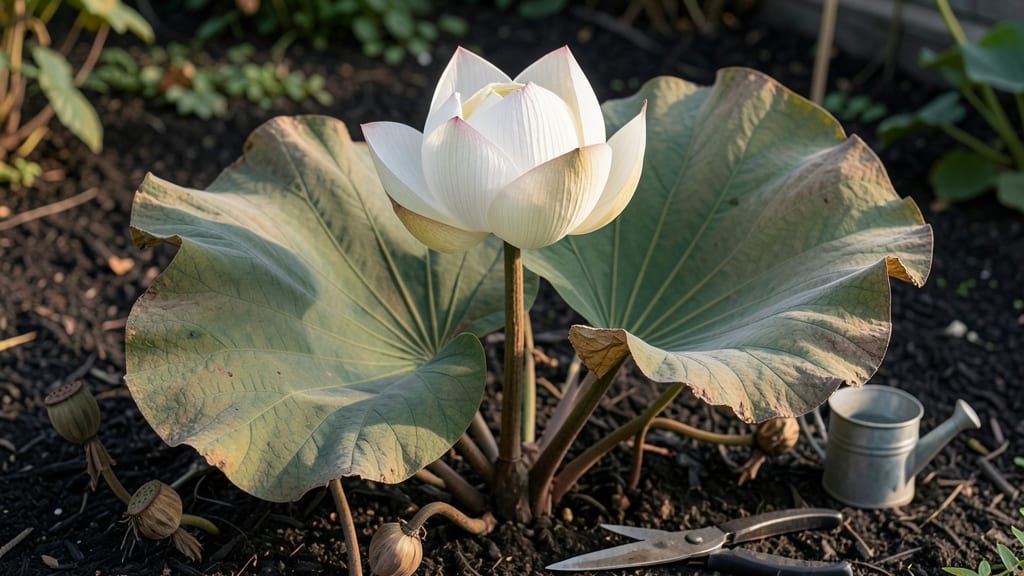
Transforming your garden into a serene sanctuary starts with dried lotus flowers—their delicate petals bring an air of elegance and cultural depth to any outdoor space. 🌸 The way they catch the morning light, their papery texture whispering stories of ancient traditions, makes them perfect for dried arrangements or seasonal decor.
I’ve used them in everything from rustic wreaths to minimalist centerpieces, and the results are always striking.
Harvesting and drying lotus flowers is simpler than you’d think—just pick fully bloomed flowers in the morning, lay them flat to dry in a shaded spot, and let nature do the rest. Once dried, they hold their shape for months, making them ideal for year-round garden accents.
Their subtle fragrance and soft hue add a touch of tranquility to any setting, whether placed in a vase or woven into a garden arch.
Beyond their beauty, dried lotus flowers carry symbolic weight—representing purity, enlightenment, and renewal in many cultures. Incorporating them into your garden design isn’t just about aesthetics; it’s about creating a space that feels intentional and meaningful.
Imagine them scattered along a garden path or framing a meditation corner—they’ll elevate your outdoor sanctuary in ways fresh flowers simply can’t.
For those who love seasonal decor, these petals are a game-changer. They pair beautifully with dried grasses, eucalyptus, or even preserved citrus slices, offering endless creative possibilities. Whether you’re designing a wedding arch or a cozy patio display, dried lotus flowers bring a timeless elegance that’s hard to resist.
Let’s explore how to make the most of them in your garden today.
📚 In This Guide
- What you need
- Instructions
- Tips and common mistakes
- Wrapping up and next steps
What you need
- ● Dried lotus flowers – 1 cup (about 30-40 petals, depending on size). Look for organic, pesticide-free petals for the best flavor and safety.
- ● Water – 1 cup (for steeping or cooking). Filtered or spring water works best to avoid bitterness.
- ○ Sweetener (optional but recommended) – 1-2 tsp honey, agave, or sugar. Adjust to taste.
- ● Culinary base (depending on use): For tea: Green or black tea bags (1-2)
- ● For garnishes: Fresh herbs (mint, basil) or edible flowers (rose petals, violets)
- ● For culinary dishes: Butter, coconut milk, or broth (for soups/stews)
- ● Fine-mesh strainer or sieve – For rinsing petals if needed.
- ● Teapot or heatproof pitcher – For steeping tea.
- ● Chef’s knife or kitchen shears – To trim stems or separate petals.
- ● Mixing bowl – For combining ingredients.
- ○ Small saucepan (optional) – If infusing lotus petals into oils or broths.
- ● Citrus zest (lemon, orange) – Adds a bright contrast to petals.
- ● Spices (cinnamon, cardamom, or star anise) – For aromatic teas or desserts.
- ● Edible glitter or gold leaf – For a showstopping garnish on cocktails or desserts.
- ● Silicon molds – To shape lotus petal-infused candies or chocolates.
Step-by-step guide to harvesting and drying lotus flowers
Freshly opened lotus blooms transform into delicate, fragrant petals with just a few simple steps.
🌿 Step 1: Select and Harvest Mature Blooms
Choose fully opened lotus flowers with vibrant petals that haven't begun to wilt. The best time to harvest is in the early morning when dew is still present—this ensures maximum freshness. Gently twist the flower stem at the base rather than cutting it to avoid damaging the plant.
Look for blooms where the petals have unfurled completely but haven't started to brown at the edges. A fully opened lotus flower will have all its petals spread wide like a delicate fan. Harvest only what you'll use immediately or can dry within 24 hours—lotus petals lose their delicate texture quickly once picked.
💧 Step 2: Clean and Prepare the Petals
Rinse the harvested lotus flowers gently under cool water to remove any dirt or insects. Be careful not to soak them—the petals are delicate and will become soggy. Pat them dry immediately with a soft, clean towel or paper towels. Any moisture left on the petals can cause them to yellow or mold during drying.
Remove the central stamen from each flower by carefully pulling it out from the base. This prevents bitterness in the dried petals. You'll see a small, green, cone-shaped structure in the center—this is what you want to remove completely. Work over a bowl to catch any fallen petals for immediate use or drying.
☀️ Step 3: Dry the Petals Properly
Lay the cleaned petals in a single layer on a drying rack or clean kitchen screen. Place this in a warm, dry, and well-ventilated area away from direct sunlight. Too much sun will cause the petals to bleach and lose their beautiful color. A temperature of 70-80°F works best for even drying without damaging the delicate tissue.
Turn the petals every 4-6 hours to ensure even drying on both sides. They're ready when completely dry and crisp to the touch—this usually takes 3-5 days depending on humidity levels. If your climate is very humid, you may need to extend drying time or use a small fan on low setting to circulate air gently.
⏰ Step 4: Store for Long-Term Use
Once fully dry, store the lotus petals in an airtight container away from light and moisture. A small glass jar with a tight-sealing lid works perfectly. Keep them in a cool, dark place like a pantry or cupboard. Properly stored dried lotus petals can maintain their flavor and color for up to 6 months, though they'll be at their best within the first 3 months.
For immediate use, you can gently rehydrate the dried petals by soaking them in warm water for 10-15 minutes before using in teas, garnishes, or culinary dishes. The petals will regain some of their delicate texture while still maintaining their beautiful appearance and subtle floral flavor.
Tips & tricks for perfect dried lotus petals
Working with lotus flowers takes patience, but these little tricks will help you preserve their delicate beauty and flavor.
Harvesting Timing: The 24-hour window after harvesting is critical—don't let petals sit in direct sunlight or they'll wilt faster. I've found that harvesting just after sunrise gives you the freshest petals with maximum moisture retention. If you can't dry them immediately, place them in a paper bag with a damp towel to maintain freshness until you're ready to clean and prepare them.
Drying Technique: For the 4-6 hour turning schedule, set a gentle alarm on your phone—consistency is key! I use a small kitchen fan on low setting during humid days to maintain airflow without damaging the petals. The goal is to dry them slowly and evenly; rushing this step can cause them to become brittle or lose their vibrant color. A temperature of 70-80°F is ideal—any hotter and you risk bleaching those gorgeous pinks and whites.
Storage Wisdom: When storing your dried petals, I recommend adding a small packet of silica gel to your airtight container. This helps absorb any residual moisture that could cause yellowing over time. For immediate use, the 10-15 minute rehydration in warm water works wonders—just don't over-soak them or they'll turn mushy. The petals should regain just enough pliability to use as garnishes or in teas without losing their delicate structure.
Pro Tips for Dried Lotus Flower
- Working with lotus flowers takes patience, but these little tricks will help you preserve their delicate beauty and flavor.
- Harvesting Timing: The 24-hour window after harvesting is critical—don't let petals sit in direct sunlight or they'll wilt faster.
- Drying Technique: For the 4-6 hour turning schedule, set a gentle alarm on your phone—consistency is key!
Frequently asked questions
Got questions about working with dried lotus flowers? You’re not alone! Here are answers to the most common queries—from storage tips to flavor pairings—to help you master this delicate ingredient with confidence.
How long do dried lotus flowers last, and how should I store them?
Properly stored, dried lotus flowers stay fresh for 6–12 months. Keep them in an airtight container (like a glass jar with a silicone lid) in a cool, dark place—think pantry or fridge. Avoid humidity to prevent mold. For extra longevity, freeze them in a sealed bag for up to 18 months!
Can I use fresh lotus flowers instead of dried ones?
Fresh lotus petals can be used, but they’re trickier! They’re perishable (lasts 2–3 days max) and require gentle handling to avoid wilting. If using, pat them dry, remove the bitter white base, and dry them quickly in a low oven (200°F/93°C for 1–2 hours) or dehydrator before cooking. For beginners, dried is easier!
What’s the best way to remove the bitter taste from lotus flowers?
The white base of lotus petals is bitter—here’s how to avoid it:
- Trim carefully: Use sharp scissors to snip off the entire white base (leave only the pale yellow/green petal).
- Toast them: Lightly toast dried petals in a dry pan for 30 seconds to mellow flavors.
- Pair with sweet/savory: Balance bitterness with honey, citrus, or umami ingredients (soy sauce, ginger).
Are dried lotus flowers safe to eat raw, or do they need cooking?
Dried lotus petals are edible raw but taste best when cooked or steeped. Raw, they’re slightly chewy and earthy—great for garnishes or teas. Cooking (sautéing, infusing, or baking) softens them and enhances their nutty, floral notes. If unsure, lightly toast or simmer for 1–2 minutes to ensure safety.
What’s a simple recipe to try if I’m new to cooking with lotus flowers?
Start with this 5-minute lotus tea:
- Steep 1 tbsp dried petals in 1 cup hot water (180°F/82°C) for 3–5 minutes.
- Add 1 tsp honey and a squeeze of lemon to balance flavors.
- Strain and enjoy! For a culinary twist, use the infused water to poach fruit or drizzle over desserts.
No experience needed—just petals + patience!
Wrapping up and next steps
Dried lotus flowers are a versatile, elegant, and flavorful addition to your kitchen—whether you're sipping a fragrant tea, elevating a dish with a delicate garnish, or exploring their subtle floral notes in cooking.
Their unique texture, subtle sweetness, and stunning appearance make them a must-try for both beginners and culinary enthusiasts. Ready to dive in?
Start by stocking up on high-quality dried lotus petals (or try growing your own!) and experiment with the recipes shared here. Tag us in your creations—we’d love to see your edible floral masterpieces! 🌸✨