
Flowers
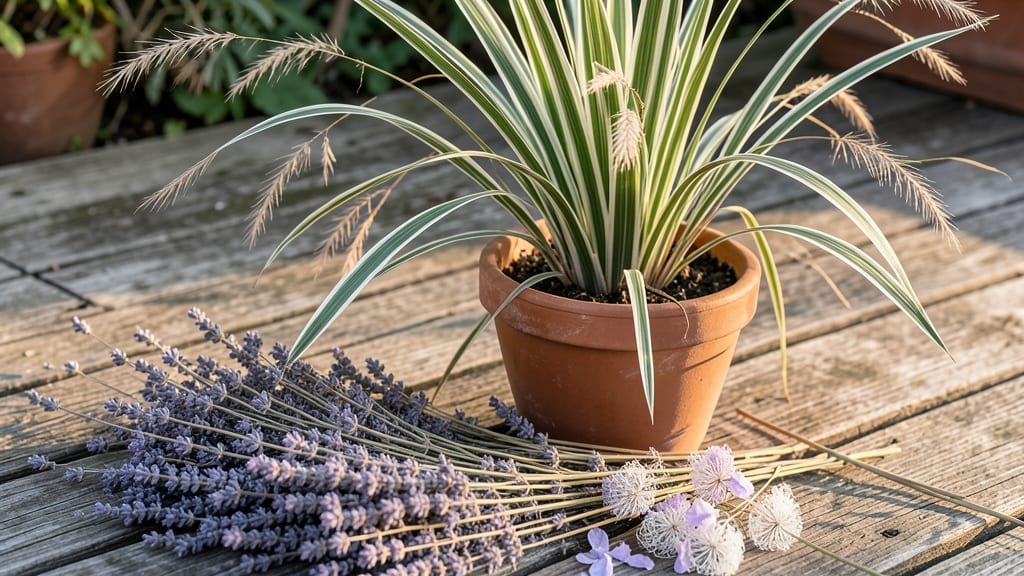
Dried grasses and flowers bring the Pacific Northwest’s moody beauty indoors and out, long after the first frost. ✨ I learned this the hard way—my first attempt at drying lavender turned into a sad, brittle mess.
But once I mastered the timing and technique, these natural accents became the star of my winter garden and holiday decor.
The magic starts with harvesting at the right stage—when blooms are fully open but before they shed. Grasses like switchgrass or fountain grass add movement and texture, while flowers like black-eyed Susans or coneflowers hold their shape beautifully.
You’ll need just a few tools: sharp scissors, brown paper bags, and patience (the waiting is half the fun).
Imagine wreaths that smell faintly of rain and earth, or potpourri that fills your home with autumn’s lingering warmth. These dried elements transform bare branches into statement pieces, and even a simple vase arrangement feels like a forest walk.
The best part? They’re low-maintenance once preserved—no watering, no fading, just pure seasonal charm.
Perfect for winter gardens, rustic tablescapes, or even as unexpected accents in modern spaces. Let’s turn your harvest into something that lasts through the long, gray months—without losing that Pacific Northwest soul.
📚 In This Guide
- What you need
- Instructions
- Tips and common mistakes
- Wrapping up and next steps
What you need
- ● Dried grasses and flowers: 1–2 lbs of local, frost-hardy grasses (e.g., Miscanthus, Pampas grass, or Switchgrass)
- ● ½–1 lb of dried flowers (e.g., Echinacea, Yarrow, or Pacific Northwest natives like Lupine or Oregon Grape
- ● Preservation method: Air-drying: No tools needed! (Hang bundles upside down in a dark, dry space for 2–4 weeks.)
- ● Silica gel: 1 lb of food-grade silica gel (for quick drying, ~24 hours)
- ● Basic crafting supplies: Floral wire (22–24 gauge, 12–18 inches per stem)
- ● Scissors or floral shears
- ● Rubber bands or twine (for bundling)
- ● Spray adhesive or floral tape for securing stems
- ● Dried citrus slices or pinecones for added texture
- ● Wooden dowels or foam blocks for arranging
- ● Glitter or metallic spray (for a glam touch!)
How to harvest and preserve Pacific Northwest dried grasses and flowers
Here's my foolproof method for turning local blooms into lasting winter accents.
🌿 Step 1: Select and Harvest at Peak Maturity
Choose sturdy stems with fully opened blooms—wait until morning after dew dries for the freshest cut. Grasses like Panicum or Miscanthus should have seed heads that are 70-80% open, while flowers like Echinacea or Solidago need petals fully unfurled but not wilting. Cut stems at a 45-degree angle with clean shears, leaving 4-6 inches of stem for stability.
Harvest on a dry, sunny day when humidity is low. I always bundle stems in paper grocery bags (not plastic) and hang immediately to prevent mildew. The goal is to preserve natural moisture while allowing air circulation—this keeps stems rigid during drying.
💧 Step 2: Bundle and Hang for Even Drying
Gather 5-7 stems per bundle and secure with twine or floral wire, wrapping tightly at the base and loosely at the top. Hang bundles upside down in a well-ventilated, dry space—I use my garage with a fan running—to ensure even airflow. The ideal drying temperature is 65-75°F with 40-50% humidity—any hotter and flowers may bleach, too humid and they'll mold.
Check bundles after 1-2 weeks—stems should snap cleanly when bent (not bend). Grasses take 3-4 weeks to fully dry because of their thick stems. If buds remain closed after 3 weeks, they won't open later—harvest earlier next time.
✂️ Step 3: Trim and Store for Long-Term Use
Once completely dry, trim stems to 6-8 inches for arrangements or leave longer for wreaths. Remove any remaining leaves or damaged blooms with sharp scissors. Store bundles in breathable Kraft paper bags or burlap sacks in a cool, dark place—this prevents moisture buildup that causes brittleness over time.
For individual stems, wrap in acid-free tissue paper and place in a sealed container with silica gel packets to maintain crispness. Label each bundle with the variety and harvest date—some grasses like Calamagrostis stay vibrant for 2-3 years, while delicate flowers like Anemone last 6-12 months.
☀️ Step 4: Create Frost-Resistant Winter Arrangements
Bring dried stems indoors 2-3 weeks before first frost to acclimate. Arrange in low-water containers (like ceramic urns) with floral preservative powder mixed into the base—this mimics natural moisture retention. For outdoor displays, bundle stems into wire frames or wooden hoops and secure with twine for wind resistance.
Here's the thing—PNW winters are damp, so I always add a waterproof liner to any outdoor installation. Place arrangements in sheltered spots (like porches or under eaves) where they'll catch morning light but stay dry. A spritz of clear acrylic sealant on stems extends their life by 30-50% in high-moisture climates.
Tips & tricks for perfectly preserved Pacific Northwest dried grasses and flowers
Here's what nobody tells you about keeping your dried botanicals looking fresh for months.
Timing is Everything: In Step 1, harvest at the right moment—wait until morning dew has evaporated but before the heat of midday. I've learned this the hard way: harvesting too early means buds won't open properly, while waiting too late causes wilting. For grasses like Miscanthus, aim for when seed heads are 70-80% open; for flowers, petals should be fully unfurled but still firm. The first hour after sunrise gives you that perfect window.
Bundle Like a Pro: When you're creating those 5-7 stem bundles in Step 2, focus on even spacing. I wrap tightly at the base first to prevent moisture buildup, then loosely at the top to allow airflow. This creates a chimney effect that speeds drying without causing bleaching. Pro tip: Use floral wire instead of twine for more secure bundles that won't unravel during drying.
Drying Conditions Matter: The 65-75°F temperature range in Step 2 is crucial—any hotter and your flowers will bleach, too cool and you risk mold. I've found that placing a small fan near the bundles creates gentle airflow without disturbing the delicate stems. For extra insurance, I place a humidity monitor nearby. If humidity climbs above 50%, I move the bundles to a different location immediately.
Storage Secrets: In Step 3, when storing your bundles, I've discovered that adding a silica gel packet to each Kraft paper bag extends freshness by up to 6 months. For individual stems, wrap them in acid-free tissue paper first—this prevents direct contact with the silica gel that can cause discoloration over time. Labeling each bundle with the harvest date is a game-changer when you're planning winter arrangements months later.
Pro Tips for Dried Grasses And Flowers
- Here's what nobody tells you about keeping your dried botanicals looking fresh for months.
- Timing is Everything: In Step 1, harvest at the right moment—wait until morning dew has evaporated but before the heat of midday.
- Bundle Like a Pro: When you're creating those 5-7 stem bundles in Step 2, focus on even spacing.
Frequently asked questions
Got questions about dried grasses and flowers?
Here are some of the most common ones—plus quick answers to help you bring the Pacific Northwest’s frost-hardy beauty into your space with ease!
What’s the best way to dry grasses and flowers without them turning brittle?
Use the hanging method for stems: Bundle them upside down in a dry, dark, well-ventilated space (like a closet or garage) for 1–3 weeks. For flowers, try air-drying in small bundles with rubber bands. Avoid heat sources—slow drying preserves texture and prevents cracking. Pro tip: Add a silica gel packet to speed up the process if you’re in a humid climate!
How long does it take for dried grasses and flowers to fully dry?
Drying time varies by plant type and conditions:
- Grasses (e.g., switchgrass, fountain grass): 2–4 weeks
- Flowers (e.g., black-eyed Susans, lavender): 1–3 weeks
- Delicate blooms (e.g., baby’s breath, statice): 7–10 days
Can I dry grasses and flowers outdoors in the rain?
Nope! Moisture is the enemy of proper drying. If you’re harvesting in damp conditions, gently shake off excess water and let them air out in a shaded spot for a few hours before hanging them indoors. Rain can cause mold, mildew, or uneven drying. Alternative: Use a fan on low to circulate air if humidity is high.
What are some creative ways to use dried grasses and flowers beyond bouquets?
Get crafty! Try these PNW-inspired ideas:
- Wreaths: Weave dried grasses into rustic or modern wreaths for holidays or year-round decor.
- Potpourri: Mix with essential oils (like cedar or pine) for a cozy, natural scent.
- Art: Press flowers between heavy books, then frame them or use them in collages.
- Home accents: Fill vases, jars, or even old boots with dried textures for a boho-chic vibe.
What should I do if my dried grasses or flowers get bugs?
Bugs love dried florals—especially in humid climates. Prevent them: Freeze arrangements for 48 hours before storing, or place them in a sealed container with cedar blocks or lavender sachets. If bugs appear, isolate the item, vacuum them out, and treat with a light spray of 70% isopropyl alcohol (test on a hidden area first). Quick fix: Store dried goods in airtight containers with silica gel packets.
Wrapping up and next steps
Dried grasses and flowers are more than just rustic accents—they’re versatile, low-maintenance, and effortlessly beautiful additions to any Pacific Northwest space. Whether you’re crafting wreaths, filling vases, or enhancing your garden’s winter charm, these frost-hardy treasures bring texture and warmth to every season. 🌿❄️
Ready to elevate your décor? Start small—pick one project, like a simple dried flower arrangement or a cozy garland, and let your creativity bloom. The PNW’s natural beauty is just waiting for your personal touch!