
Blooming
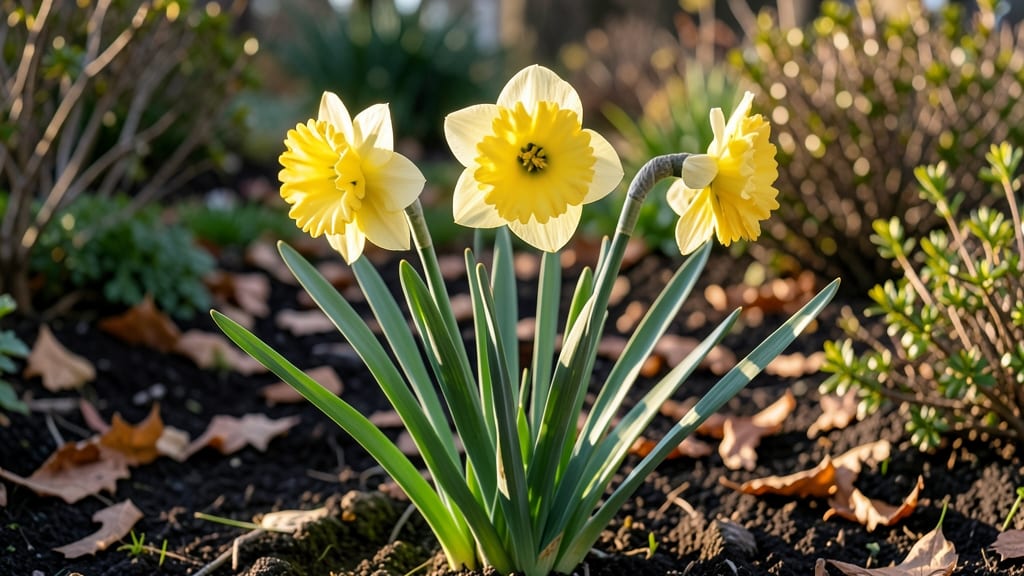
Double flowered daffodils turn your spring garden into a luxurious carpet of layered petals—without the fuss of deadheading. 🌸 I’ve grown them for years, and the secret to their effortless beauty isn’t complicated: they thrive with the same care as their single-flowered cousins, just with extra drama.
The first time I saw a double bloom unfurl like a peony, I knew I’d never go back to simple daffodils again.
These varieties love full sun to partial shade and well-draining soil—no fancy amendments needed. Plant bulbs in fall, about 6 inches deep and 6 inches apart, and they’ll reward you with 3-4 weeks of blooms each spring.
The real magic? Their foliage stays tidy, so you can forget deadheading entirely. Just let them be, and they’ll multiply over time, filling in gaps naturally.
What you’ll end up with is a garden that feels like a high-end floral display, but with zero work. The blooms range from buttery yellow to deep red-orange, and their layered petals attract pollinators while resisting wind damage better than single varieties.
Even in Zone 3, they bounce back year after year with minimal effort.
Here’s the best part: once established, they self-propagate, creating new clusters every season. No digging, no dividing—just more flowers. Whether you’re filling containers or border edges, these daffodils deliver maximum impact with minimum maintenance. Let’s get those bulbs in the ground!
📚 In This Guide
- What you need
- Instructions
- Tips and common mistakes
- Wrapping up and next steps
What you need
- ● Double flowered daffodil bulbs: Choose Narcissus varieties like 'Ice Follies,' 'Tête-à-Tête,' or 'Peeping Tom' (10–20 bulbs per planting area for a lush display). Opt for certified disease-free bulbs for healthier growth.
- ● Well-draining potting soil or garden soil: Mix with compost or peat moss (50/50 ratio) for optimal drainage. Avoid heavy clay soils.
- ● Container or garden bed: Containers: 6–8" deep pots with drainage holes (1–2 bulbs per 6" pot). Use terracotta or fabric grow bags for best results.
- ● Garden beds: Full sun to partial shade (4+ hours of sunlight daily). Amend soil with organic matter if needed.
- ● Slow-release fertilizer: 5-10-5 or 10-10-10 blend (1 tbsp per plant or per 6" pot). Apply at planting and again in early spring.
- ● Basic gardening tools: Trowel or bulb planter
- ● Gloves (to protect hands from soil)
- ● Watering can with a rose attachment (for gentle watering)
- ○ Optional (but helpful!): Mulch (straw or shredded bark) to retain moisture and suppress weeds.
- ● Plant labels (to track varieties if mixing types).
- ● Garden twine or stakes (for tall varieties in windy areas).
- ● Compost tea or liquid fertilizer (for a nutrient boost during blooming season).
Step-by-Step guide to cultivating double flowered daffodils
Here's how to grow these stunning blooms with minimal fuss—no deadheading needed.
🌱 Step 1: Select and Prepare Planting Sites
Double flowered daffodils thrive in full sun to partial shade, with at least 6 hours of direct light daily. Choose a location with well-draining soil—these bulbs rot in soggy conditions. If your soil is heavy clay, amend it with 2-3 inches of compost or a 50/50 mix of garden soil and perlite to improve drainage.
Test your site's moisture level by digging down 6 inches. If water pools or the soil stays damp for more than a day, select a sunnier, higher spot. The ideal planting depth for daffodil bulbs is 6-8 inches below soil level, with the bulb's neck (the narrow part above the base) pointing upward. This ensures roots anchor properly while keeping foliage above ground.
☀️ Step 2: Plant Bulbs at the Right Time and Depth
For spring blooms, plant bulbs in fall, 6-8 weeks before the first frost. This gives roots time to establish before winter. Use a bulb planter or trowel to dig holes 6 inches deep and 4-6 inches apart—closer spacing creates lush, continuous blooms. Place one bulb per hole with the pointed end facing up.
Cover the bulb with soil, then water deeply to settle it. Mulch with 2-3 inches of straw or shredded leaves to insulate bulbs during winter. You'll know planting depth is correct when the top of the bulb sits 2 inches below the soil surface. Over-planting too shallowly exposes bulbs to frost heave, while planting too deep delays flowering.
💧 Step 3: Water and Fertilize for Optimal Growth
After planting, water the area until the soil is moist to a depth of 6 inches. Daffodils are drought-tolerant once established, but consistent moisture during the first growing season encourages strong root development. Reduce watering once foliage yellows in late spring—this signals the bulb is storing energy for next year's blooms.
Apply a balanced, slow-release fertilizer (10-10-10) in early spring as shoots emerge. Avoid high-nitrogen fertilizers, which promote leafy growth at the expense of flowers. Double flowered varieties need slightly less nitrogen than standard daffodils to maintain their lush, multi-layered blooms. You'll see healthy foliage and robust stems when fertilized correctly—thin, pale growth means it's time to adjust.
✂️ Step 4: Maintain and Enjoy Year-Round Beauty
Unlike single-flowered daffodils, double varieties rarely need deadheading. Simply allow blooms to fade naturally—they'll provide visual interest long after petals drop. Once foliage turns yellow, cut it back to half its height with clean pruners. This prevents disease while allowing bulbs to photosynthesize until they fully rest.
In late summer, add a 2-inch layer of mulch around plants to protect bulbs from winter cold. Double flowered daffodils multiply over time, so divide congested clumps every 3-5 years in early fall. Dig up bulbs, separate offsets, and replant immediately. You'll know it's time to divide when flower quality declines or stems become crowded.
Tips & tricks for perfect double flowered daffodils
Double flowered daffodils are a gardener's dream—they're low-maintenance yet stunning. Here's what I've learned to ensure your plants thrive with minimal effort.
Sunlight Strategy: While daffodils tolerate partial shade, the 6 hours of direct sunlight mentioned in Step 1 is non-negotiable for vibrant blooms. In my experience, morning sun with afternoon shade works best in hotter climates—this prevents wilting while still delivering enough energy for those lush, multi-layered flowers. If your garden gets intense afternoon sun, consider planting near taller perennials that provide natural shade after noon.
Soil Science: The instructions mention amending heavy clay with compost or perlite, but here's what nobody tells you—double flowered varieties are particularly sensitive to soggy soil. After planting, create a slight mound around each bulb to improve drainage further. This simple elevation trick prevents the dreaded bulb rot that can ruin years of growth. I've seen daffodils planted in amended soil still struggle when the surrounding ground stays damp.
Fertilizer Finesse: That 10-10-10 balanced fertilizer recommendation is spot-on, but timing matters more than you'd think. I apply mine in two stages: half when shoots emerge in early spring, and the remaining half once blooms fade. This two-part approach prevents over-fertilization that can cause weak stems. For even better results, mix a handful of bone meal into the planting hole at the start—it provides slow-release phosphorus that double flowered varieties crave for their dramatic blooms.
Division Discipline: The instructions suggest dividing every 3-5 years, but I've found that double flowered daffodils often need dividing sooner—sometimes as early as year three. Watch for these signs: blooms getting smaller, stems leaning, or fewer flowers per stem. When you divide, separate the offsets carefully and replant immediately. These bulbs establish roots quickly, so don't let them dry out during the process. I've successfully divided in early fall and even late winter with good results.
Pro Tips for Double Flowered Daffodils
- Double flowered daffodils are a gardener's dream—they're low-maintenance yet stunning.
- Sunlight Strategy: While daffodils tolerate partial shade, the 6 hours of direct sunlight mentioned in Step 1 is non-negotiable for vibrant blooms.
- Soil Science: The instructions mention amending heavy clay with compost or perlite, but here's what nobody tells you—double flowered varieties are particularly sensitive to soggy soil.
Frequently asked questions
Got questions about double flowered daffodils? You’re not alone! Whether you're a first-time gardener or a seasoned blooms enthusiast, these answers will help you grow stunning, low-maintenance flowers year after year.
What’s the best time to plant double flowered daffodils for maximum blooms?
Plant them in fall (6–8 weeks before the first frost) for the best results. This gives bulbs time to establish roots before winter. Spring-planted bulbs may bloom, but they won’t thrive as long-term perennials. Aim for October–November in most U.S. zones.
Why aren’t my double flowered daffodils reblooming like they did last year?
Reblooming can be tricky! These beauties often need 6+ weeks of winter chill (below 40°F). If your climate is mild, try chilling bulbs indoors (40–50°F) for 8–10 weeks before replanting. Also, ensure they get full sun (6+ hours/day) and well-draining soil.
Can I grow double flowered daffodils in containers? Yes—but what’s the secret?
Use deep pots (12"+ depth) with drainage holes and a mix of potting soil + perlite. Plant 3–5 bulbs per 10" pot for a full look. Move containers to a cool, dark place (like a garage) after foliage yellows to encourage next year’s blooms.
How do I protect double flowered daffodils from pests like squirrels or deer?
Squirrels and deer love daffodil bulbs! Deter them with:
- Chicken wire over planted areas (remove after sprouting).
- Repellent sprays (like hot pepper wax) on foliage.
- Plant in clusters—pests avoid large groups.
What’s the difference between double flowered daffodils and single-bloom varieties?
Double flowered daffodils have layered petals (like peonies), while single-bloom types have one inner trumpet surrounded by 6 outer petals. Doubles often look more lush but may have fewer blooms per stem. Choose based on your style: dramatic fluff vs. classic elegance!
Wrapping up and next steps
Double flowered daffodils are the ultimate low-maintenance superstars of the garden—packing bold beauty with zero fuss! Their layered petals and year-round charm make them a must-have for effortless elegance, whether you're a seasoned gardener or just starting out. 🌷✨
Ready to transform your space? Grab your gloves, pick a sunny spot, and dive into planting—your garden’s next masterpiece is just a bulb away!