
Pests
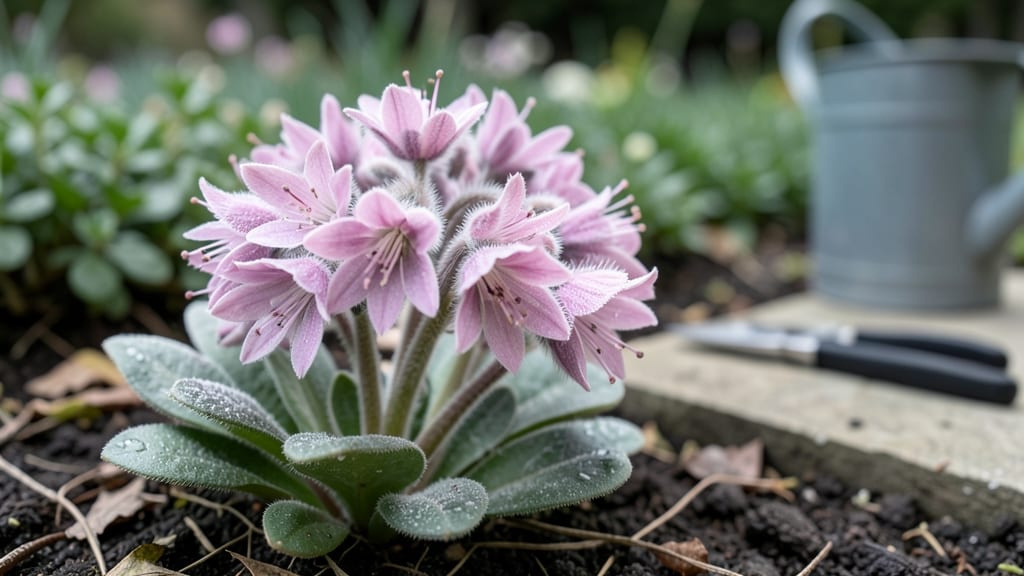
These deer-resistant spring flowers will keep your garden vibrant—and your greenery safe from hungry visitors.
That’s the magic of deer-resistant flowers—like bleeding heart, daffodils, and alliums—that thrive when deer are hungry. 🌸 I’ve learned the hard way which varieties actually work (and which don’t), so you don’t have to waste time on plants that get munched anyway.
These tough bloomers pack a double punch: they’re frost-hardy enough for early spring planting and toxic or bitter to deer, making them the unsung heroes of garden borders. Plant them in late winter to early spring—just as deer browse becomes desperate—and watch them push through snow with vibrant colors.
The secret? Their strong fragrance or milky sap repels deer naturally.
You’ll end up with neighborhood-stopping displays of pink, purple, and yellow blooms that last from April through June. The best part? They multiply over time, creating a low-maintenance deer-proof barrier. Just avoid overwatering—they hate soggy roots as much as deer do.
Works in zones 3-8, though southern gardeners should plant slightly earlier to beat heat waves. Northern growers? Don’t rush—wait until soil warms to 50°F to avoid frost damage. Here’s the full list of winners (and a few surprises) that’ll keep your garden—and your sanity—intact.
📚 In This Guide
- What you need
- Instructions
- Tips and common mistakes
- Wrapping up and next steps
What you need
- ● Deer-resistant flower bulbs/seeds: 10–20 plants (e.g., Daffodils, Allium, Bleeding Heart, Columbine, or Lavender). Choose certified deer-resistant varieties for best results.
- ● High-quality potting soil: 5–10 bags (sterilized, well-draining mix with compost). Aim for organic matter-rich soil (e.g., Miracle-Gro Garden Soil or Espoma Organic Potting Mix).
- ● Organic mulch: 2–3 bags (e.g., pine straw, wood chips, or shredded leaves) to suppress weeds and retain moisture.
- ● Fertilizer: 1–2 bags of balanced, slow-release fertilizer (e.g., 10-10-10 or 5-10-5) or organic options like fish emulsion.
- ● Compost: 1–2 cubic yards (for enriching soil before planting).
- ● Garden trowel or hand shovel (for digging small holes).
- ● Garden fork or spade (for amending soil).
- ● Gloves (heavy-duty, nitrile-coated for durability).
- ● Watering can or hose with a gentle spray nozzle (for deep watering).
- ● Pruners or shears (for trimming dead foliage or shaping plants).
- ● Measuring tape or ruler (to space plants 12–24 inches apart).
- ○ Optional: Deer repellent spray (e.g., Liquid Fence) or physical barriers (e.g., chicken wire) for extra protection.
- ● Sunlight assessment: Identify areas with partial to full sun (6+ hours/day). Most deer-resistant spring flowers thrive in sunny spots.
- ○ Soil test kit (optional but helpful): Check pH levels (6.0–7.0 ideal) and nutrient balance before planting.
- ● Water source nearby: Ensure easy access for consistent watering (especially in the first 2 weeks).
- ● Patience: Deer-resistant flowers may take 1–2 years to fully establish and deter deer!
How to design a deer-resistant spring flower garden
Here's the foolproof approach I use to create vibrant, deer-proof displays every spring.
🌱 Step 1: Select the Right Deer-Resistant Varieties
Focus on plants with strong fragrances, fuzzy foliage, or toxic compounds that deer avoid. My top choices include peony (leathery leaves), bleeding heart (drooping habit), columbine (bitter taste), and foxglove (cardiac glycosides). I always include at least three different textures—spiky, velvety, and smooth—to create visual interest while confusing deer about what to nibble.
Plant in odd-numbered groupings of 3, 5, or 7 for natural appeal. Deer are less likely to browse when they can't easily access the center plants. I arrange my tallest varieties like delphinium at the back, mid-height lupine in the middle, and low-growing heuchera in front. This layered approach also prevents deer from seeing vulnerable new growth.
☀️ Step 2: Position Plants Strategically Around Your Yard
Deer typically enter gardens from wooded edges or along property lines. Create a 3-foot wide barrier of deer-resistant shrubs like boxwood or barberry along these access points. I've found that a mix of Russian sage and lavender planted in a loose grid pattern works best—both have strong scents that deer dislike.
Place your most valuable flowers near high-traffic human areas where deer are less likely to venture. I always position my peony and iris beds near patios or walkways. For extra protection, I interplant allium (ornamental onion) throughout—its strong odor deters deer while adding height contrast. The key is creating a landscape where deer find nothing appealing to eat.
💧 Step 3: Implement Physical and Chemical Deterrents
After planting, install 18-inch tall deer fencing made of woven wire or plastic mesh around garden beds. I bury the bottom 6 inches deep to prevent digging. For individual plants, I use plastic tree guards wrapped around stems—deer can't browse what they can't reach. The guards also protect against late-season nibbling when flowers are most vulnerable.
Apply a deer repellent spray containing putrescent egg solids every 2-3 weeks during active browsing seasons. I spray in the early evening when deer are most active. The smell isn't pleasant to us either, so I limit application to the outer edges of beds. For extra protection, I plant rosemary and thyme along borders—their strong fragrance creates a natural deterrent zone.
✂️ Step 4: Maintain Year-Round Protection
Deer damage often occurs during late winter when other food sources are scarce. I start applying granular deer repellent in February and continue through April. For established gardens, I use soaker hoses set on low flow to keep foliage moist—deer prefer crisp, dry plants. I water in the late afternoon when evaporation is lowest.
Deadhead spent blooms promptly to encourage continuous flowering. I always leave some seed heads on 20% of plants as food for birds, which helps create a balanced ecosystem. In October, I apply a 3-inch layer of mulch around plants to protect roots from freezing and to mask garden smells that might attract deer during winter.
Tips & tricks for perfect deer-resistant spring gardens
These simple strategies will help you create a vibrant garden that deer will avoid like the woods they call home.
Layering for Confusion: The layered approach in Step 1—tall delphinium at the back, mid-height lupine in the middle, and low heuchera in front—does more than create visual interest. It creates a psychological barrier for deer. When they approach, they can't immediately see the most vulnerable new growth at the center of your groupings. This natural camouflage works best when you maintain the odd-numbered plantings (3, 5, or 7) mentioned in the instructions. Deer are less likely to linger when they can't easily access what they perceive as easy meals.
Scent Strategy: While the instructions mention strong-scented plants like Russian sage and lavender, here's what nobody tells you—the most effective scent barriers are often the ones we don't notice. In Step 2, when positioning your plants, consider adding optional allium varieties (like ornamental onions) not just for their height contrast but for their pungent aroma. The sulfur compounds in alliums create a natural deer deterrent that's especially effective when planted in clusters around garden edges. For maximum impact, interplant them with your peonies and irises—the deer's least favorite combination.
Fencing Placement: The 18-inch tall deer fencing in Step 3 is only effective if installed properly. Burying the bottom 6 inches deep prevents digging, but here's the trick: position the fence at least 3 feet away from your planting beds. Deer have been known to jump surprisingly high when motivated, and they'll attempt to reach over if the fence is too close. For extra protection, add a second line of 12-inch tall fencing about 18 inches inside the first line—this creates a "no-man's-land" that deer are reluctant to cross. The key is making them feel like they're entering a trap rather than a buffet.
Seasonal Timing: The instructions mention applying granular deer repellent from February through April, but here's the seasonal secret: deer browsing patterns change dramatically. In late winter (February), focus on protecting emerging shoots with the repellent. However, by March and April, when your peonies and irises are in full bloom, switch to a soaker hose strategy mentioned in Step 4. Keep foliage moist—deer prefer crisp, dry plants. Water in the late afternoon when evaporation is lowest, creating a damp barrier they'll avoid. This moisture trick works particularly well for your fuzzy-leaved varieties like columbine and foxglove.
Pro Tips for Deer Resistant Spring Flowers
- These simple strategies will help you create a vibrant garden that deer will avoid like the woods they call home.
- Layering for Confusion: The layered approach in Step 1—tall delphinium at the back, mid-height lupine in the middle, and low heuchera in front—does more than create visual interest.
- Scent Strategy: While the instructions mention strong-scented plants like Russian sage and lavender, here's what nobody tells you—the most effective scent barriers are often the ones we don't notice.
Frequently asked questions
Got questions about keeping deer away from your spring garden without sacrificing beauty? You’re not alone! Here are answers to the most common concerns about deer-resistant blooms—so you can enjoy vibrant flowers without the nibbles.
Which deer-resistant flowers bloom the earliest in spring?
Early spring favorites like heuchera (coral bells), lamium (dead nettle), and allium (ornamental onion) push through cold soil and deter deer with strong scents or fuzzy textures. For bold color, try bleeding heart (Dicentra spectabilis)—its heart-shaped leaves are less appealing than its flowers, but deer usually avoid it entirely.
Do deer-resistant plants ever get eaten?
No plant is 100% deer-proof, but the key is choosing highly unpalatable options like foxglove (Digitalis), lobelia, or columbine. Deer may nibble in desperation (e.g., during harsh winters), but these plants are their last choice. Pair them with deer deterrents like sprays or fencing for extra protection.
Can I mix deer-resistant flowers with edible plants?
Plant deer-resistant borders (like Russian sage or yarrow) around veggie gardens to create a natural barrier. Deer tend to avoid aromatic or fuzzy-textured flowers, giving your herbs and lettuce a fighting chance. Just avoid planting edibles that smell like deer favorites (e.g., hostas near tomatoes).
How long does it take for deer-resistant flowers to establish?
Most perennials (like peony or black-eyed Susan) take 1–2 years to fully establish and become deer-proof. Annuals (e.g., larkspur) bloom faster but may need replanting yearly. Pro tip: Start with established nursery plants (not seeds) for quicker results—deer are less likely to munch on mature foliage!
What if deer still eat my flowers? Quick fixes?
Try these low-effort fixes:
- Spicy spray: Mix 1 tbsp cayenne pepper + 1 gallon water + a drop of dish soap. Reapply after rain.
- Physical barriers: Wrap young plants in chicken wire or use deer netting (temporary but effective).
- Motion-activated sprinklers: Startles deer without harming them.
If all else fails, swap out damaged plants with even more deer-unfriendly varieties like daffodils or fritillaria—their toxic bulbs are a deer’s worst nightmare!
Wrapping up and next steps
Transforming your garden into a deer-resistant paradise is easier—and more beautiful—than you think! With the right deer-resistant spring flowers, you can enjoy vibrant blooms while keeping those hungry herbivores at bay. 🌸
Now that you’re armed with plant knowledge, take the next step: sketch a garden layout, test soil pH, and start planting!
Whether you’re a seasoned gardener or a curious beginner, every bloom you add is a win for your yard and your local wildlife (the kind that doesn’t nibble your petunias). Happy gardening!