
Flowers
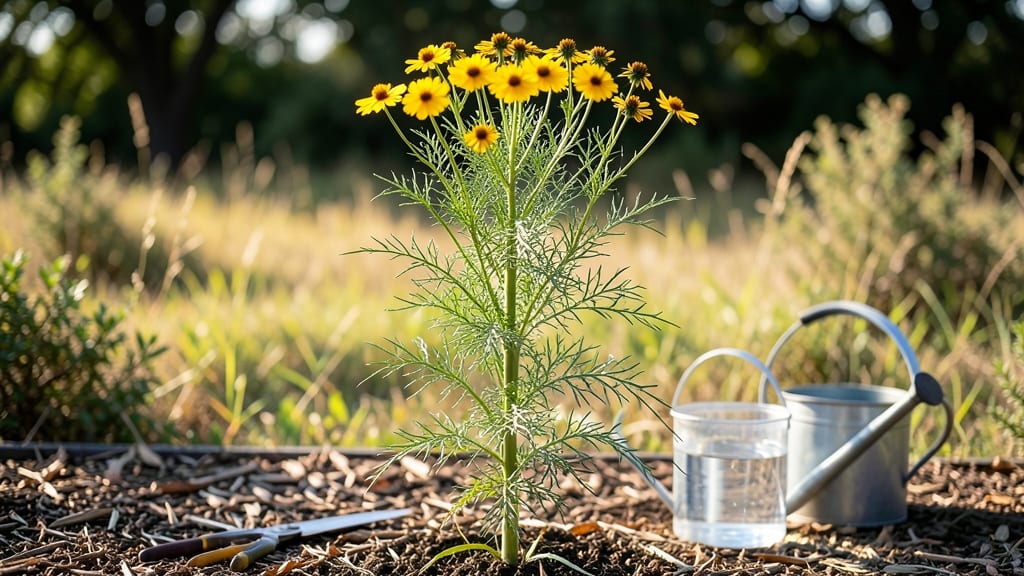
Growing coreopsis cut flowers in the Pacific Northwest means sun-drenched stems that last weeks in vases. 🌻 I’ve turned my garden into a cut-flower powerhouse with just this one hardy perennial—its bright blooms keep coming back all season long, even in our damp summers.
The secret isn’t complicated: well-draining soil, full sun, and regular deadheading to push new blooms. My favorite varieties for cutting—like ‘Moonbeam’ and ‘Zagreb’—stay compact but produce long, sturdy stems perfect for arrangements. They thrive in our climate, too, handling both heat and occasional rain.
You’ll harvest dozens of stems from a single plant, with each cut flower lasting 10-14 days in water. The blooms stay vibrant, and the foliage stays green even through our grayer months. Prune wisely, and you’ll have fresh bouquets from early summer until frost.
Works in containers or garden beds, and pairs beautifully with other PNW cut flowers like echinacea and rudbeckia. Here’s how to grow yours—no green thumb required.
📚 In This Guide
- What you need
- Instructions
- Tips and common mistakes
- Wrapping up and next steps
What you need
- ● Coreopsis plants: Choose healthy, disease-free varieties like Coreopsis verticillata or Coreopsis lanceolata (at least 3–5 mature plants for a steady harvest).
- ● Sharp pruning shears or floral knives: 1 pair (sterilized with rubbing alcohol to prevent bacterial spread).
- ● Clean buckets or vases: 2–3 (5-gallon capacity) filled with lukewarm water (change water daily).
- ● Floral preservative: 1 bottle (e.g., Chrysal Clear or homemade mix: 1 tsp sugar + 1 tsp bleach per quart of water).
- ● Newspaper or damp towels: For transporting cut stems (prevents wilting).
- ● Buckets with ice: 1–2 (extends vase life by slowing ethylene gas).
- ○ Floral foam: Optional for arrangements (cut to fit your vase).
- ● Spray bottle with water: Keeps stems hydrated during transport.
- ○ Gloves: Optional (if handling thorny varieties like Coreopsis tinctoria).
- ● Notebook & pen: Track bloom times, varieties, and vase life for future reference!
Step-by-Step guide to growing coreopsis cut flowers for long-stemmed blooms
This sun-loving perennial thrives in Pacific Northwest conditions and rewards patience with abundant, long-lasting cut flowers.
🌱 Step 1: Prepare the Planting Site for Full Sun and Well-Drained Soil
Coreopsis demands 6+ hours of direct sunlight daily—choose a location where it will receive morning sun through late afternoon. In the Pacific Northwest's cooler climate, afternoon shade helps prevent wilting during heatwaves. Amend the soil with 2-3 inches of compost to improve drainage, as coreopsis roots rot easily in soggy conditions.
Test your soil's moisture level by squeezing a handful: it should crumble when dry but hold together when damp. If your garden soil is heavy clay, mix in 1 part perlite to 3 parts native soil before planting. This ensures water drains freely while retaining enough moisture for deep root growth.
🪴 Step 2: Plant Coreopsis at the Right Depth and Spacing for Airflow
Set each plant 12-18 inches apart in rows spaced 18-24 inches apart to allow airflow between stems. Crowding leads to fungal diseases like powdery mildew, which thrives in the Pacific Northwest's humid summers. Dig a hole twice as wide as the root ball but only as deep—planting too deep suffocates the crown.
Gently tease the roots outward if they're circling the container, then backfill with native soil mixed with compost. Press firmly around the base to eliminate air pockets, then water deeply until moisture reaches 6 inches down. The soil should feel damp but not saturated—coreopsis dislikes soggy feet.
☀️ Step 3: Water Deeply and Establish a Consistent Moisture Routine
Water once a week during the first growing season, providing 1 inch of water per week (including rainfall). Check moisture by inserting a finger 2 inches into the soil—if it feels dry, it's time to water. In the Pacific Northwest's unpredictable climate, morning watering prevents fungal issues from evening dampness.
After establishment (typically 6-8 weeks), coreopsis becomes drought-tolerant. Let the top 1-2 inches of soil dry out between waterings to encourage deep root growth. Overwatering causes weak stems that flop under the weight of blooms—something you definitely don't want for cut flowers.
✂️ Step 4: Deadhead and Prune for Continuous Reblooming
Deadhead spent blooms every 2-3 days during peak flowering to encourage more buds. Simply pinch off the faded flower head with your thumb and forefinger—no tools needed. This triggers the plant to produce new stems from the base rather than just extending existing ones. Regular deadheading also prevents self-seeding, keeping your garden tidy.
After the first flush of blooms fades (usually 6-8 weeks after planting), cut back one-third of the plant's height to stimulate a second round of flowering. Time this pruning for early summer—just as the first blooms begin to decline. This rejuvenates the plant and prevents it from becoming woody and leggy.
💧 Step 5: Harvest Cut Flowers at Peak Maturity for Long Vase Life
Harvest stems when 25-50% of the buds are open—this ensures they'll continue blooming in your vase. Use clean, sharp pruners to cut 4-6 inches below the flower head at a 45-degree angle. This encourages water uptake and prevents the stem from sitting flat in the vase, which blocks moisture.
Change vase water every 2-3 days and trim ½ inch from the stem ends each time. Coreopsis blooms last 7-10 days in arrangements when properly cared for. For maximum vase life, harvest in the early morning when stems are fully hydrated—this gives them a head start before the journey home.
Tips & tricks for perfect coreopsis cut flowers
Here's what I've learned after growing coreopsis in Pacific Northwest gardens for years—these little details make all the difference for long-stemmed blooms.
Soil Preparation Secret: The 2-3 inches of compost in Step 1 isn't just about nutrients—it's about creating that perfect crumbly texture. I've found that adding a handful of worm castings to the compost mix gives you an extra boost of microbial activity that helps roots establish faster. This is especially important in our rainy climate where soil can get compacted. The key is to mix it thoroughly so you don't create pockets of rich soil that can attract slugs—those pests love coreopsis too!
Spacing Strategy: When planting in Step 2, I always space my coreopsis in a staggered pattern rather than perfect rows. This creates a more natural look while maintaining that crucial 12-18 inch spacing. The staggered arrangement also helps prevent fungal spread between plants during our humid summers. If you're short on space, you can plant them 12 inches apart but be prepared for more frequent deadheading to prevent overcrowding.
Watering Wisdom: The once-a-week watering in Step 3 works perfectly in our climate, but I've learned to adjust for microclimates. In particularly hot microclimates, I water twice a week during establishment. The visual cue I use is this: if the soil feels like a slightly damp sponge when you squeeze it (not dripping wet), you're good. Overwatering is the biggest mistake I see—it causes those weak stems that flop over, ruining the cut flower potential.
Harvesting Hack: For Step 5, I harvest my coreopsis in batches throughout the morning rather than all at once. This extends the vase life because the stems stay fresher longer. I also keep a bucket of water with a splash of bleach (1/4 teaspoon per gallon) nearby while harvesting. This keeps the cut stems hydrated until I can arrange them. The 45-degree angle cut is crucial—it gives the stems more surface area to absorb water, which is why these flowers last so long in arrangements.
Pro Tips for Coreopsis Cut Flower
- Here's what I've learned after growing coreopsis in Pacific Northwest gardens for years—these little details make all the difference for long-stemmed blooms.
- Soil Preparation Secret: The 2-3 inches of compost in Step 1 isn't just about nutrients—it's about creating that perfect crumbly texture.
- Spacing Strategy: When planting in Step 2, I always space my coreopsis in a staggered pattern rather than perfect rows.
Frequently asked questions
Got questions about growing and using coreopsis as cut flowers? You’re not alone!
Here are answers to the most common queries from gardeners and florists in the Pacific Northwest—and beyond.
How long do coreopsis cut flowers last in a vase?
With proper care, coreopsis cut flowers typically last 7–10 days in a vase. To extend their life, trim stems at an angle, change the water every 2–3 days, and remove any wilted petals. For longer vase life, add a floral preservative (like a pinch of sugar and bleach) to the water.
When is the best time to harvest coreopsis for cutting?
Harvest coreopsis in the morning when buds are just starting to open—this ensures the longest vase life. Avoid cutting fully bloomed flowers, as they’ll wilt faster. In the PNW, you can harvest coreopsis from late spring through fall, with reblooming varieties offering multiple cuts per season.
Can I grow coreopsis from cuttings?
While coreopsis isn’t the easiest plant to propagate from cuttings, it’s possible! Take 4–6 inch stem cuttings in early summer, dip them in rooting hormone, and plant them in moist sand or perlite. Keep them warm and humid (like under a plastic dome) until roots form, which can take 4–6 weeks. Patience is key!
What’s the best way to dry coreopsis flowers?
To dry coreopsis, bundle stems and hang them upside down in a dark, dry, well-ventilated space for 2–3 weeks. Alternatively, lay them flat on a screen or paper towel. Once fully dry, remove petals and store in an airtight container. Dried coreopsis makes stunning potpourri or wreaths!
What should I do if my coreopsis stems wilt quickly after cutting?
Quick wilting often means blocked stems or bacterial buildup. Re-cut stems under water at a 45-degree angle to improve water uptake. Also, avoid overcrowding in the vase and ensure fresh, clean water. If wilting persists, check for pests or disease in your garden—healthy plants yield longer-lasting cut flowers!
Wrapping up and next steps
Coreopsis cut flowers are a sunshine-filled addition to any Pacific Northwest garden, offering bold color, long-lasting blooms, and effortless charm. Whether you’re a seasoned florist or a budding gardener, their reblooming nature and drought tolerance make them a standout choice for cut arrangements and pollinator-friendly landscapes.
Ready to bring some cheerful, low-maintenance beauty to your space?
🌱 Next Steps:
- Pick your favorite variety (try ‘Moonbeam’ for soft pastels or ‘Zagreb’ for fiery reds!).
- Grab some well-draining soil and a sunny spot—your coreopsis will thank you!
- Share your blooms with friends or snap a pic to inspire others! 📸