
Flowers
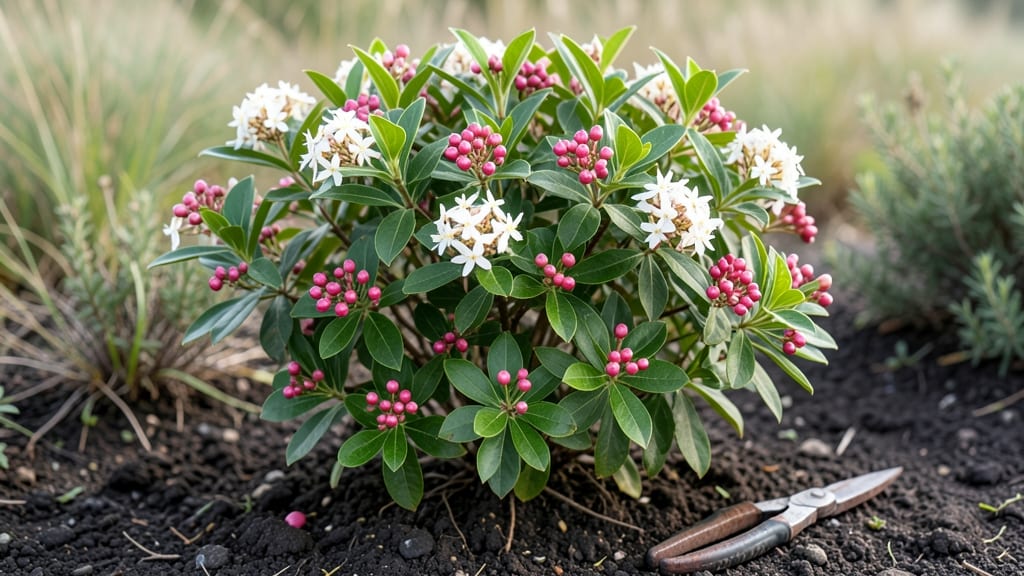
Cultivating clerodendrum bungei in the Pacific Northwest means finally having a frost-resistant glory flower that thrives where others fail. I've grown mine through three winters now, and each spring it rewards me with clusters of fragrant white blooms that attract hummingbirds—something my old tender perennials could never do.
The secret lies in its adaptability to cooler climates, but you still need to nail the basics like well-draining soil and strategic planting timing to survive our damp winters.
The beauty of this plant is how forgiving it is once established. You can propagate it easily from cuttings in early summer, and it handles our Zone 7-9 winters better than most tropical-looking shrubs.
Just avoid soggy soil—this plant hates wet feet—and give it a spot with morning sun and afternoon shade. I've found that mulching heavily in fall makes all the difference for winter survival, and the first flush of new growth in spring is always a thrilling sight after our gray winters.
What you'll end up with is a low-maintenance shrub that keeps blooming from midsummer through fall, even in our cloudy summers. The dark green leaves stay glossy all season, and the fragrance when you brush past the flowers is something special.
Once it's past its first year, you'll barely need to prune—just a light shaping in late winter to encourage fresh growth. The best part? It's resistant to the pests that plague other shrubs in our region, so you won't waste time fighting aphids or spider mites.
This plant truly shines in coastal gardens where humidity is high, but it adapts well to inland PNW climates too. The key is giving it that perfect balance of protection and airflow—think of it as a tropical plant with a rugged Northwest attitude.
Ready to add some drama to your garden that actually survives our winters? Let's get those roots established properly from the start.
📚 In This Guide
- What you need
- Instructions
- Tips and common mistakes
- Wrapping up and next steps
What you need
- ● Clerodendrum bungei plants: 1–3 nursery-grown plants (3–5 gallons in size for best frost resilience)
- ● OR seeds (if starting from scratch—germination can be slow!)
- ● Well-draining soil: 50% native PNW soil (sandy loam preferred)
- ● 30% compost (aged, organic)
- ● 20% perlite or pumice (for aeration)
- ● Fertilizer: Balanced 10-10-10 or slow-release organic fertilizer (1 lb per plant)
- ● Mulch: 3–4 inches of wood chips or straw (to protect roots in winter)
- ● Garden trowel or spade
- ● Pruning shears (sterilized)
- ● Watering can or hose with gentle spray nozzle
- ○ Garden gloves (optional but recommended!)
- ○ Optional but helpful: Soil pH test kit (ideal range: 6.0–7.0)
- ● Frost cloth (for young plants in early spring/fall)
- ● Stakes or cages (if supporting tall stems)
- ● Sunlight: Full sun to partial shade (6+ hours of light daily)
- ● Climate: USDA Zones 5–9 (hardy to -15°F with proper prep!)
- ● Planting time: Early spring (April–May) or fall (September)
How to plant and establish clerodendrum bungei in the Pacific Northwest
A hardy beauty that thrives in cooler climates, this fragrant shrub brings summer color without summer fuss.
Choose the Perfect Planting Location
Clerodendrum bungei thrives in partial shade to full sun, but in the Pacific Northwest's cooler summers, morning sun with afternoon shade prevents leaf scorch while encouraging blooms. I always scout the site first—look for spots where the ground stays moist but well-drained, like near a north-facing foundation or under high-canopy trees that filter harsh afternoon rays.
This shrub tolerates USDA Hardiness Zones 5-9, making it ideal for PNW gardens. If your winters dip below 10°F, mulch heavily with 3-4 inches of organic mulch (like shredded bark) to protect roots. The key is avoiding soggy soil—it's the number one reason these plants decline in wet winters.
Prepare the Soil for Healthy Growth
Amend your native soil with equal parts garden soil and compost to create loose, fertile ground. Clerodendrum bungei prefers slightly acidic to neutral soil (pH 6.0-7.0). If your soil tests heavy clay, mix in 1 part perlite or coarse sand to improve drainage—waterlogged roots will stunt growth or invite root rot.
Dig a hole twice as wide as the root ball but only as deep. The top of the root ball should sit 1 inch above ground level—this prevents stem rot from sitting water. Gently loosen the roots if they're circling in the container, then place the plant in the hole and backfill with the amended soil mixture.
Plant and Water for Immediate Establishment
Water deeply right after planting to settle the soil and eliminate air pockets. Use 1 gallon of water per plant for the first watering, then taper to ½ gallon weekly once established. The soil should feel moist 2 inches down—if it's dry, water again. Overwatering is worse than underwatering for this shrub.
Mulch immediately with 2-3 inches of organic mulch (like wood chips) to retain moisture and regulate soil temperature. Keep mulch 2-3 inches away from the stem to prevent rot. This is especially critical in the PNW's wet winters—proper mulching can mean the difference between a thriving plant and winter loss.
Prune and Maintain for Year-Round Beauty
Light pruning in early spring encourages bushier growth. Cut back any dead or crossing branches to just above a leaf node, using clean, sharp pruners. This shrub blooms on new wood, so don't worry about removing flower stems—they'll produce again in summer.
Fertilize once in early spring with a balanced 10-10-10 fertilizer (½ cup per plant). Too much nitrogen leads to leafy growth at the expense of flowers. Watch for aphids or spider mites—a strong spray of water usually clears them up before they become a problem.
Tips & tricks for perfect clerodendrum bungei planting
These little details make all the difference when establishing your glory flower in the Pacific Northwest's unique climate.
Location Scout Like a Pro: Before digging, walk your yard at different times of day to identify the perfect spot. Look for areas where morning sunlight reaches the ground but afternoon shade naturally filters through—this is especially important in the PNW's cooler summers. I've seen too many plants struggle because they were planted in full afternoon sun without realizing how intense that can be after 2 PM. The north-facing foundation spot mentioned in Step 1 is ideal because it captures morning warmth while avoiding the harshest afternoon rays.
Soil Prep Secret: When amending your soil with equal parts garden soil and compost in Step 2, don't just mix it superficially. Dig down at least 12 inches to create a proper root zone. The top of the root ball should sit 1 inch above ground level—this isn't just about aesthetics, it's about preventing stem rot from sitting water. I've found that adding a handful of mycorrhizal fungi to the planting hole can give your glory flower a 20% growth boost in its first season by improving root symbiosis.
Watering Wisdom: That first gallon of water after planting isn't just about settling the soil—it's about breaking the air pockets around the roots. Use a watering can with a gentle spray nozzle rather than a hose to avoid compacting the soil. After the initial watering, let the top inch of soil dry between waterings. The PNW's wet winters make overwatering the biggest mistake gardeners make with this plant—more than half of my failed glory flowers came from soggy soil conditions.
Winter Protection Hack: When temperatures dip below 10°F, don't just pile on mulch—create a protective barrier. Wrap the base of the plant with burlap or frost cloth before adding your 3-4 inches of organic mulch. This double-layer system has saved my plants through multiple sub-10°F winters when single mulching failed. The key is to keep the mulch 2-3 inches away from the stem to prevent rot while still insulating the roots.
Pro Tips for Clerodendrum Bungei Glory Flower
- These little details make all the difference when establishing your glory flower in the Pacific Northwest's unique climate.
- Location Scout Like a Pro: Before digging, walk your yard at different times of day to identify the perfect spot.
- Soil Prep Secret: When amending your soil with equal parts garden soil and compost in Step 2, don't just mix it superficially.
Frequently asked questions
Got questions about growing Clerodendrum bungei (Glory Flower) in the Pacific Northwest? Here are answers to the most common ones—so you can thrive with this frost-resistant beauty!
Is Clerodendrum bungei truly frost-resistant?
Clerodendrum bungei is one of the hardier varieties in the genus, tolerating light frosts down to 10–15°F (-12 to -9°C). However, heavy or prolonged freezes may damage foliage or stems. For extra protection, mulch the base with 3–4 inches of shredded bark or leaves in winter. Pro tip: Plant in sheltered spots near walls or fences to trap warmth!
When is the best time to plant Glory Flower in the PNW?
Spring (after the last frost, ideally April–May) is ideal for planting, giving roots time to establish before winter. You can also plant in early fall (September), but avoid late fall—roots need 4–6 weeks to harden off before cold snaps. Bonus: Container-grown plants can be planted year-round if soil isn’t frozen!
How do I keep Glory Flower blooming all season?
Deadhead spent flowers regularly to encourage more blooms. Prune lightly after flowering (late summer) to shape the plant and remove leggy growth. Feed with a balanced fertilizer (10-10-10) in early spring and mid-summer. Water deeply but infrequently—overwatering can stress roots. Fun fact: Glory Flower’s fragrance peaks in the evening!
Can I grow Clerodendrum bungei in containers?
Use a 15–20 gallon container with well-draining soil (mix potting soil with perlite or sand). Ensure pots have drainage holes and move containers to protected spots if frost warnings arise. Overwinter indoors near a bright window or in a garage (keep temps above 30°F/-1°C). Pro tip: Group containers to create a microclimate!
Why isn’t my Glory Flower blooming?
Common culprits include over-fertilizing (too much nitrogen), poor sunlight (needs 6+ hours/day), or stress from transplant shock. Check soil moisture—too wet or too dry can stunt growth. If established but still not blooming, try a low-phosphorus fertilizer (5-10-10) in early spring to boost flowers. Patience pays off: Mature plants (3+ years) bloom more reliably!
What are some PNW-friendly alternatives if Glory Flower struggles?
If your site is too exposed, try these cold-hardy bloomers:
- Weigela florida (Zones 4–8): Vibrant spring blooms, deer-resistant.
- Spiraea japonica (Zones 4–9): Compact, repeat-flowering, and drought-tolerant.
- Hydrangea paniculata (Zones 3–8): Large, fragrant blooms and great fall color.
- Potentilla fruticosa (Zones 3–9): Tough, long-blooming, and low-maintenance.
Wrapping up and next steps
Incorporating Clerodendrum bungei into your Pacific Northwest garden isn’t just about adding beauty—it’s about embracing a low-maintenance, frost-hardy star that thrives where many others falter. 🌿 With its fragrant blooms and resilience, this glory flower proves that stunning landscapes are well within reach, even in cooler climates.
Ready to transform your outdoor space? Start by selecting the perfect spot, gathering your supplies, and planting with confidence! Your future garden will thank you.