
Flowers
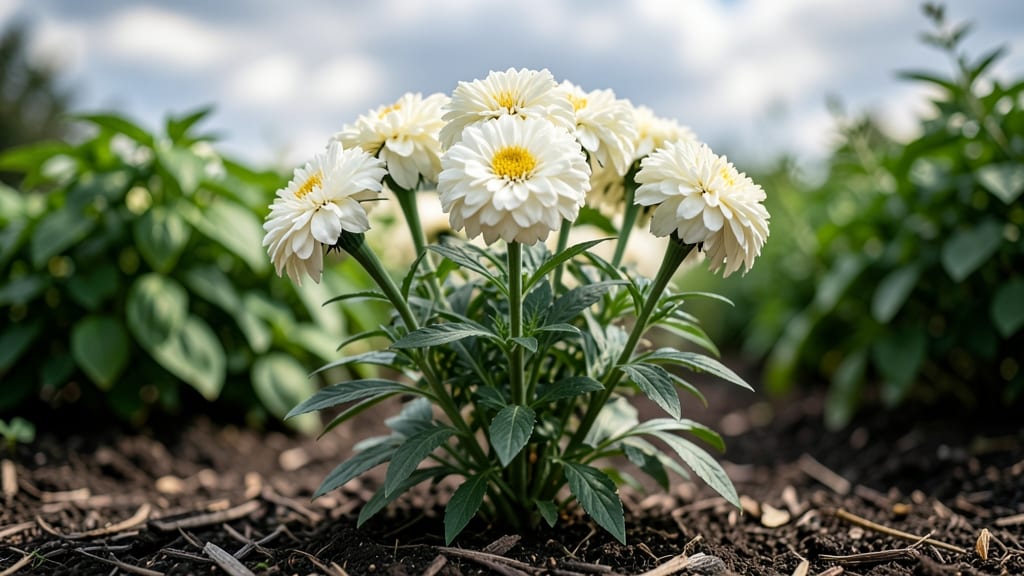
The delicate beauty of the white marigold flower has taught me that growing them in the Pacific Northwest means beating frost with a plant that thrives where others wilt. 🌱 I’ve learned the hard way—last year’s late spring frost nearly wiped out my first batch, but this year’s plants are already pushing through the soil.
The secret lies in timing, soil prep, and a few clever tricks to keep them cozy until the real warmth arrives.
These frost-resistant beauties love well-draining soil mixed with compost, and they’ll reward you with bright white blooms that last from summer through fall. Start seeds indoors 6-8 weeks before your last frost date, or plant transplants after the soil warms to 55°F—that’s when they’ll really take off.
A little mulch around the base helps insulate roots, giving them a fighting chance against late frosts that sneak into our region.
Once established, white marigolds are low-maintenance superstars. Pinch back the tips early to encourage bushier growth, and water at the base to keep foliage dry—this prevents mildew, their biggest enemy.
You’ll end up with 3-4 foot tall plants covered in cheerful white pom-poms that attract pollinators and repel pests like rabbits and deer. The best part? They’re tough enough to handle our Pacific Northwest’s damp springs and cool summers.
For gardeners in zones 7-9, the key is patience and protection. If frost threatens after planting, cover young plants with frost cloth or row covers until temperatures stabilize.
And if you’re growing in containers, move them to a sheltered spot during cold snaps. With these adjustments, you’ll enjoy blooms that outshine even our famously gray skies.
📚 In This Guide
- What you need
- Instructions
- Tips and common mistakes
- Wrapping up and next steps
What you need
- ● White marigold seeds (e.g., Tagetes lucida or Tagetes patula varieties) – 10-20 seeds per plant (or pre-sprouted seedlings if preferred).
- ● Well-draining potting mix – 10-15 lbs (or a blend of 60% peat moss, 30% perlite, and 10% compost).
- ● Containers or garden beds – 5-6 inch pots (for seedlings) or 12+ inch spacing in garden beds (marigolds love room to stretch!).
- ● Organic fertilizer – Balanced 10-10-10 or compost tea (1 tbsp per plant at planting time).
- ● Mulch – Straw or shredded leaves (2-3 inches thick) to protect roots from frost.
- ● Watering can or hose with a gentle nozzle – For consistent moisture (avoid soggy soil!).
- ● Garden gloves – To keep hands clean while handling soil and seeds. 🧤
- ● Seedling heat mat – For indoor starts (if planting early in the PNW’s cool season).
- ● Plant labels – To track varieties (especially if mixing white marigolds with other flowers).
- ● Pruning shears – For deadheading (encourages more blooms!).
- ● Row cover or frost cloth – Extra protection for late spring/early fall plantings.
- ● pH test kit – Ideal soil pH for marigolds: 6.0-7.0.
- ● Last frost date check – Plant after May 15 in most of the PNW (Zone 7-9) to avoid frost damage.
- ● Sunlight access – 6+ hours of full sun daily (partial shade tolerates, but blooms will be fewer).
- ● Drainage test – Ensure containers/beds have holes or sloped soil to prevent root rot.
- ● Neighborhood pollinator prep – Marigolds attract beneficial insects—place them near veggie gardens!
Step-by-step guide for planting frost-resistant white marigolds
Here's how to grow these cheerful blooms thriving in Pacific Northwest's cooler climate.
🌱 Step 1: Choose the Right Location and Timing
White marigolds need full sun—at least 6-8 hours daily—to bloom reliably. In the Pacific Northwest, start seeds indoors 6-8 weeks before your last frost date (typically mid-April for most regions). If planting outdoors, wait until after soil warms to 55°F—usually late May or early June.
I always check soil temperature with a simple thermometer. Cool, wet springs here can delay planting, but once the ground warms, marigolds take off. Choose a spot with well-draining soil—white marigolds hate soggy roots. If your soil is heavy clay, amend with 2-3 inches of compost before planting.
🌿 Step 2: Prepare Soil and Plant Seeds
Loosen the soil to a depth of 12 inches with a garden fork, breaking up any compacted layers. White marigolds grow best in slightly acidic to neutral soil (pH 6.0-7.0). If your soil is too alkaline, mix in peat moss or sulfur to adjust the pH before planting.
Sow seeds ¼ inch deep, spacing them 12-18 inches apart in rows 18-24 inches apart. In cooler Pacific Northwest conditions, I often plant seeds in biodegradable pots first to give them a head start. Water gently after planting—just enough to moisten the soil without disturbing the seeds.
☀️ Step 3: Provide Care for Strong Growth
Keep the soil consistently moist but not waterlogged—white marigolds wilt quickly in drought. In the Pacific Northwest, water deeply 2-3 times per week unless rain provides sufficient moisture. Mulch with 2-3 inches of straw or shredded leaves to retain moisture and suppress weeds. This also helps protect young plants from late frosts.
Once seedlings reach 3-4 inches tall, thin them to 12 inches apart for better airflow and fewer diseases. Watch for first true leaves—these are the second set of leaves after the initial cotyledons. When you see them, it's time to fertilize lightly with a balanced 10-10-10 fertilizer to encourage strong stems and blooms.
✂️ Step 4: Encourage Blooms and Maintain Health
Deadhead spent blooms regularly to encourage continuous flowering throughout the season. Pinch back leggy stems to promote bushier growth—this is especially important in cooler climates where plants grow more slowly. White marigolds are drought-tolerant once established, but they reward consistent care with vibrant, long-lasting blooms.
Watch for powdery mildew in humid Pacific Northwest summers—this is the biggest threat. Improve airflow by spacing plants properly and avoid overhead watering. If mildew appears, treat with neem oil or baking soda spray at the first sign. With proper care, your white marigolds will bloom from mid-summer until frost, adding bright color to gardens and repelling pests naturally.
Tips & tricks for growing thriving white marigolds
These practical tricks will help you grow stunning white marigolds that thrive even in the Pacific Northwest's cooler climate.
Timing is Everything: The 6-8 week indoor start time before your last frost date is crucial for white marigolds in our region. I've found that using a seedling heat mat (around 70°F) during germination speeds things up by about 3-4 days in our cool springs. This gives you a head start before transplanting outdoors after that critical 55°F soil temperature threshold.
Soil Prep Secret: When amending heavy clay soil with 2-3 inches of compost, I recommend mixing in a handful of perlite or coarse sand to improve drainage. White marigolds are particularly sensitive to soggy roots, and this extra step prevents the most common failure point in our wet climate. Test your soil pH before planting—if it's above 7.0, work in sulfur gradually over a few weeks to avoid shocking the roots.
Pacific Northwest Watering Hack: Our region's unpredictable rain patterns make consistent moisture tricky. After planting, I use soaker hoses buried 2 inches deep to deliver water directly to roots—this prevents fungal issues from overhead watering while maintaining that "consistently moist but not waterlogged" balance. In dry spells, I water in the early morning when temperatures are cooler to reduce evaporation.
Frost Protection: For late frosts after transplanting, I've had great success using floating row covers made from lightweight fabric. These provide protection without overheating plants during the day. Remove them when daytime temperatures reach 70°F to allow pollination. This simple step can extend your growing season by 2-3 weeks in our unpredictable climate.
Pro Tips for White Marigold Flower
- These practical tricks will help you grow stunning white marigolds that thrive even in the Pacific Northwest's cooler climate.
- Timing is Everything: The 6-8 week indoor start time before your last frost date is crucial for white marigolds in our region.
- Soil Prep Secret: When amending heavy clay soil with 2-3 inches of compost, I recommend mixing in a handful of perlite or coarse sand to improve drainage.
Frequently asked questions
Got questions about growing white marigolds in the Pacific Northwest? We’ve got answers!
Whether you’re a first-time gardener or a seasoned pro, these FAQs will help you cultivate vibrant blooms with confidence. Let’s dive in!
When is the best time to plant white marigolds in the PNW?
Plant white marigolds after the last frost (typically mid-to-late May in most of the PNW). For a head start, sow seeds indoors 6–8 weeks before the last frost date. If you’re in cooler zones (like Western Washington), consider using row covers to extend the season. Pro tip: Soil should be at least 55°F (13°C) for optimal germination.
Can white marigolds survive frost?
While white marigolds are more frost-tolerant than many flowers, they won’t thrive in hard freezes. Young plants can handle light frost (down to 28°F/-2°C), but prolonged cold or heavy frost will damage or kill them. In the PNW, use mulch or row covers to protect them during unexpected cold snaps. Key takeaway: Plant after frost risk has passed for best results.
How do I keep pests away from my white marigolds?
White marigolds are naturally pest-resistant, but aphids, spider mites, and slugs may still bother them. Preventive tips:
- Plant near strong-scented herbs (like basil or rosemary) to deter pests.
- Handpick slugs or use beer traps for slug control.
- Spray with neem oil if you spot aphids or mites.
Why aren’t my white marigolds blooming?
If your marigolds are growing leaves but no flowers, they may need:
- More sunlight (6+ hours of direct sun daily).
- Deadheading (remove spent blooms to encourage new flowers).
- Balanced fertilizer (low-nitrogen, high-phosphorus like 5-10-5).
- Less water (overwatering can stress plants).
What are some frost-resistant alternatives to white marigolds?
If you love white marigolds but want even hardier PNW options, try:
- Shasta daisies (tolerate light frost, long bloom season).
- Sweet alyssum (survives light frost, great for borders).
- Ice plant (Delosperma) (drought-resistant and cold-hardy).
- Calendula (edible, pest-repellent, and frost-tolerant).
Wrapping up and next steps
The white marigold isn’t just a stunning addition to your Pacific Northwest garden—it’s a hardy, low-maintenance superstar that thrives even in cooler climates! 🌸 With the right soil, sunlight, and frost-resistant planting tips, you’ll enjoy vibrant blooms that attract pollinators and deter pests naturally.
Whether you’re a seasoned gardener or just starting out, this resilient flower makes growing easy and rewarding.
Ready to bring some sunshine to your garden? Grab your seeds, mark your calendar for the ideal planting window, and get ready to watch your white marigolds flourish. Happy gardening! 🌱