
Flowers
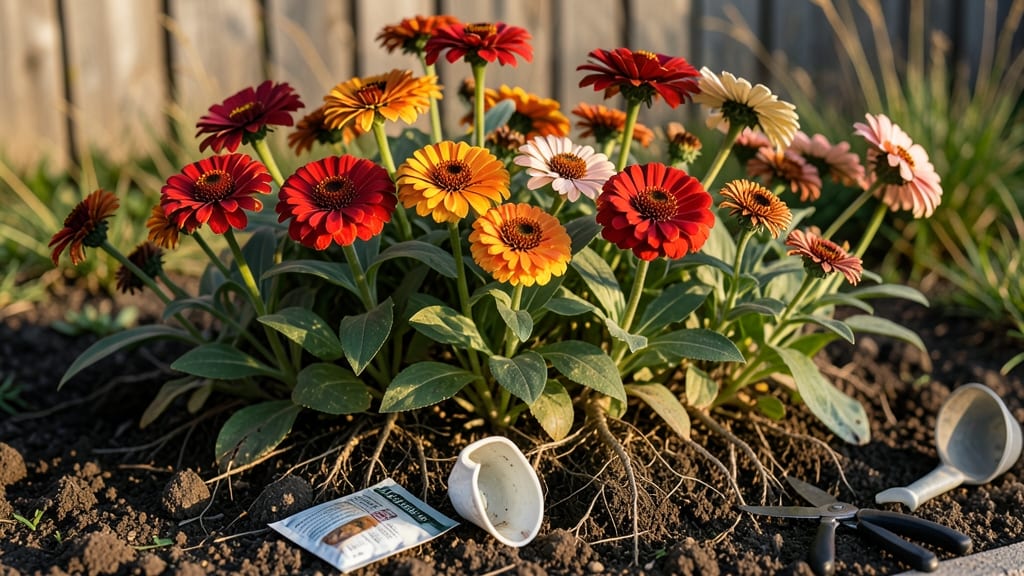
Finding cheap flower seeds that still deliver stunning blooms is easier than you think—and I’ve saved hundreds by learning the right tricks. The key isn’t sacrificing quality; it’s knowing where to look and how to stretch your seed dollars.
I’ve grown everything from sunflowers to snapdragons using seeds that cost less than a cup of coffee, and my garden thrives just as beautifully.
Start with bulk seed packs from online retailers or local garden centers—often just $1 for 50+ seeds—or join seed swaps where gardeners trade heirloom varieties. Store seeds in airtight containers with silica packets to keep them viable for years, and practice simple seed-saving to grow your own supply.
Even a small packet can yield dozens of plants, turning a $2 investment into a season of cut flowers.
You’ll end up with vibrant blooms that attract pollinators and fill your space with color, all while keeping your wallet happy. The best part? These methods work for containers, raised beds, or in-ground gardens—no fancy setup required. Let’s turn those pennies into petals without breaking the bank.
Once you’ve mastered the basics, you can experiment with DIY seed collection from favorite flowers or bulk-ordering rare varieties at a fraction of retail. The savings add up fast, and before you know it, your garden will be the envy of the neighborhood—all on a shoestring budget.
📚 In This Guide
- What you need
- Instructions
- Tips and common mistakes
- Wrapping up and next steps
What you need
- ● Cheap flower seeds: Choose from affordable varieties like marigolds, sunflowers, zinnias, or cosmos (packets typically cost $1–$3). Aim for at least 50 seeds to ensure a full garden display.
- ● Seed-starting soil or potting mix: A 5–10 gallon bag (sterilized, peat-free if possible) for germination. Look for mixes labeled for seedlings or vegetables.
- ● Containers or garden bed: For seedlings: Small pots (3–4 inches deep), egg cartons, or biodegradable seed starter pellets (10–20 units).
- ● For direct sowing: A sunny garden spot with well-draining soil (or a 5-gallon container if space is limited).
- ● Watering can or spray bottle: A 1-gallon capacity with a gentle spray nozzle to avoid disturbing seeds.
- ○ Fertilizer (optional but helpful): For seeds: A balanced liquid fertilizer (e.g., 10-10-10) or fish emulsion (diluted to half-strength).
- ● For soil: A slow-release granular fertilizer (like 10-10-10 or 5-10-10) mixed into the bed at planting time.
- ● Garden trowel or small hand shovel: For digging holes or transplanting seedlings.
- ● Twine or plant labels: 50+ labels (or popsicle sticks) to track seed varieties.
- ○ Gloves (optional): A pair to protect your hands from soil and thorns (e.g., sunflowers).
- ○ Pruners (optional): Small bypass pruners for trimming dead blooms and encouraging new growth.
- ● Sunlight: Most flowers need 6+ hours of direct sunlight daily. Check your seed packet for specific light requirements.
- ● Water access: A hose or water source near your planting area for consistent moisture.
- ● Patience: Germination times vary (some seeds sprout in 5–7 days; others take weeks!).
Step-by-Step guide to growing affordable annual flowers from seed
Here’s how to transform pennies into petals using the hardiest, most budget-conscious annuals.
🌱 Step 1: Choose the Right Seeds for Your Climate and Light
Start with heat-tolerant, fast-growing annuals like cosmos, zinnias, or marigolds—they’re cheap, prolific, and thrive in full sun. Check your USDA hardiness zone to avoid frost-sensitive picks like impatiens or petunias if you’re in cooler regions. I always buy untreated, non-hybrid seeds from bulk suppliers to save money; they’re just as vigorous as name-brand varieties.
Look for small packets (even 100 seeds cost under $2) and long viability—cosmos seeds stay good for 3-4 years, while zinnias last 2-3. Store leftover seeds in a cool, dry place (like a sealed jar in the fridge) to extend their life. Avoid seeds labeled “pre-treated” or “hybrid”—they’re pricier for no real advantage in home gardens.
💧 Step 2: Start Seeds Indoors or Direct-Sow for Maximum Savings
For early blooms, start seeds indoors 6-8 weeks before your last frost date using recycled containers (yogurt cups, egg cartons) filled with sterile seed-starting mix. Press seeds ¼ inch deep—deeper planting delays germination. Keep the soil consistently moist (not soggy) by misting daily or covering with plastic wrap until sprouts appear. I use a seedling heat mat ($15) to speed up germination, especially for slower starters like snapdragons.
If you’re short on time or space, direct-sow after soil warms to 60°F—cosmos and zinnias germinate fast and handle transplant shock better than delicate seedlings. Scatter seeds ½ inch apart in rows 12-18 inches apart (check the packet). Lightly rake soil over them to avoid washing away during watering. Water gently but thoroughly—no drips on leaves to prevent fungal diseases.
☀️ Step 3: Thin and Transplant for Strong, Disease-Free Blooms
Once seedlings develop true leaves (not just the first cotyledons), thin them to 6-12 inches apart, depending on the variety. Use scissors to snip unwanted seedlings at soil level—pulling risks disturbing roots. The strongest, most upright seedling in each spot should win. I always save the thinnings for compost or microgreens if I’m feeling thrifty.
Hardening off seedlings 7-10 days before transplanting prevents shock. Place them outside in partial shade for 2-3 hours daily, gradually increasing time. Watch for wilting or yellowing—these are signs they’re not ready. Transplant on a cloudy day or late afternoon to reduce stress. Bury seedlings deeper than they grew indoors (up to the first true leaves) to encourage root growth.
✂️ Step 4: Maintain with Minimal Effort for Long-Lasting Color
Water deeply once a week (or more in extreme heat) to encourage deep root systems. Most annuals hate soggy feet, so improve drainage by mixing sand or perlite into the soil if your garden retains moisture. I mulch with straw ($5 for a bale) to suppress weeds and keep soil cool—this saves time and water.
Deadhead spent blooms regularly to prolong flowering. Pinch back leggy stems to promote bushier growth. For continuous blooms, fertilize lightly every 4-6 weeks with a balanced 10-10-10 or compost tea—over-fertilizing leads to lush foliage but fewer flowers. Watch for powdery mildew (white dust on leaves) and treat with baking soda spray (1 tsp per quart of water) if needed.
🌿 Step 5: Harvest Seeds for Next Year’s Free Flowers
Let a few blooms go to seed at the end of the season. Cosmos and zinnias produce hundreds of seeds per plant—collect them by tying brown paper bags over seed heads or shaking dried flowers over a tray. Store seeds in envelopes labeled with the variety and date. I’ve grown second-generation cosmos from saved seeds with no loss in vigor.
At season’s end, cut back dead foliage but leave stems for winter interest or compost. Many annuals self-sow, so you’ll get free seedlings next spring with minimal effort. This is where the real savings kick in—no more buying seeds if you save them properly!
Tips & tricks for growing affordable annual flowers
A few strategic moves can turn your cheap seed purchases into a lush, thriving garden without breaking the bank.
Seed Selection Strategy: When choosing seeds, prioritize varieties with long viability like cosmos (3-4 years) and zinnias (2-3 years). These will pay dividends over multiple seasons. I’ve found that bulk suppliers often offer untreated, non-hybrid seeds at a fraction of the cost of name-brand packets—test them yourself to prove their quality. Store any extras in airtight envelopes with a moisture absorber packet in your fridge for maximum longevity.
Germination Hack for Slow Starters: For seeds that need extra warmth like snapdragons, place your seed trays on a seedling heat mat ($15) or even a sunny windowsill during the day. The key is maintaining consistent soil moisture—I use a spray bottle to mist lightly every morning rather than soaking, which prevents fungal issues. Cover the tray with plastic wrap until you see sprouts, then remove it to avoid damping-off disease.
Transplanting Technique: When hardening off seedlings in Step 3, I’ve found that gradually increasing exposure time by just 30 minutes per day reduces shock better than the standard 2-3 hour increments. Watch for wilting or yellowing—these are your cues to slow down. For transplanting, bury seedlings deeper than their original depth (up to the first true leaves) to encourage stronger root growth. This simple adjustment can mean the difference between floppy, struggling plants and robust bloomers.
Maintenance Shortcuts: To maximize your watering efficiency in Step 4, install a drip irrigation system ($20 for basic kits) that delivers water deeply at the base of plants. This prevents fungal diseases from leaf wetting and encourages deep root systems. For weed suppression, spread cardboard pieces (free from grocery stores) under plants before adding mulch—this blocks light and saves you hours of weeding.
Pro Tips for Cheap Flower Seeds
- A few strategic moves can turn your cheap seed purchases into a lush, thriving garden without breaking the bank.
- Seed Selection Strategy: When choosing seeds, prioritize varieties with long viability like cosmos (3-4 years) and zinnias (2-3 years).
- Germination Hack for Slow Starters: For seeds that need extra warmth like snapdragons, place your seed trays on a seedling heat mat ($15) or even a sunny windowsill during the day.
Frequently asked questions
Got questions about growing beautiful blooms without breaking the bank?
Here are answers to the most common queries about cheap flower seeds—so you can garden with confidence!
What are the best cheap flower seeds for beginners?
Start with easy-to-grow, low-cost seeds like marigolds, sunflowers, or zinnia. These thrive in most climates, require minimal care, and often come in bulk packs for under $2. Look for heirloom or open-pollinated varieties—they’re just as affordable and reliable!
When is the best time to plant cheap flower seeds?
Timing depends on your climate! For most flowers, sow seeds after the last frost (spring) or 6-8 weeks before the first fall frost. Check seed packets for specific guidelines—some, like cosmos, tolerate light frosts, while others (e.g., petunias) need warm soil. Pro tip: Use a seed starting kit indoors if your growing season is short!
Where can I buy cheap flower seeds without sacrificing quality?
Skip big-box stores—opt for online seed banks (like Baker Creek or Burpee), local garden swaps, or discounted seed sales at nurseries. Facebook Marketplace and r/seedswap are goldmines for free or ultra-cheap seeds too!
What do I do if my cheap flower seeds won’t germinate?
First, check moisture and temperature—most seeds need consistent warmth (70–85°F) and damp (not soggy) soil. If they’re still stubborn, try scarifying (lightly nicking the seed coat) or soaking in warm water overnight. If the packet is old (<2 years), germination rates drop—always test a few seeds first!
Can I save seeds from cheap flowers to replant next year?
Many annuals (like basil or nasturtium) and perennials (e.g., black-eyed Susans) self-seed easily. Let some flowers go to seed, collect the dried pods, and store them in a cool, dry place. Pro tip: Label seeds by variety to avoid surprises—your future garden (and wallet) will thank you!
Wrapping up and next steps
Growing beautiful blooms on a budget is easier than you think! With cheap flower seeds, you can transform any garden—no matter its size—into a vibrant, low-maintenance paradise. Whether you’re a beginner or a seasoned gardener, these affordable options prove that stunning flowers don’t require a big wallet.
Ready to get started? Pick your favorite seeds, grab your gloves, and dig in! 🌱✨ Your future garden awaits—just a few weeks (and a little sunshine) away.