Flowers
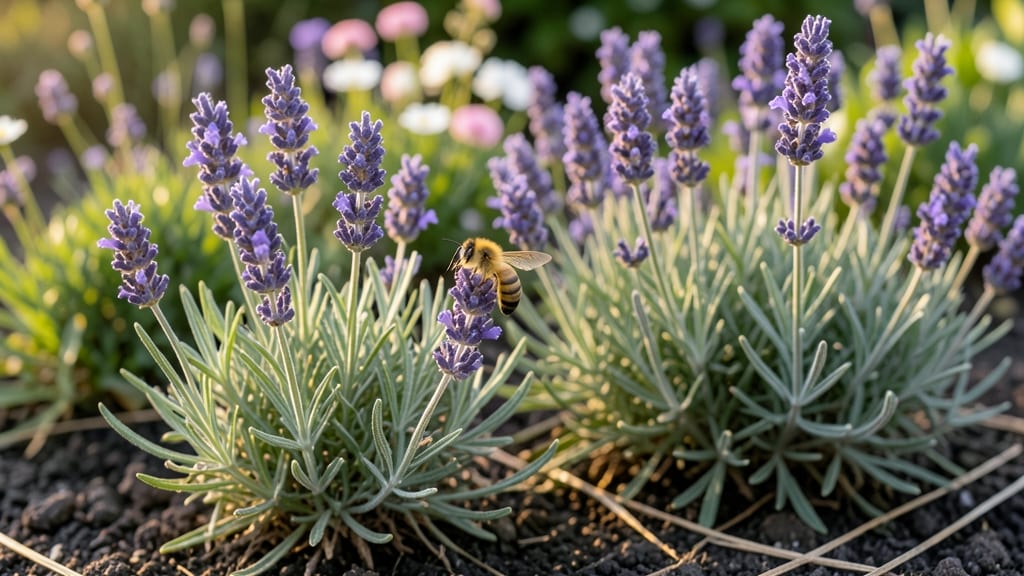
Creating a bees' friend flower garden transforms your yard into a buzzing hub of life. 🌸 I learned the hard way that bees need more than just random flowers—they thrive when you cluster plants with rich nectar, vibrant colors, and continuous blooms.
My first attempt with scattered annuals failed until I grouped native perennials together, creating a feast that kept pollinators visiting for months.
The secret lies in three simple principles: plant in clusters (not single stems), choose flowers that bloom at different times, and avoid pesticides entirely. Fast-growing annuals like cosmos and zinnias pair perfectly with perennials such as lavender and coneflowers, ensuring food for bees from spring through fall.
Even small urban containers can become pollinator hotspots with the right mix.
What you’ll end up with is a garden that hums with activity—bees darting between blooms, butterflies flitting overhead, and plants that thrive because they’re being pollinated properly. The air fills with the sweet scent of nectar, and your yard becomes a sanctuary for wildlife.
This isn’t just gardening; it’s creating an ecosystem that supports life.
Whether you have a cottage garden, a city balcony, or a sunny windowsill, these principles adapt easily. Start small with just a few plants, then expand as you see the difference they make. The best part? Your flowers will be healthier, too, because bees do the work for you.
📚 In This Guide
- What you need
- Instructions
- Tips and common mistakes
- Wrapping up and next steps
What you need
- ● Bee-friendly flower seeds or seedlings: 5–10 Echinacea (Coneflower) seeds/seedlings (perennial, drought-tolerant)
- ● 5–10 Lavender plants (hardy, fragrant, and long-blooming)
- ● 3–5 Black-eyed Susan (Rudbeckia) seeds/seedlings (bright, pollinator magnet)
- ● 3–5 Milkweed (Asclepias) seeds/seedlings (critical for monarchs!)
- ● 2–3 Sunflower (Helianthus) seeds (annual, fast-growing, and bee-loved)
- ● Potting soil or garden soil: 1–2 bags (well-draining, organic mix preferred)
- ● Compost or fertilizer: 1 bag (slow-release, low-phosphorus for pollinators)
- ● Watering can or hose with gentle spray nozzle
- ○ Gloves (optional but recommended) for handling soil or prickly plants
- ● Hand trowel or small shovel (for transplanting seedlings)
- ● Pruners or scissors (for trimming dead blooms or shaping plants)
- ● Mulch (straw or shredded leaves) (1–2 bags, to retain moisture and deter weeds)
- ○ Pebbles or decorative stones (optional) for garden borders or drainage
- ○ Pollinator-friendly pesticide (optional)—skip chemical sprays!
- ● A sunny spot! 6+ hours of direct sunlight daily (most pollinator plants thrive here).
- ● Access to water (a nearby hose or watering can works).
- ● Patience! Some perennials take 6–12 months to fully establish.
Step-by-Step guide to designing a bee-friendly flower garden
Here's how to create a thriving, buzzing haven that supports pollinators all season long.
🌱 Step 1: Choose the Right Plant Palette
Focus on native perennials and annuals that provide continuous blooms from early spring through fall. Include at least 3-5 different flower types to ensure nectar and pollen sources are always available. Bees favor flat or tubular blooms—think coneflowers, black-eyed Susans, and milkweed for their accessible nectar stores.
Here's the thing—avoid double-flowered varieties. Those fancy petals often mean fewer reproductive parts, leaving bees with less to forage. Stick to single-bloom cultivars like bee balm, lavender, and goldenrod for maximum pollinator appeal. Group plants in clusters of 3-5 per variety to create visual landing zones that attract bees efficiently.
💧 Step 2: Plant in Sunlit Locations with Proper Spacing
Most pollinator-friendly flowers need full sun (6+ hours daily) to produce abundant blooms. Dig holes twice as wide as the root ball but only as deep—planting too deep can suffocate roots. Space perennials 18-24 inches apart and annuals 12-18 inches apart to allow airflow and prevent disease.
Don't crowd plants, even if they look small. Bees need easy access to flowers, and overcrowding forces them to work harder to reach nectar. I always arrange plants in odd-numbered groups (3, 5, or 7) to create natural focal points that bees instinctively recognize as food sources.
☀️ Step 3: Provide Water and Shelter
Add a shallow dish filled with pebbles and water so bees can drink without drowning. Place it near—but not directly in—the planting area. Bees prefer flat surfaces to land on while feeding, so avoid deep containers. A small patch of bare soil or a flat rock nearby gives them a place to rest and groom.
Leave some leaf litter and dead stems standing through winter. Many native bees nest in bare ground or hollow stems, and these overwintering habitats are critical for their survival. Real talk: If you're tempted to clean up every twig, hold off until late spring—you'll be helping more pollinators than you realize.
✂️ Step 4: Maintain with Bee-Friendly Practices
Deadhead spent blooms only after seeds form to provide late-season food for bees and birds. For perennials, cut back in early spring rather than fall—this prevents the spread of fungal diseases and gives early-season bees a clean slate. Avoid pesticides entirely; even "organic" sprays can harm pollinators.
Mulch lightly with 2-3 inches of organic mulch (like wood chips) to retain moisture and regulate soil temperature. This keeps roots cool in summer and insulated in winter, which translates to healthier plants that produce more blooms. Watch for signs of stress—wilting or yellowing leaves mean it's time to check water levels.
🪴 Step 5: Expand Year-Round with Seasonal Additions
In early spring, plant crocus or early-blooming violets to kickstart the season. By mid-summer, add heat-tolerant varieties like zinnia or sunflower to keep the feast going. Fall brings opportunities for asters and goldenrod, which provide critical late-season nectar before winter sets in.
Here's the moment that matters: Include a few herbs like thyme or oregano—their dense foliage and small flowers are perfect for solitary bees. These plants also deter some pests naturally, reducing the need for interventions that could harm pollinators. Your garden will buzz with activity, and you'll see bees working their magic from dawn till dusk.
Tips & tricks for perfect pollinator gardens
Creating a thriving bee-friendly garden isn't just about planting flowers—it's about designing an ecosystem that works for pollinators.
Plant Diversity is Non-Negotiable: In Step 1, when selecting your 3-5 flower types, prioritize plants that bloom at different times. Early spring's crocus and violets should transition seamlessly to summer's zinnia and sunflower, then to fall's asters and goldenrod. This ensures bees have continuous food sources throughout all seasons. I learned this the hard way after planting a beautiful but monotonous garden that left bees with nothing to forage in late summer.
Sunlight Strategy Matters: For Step 2, remember that "full sun" means 6+ hours of direct sunlight—this is critical for flower production. If your garden only gets partial sun, choose shade-tolerant varieties like bee balm or astilbe, but position them where they'll receive the most sunlight possible. I always check sunlight patterns for at least 24 hours before planting to avoid disappointed bees later.
Water Access Design: When setting up your water source in Step 3, place the shallow dish with pebbles where bees can easily spot it from their flight paths. The pebbles provide safe landing spots while preventing bees from drowning. I add a flat rock nearby specifically for this purpose—bees appreciate having multiple safe options for hydration.
Seasonal Layering Technique: In Step 5, think vertically when adding seasonal plants. Tall sunflowers can provide shade for shorter varieties, while creeping thyme can fill gaps at ground level. This creates a multi-level foraging experience that attracts different bee species. The key is to arrange plants so that each new seasonal addition builds on the existing structure rather than competing for space.
Pro Tips for Bees Friend Flower
- Creating a thriving bee-friendly garden isn't just about planting flowers—it's about designing an ecosystem that works for pollinators.
- Plant Diversity is Non-Negotiable: In Step 1, when selecting your 3-5 flower types, prioritize plants that bloom at different times.
- Sunlight Strategy Matters: For Step 2, remember that "full sun" means 6+ hours of direct sunlight—this is critical for flower production.
Frequently asked questions
What flowers are best for attracting bees?
Bees love bee balm, lavender, coneflowers, sunflowers, and native wildflowers like milkweed and goldenrod. Avoid double-petaled flowers (they block nectar!) and opt for single-bloom varieties with easy access to pollen. Plant a mix of colors (purple, blue, yellow) for a full-season feast!
When is the best time to plant these flowers?
For most regions, spring (after the last frost) or early fall is ideal. Annuals (like sunflowers) can be sown directly in soil when temps hit 50°F+, while perennials (like lavender) thrive when planted in cool, damp soil. Check your local frost dates—bees will thank you!
How do I keep bees’ friend flowers blooming all season?
Consistent watering (1 inch/week) and monthly deadheading (snipping spent blooms) encourage reblooming. Use organic mulch (like straw) to retain moisture and deter weeds. Fertilize lightly (use compost or a low-nitrogen blend) to avoid overfeeding—bees prefer nutrient-rich but not overabundant blooms!
Can I grow these flowers in containers or small spaces?
Dwarf varieties
(like mini sunflowers or compact lavender) thrive in pots. Use well-draining soil and containers at least 12 inches deep. Place them near windows or balconies where bees can easily find them. Herbs like thyme or oregano also double as bee magnets!
Why aren’t bees visiting my flowers?
Check for these fixes:
- Timing: Bees are most active in morning sun (9 AM–11 AM).
- Pesticides: Avoid neonicotinoids—opt for organic sprays or neem oil instead.
- Water access: Add a shallow dish of water with pebbles (so bees don’t drown).
- Diversity: Plant clusters (not single plants) to create a "bee buffet."
Wrapping up and next steps
Growing a bees' friend flower garden isn’t just about beauty—it’s about nurturing life, one bloom at a time! 🌸 By choosing the right pollinator-friendly plants and providing them with love and care, you’re creating a thriving ecosystem that benefits bees, butterflies, and even your own backyard.
Whether you’re a seasoned gardener or just starting out, every small step makes a difference.
Ready to take action? Start small: Pick one or two of these easy-to-grow flowers and plant them this weekend. Watch as your garden becomes a buzzing hub of activity—because every bee supported is a step toward a healthier planet! 🐝✨