
Flowers
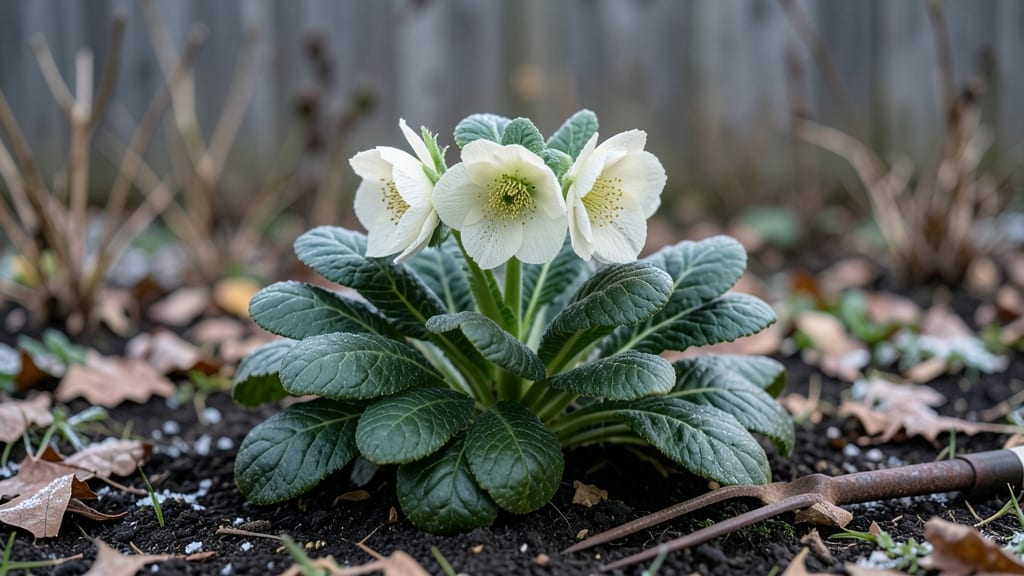
Big flower with lots of petals transform a garden from pretty to show-stopping. 🌸 I remember the first time I planted a peony border—neighbors stopped to take photos, and my yard became the talk of the block.
These blooms don’t just fill space; they create vertical drama that draws in pollinators while making your garden the envy of the street.
The secret lies in pairing the right plants—think dahlias with their layered petals, hydrangeas with their lush clusters, or roses trained up trellises.
Start with 3-5 plants of one variety for a bold statement, then layer in complementary colors like burgundy dahlias with silver foliage or soft pink peonies against dark green shrubs. Most bloom from late spring through summer, giving you months of impact.
You’ll end up with a garden that feels like a living painting—deep colors popping against foliage, bees buzzing between petals, and stems sturdy enough to support vertical arrangements. The key is spacing plants 2-3 feet apart so they don’t compete, and pruning spent blooms to encourage more flowers.
Even in small spaces, a single dramatic plant on a trellis can become your garden’s star.
Works for cottage-style gardens, modern borders, or pollinator-friendly landscapes. The best part? These flowers thrive with basic care—just water, occasional deadheading, and a little winter protection. Let’s make your garden unforgettable.
📚 In This Guide
- What you need
- Instructions
- Tips and common mistakes
- Wrapping up and next steps
What you need
- ● Flowering plants with large blooms: 1–3 Coneflower (Echinacea purpurea) – 2–3 ft tall, 4–5 in petal spread
- ● 1–2 Black-Eyed Susan (Rudbeckia hirta) – 2–3 ft tall, 3–4 in petal spread
- ● 1 Sunflower (Helianthus annuus) – Giant varieties (e.g., 'Moulin Rouge'), 5–6 ft tall, 10+ in petal spread
- ● 1 Dahlia (Dahlia 'Café au Lait') – 5–6 ft tall, 6–8 in petal spread (perennial in zones 8–11)
- ● Support structures: 1–2 Floral trellises or obelisks (6–8 ft tall, metal or bamboo)
- ● OR Tall garden stakes (5–6 ft) + soft plant ties
- ● Soil amendments: 1 5-gallon bucket of compost (well-aged, organic)
- ● 1 10-lb bag of slow-release fertilizer (10-10-10)
- ○ Watering tools: 1 Drip irrigation kit (optional but highly recommended for vertical gardens)
- ● OR 1 watering can with a long spout
- ● Color coordination: 1–2 annuals for filler (e.g., Cleome hassleriana or Cosmos bipinnatus)
- ● 1 small shrub (e.g., Butterfly Bush) for layered texture
- ● Pollinator magnets: 1 bee hotel or butterfly feeder
- ● 1 small birdbath (for added garden charm)
- ● Design touches: 1 garden marker set (to label plants)
- ● 1 mulch (straw or shredded bark) to retain moisture
How to create a stunning vertical pollinator garden with bold blooms
Here’s how to turn any space into a buzzing, petal-packed paradise—no green thumb required.
🪴 Step 1: Choose Your Vertical Structure
Start with a sturdy frame like a trellis, obelisk, or even stacked containers. I like using a 6-foot-tall metal obelisk for its durability and clean lines—it holds up to climbing plants and attracts pollinators from a distance. If you’re working with containers, stack 4-5 gallon pots with drainage holes, spacing them 3-4 inches apart for airflow and stability.
For a natural look, weave branches into a teepee shape and secure them with twine. The key is ensuring your structure can support 3-5 pounds of plant weight once blooms fill out. Test it by gently shaking—if it wobbles, add stakes or a heavier base.
☀️ Step 2: Select Pollinator-Friendly Plants with Big Blooms
Pick 4-5 varieties that thrive in your climate, focusing on sun-loving perennials like coneflowers, black-eyed Susans, or monarda (bee balm) for their 3-5 inch-wide petals. Annuals like cleome (spider flower) or zinnia add instant drama with their 4-6 inch blooms and long stems.
I pair one tall climber (like morning glories or sweet peas) with 3-4 mid-height plants (like lavender or salvia) for layered interest. Space plants 12-18 inches apart—crowding leads to weak stems and fewer flowers. Group plants with similar water needs together to simplify care.
💧 Step 3: Plant and Water for Strong Roots
Dig holes twice as wide as the root ball but only as deep as the container’s base. Gently loosen roots if they’re circling—this encourages outward growth. Place each plant in its hole, backfill with soil, and water deeply until moisture reaches 6 inches down. You’ll know it’s right when the soil looks slightly damp but not soggy at the surface.
Mulch with 2-3 inches of shredded bark or straw to retain moisture and deter weeds. Avoid piling mulch against stems—keep it 2 inches away to prevent rot. Water every 2-3 days for the first 2 weeks, then adjust based on rainfall. Drip irrigation works best for vertical gardens to avoid leaf spots from overhead watering.
✂️ Step 4: Train Vines and Prune for Fullness
For climbing plants, gently tie stems to the structure with soft twine or plant clips every 6-8 inches as they grow. This prevents breakage when blooms weigh them down. I like to weave vines in a spiral up the obelisk for a lush, cascading effect—just avoid wrapping twine too tightly, which can girdle stems.
Deadhead spent blooms weekly to encourage more flowers. Pinch back leggy stems by one-third to promote bushier growth. Watch for yellowing leaves—this usually means overwatering or poor drainage. Adjust your watering schedule if the soil stays wet for more than 48 hours.
🌿 Step 5: Maintain and Enjoy the Pollinator Party
Fertilize once in early spring with a balanced, slow-release fertilizer (10-10-10) to support blooms. Avoid high-nitrogen feeds—they produce leafy growth at the expense of flowers. I also add a handful of bone meal at planting time for extra phosphorus, which boosts bloom production.
Sit back and watch as butterflies, bees, and hummingbirds flock to your vertical garden. The best part? These plants self-seed, so you’ll get free blooms next year with minimal effort. Just remember: less is more—overcrowding reduces airflow and invites pests. A well-spaced, thriving vertical garden is its own reward.
Tips & tricks for perfect vertical pollinator gardens
Real talk: the difference between a vertical garden that looks like a Pinterest dream and one that fizzles out comes down to these small but mighty details.
Structure Stability: I can't stress this enough—your 6-foot obelisk or stacked containers need to be anchored like a ship in a storm. For DIY teepees, bury the base branches 6-8 inches deep in the soil and secure with garden staples. I learned this the hard way after watching a windstorm topple my first attempt. Test weight-bearing capacity by hanging a 5-pound bag of soil from the top before planting—if it wobbles, reinforce it.
Plant Placement Pro Tip: When arranging your 4-5 varieties, place the tallest climber (like morning glories) at the center of your structure. This creates a natural focal point where blooms will cascade downward. For containers, position the largest pots at the bottom and taper upward—this prevents top-heavy tipping. The 12-18 inch spacing between plants isn't just about looks; it's about airflow that keeps diseases at bay.
Watering Wisdom: That 6-inch deep watering in Step 3? Use a trowel to check moisture at that depth—surface watering only wets the top inch. For containers, I've found that drip irrigation on a timer for 10-15 minutes twice daily (instead of the initial 2-3 day schedule) prevents the soil from drying out between waterings. The key is keeping the root zone consistently moist without creating soggy conditions.
Pruning Payoff: When you deadhead those spent blooms weekly, don't just snip—look for the first set of leaves below the flower and cut just above that node. This encourages new growth from that spot. For leggy stems, pinch back by one-third at the 6-8 inch intervals where you're tying them to the structure. I've seen plants double their bloom production just by following this simple technique.
Pro Tips for Big Flower With Lots Of Petals
- Real talk: the difference between a vertical garden that looks like a Pinterest dream and one that fizzles out comes down to these small but mighty details.
- Structure Stability: I can't stress this enough—your 6-foot obelisk or stacked containers need to be anchored like a ship in a storm.
- Plant Placement Pro Tip: When arranging your 4-5 varieties, place the tallest climber (like morning glories) at the center of your structure.
Frequently asked questions
Got questions about creating a stunning vertical garden with big, petal-packed blooms? You’re not alone! Here are some of the most common queries—and their answers—to help you design a pollinator paradise that turns heads (and attracts bees, butterflies, and hummingbirds!).
What are the best big-flowered plants for a vertical pollinator garden?
Opt for thunbergia alata (black-eyed Susan vine), clematis, or passionflowers for bold petals. Climbing roses like ‘Knock Out’ or campsis radicans (trumpet creeper) also deliver drama. Choose native species when possible—they’re low-maintenance and pollinator magnets!
How long does it take for these flowers to bloom after planting?
Most vining plants take 6–12 weeks to establish roots, but blooms can appear as early as 8–10 weeks with proper care. Fast growers like morning glories may flower in 4–6 weeks, while clematis or roses can take 1–2 seasons for full impact. Patience pays off!
Do vertical flowers need extra watering?
Yes! Vertical gardens dry out faster due to wind exposure. Water deeply 2–3 times weekly (or daily in heatwaves) and use self-watering systems or drip irrigation for consistency. Mulch the base to retain moisture—just avoid piling it against stems to prevent rot.
Can I mix annuals and perennials in the same vertical planter?
Pair annuals (like nasturtiums or sweet peas) for instant color with perennials (e.g., honeysuckle or climbing hydrangea) for long-term structure. Just ensure perennials get enough space to spread. Pro tip: Plant annuals in front to hide leggy stems as they grow!
What if my vertical flowers aren’t attracting pollinators?
Check for these fixes:
- Add diversity: Include nectar-rich flowers (e.g., bee balm, coneflowers) and host plants (like milkweed for monarchs).
- Skip pesticides: Even “organic” sprays can harm pollinators. Opt for neem oil or hand-picking pests instead.
- Water in the morning: Wet flowers confuse bees—dry petals signal “safe landing.”
- Provide water sources: A shallow dish with pebbles (for perching) or a bee waterer helps.
How do I overwinter vertical flowers in cold climates?
For perennials:
- Cut back dead foliage in late fall but leave seed heads for winter interest.
- Wrap supports in burlap and add mulch around the base (6–8 inches deep).
- Protect tender plants with frost cloth or move potted vines to a sheltered spot.
Wrapping up and next steps
Creating a stunning big flower with lots of petals as a vertical focal point is a rewarding way to boost your pollinator garden’s beauty and biodiversity! 🌸 With the right plants—like Cleome, Dahlia, or Sunflower—and a few creative supports, you’ll transform your space into a thriving haven for bees, butterflies, and hummingbirds.
Remember, the key is height, texture, and color contrast to make your garden pop.
Now that you’re inspired, why not start small? Pick one dramatic bloomer, gather your supplies, and plant it near a seating area or pathway for maximum impact. Watch as your garden becomes a buzzing, blooming masterpiece—one petal at a time! 🌿✨