
Shrubs
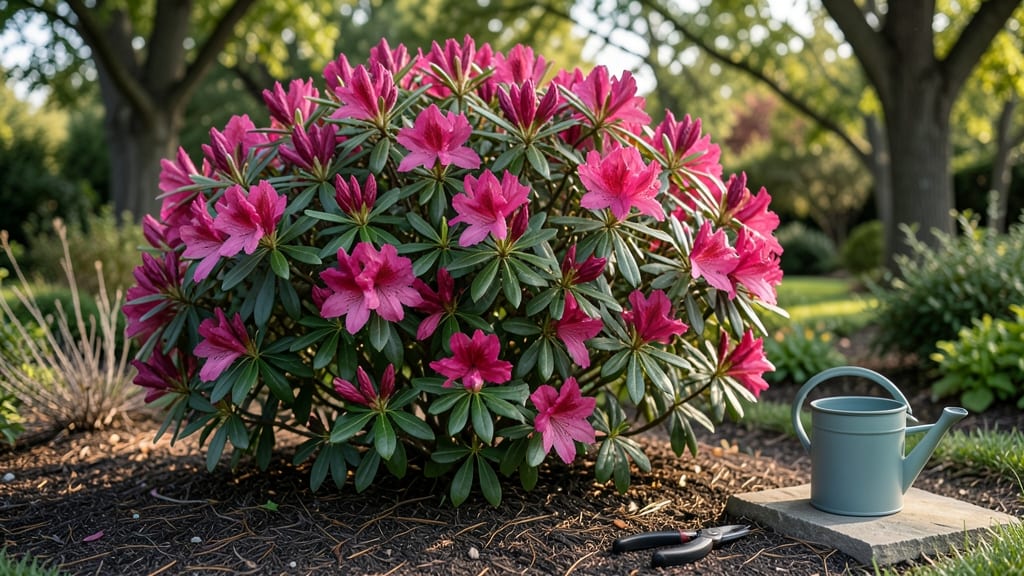
Growing azalea flowering shrubs in the Pacific Northwest isn't just possible—it's a showstopper that turns your garden into a jewel-toned masterpiece every spring. 🌸 I’ve watched my own azaleas bounce back from winter frost to burst into color, proving they’re tougher than their delicate blooms suggest.
The secret lies in mimicking their natural habitat: acidic soil, dappled shade, and consistent moisture without soggy roots.
You’ll need deciduous or evergreen varieties suited for zones 6-8, a well-draining soil mix (think peat moss or pine bark), and a morning sun/afternoon shade spot—no harsh afternoon rays. Watering’s the real game-changer: keep the soil evenly moist but never waterlogged, especially during those first critical weeks after planting.
Most beginners overwater, so aim for 1-2 inches of water per week and let the top inch of soil dry slightly between waterings.
By late summer, you’ll be pruning spent blooms to encourage next year’s flowers, and your shrubs will reward you with 3-4 weeks of vibrant blooms that hummingbirds can’t resist.
The key? Prune right after flowering and feed with acid-loving fertilizer in early spring. Evergreen azaleas stay lush year-round, while deciduous types offer seasonal interest with their foliage.
This works for both new gardeners and seasoned growers—just adjust the shade and watering to your microclimate. Whether you’re planting a single specimen or a full border, these shrubs deliver low-maintenance drama that outshines most annuals. Let’s get those roots settled!
📚 In This Guide
- What you need
- Instructions
- Tips and common mistakes
- Wrapping up and next steps
What you need
- ● Azalea plants: Choose Rhododendron varieties suited for PNW climates (e.g., Rhododendron 'Catawbiense, Rhododendron 'Girard’s Rose). Opt for: 1–3 nursery-grown azaleas (1–2 gallons in size for best establishment)
- ● OR 50–100 seeds (if propagating from scratch—patience required!)
- ● Well-draining acidic soil: Aim for a pH of 4.5–6.0. Mix 2 parts peat moss or pine bark with 1 part perlite/sand for containers. For in-ground planting, amend native soil with 3–4 inches of composted pine needles or sulfur.
- ● Organic mulch: 3–4 inches of pine straw, cedar chips, or leaf mold to retain moisture and acidify soil.
- ● Slow-release fertilizer: A balanced 10-10-10 or acidic rhododendron-specific fertilizer (e.g., Miracle-Gro Azalea, Camellia & Rhododendron Food). Apply 2–3 times per year (spring, summer, fall).
- ● Gardening tools: Trowel or hand shovel
- ● Pruning shears (sterilized with rubbing alcohol)
- ● Garden fork (for aerating soil)
- ● pH testing kit (digital or liquid test strips)
- ○ Containers (optional): 14–18-inch pots with drainage holes (for young plants or urban gardens). Use fabric grow bags to prevent root circling.
- ● Watering can or hose with a gentle spray nozzle (azaleas hate soggy roots!)
- ○ Shade cloth (optional): 30–50% shade cloth for seedlings or hot afternoons.
- ● Location: Partial shade (4–6 hours of sun/day) in PNW’s cooler microclimates; morning sun only in hotter areas.
- ● Water source: Consistent moisture (but no waterlogging!). Aim for 1–1.5 inches/week (adjust for rain).
- ● Patience: Container-grown azaleas may take 2–3 years to flower; seeds can take 3–5 years!
- ● Frost tolerance: Choose hardy varieties rated for USDA Zones 6–8 (e.g., 'Bow Bells', 'Hershey's Red').
Step-by-step instructions for planting and caring for Pacific Northwest azaleas
Azaleas thrive in the PNW's mild climate—here's how to plant and nurture them for vibrant blooms.
🪴 Step 1: Choose the Perfect Planting Location
Azaleas need partial shade—at least 4-6 hours of morning sun paired with afternoon shade to prevent leaf scorch. In the Pacific Northwest, east-facing spots work well, where morning sun warms the soil but afternoon clouds shield from intense afternoon rays. Avoid full sun locations, even if they seem ideal—azaleas here will develop brown, crispy edges on leaves.
Test your spot by observing how sunlight moves across it throughout the day. If the area stays moist but well-drained, it’s likely suitable. Azaleas despise soggy roots, so if your yard floods after heavy rain, amend the soil with 2-3 inches of organic matter (like composted leaves) to improve drainage. I always dig a hole twice as wide as the root ball but only as deep—planting too deep suffocates the roots and prevents proper establishment.
🌱 Step 2: Plant with Acid-Loving Soil and Proper Spacing
Dig a hole 2-3 times wider than the azalea’s root ball but no deeper—this prevents root damage and encourages outward growth. Gently loosen the roots if they’re circling tightly in the pot. Pacific Northwest soil is naturally acidic, but if your soil test shows a pH above 5.5, mix 2-3 cups of peat moss or sulfur into the backfill soil to lower the pH. Azaleas won’t thrive without this acidity.
Place the azalea in the hole so the top of the root ball sits 1 inch above ground level. This prevents water from pooling around the stem, which causes rot. Backfill with the amended soil, pressing firmly to remove air pockets but avoiding compaction. Space 4-6 feet apart—closer plantings lead to crowded, leggy shrubs with fewer blooms. Water deeply right after planting to settle the soil and eliminate air gaps.
💧 Step 3: Water Deeply and Mulch for Moisture Retention
Water deeply once a week during the first growing season, ensuring moisture reaches 6-8 inches down. Azaleas in the PNW need consistent moisture, especially during summer droughts. You’ll know you’ve watered enough when the soil feels damp 2-3 inches below the surface. Overwatering is just as harmful—yellowing leaves signal soggy roots, while crispy edges mean underwatering.
Apply 2-3 inches of organic mulch (like pine bark or wood chips) around the base, keeping it 2 inches away from the stem to prevent rot. Mulch conserves moisture, regulates soil temperature, and slowly releases nutrients as it breaks down. Replenish mulch annually—it decomposes faster in the PNW’s damp climate. Avoid inorganic mulches like rocks, which don’t improve soil health.
☀️ Step 4: Feed and Prune for Long-Term Health
Fertilize azaleas in early spring (before buds swell) with an acid-loving plant fertilizer (look for one with high phosphorus to encourage blooms). Use half the recommended dose—azaleas in the PNW often don’t need much extra nutrition if planted in well-amended soil. Over-fertilizing leads to weak growth and fewer flowers. Water the fertilizer in immediately to prevent root burn.
Prune azaleas right after flowering (late spring) to shape the shrub and encourage next year’s blooms. Remove dead or crossing branches first, then trim back leggy growth to just above a leaf bud. Avoid heavy pruning—azaleas bloom on old wood, so cutting back too much reduces next year’s flowers. Use clean, sharp pruners to make cuts at a 45-degree angle just above a bud facing outward.
Tips & tricks for perfect azalea flowering shrubs
Here's what nobody tells you about getting your Pacific Northwest azaleas to thrive year after year.
Sunlight Strategy: Real talk: that 4-6 hours of morning sun is non-negotiable for PNW azaleas. I've seen them struggle in spots that seem like perfect shade—test your location by observing sunlight patterns for a full week before planting. The afternoon shade is just as critical as the morning sun, especially during our famously cloudy summers when UV rays can still cause damage. If your yard has limited options, consider container planting where you can move them to sunnier spots during winter when daylight is scarce.
Soil Science: The PNW's natural acidity is your friend, but don't assume your soil is perfect. I always do a simple pH test before planting—if it's above 5.5, those 2-3 cups of peat moss or sulfur make all the difference. Pro tip: mix the amendment directly into the backfill soil rather than just adding it to the bottom of the hole. This ensures the entire root zone gets the acid boost it needs from day one. And if you're using sulfur, apply it a few weeks before planting to give it time to work its magic.
Watering Wisdom: That "deeply once a week" guideline is perfect for our climate, but there's a trick to it. Use a moisture meter or your finger to check—when the top 2-3 inches feel dry, that's your cue. The key is consistency: azaleas hate both drought and soggy conditions. In containers, you might need to water every 2-3 days, especially in summer heat. And here's a secret: water in the morning so any excess can evaporate rather than sitting on the leaves overnight, which promotes fungal issues.
Pruning Precision: Timing is everything with azaleas—prune right after flowering when new growth has started but before next year's buds form. I always make my cuts at a 45-degree angle just above a bud facing outward. This encourages bushier growth and more flowers. And never prune in fall or winter—the plant needs all its energy to survive our cool, wet seasons. If you're dealing with overgrown azaleas, do it gradually over 2-3 years rather than trying to fix everything at once.
Pro Tips for Azalea Flowering Shrub
- Here's what nobody tells you about getting your Pacific Northwest azaleas to thrive year after year.
- Sunlight Strategy: Real talk: that 4-6 hours of morning sun is non-negotiable for PNW azaleas.
- Soil Science: The PNW's natural acidity is your friend, but don't assume your soil is perfect.
Frequently asked questions
When do azaleas bloom, and how long do the flowers last?
Most azaleas in the PNW burst into color in late spring to early summer (April–June), with some late varieties flowering into July. Blooms typically last 2–4 weeks, but well-cared-for shrubs may rebloom lightly in fall. Pro tip: Deadhead spent flowers to encourage a second flush!
Are azaleas frost-tolerant, or do I need to protect them in winter?
Many PNW azaleas (like Rhododendron species) are hardy to USDA Zones 6–8, surviving light frosts. However, tender varieties (e.g., Kurume azaleas) may need winter mulch (4–6 inches) and wind protection. Avoid pruning in late fall—wait until early spring to prevent frost damage.
Can I grow azaleas in shade, or do they need full sun?
Azaleas thrive in partial shade (morning sun + afternoon shade), especially in hotter PNW zones. Full shade (e.g., under dense trees) can reduce blooms, while direct afternoon sun may stress leaves. Aim for 3–6 hours of filtered light daily for optimal growth and flowering.
Why aren’t my azaleas blooming? Troubleshooting tips.
Common culprits:
- Over-fertilizing with high-nitrogen (promotes leaves, not flowers). Use acidic, bloom-specific fertilizer in early spring.
- Poor drainage (azaleas hate soggy roots). Amend soil with peat moss or pine bark.
- Pruning at the wrong time (after blooms fade). Wait until late summer to shape without sacrificing next year’s flowers.
- Transplant shock (new plants need 1–2 years to establish). Be patient!
What’s a low-maintenance azalea alternative for busy gardeners?
If azaleas feel high-maintenance, try:
- Pieris japonica (Andromeda): Evergreen, white spring blooms, and deer-resistant—thrives in shade.
- Camellia: Winter-to-spring flowers, glossy leaves, and drought-tolerant once established.
- Dwarf rhododendrons (e.g., ‘PJM’): Hardy to Zone 3, fragrant blooms, and minimal pruning needs.
All three love acidic soil like azaleas but with less fuss!
Wrapping up and next steps
Growing azaleas in the Pacific Northwest isn’t just possible—it’s rewarding! 🌸 With the right variety, soil prep, and a little patience, these frost-defying shrubs will burst into vibrant blooms year after year.
Whether you’re a seasoned gardener or just starting, your effort will create a stunning, low-maintenance focal point for your landscape.
Ready to transform your garden? Start by picking your favorite azalea variety from our guide, then plant one today—your future spring blooms will thank you!