
Pests
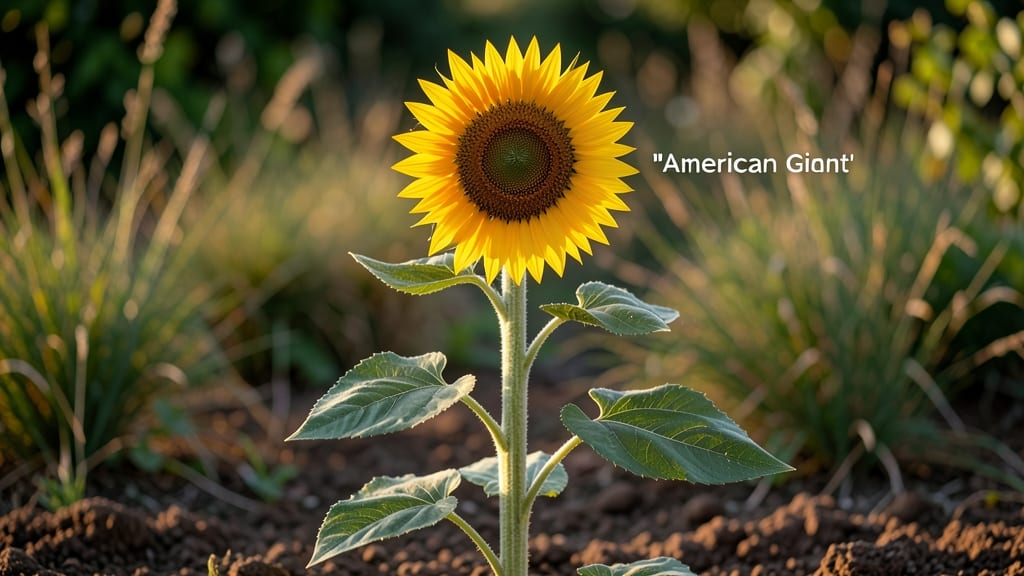
Growing American Giant hybrid sunflowers from seed means you'll soon be staring up at 12-foot-tall giants that make your neighbors do a double take. 🌻 I planted my first batch last spring, and by July, they were casting shadows over my entire backyard—no fancy nursery plants, just seeds and stubborn optimism.
These aren't your childhood sunflower stems; these are architectural statement pieces that turn heads and hummingbirds alike.
The secret to their towering success starts with well-drained soil and a full-sun spot—think 6+ hours of direct light daily. Plant seeds 1-2 inches deep, 2 feet apart, and watch them shoot up like skyscrapers.
They're not fussy about soil pH, but adding compost at planting time gives them the nutrients to reach their full potential. Water consistently (about 1 inch per week), but don't drown them—they hate soggy roots.
By midsummer, you'll have velvety, 10-inch-wide blooms that last for weeks, attracting pollinators and adding drama to any garden. The flowers are edible too—roast the seeds for a nutty snack or use the petals in salads.
Just keep an eye out for sunflower moths and Japanese beetles, which love to munch on the leaves. A quick spray of neem oil usually sends them packing.
Whether you're growing them for show, shade, or snacks, these sunflowers deliver foolproof results with minimal effort. They're perfect for cutting gardens, pollinator-friendly landscapes, or just making your yard the talk of the neighborhood. Ready to grow your own skyscraper?
📚 In This Guide
- What you need
- Instructions
- Tips and common mistakes
- Wrapping up and next steps
What you need
- ● Seeds: 1 packet of American Giant Hybrid Sunflower seeds (approx. 10-20 seeds per packet).
- ● Soil: Well-draining, fertile garden soil or a high-quality potting mix (avoid heavy clay).
- ● Sunlight: A sunny spot with 6+ hours of direct sunlight daily (full sun is ideal!).
- ● Water: Consistent access to water (sunflowers love moisture but hate soggy roots).
- ● Space: At least 4–6 feet of diameter per plant (they grow big!).
- ○ Fertilizer (optional but helpful): Balanced 10-10-10 fertilizer for planting.
- ● Low-nitrogen 5-10-10 fertilizer mid-season (after 6 weeks).
- ● Garden trowel or transplanting spade (for planting seeds or seedlings).
- ● Watering can or hose with a gentle spray nozzle (to avoid disturbing seedlings).
- ○ Stakes or cages (optional but recommended): 3–4 6-foot bamboo stakes or tomato cages per plant (for support as they grow).
- ○ Mulch (optional): Straw or wood chips to retain moisture and suppress weeds.
- ● Timing: Plant seeds after the last frost (typically late spring in most U.S. zones).
- ● Climate: Thrives in USDA Zones 2–11 (cold-hardy but hates frost).
- ● Patience: Germination takes 7–14 days, and full bloom can take 80–120 days!
Step-by-step instructions for growing American Giant Hybrid sunflowers
Here's how to coax those breathtaking 12-foot monsters from tiny seeds—with minimal drama.
🌱 Step 1: Start Seeds Indoors for Early Strength
Plant seeds 6-8 weeks before your last frost date in biodegradable pots (they hate root disturbance). Use a lightweight seed-starting mix—these giants need room to stretch their roots. Press 1-2 seeds per pot just ½ inch deep (any deeper delays germination). The mix should feel like a damp sponge, not a swamp.
Place pots in a warm spot (70-75°F)—a seedling heat mat speeds things up. Cover with plastic wrap until sprouts appear (5-10 days). Once they break through, remove the cover immediately to prevent damping-off. You'll see first true leaves (not the initial seed leaves) in 7-10 days—that's your cue to move them under grow lights for 14-16 hours daily. Without enough light, they'll grow leggy and weak.
💧 Step 2: Harden Off and Transplant Carefully
Two weeks before outdoor planting, start hardening off seedlings. Place them outside in a sheltered spot for 1-2 hours the first day, gradually increasing to full sun exposure over 7-10 days. Watch for wilting or yellowing—that means they're not ready yet. American Giants need full sun (6+ hours daily) to reach their full height, so choose a spot with no shade competition.
Transplant on a cool, overcast day to reduce shock. Dig holes twice as wide as the root ball but no deeper—burying the stem too far invites rot. Space plants 2-3 feet apart (they'll need room to sway in the wind). Water deeply right after planting to settle the soil around roots. Mulch with 2-3 inches of organic mulch to retain moisture and suppress weeds—these sunflowers drink 1-2 gallons of water weekly once established.
☀️ Step 3: Support and Maintain for Maximum Height
American Giants need sturdy support—their stems can reach 12 feet but often flop without help. Install 3-4 foot tall stakes at planting and tie stems loosely with soft plant ties every 4-6 inches as they grow. If you skip this, you'll end up with sunflowers lying flat like a fallen giant. I like to use bamboo stakes because they're strong yet flexible enough to accommodate growth.
Fertilize once a month with a balanced 10-10-10 fertilizer after the first true leaves appear. Too much nitrogen makes them grow leaves instead of stems. Watch for pests like sunflower moths—handpick them early to avoid damage. Deadhead spent blooms to encourage secondary blooms (though they won't be as large). By mid-summer, you'll see buds forming—this is when they need extra water to support their weight.
⏰ Step 4: Harvest and Preserve the Blooms
Cut stems when flower heads are fully open but before they start wilting. Use clean pruners and leave 4-6 inches of stem for vase life. Remove all leaves that will sit underwater to prevent bacterial growth. These blooms last 7-10 days in water—long enough to enjoy their 12-inch diameter glory. For drying, hang heads upside down in a dark, well-ventilated space for 2-3 weeks until completely dry.
Save seeds by letting 1-2 heads mature fully on the stalk. Once the back of the head turns yellow and seeds rattle inside, cut the head and dry it further. Rub the dried head over a tray to collect seeds—store them in a cool, dry place for next year's planting. Real talk: these sunflowers are worth the effort. A single plant can become the centerpiece of any garden, and the seeds make fantastic bird feeders too.
Tips & tricks for growing towering sunflowers
Here's what nobody tells you about growing these giants—lessons I learned after watching my first batch flop like a toddler learning to stand.
Seed Starting Secret: When planting your 1-2 seeds per biodegradable pot at just ½ inch deep, don't be tempted to use regular potting soil. American Giants need that lightweight seed-starting mix to prevent root binding. Confession: I used garden soil once and ended up with stunted seedlings that never reached their potential. The mix should crumble like a dry cake—if it sticks together, it's too dense. After planting, give the pots a gentle spin to settle the seeds without disturbing them.
Lighting Strategy: Those 14-16 hours daily under grow lights aren't just about preventing leggy seedlings—they're about creating strong stems capable of supporting 12 feet of flower. I learned this the hard way after my first batch grew like twigs in the wind. Position lights just 2-3 inches above the seedlings and adjust as they grow. If you notice them stretching toward the light like sun-worshippers, it's time to lower the lights or add more bulbs. A simple grow light kit with full-spectrum bulbs works wonders.
Transplanting Timing: The 7-10 day hardening off period isn't just about acclimating leaves—it's about preparing the entire plant for its future 12-foot journey. Watch for the subtle signs: seedlings should show no wilting after full sun exposure and their leaves should stay a vibrant green, not yellowing at the edges. I've made the mistake of rushing this process, only to have plants bolt to seed prematurely. Pro tip: Harden off in the morning when temperatures are cooler—it gives them a gentler introduction to outdoor conditions.
Support System: Those 3-4 foot tall stakes you install at planting aren't just decorative—they're the difference between a sunflower standing proud and one lying flat like a fallen giant. I've seen firsthand how even the strongest stems can't handle their own weight without proper support. Use soft plant ties (not wire or anything that can cut into the stem) and make sure to adjust them every 4-6 inches as the plant grows. Think of it like training a toddler to walk—you need to be there to catch them when they wobble.
Pro Tips for American Giant Hybrid Sunflower
- Here's what nobody tells you about growing these giants—lessons I learned after watching my first batch flop like a toddler learning to stand.
- Seed Starting Secret: When planting your 1-2 seeds per biodegradable pot at just ½ inch deep, don't be tempted to use regular potting soil.
- Lighting Strategy: Those 14-16 hours daily under grow lights aren't just about preventing leggy seedlings—they're about creating strong stems capable of supporting 12 feet of flower.
Frequently asked questions
Got questions about growing the American Giant Hybrid Sunflower? You’re not alone—this towering beauty comes with its own set of curiosities! Here are answers to the most common queries to help you cultivate success.
How tall can the American Giant Hybrid Sunflower really get?
The American Giant Hybrid lives up to its name, often reaching 12 to 16 feet tall (or even taller with ideal conditions!). Plant it in full sun with well-draining soil and provide sturdy support (like a stake or cage) early to prevent flopping. Pro tip: Space plants 3–4 feet apart to avoid crowding and ensure they grow upright!
When is the best time to plant these sunflowers?
For most U.S. climates, sow seeds after the last frost when soil temps hit 50°F+ (around mid-to-late spring). In warmer zones, you can plant as early as February–March. If you’re in a short-growing season, opt for direct sowing instead of starting indoors—they germinate quickly (5–10 days) and prefer to be transplanted only once true leaves appear. Late summer plantings may not bloom before frost, so time it right!
What pests should I watch out for, and how do I prevent them?
These giants attract attention—including from sunflower moths, aphids, and beetles. Prevention tips:
- Neem oil spray (early treatment for aphids).
- Row covers for young plants to deter moths.
- Handpick beetles (drop them in soapy water).
- Encourage predators like ladybugs with nearby pollinator plants.
Can I grow American Giant Sunflowers in containers?
While they’re not ideal for containers (their roots and height demand space), you can try it with a large pot (20+ gallons) and deep drainage holes. Use a lightweight potting mix and provide extra support (like a bamboo stake). Expect shorter growth (8–10 feet max) and less vigorous blooms compared to in-ground planting. Alternative: Try dwarf varieties like ‘Moulin Rouge’ if container gardening is your goal!
Why isn’t my sunflower blooming, or is it wilting?
Common culprits include:
- Insufficient sunlight (they need 6+ hours of direct sun daily).
- Over/under-watering—keep soil consistently moist but not soggy.
- Temperature stress (too cold or hot can stall growth).
- Nutrient deficiency (add balanced fertilizer at planting and mid-season).
Wrapping up and next steps
The American Giant Hybrid Sunflower isn’t just a plant—it’s a statement of nature’s grandeur, ready to transform your garden into a breathtaking spectacle! 🌻 With the right tools, patience, and a watchful eye for pests, you’ll soon be rewarded with towering blooms that turn heads and brighten spirits.
Whether you’re a seasoned gardener or a curious beginner, every step you take brings you closer to that showstopper moment.
Ready to plant your legacy? Start by gathering your seeds, marking your plot, and diving in—your future sunflower giant awaits! 🌱 Grab your gloves and get growing!