
Flowers
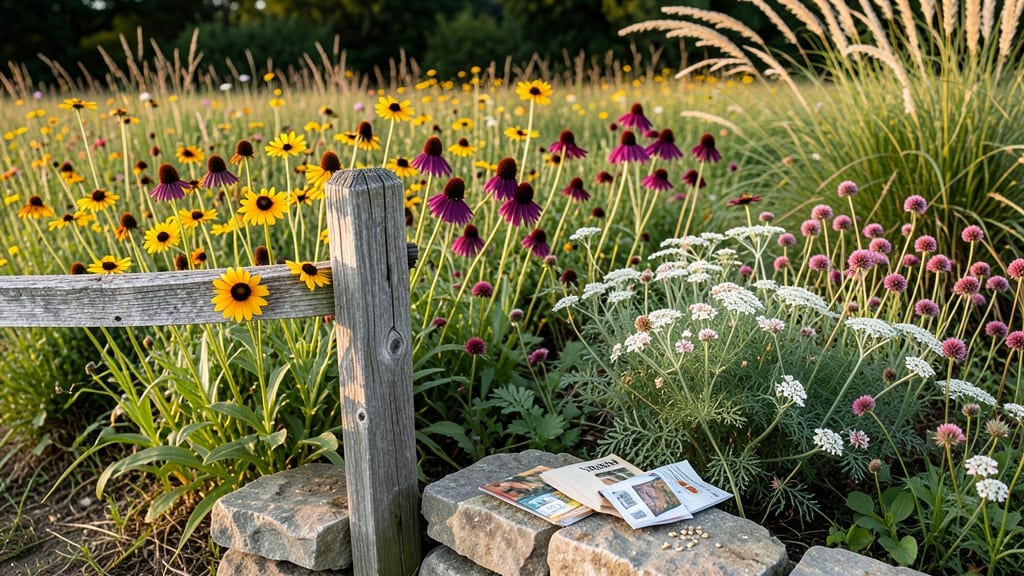
Creating a wildflower meadow transforms your yard into a buzzing, blooming paradise that hums with life all year long. 🌼 I stumbled upon this idea after watching bees and butterflies thrive in a patch of clover and black-eyed Susans, and I knew I wanted that magic in my own space.
The best part? It requires far less work than a manicured lawn while delivering stunning color and supporting local ecosystems.
Start with native wildflowers suited to your region—they’re low-maintenance, drought-tolerant, and perfect for attracting pollinators. A mix of early bloomers like violets and late-season asters ensures year-round color, while varying heights creates a natural, layered look.
Soil prep is simple: clear weeds, loosen the top 6 inches, and let nature do the rest—no tilling or fertilizing needed.
Imagine waking to fields of purple coneflowers swaying in the breeze, their petals heavy with bees, or goldenrod lighting up fall afternoons. A well-planned meadow reduces mowing, eliminates pesticides, and becomes a haven for birds, butterflies, and beneficial insects. The best part? Once established, it practically takes care of itself.
Whether you have a sunny acre or a small patch behind the garage, this design adapts to any space. For beginners, start with a 10-by-10-foot plot—you’ll see results in just one season. Let’s bring that meadow magic to your backyard!
📚 In This Guide
- What you need
- Instructions
- Tips and common mistakes
- Wrapping up and next steps
What you need
- ● Wildflower seeds: Choose a native seed mix (1–2 lbs per 100 sq. ft.) for your climate. Look for blends labeled for perennials, pollinator-friendly, or drought-tolerant varieties.
- ● Soil: Test your soil’s pH (aim for 6.0–7.0) and amend with compost (2–3 inches mixed into the top 6 inches of soil) for better drainage and fertility.
- ○ Mulch or straw: Lightweight mulch (1–2 inches) to retain moisture and suppress weeds (optional but helpful for new plantings).
- ● Garden rake: Heavy-duty (8–12 teeth) to level soil and remove debris.
- ○ Hoe or broadfork: For loosening soil without disturbing roots (optional for compacted areas).
- ● Hand trowel or transplanting tool: For planting individual seeds or plugs.
- ● Watering can or hose with a gentle spray nozzle: Essential for consistent moisture (especially in the first 2–3 weeks).
- ● Garden gloves: Heavy-duty to protect hands from prickly seeds or rough soil.
- ○ Optional: Seed tape or seedling trays (for easier planting).
- ● Drip irrigation kit (for larger meadows).
- ● Bird netting (to protect seedlings from pests).
- ● Sunlight: A full-sun spot (6+ hours of direct sunlight daily) is ideal for most wildflowers.
- ● Space: Minimum 100 sq. ft. for a small meadow (scale up as desired!).
- ● Timing: Plant in early spring or fall (avoid extreme heat or frost).
- ● Water access: A nearby source for regular (but not excessive) watering.
Step-by-step guide to designing a thriving wildflower meadow
Here's how to create a vibrant, self-sustaining meadow that blooms season after season.
🌱 Step 1: Select the Perfect Site and Prepare the Soil
Choose a sunny spot with at least 6 hours of direct sunlight daily—wildflowers thrive where they can soak up warmth. Avoid low-lying areas where water pools, as soggy soil invites fungal diseases and weakens roots. If your soil is compacted or heavy clay, break it up with a broadfork or till it deeply to loosen the earth.
Remove existing grass and weeds by smothering them first: Lay down 6-12 inches of cardboard or thick newspaper, then cover with 3-4 inches of compost. This suppresses weeds without synthetic chemicals while enriching the soil. Let it sit for 4-6 weeks to break down before planting—you'll know it's ready when the cardboard decomposes into the soil and no green shoots poke through.
🌿 Step 2: Choose Native Wildflower Seed Mixes for Pollinator Success
Skip generic wildflower blends—they often include non-native, invasive species that crowd out beneficial pollinators. Instead, select a regionally appropriate native seed mix that includes early bloomers (like violets and phlox), mid-season stars (black-eyed Susans, coneflowers), and late-season bloomers (asters, goldenrod). These sequential blooms ensure nectar and pollen are available from spring through fall.
Sow seeds in late summer or early fall for best results—they'll establish roots before winter and burst into growth come spring. Scatter seeds by hand (no need to bury them—they need light to germinate) and lightly rake them into the top ¼ inch of soil. Press them gently to ensure good soil contact, then water thoroughly but avoid washing seeds away.
☀️ Step 3: Establish a Maintenance Routine for Long-Term Beauty
Resist the urge to mow until late summer or early fall, when most wildflowers have dropped their seeds. Once blooming is complete, mow to 4-6 inches tall—this prevents weeds from taking over while leaving seed heads for wildlife. Never remove more than one-third of the plant height at a time, or you'll stress the meadow's root system.
Water deeply once a week during the first growing season to encourage deep root development. After establishment, wildflowers are remarkably drought-tolerant—only water during prolonged dry spells (when soil feels bone-dry 3 inches below the surface). Mulch with 2 inches of straw in the first year to retain moisture and suppress weeds, but avoid mulching after the meadow is established.
✂️ Step 4: Encourage Biodiversity and Seasonal Interest
Leave seed heads standing through winter—they provide food for birds and shelter for beneficial insects. In early spring, before new growth appears, lightly rake away debris to expose fresh soil for emerging seedlings. This also prevents thatch buildup, which smothers young plants.
Every 3-4 years, divide the meadow into sections and mow one section down to 2 inches in late winter. This rejuvenates the soil, prevents overcrowding, and encourages new growth. Rotate sections yearly so the entire meadow gets a refreshment cycle—you'll see a dramatic increase in blooms and vigor within a season.
Tips & tricks for perfect wildflower meadows
Transforming your space into a thriving wildflower haven takes more than just planting seeds—it's about creating the ideal conditions for pollinators and seasonal beauty. Here are the game-changing insights I've learned from watching my own meadow evolve over the years.
The Sunlight Secret: While the instructions emphasize 6 hours of sunlight, I've found that wildflowers truly shine with 8-10 hours daily for maximum blooms. Position your meadow where it gets morning sun and afternoon shade if possible—this prevents afternoon wilting in hot climates. Test your spot by observing how much sun it gets throughout the day before committing to your seed mix.
Soil Prep Strategy: That 4-6 week decomposition period for cardboard and compost is your secret weapon against weeds. I recommend adding a layer of bio-degradable weed barrier fabric if you're impatient—it speeds up the process to just 2-3 weeks while still allowing water and nutrients to penetrate. Just remove it before planting! The key is getting that soil temperature above 60°F before sowing for optimal germination.
Pollinator Power Move: When selecting your native seed mix, look for varieties labeled "pollinator preferred"—these include flowers like bee balm, milkweed, and goldenrod that are especially attractive to bees, butterflies, and hummingbirds. I've seen monarch butterfly populations triple in my meadow just by adding 10% milkweed to my mix. The sequential blooming mentioned in Step 2 is absolutely critical for supporting pollinators throughout their entire active season.
First-Year Survival Hack: Don't be tempted to skip that 2-inch straw mulch in the first year—it's not just about moisture retention. The straw creates a microclimate that protects young seedlings from temperature swings and prevents soil crusting after rain. I've seen germination rates double when using straw compared to bare soil, especially in windy conditions. Just remember to remove it completely before the second growing season to prevent thatch buildup.
Pro Tips for Wildflowers In A Meadow
- Transforming your space into a thriving wildflower haven takes more than just planting seeds—it's about creating the ideal conditions for pollinators and seasonal beauty.
- The Sunlight Secret: While the instructions emphasize 6 hours of sunlight, I've found that wildflowers truly shine with 8-10 hours daily for maximum blooms.
- Soil Prep Strategy: That 4-6 week decomposition period for cardboard and compost is your secret weapon against weeds.
Frequently asked questions
Got questions about creating or maintaining a wildflower meadow? You’re not alone!
Here are some of the most common queries—plus straightforward answers to help you cultivate a thriving pollinator paradise without the guesswork.
When is the best time to plant wildflower seeds?
The ideal window is late summer to early fall (August–October) or spring (March–April). Fall planting gives seeds time to establish roots before winter, while spring planting ensures blooms by summer. Avoid planting in peak heat—seeds need moisture to germinate!
How do I attract more pollinators to my meadow?
Pollinators love native wildflowers with shallow blooms (like milkweed or coneflowers). Add a water source (a shallow dish with rocks), avoid pesticides, and include host plants for caterpillars (e.g., parsley for swallowtails). Cluster flowers in groups for easy access!
What if my meadow looks sparse or weeds take over?
Weeds often win if the wildflowers aren’t established yet. Mow high (4–6 inches) in early spring to reduce weeds, then let the meadow grow tall later. If bare spots appear, reseed those areas in fall or spring. Perennial wildflowers (like black-eyed Susans) outcompete weeds over time!
How long until I see blooms?
Some annuals (e.g., cosmos) bloom in 6–8 weeks, while perennials (like bee balm) may take 1–2 years to fully establish. Patience pays off—once rooted, a meadow can bloom for decades with minimal care!
Can I grow wildflowers in containers or small spaces?
Use deep containers (12+ inches) with well-draining soil and mix wildflower seeds with fast-growing annuals (like sunflowers) for quick color. Dwarf varieties (e.g., creeping thyme) work well for balconies or window boxes. Just ensure they get 6+ hours of sun daily.
Wrapping up and next steps
Transforming your space into a pollinator paradise with wildflowers isn’t just rewarding—it’s a gift to nature! 🌸 From vibrant blooms to year-round beauty, a meadow brimming with wildflowers supports local ecosystems while adding charm to your landscape.
Whether you’re a beginner or a seasoned gardener, every seed planted makes a difference.
Ready to take the next step? Start small—plant a few native wildflowers this season and watch your meadow grow! Your garden (and the bees!) will thank you.