
Flowers
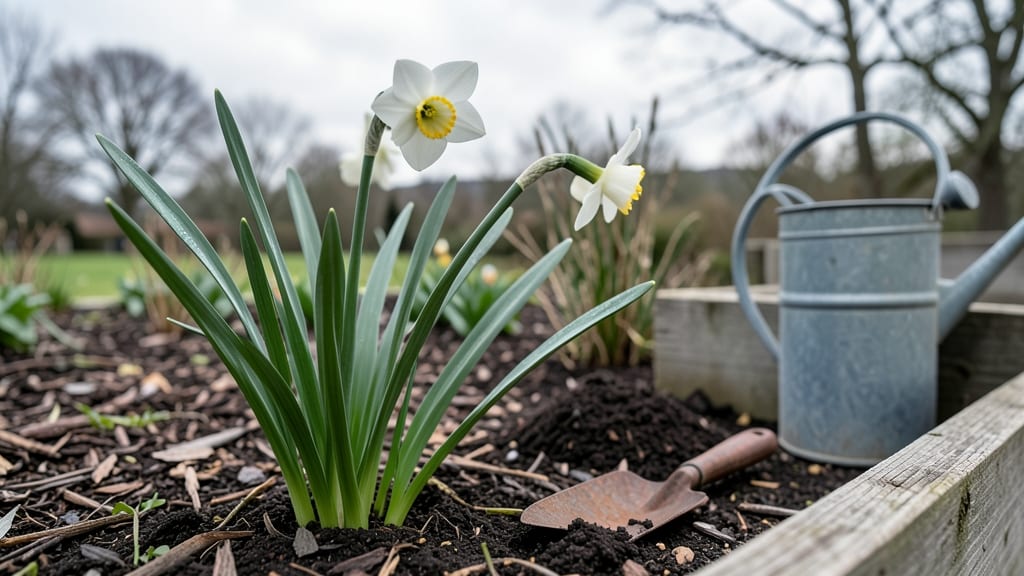
White daffodils from White Flower Farm aren’t just blooms—they’re the frost-proof stars that turn Pacific Northwest spring into a dreamy, luminous canopy. 🌸 I’ve spent years weaving them into farm-style gardens, and they never fail to steal the show, even after heavy snowmelt.
Their pure petals reflect morning light like polished porcelain, creating a soft glow that feels like stepping into a storybook.
The magic lies in how they play with texture and color. Pair them with deep purple crocuses for a contrasting pop, or let them mingle with ferns and hostas for a cottage-garden feel.
They thrive in clumps of 5-7 bulbs, spaced 4-6 inches apart, so you get that natural, abundant look without overcrowding. And here’s the best part—they multiply over time, giving you more drama each spring with almost no effort.
Imagine walking through your garden in April when the rest of the world is still gray, only to find yourself surrounded by snow-white drifts of daffodils swaying in the breeze.
They’re the kind of plants that make neighbors pause and ask, “What’s your secret?”—and the secret is simple: plant them in drifts, let them naturalize, and watch them create a timeless, rustic focal point that feels like home.
Whether you’re lining a rustic fence, framing a barn door, or softening a hillside, these daffodils bring effortless elegance to any farm-style setting. They even pair beautifully with late-blooming tulips or peonies for a layered, seasonal transition. Ready to make your garden the envy of the neighborhood? Let’s get planting!
📚 In This Guide
- What you need
- Instructions
- Tips and common mistakes
- Wrapping up and next steps
What you need
- ● Daffodil bulbs: 50–100 Narcissus papyraceus (white paper daffodil) bulbs per 10 sq ft (or 100+ for a full farm look). Choose USDA Zones 3–9 hardy varieties.
- ● Well-draining soil: 10 cubic yards of loamy, slightly acidic soil (pH 6.0–7.0). Mix in compost (5–10%) for fertility.
- ● Mulch: 2–3 inches of straw, wood chips, or shredded leaves to insulate roots in winter.
- ● Watering system: Drip irrigation or soaker hoses (if planting large areas).
- ● Fertilizer: Balanced 10-10-10 NPK (1 lb per 100 sq ft) or bulb-specific fertilizer (follow label rates).
- ○ Stakes (optional but helpful): 6-inch wooden or bamboo stakes (1 per 5 bulbs) to support tall stems.
- ● Hand trowel or bulb planter (for precision planting).
- ● Garden fork (to loosen compacted soil).
- ● Measuring tape or grid (for spacing—4–6 inches apart for clusters, 12 inches apart for single stems).
- ● Gloves (to protect hands from soil and sharp bulb edges).
- ● Pruners (for deadheading spent blooms).
- ● Frost cloth (for early spring protection in Zone 3–4).
- ● Slow-release fertilizer granules (mix into soil at planting for year-round nutrition).
- ● Garden markers (to track varieties and planting dates).
- ● Bird netting (if squirrels or deer are a problem—daffodils are toxic to pets!).
- ● Rain gauge (to monitor moisture—1 inch per week is ideal during growth).
How to establish a frost-resilient daffodil canopy in the Pacific Northwest
Here's my battle-tested method for creating a stunning, low-maintenance white daffodil display that thrives through PNW winters.
🌱 Step 1: Select and Prepare the Planting Site
Choose a location with partial shade to full sun—daffodils tolerate morning sun beautifully but appreciate afternoon shade in hotter microclimates. The Pacific Northwest's mild winters mean these bulbs won't need extra chilling, but they do need well-draining soil to prevent rot during winter rains. I always test soil drainage by digging a hole, filling it with water, and checking if it drains within 30 minutes—if not, amend with 2-3 inches of compost mixed into the top 6 inches of soil.
Daffodils thrive in USDA Zones 3-8, making them perfect for the entire PNW region. For a dramatic canopy effect, space bulbs 4-6 inches apart in clusters of 5-7 bulbs every 12 inches apart. This creates natural groupings that multiply beautifully over time. I plant in October-November when soil temperatures drop below 60°F—this gives roots time to establish before winter rains arrive.
🪴 Step 2: Plant Bulbs at Proper Depth and Spacing
Use white flower farm daffodil bulbs—these varieties are bred specifically for their frost tolerance and long vase life. Plant bulbs 6 inches deep (about 3 times their height) with the pointed end facing upward. This depth protects them from frost heave and rodent damage. I like to plant in raised beds or slightly mounded areas to improve drainage in our wet climate.
For a true canopy effect, create multiple planting levels. Start with larger bulbs in the center (for height) and surround them with smaller bulbs at the edges. This creates a natural tiered display that looks stunning from all angles. After planting, water deeply to settle the soil and encourage root growth—1 inch of water applied immediately after planting is ideal.
☀️ Step 3: Mulch and Protect Through Winter
In the Pacific Northwest, winter rains can cause soil erosion and expose bulbs. Apply 3-4 inches of organic mulch (like shredded bark or straw) after planting to insulate the soil and retain moisture. This mulch layer also suppresses weeds and keeps the planting area neat. I avoid heavy mulch in early spring—remove half the mulch in February to allow soil to warm and encourage flowering.
Daffodils are famously frost-proof, but young plants benefit from a light frost cloth during the first winter if temperatures drop below 20°F. Established plants handle our winters beautifully, but the first year's growth is more delicate. Watch for yellowing leaves in early spring—this is normal as the plant redirects energy to flowering, but if leaves stay yellow past late May, your bulbs may need more sunlight.
✂️ Step 4: Maintain Through the Growing Season
Once flowers fade, never remove the foliage until it yellows completely. This ensures the bulb stores enough energy for next year's blooms. I mark planting locations with small flags or a garden map to avoid accidentally disturbing the bulbs when they're dormant. Water deeply once a week during dry spells, but avoid overwatering—daffodils hate soggy roots.
After flowering, apply a light layer of balanced fertilizer (like 10-10-10) in early spring when new growth appears. This gives the bulbs a gentle boost without encouraging excessive foliage growth. In late summer, reduce watering slightly to harden off the bulbs for winter. By September, they'll be fully dormant and ready for another cycle.
⏰ Step 5: Expand and Enjoy Your Canopy
Daffodils multiply every year, so your canopy will grow naturally. After 3-4 years, you'll need to divide and transplant some bulbs if the display becomes too crowded. This is simple—dig up clumps in late summer, separate the bulbs, and replant the strongest ones. I always replant one-third of the bulbs each year to maintain vigor and prevent overcrowding.
For a truly stunning effect, interplant with evergreen shrubs like boxwood or ornamental grasses that won't compete for nutrients. The white blooms will stand out beautifully against dark foliage. By year 3, your canopy will be frost-proof, low-maintenance, and the star of your garden—just like the Pacific Northwest deserves.
Tips & tricks for perfect white daffodil canopy planting
Creating a showstopping daffodil display in the Pacific Northwest takes more than just planting bulbs—it's about understanding the subtle details that make all the difference. Here's what I've learned after years of perfecting these frost-proof canopies.
Soil Preparation Secret: The 30-minute drainage test in Step 1 is non-negotiable. I've seen many gardeners skip this and end up with rotten bulbs by spring. For heavy clay soils common in the PNW, mix in 2-3 inches of compost with 1 part perlite for every 3 parts soil—this creates ideal aeration while maintaining moisture retention. The key is creating a sponge-like texture that drains quickly but holds just enough water.
Planting Depth Technique: When planting those 6-inch deep bulbs in Step 2, use a ruler or measuring tape to verify depth—don't eyeball it. I've found that planting too shallow (less than 5 inches) exposes bulbs to frost heave, while planting too deep (over 7 inches) can delay flowering. For raised beds, create small mounds where you'll plant to ensure proper depth without digging trenches.
Winter Protection Strategy: The 3-4 inches of organic mulch in Step 3 should be your first line of defense against PNW winter rains. I recommend using straw over shredded bark because it breaks down more slowly and provides better insulation. For extreme cold snaps (below 20°F), add a lightweight frost cloth over young plants—just remember to remove it during the day to prevent overheating.
Fertilizer Timing Insight: That early spring application of 10-10-10 fertilizer in Step 4 needs precise timing. Apply it when you see 2-3 inch green shoots emerging, not when the flowers appear. This timing ensures the bulbs get energy for root development rather than just blooms. I also recommend watering the area thoroughly before applying fertilizer to help it penetrate the soil.
Pro Tips for White Flower Farm Daffodils
- Creating a showstopping daffodil display in the Pacific Northwest takes more than just planting bulbs—it's about understanding the subtle details that make all the difference.
- Soil Preparation Secret: The 30-minute drainage test in Step 1 is non-negotiable.
- Planting Depth Technique: When planting those 6-inch deep bulbs in Step 2, use a ruler or measuring tape to verify depth—don't eyeball it.
Frequently asked questions
Got questions about growing white flower farm daffodils in the Pacific Northwest? You’re in the right place! Here are some of the most common queries—and their simple, practical answers—to help you cultivate these frost-proof beauties with confidence.
When is the best time to plant daffodil bulbs for a white flower farm display?
Plant daffodil bulbs in fall (October–November in the PNW) for spring blooms. Chilly soil triggers root growth, and bulbs need 6–8 weeks of cold before sprouting. Avoid planting in freezing ground—wait until soil temps drop to 40–50°F.
Are white daffodils truly frost-proof? Can they survive PNW winters?
Daffodils are hardy to Zone 3–8, meaning they thrive in the PNW’s frost and snow. Their thick, papery tunics protect bulbs underground, while above-ground foliage often reappears after light frosts. Just mulch lightly in harsh winters for extra insurance.
How do I keep my white daffodils blooming year after year?
Consistency is key! After blooms fade, leave foliage until yellow (6–8 weeks) to feed the bulb. Fertilize in early spring with a balanced bulb food, and divide crowded clumps every 3–5 years. Avoid overwatering—bulbs rot in soggy soil.
What are some low-maintenance alternatives to daffodils for a white flower farm?
If daffodils aren’t your style, try these PNW-friendly white bloomers:
- Snowdrops (Galanthus) – Bloom in late winter, thrive in shade.
- Alliums – Dramatic globes, deer-resistant, and drought-tolerant.
- Calla Lilies (Zantedeschia) – Tropical vibes, love moisture (great for wet areas).
- White Hyacinths – Fragrant and early spring stars.
Why aren’t my daffodil bulbs blooming this year?
No blooms? Check these troubleshooting tips:
- Too much shade? Daffodils need full sun to partial shade (6+ hours of light).
- Overcrowded bulbs? Divide clumps if they’re tightly packed.
- Improper planting depth? Bulbs should be 6–8 inches deep (twice their height).
- Lack of nutrients? Feed with phosphorus-rich fertilizer (e.g., 10-20-10) in fall.
- Pests/squirrels? Use bulb cages or plant in wire mesh.
Wrapping up and next steps
From their frost-proof resilience to their ethereal beauty, White Flower Farm’s daffodils are the perfect addition to any Pacific Northwest garden—or even a cozy indoor oasis. 🌸 Whether you’re a seasoned gardener or just starting your floral journey, these cheerful blooms bring joy, texture, and a touch of magic to any space.
Ready to plant your own slice of sunshine? Start by ordering your favorite varieties from White Flower Farm today—your garden (and future pollinators!) will thank you. 🌱