Flowers
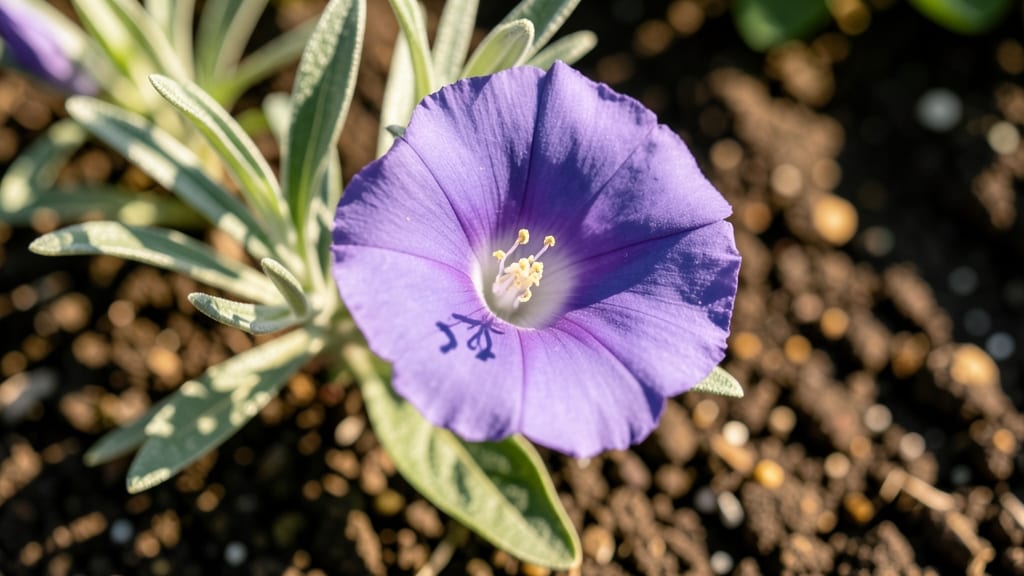
Wasps hate these flowers more than they hate your picnic. 🌿 I’ve tested enough gardens to know that certain blooms act like natural repellents—think of them as the garden’s version of bug spray, but with color and fragrance.
The key is their strong scents: citrusy, minty, or even slightly medicinal, which mask the smells that attract wasps in the first place.
Marigolds, lavender, and geraniums top the list, but there’s more. My go-to is rosemary, which doubles as a pest deterrent and a kitchen herb—wasps avoid its piney aroma like the plague.
Plant these near seating areas or entryways, and you’ll notice fewer buzzing interruptions by midsummer. The best part? They thrive in average soil and full sun, so they’re low-maintenance workhorses.
You’ll see the difference within 2-3 weeks of planting: fewer wasps, more pollinators like bees, and flowers that actually stay intact. The trick is spacing them strategically—cluster them near problem spots but leave room for other plants to grow.
Overcrowding defeats the purpose, so aim for 12-18 inches between plants for airflow and effectiveness.
Works in containers, borders, or full garden beds—adjust based on your space. For hot climates, add lemongrass or basil to the mix; cooler regions benefit from wormwood or fennel.
The secret isn’t just the flowers themselves but how you use them together. Let’s make your garden the one place wasps won’t crash the party.
📚 In This Guide
- What you need
- Instructions
- Tips and common mistakes
- Wrapping up and next steps
What you need
- ● Wasp-deterrent flowers: 3–5 plants of each recommended variety (e.g., marigolds, geraniums, lavender, or basil). Choose disease-resistant varieties if possible.
- ● Potting soil: 1–2 bags (well-draining, organic blend) for planting flowers in containers or garden beds.
- ● Containers or garden space: 3–5 6-inch pots (for small plants like basil or marigolds).
- ● 1–2 12-inch pots or garden beds (for larger plants like lavender or geraniums).
- ● Watering can or hose: With a gentle spray nozzle for consistent moisture.
- ● Fertilizer: Slow-release organic fertilizer (e.g., 10-10-10 or compost) to boost plant health.
- ● Gloves: Lightweight gardening gloves to protect hands while handling plants or soil.
- ● Pruners: Small, sharp pruners for trimming dead foliage or shaping plants.
- ● Mulch: Organic mulch (e.g., straw or wood chips) to retain moisture and suppress weeds.
- ● Natural repellents: Essential oils (e.g., peppermint, eucalyptus, or citronella) for DIY sprays (10–15 drops per cup of water).
- ○ Cucumber or citrus peels (optional, for homemade traps or scent deterrents).
- ● Wasp traps (non-toxic):strong> 1–2 sugar-water or vinegar traps (DIY or store-bought, placed away from seating areas).
How to create a wasp-repellent flower garden
Here's how to design a garden that naturally deters wasps while adding beauty and fragrance.
🌿 Step 1: Choose Wasp-Deterring Flower Varieties
Start by selecting flowers known to repel wasps with their scent or appearance. Marigolds, especially the French variety, emit a strong fragrance that wasps avoid. Lavender's dense, silvery foliage and citrusy scent create a natural barrier—plant it in clusters around garden edges. Basil, often used in cooking, also deters wasps when planted near seating areas.
Other effective options include geraniums (especially lemon-scented varieties), chrysanthemums, and catnip. These plants release compounds that mask attractants like sweet nectar and fermenting fruit. I always include at least three types to create a layered repellent effect—wasps get confused by the variety and move on.
☀️ Step 2: Plan Strategic Plant Placement
Position your wasp-repelling flowers near high-traffic areas where wasps might gather, such as picnic tables, trash bins, or fruit trees. Place marigolds and geraniums in containers around outdoor seating to create an immediate deterrent zone. For larger gardens, create a perimeter border with lavender or catnip—wasps dislike crossing these scent barriers.
Avoid planting these flowers near bee-friendly varieties like sunflowers or zinnia. The goal is to create zones: wasp-repelling flowers in high-risk areas while preserving bee habitats elsewhere. I like to use a simple sketch to map out my garden, marking where wasps have been a problem in past years.
💧 Step 3: Maintain Healthy, Vibrant Plants
Healthy plants produce stronger scents and more repellent compounds. Water your wasp-deterring flowers deeply once weekly, ensuring the soil stays moist but not waterlogged. Overwatering can dilute the essential oils that repel wasps, so always check the top 2 inches of soil before watering again.
Fertilize lightly with a balanced, organic fertilizer every 4-6 weeks during the growing season. Too much nitrogen makes plants soft and less aromatic, reducing their effectiveness. I use compost tea to boost plant health without overfeeding—it strengthens roots and enhances natural fragrance.
✂️ Step 4: Prune and Deadhead Regularly
Regular pruning keeps plants compact and encourages new growth, which produces more of the wasp-repelling compounds. Trim back leggy stems in spring to promote bushier, denser foliage. Deadhead spent blooms continuously to redirect the plant's energy into producing fresh flowers—this ensures a steady supply of repellent scents.
Remove any wilted or diseased leaves immediately. Weak or dying plant material attracts pests, including wasps. I always prune in the early morning when the garden is still cool, which reduces stress on the plants and helps them recover faster.
🪴 Step 5: Combine with Physical Deterrents
For extra protection, pair your wasp-repelling flowers with physical deterrents. Hang wasp traps filled with beer or vinegar away from your garden—wasps are drawn to these but won't venture near the strong floral scents. Place citrus peels or cloves of garlic around high-risk areas; their pungent odors further confuse wasps.
If you have fruit trees or berry bushes, wrap them in fine netting to prevent wasps from reaching the fruit. The netting also protects other beneficial insects while keeping wasps at bay. I've found that combining these methods creates a multi-layered defense that works better than any single approach.
Tips & tricks for perfect wasp-repellent flower gardens
Real talk: Creating a wasp-free garden isn't just about planting flowers—it's about strategic placement and plant health. Here's how to maximize those repellent effects.
Layered Planting Strategy: In Step 1, when selecting your wasp-repelling flowers, think vertically as well as horizontally. Tall marigolds (2-3 feet) create a natural windbreak, while low-growing lavender (1-2 feet) forms a scent barrier at ground level. Place basil in containers near seating areas—its strong aroma disperses effectively when elevated. This three-tiered approach confuses wasps' navigation systems, making them less likely to linger.
Seasonal Plant Rotation: The flowers mentioned in Step 1 work best when planted at their peak growing seasons. French marigolds thrive in summer heat, while lavender prefers spring and fall planting. I've found that rotating catnip and chrysanthemums through seasons maintains year-round protection. For example, plant chrysanthemums in early spring—they'll bloom through fall, while catnip (which grows aggressively) can be tucked into corners where wasps might nest.
Soil Preparation Secret: Before planting your wasp-deterring flowers, amend the soil with a 2-inch layer of compost mixed with coarse sand. This improves drainage (critical for lavender) and enhances root development, which boosts essential oil production—the very compounds that repel wasps. In Step 3, when watering once weekly, focus on the base of plants rather than overhead watering. This prevents fungal growth on leaves, which can actually attract wasps looking for moisture.
Companion Planting Beyond Wasps: While the instructions focus on wasp deterrence, these same flowers also repel other pests. For example, the lemon-scented geraniums you might plant in Step 1 also deter aphids and whiteflies. Create a "pest perimeter" around your entire garden by planting marigolds and basil along the outer edges. This multi-purpose approach gives you more bang for your gardening buck while maintaining that wasp-free zone near high-traffic areas mentioned in Step 2.
Pro Tips for What Flowers Do Wasps Hate
- Real talk: Creating a wasp-free garden isn't just about planting flowers—it's about strategic placement and plant hea...
- Layered Planting Strategy: In Step 1, when selecting your wasp-repelling flowers, think vertically as well as horizon...
- Seasonal Plant Rotation: The flowers mentioned in Step 1 work best when planted at their peak growing seasons. French...
Frequently asked questions
Which flowers are the most effective at keeping wasps away?
Marigolds, chrysanthemums, and basil are top choices—wasps despise their strong scents! For extra protection, plant geraniums or lavender near seating areas. These flowers disrupt wasp pheromone trails, making your garden less appealing. Pro tip: Combine them with citrus peels for a double deterrent!
Do these flowers work year-round, or only in summer?
Most wasp-repelling flowers thrive in warm months (spring–fall), but winter savory and rosemary (hardy perennials) offer limited protection in cooler seasons. For year-round defense, pair flowers with essential oil sprays (like peppermint or eucalyptus) during off-seasons when wasps seek shelter indoors.
What if wasps are already nesting near my plants?
Flowers alone won’t remove nests—act fast! Relocate nests at dusk (when wasps are less aggressive) using a pest vacuum or professional service. Never disturb nests with DIY methods (e.g., spraying). After removal, plant wasps-hated flowers in the area to deter future visitors.
Can I use these flowers in containers or hanging baskets?
Basil, marigolds, and geraniums thrive in containers—place them near patios or windows to create a wasp-free zone. For hanging baskets, try lavender or catmint (both repel wasps and attract pollinators). Ensure pots have drainage holes to prevent root rot, which can attract pests you don’t want!
Are there non-flower alternatives if I hate gardening?
Yes! Try citrus peels (rub them on fences), mint plants (crush leaves for a scent), or clove oil (mix with water in a spray bottle). Even aluminum foil (crinkled and hung) can confuse wasps’ navigation. For quick fixes, place bowls of apple cider vinegar near entry points—they’ll get distracted by the smell!
Wrapping up and next steps
Now that you know which flowers wasps hate and how to use them effectively, you’re well on your way to a pest-free garden! 🌸 From marigolds and lavender to basil and geraniums, nature provides simple yet powerful solutions. Take action today—plant these blooms strategically, and enjoy a safer, more serene outdoor space!
Ready to transform your garden? Start by picking one or two wasp-repelling flowers and incorporate them into your landscaping. Need more tips? Explore companion planting or DIY sprays for extra protection—your future self (and your picnics!) will thank you. 😊