
Planting
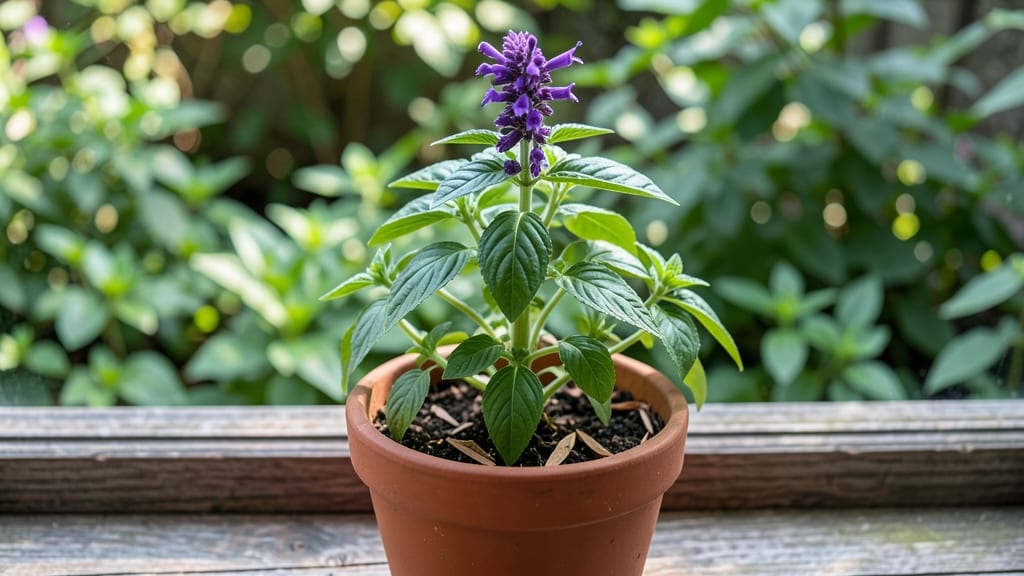
Holy basil flowers aren’t just pretty—they’re the plant’s way of telling you it’s thriving. 🌿 I’ve grown tulsi for years, and the key to continuous blooms lies in understanding its sacred bloom cycle, not just snipping leaves.
The first flush of flowers signals the plant’s maturity, but if you let them go to seed, your harvest slows down. Instead, we’ll prune strategically to keep those fragrant leaves flowing while still enjoying delicate white or purple blooms.
The secret starts with light—tulsi craves 6-8 hours of direct sun daily, but in hot climates, afternoon shade prevents stress. Well-draining soil (a mix of garden soil and sand works) keeps roots happy, and watering when the top inch feels dry (not soggy) prevents flower drop.
Most gardeners overwater, thinking it helps blooms—but tulsi’s native dry climates mean it actually prefers to dry slightly between drinks.
By pinching back new growth at 4-6 inches tall and harvesting leaves regularly, you’ll encourage bushier plants that flower more often. The flowers themselves don’t hurt medicinal properties—they’re just the plant’s way of redirecting energy.
In fact, some traditions use the blooms in teas for their own calming effects. With the right balance, you’ll have both leaves and flowers all season long.
This method works in pots or garden beds, from zone 7’s mild winters to containers on patios. The only rule? Don’t let those flowers linger too long—they’ll steal energy from the leaves you actually want. Let’s get growing!
📚 In This Guide
- What you need
- Instructions
- Tips and common mistakes
- Wrapping up and next steps
What you need
- ● Tulsi (Holy Basil) Seeds or Seedlings: 1–2 packets of Ocimum tenuiflorum seeds (organic preferred) OR
- ● 2–3 healthy tulsi seedlings (ensure they’re disease-free!)
- ● Well-Draining Soil: 2–3 gallons of loamy, slightly acidic soil (pH 6.5–7.5) OR
- ● 1 part coconut coir + 1 part garden soil + 1 part perlite (for potting mixes)
- ● Containers or Garden Bed: 1–2 6-inch diameter pots (per seedling) OR
- ● A 12-inch deep garden bed (if planting outdoors)
- ● Sunlight Access: Full sun exposure (6–8 hours daily) or bright indirect light (for indoor setups)
- ● Watering Can or Spray Bottle: 1–2 liters capacity (for gentle watering—tulsi hates soggy roots!)
- ● Pruning Shears: Small, sharp pair for trimming flowers/stems (sterilize with rubbing alcohol!)
- ● Organic Fertilizer: 1 cup of compost or neem cake (every 4–6 weeks)
- ● Support Stakes: 2–3 bamboo stakes (if your tulsi grows tall in your climate)
- ● Mulch: Straw or dried leaves (to retain moisture and suppress weeds)
- ○ pH Test Kit: Optional but helpful for monitoring soil acidity
- ● 🌡️ Temperature: Tulsi thrives in 70–90°F (21–32°C)—avoid frost or extreme heat!
- ● ✨ Humidity: Mist leaves daily if indoors (or use a pebble tray for extra moisture)
- ● 🎯 Harvesting Ready: Wait until 50–70% of flowers bloom before pruning for continuous cycles!
How to encourage tulsi blooms for a continuous flowering cycle
Here's how I coax tulsi to flower again and again—no fancy tricks, just timing and care.
🌿 Step 1: Prune Strategically After First Flowers Fade
When your tulsi's first blooms start wilting, don't cut the stems completely—leave about 2-3 inches above the base. This stump holds dormant buds that will grow into new branches. I always use clean, sharp scissors to avoid crushing stems, which stresses the plant.
Watch for new growth emerging from the base within 7-10 days. These side shoots are your future flowering stems. If you see leggy growth reaching toward light, your plant needs more sun—tulsi flowers best with 4-6 hours of direct sunlight daily.
☀️ Step 2: Adjust Light and Water for Flowering Triggers
Tulsi flowers when it senses longer daylight. If your plant isn't blooming, move it to a sunnier spot or supplement with a 12-hour grow light in winter. I place my grow light 12 inches above the plant and keep it on a timer to mimic natural daylight changes.
Water deeply but let the top 1 inch of soil dry between waterings. Overwatering causes yellow leaves and stunted growth—both signs your tulsi won't flower. You'll know it's right when the soil feels slightly damp but not soggy when you check with your finger.
✂️ Step 3: Harvest Flowers Before They Fully Open
Pick tulsi flowers when the buds are just starting to open but haven't fully bloomed. This encourages the plant to produce more flowers. I harvest in the morning when the flowers are freshest, using clean hands or scissors to avoid damaging stems.
Never harvest more than one-third of the flowers at once. This keeps the plant's energy balanced. After harvesting, water lightly to help it recover. You'll see new buds forming within 2-3 weeks if conditions are right.
🌱 Step 4: Feed and Prune for Next Flowering Cycle
After the second flush of flowers, feed your tulsi with a balanced liquid fertilizer (10-10-10) diluted to half strength. This gives it the nutrients to prepare for the next cycle. I apply it in the morning so the plant has time to absorb it before evening.
Once the second set of flowers fades, repeat the pruning step—cut back to 2 inches above the base. This keeps the plant compact and encourages fresh growth. Tulsi can produce 3-4 flowering cycles per year with this method, especially in warm climates.
Tips & tricks for perfect tulsi blooms
Here's what nobody tells you about keeping your sacred tulsi blooming like clockwork.
Pruning Precision: When you leave those 2-3 inches of stem after pruning in Step 1, make sure you're cutting just above a leaf node—this is where new growth will emerge. I always run my thumb along the stem to feel for the slight bump where the node is. This simple trick ensures you're not accidentally cutting off potential flowering stems. The 7-10 days wait for new growth is crucial—don't rush it!
Lighting Strategy: For that 12-hour grow light in Step 2, I recommend using a full-spectrum LED bulb rather than a standard white bulb. Tulsi responds best to light that mimics natural sunlight. Position your light timer to turn on at sunrise and off at sunset—this mimics seasonal changes and triggers flowering. In summer, you might not need the grow light at all if you're getting plenty of natural 4-6 hours of direct sunlight.
Harvesting Hack: In Step 3, when harvesting those delicate tulsi buds, I like to use a small pair of floral scissors instead of my hands. This gives me more control and prevents accidental damage to the stems. The 2-3 weeks window for new buds to form is your reward for gentle harvesting—never take more than that one-third at a time, or you'll shock the plant's system.
Fertilizer Timing: That 10-10-10 fertilizer in Step 4 should be applied right after your second harvest, not before. The plant needs time to recover from flowering before getting a nutrient boost. I always mix my fertilizer with water in a spray bottle and apply it to the soil surface rather than pouring it directly on the leaves—this prevents leaf burn and ensures the roots get all the nutrients.
Pro Tips for Tulsi Plant Flowers
- Here's what nobody tells you about keeping your sacred tulsi blooming like clockwork.
- Pruning Precision: When you leave those 2-3 inches of stem after pruning in Step 1, make sure you're cutting just above a leaf node—this is where new growth will emerge.
- Lighting Strategy: For that 12-hour grow light in Step 2, I recommend using a full-spectrum LED bulb rather than a standard white bulb.
Frequently asked questions
Got questions about tulsi plant flowers? You’re not alone! Here are answers to some of the most common queries to help you nurture your sacred basil with confidence.
When do tulsi plants typically flower?
Tulsi flowers bloom seasonally, usually between October and March in temperate climates. In tropical regions, they may flower year-round but often peak during cooler months. Pruning spent flowers encourages continuous foliage growth for tea and medicinal use.
Why isn’t my tulsi flowering?
If your tulsi refuses to bloom, check these factors:
- Light: Tulsi needs 6–8 hours of sunlight daily—shady spots delay flowering.
- Age: Young plants (under 6 months) focus on leaf growth. Wait patiently!
- Pruning: Over-pruning can stress the plant. Let it mature before heavy trimming.
- Season: Tulsi follows natural cycles; indoor plants may need a cool, dark "winter" period to trigger blooms.
Do tulsi flowers affect the plant’s medicinal properties?
No! The leaves (not flowers) contain the highest concentration of eugenol and ocimene, the active compounds. However, flowers can be used in tea blends for mild flavor—just avoid over-harvesting them to maintain plant health.
Can I propagate tulsi from its flowers?
Yes! After flowering, let the seed pods dry and collect the seeds. Plant them in well-draining soil under light shade. Tulsi also propagates easily from stem cuttings—just dip in water for 2–3 hours before planting. Seeds may take 4–6 weeks to sprout.
Are tulsi flowers toxic to pets?
While tulsi leaves are generally safe, ingesting large amounts of flowers (or any plant part) can cause mild stomach upset in pets. Monitor your furry friends and opt for pet-safe alternatives like cat grass if concerned.
How do I care for tulsi during the flowering stage?
| Task | How-To |
|---|---|
| Watering | Reduce frequency slightly—tulsi needs moderate moisture (1–2 inches per week). Overwatering can rot roots. |
| Fertilizing | Use a balanced organic fertilizer (10-10-10) every 4–6 weeks. Avoid heavy nitrogen—it promotes leaves over flowers. |
| Pruning | Trim spent flowers to redirect energy to new growth. Use clean scissors to avoid disease. |
Wrapping up and next steps
Growing tulsi plant flowers isn’t just about beauty—it’s a sacred cycle that rewards patience with bountiful harvests! By understanding its blooming patterns, nurturing the roots, and pruning mindfully, you’ll enjoy a thriving plant year-round.
Whether you’re drawn to its spiritual significance or simply love fresh leaves, this cycle ensures a never-ending supply of goodness.
Ready to dive deeper? Start with a single cutting—your first tulsi plant is just a few steps away! 🌱✨ Happy growing!