
Flowers
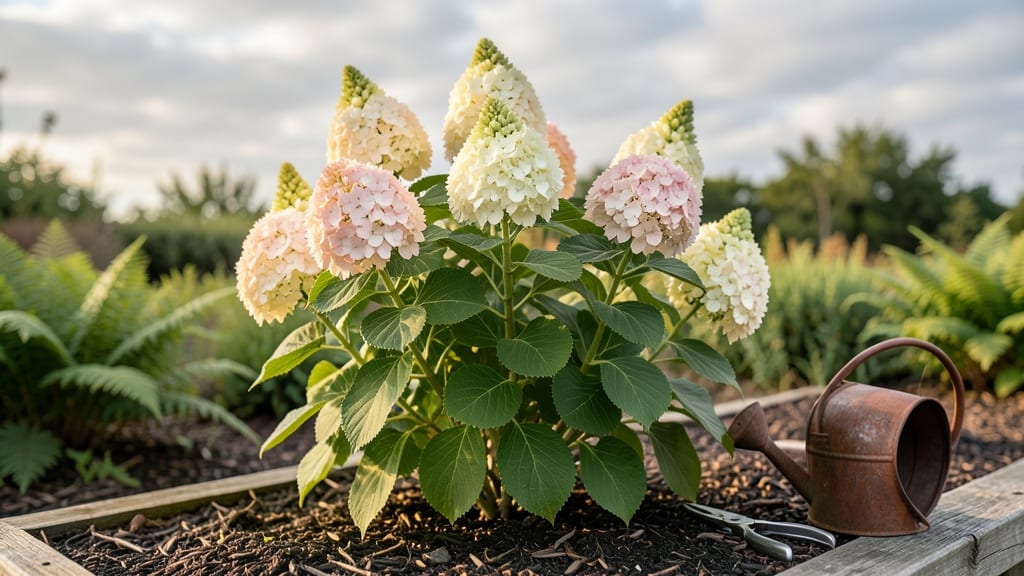
The Pacific Northwest's most dramatic white panicle flowers belong to the Hydrangea paniculata—a tree-sized stunner that turns summer into a cloud of creamy blooms. 🌿 I still remember the first time I saw one in full bloom: the way the light caught the flowers like scattered pearls against deep green leaves.
This isn't just a pretty face—it's a four-season performer with exfoliating bark in winter and fiery foliage in fall.
What makes Hydrangea paniculata a game-changer is its adaptability. It thrives in partial shade or full sun, handles our damp winters, and grows 10-15 feet tall—perfect for anchoring garden beds or making a statement as a standalone specimen.
Pair it with evergreens like Rhododendron or Pieris for year-round structure, or let it mingle with late-blooming perennials like Astilbe for continuous color.
By late summer, you'll be reaching for the camera as the flowers transform from white to soft pink—then to a blush that lasts through frost. The panicles dry beautifully too, adding winter interest when most gardens have gone quiet.
For maximum impact, plant it where it gets afternoon sun and protect its roots from wind.
Bonus: This tree attracts pollinators all season long. Place it near seating areas to enjoy the hum of bees while you watch the flowers sway. The Pacific Northwest's best-kept secret for effortless elegance? It's right here, waiting for your garden.
📚 In This Guide
- What you need
- Instructions
- Tips and common mistakes
- Wrapping up and next steps
What you need
- ● Tree sapling: 1–2 Styrax japonica (Japanese snowbell) or Cornus kousa (Kousa dogwood) with white panicles (ensure it’s nursery-grown and disease-free).
- ● Well-draining soil: 5–10 cubic feet of a mix of 60% topsoil, 30% compost, and 10% perlite (for aeration).
- ● Organic fertilizer: 1 bag of balanced 10-10-10 or slow-release granular fertilizer (e.g., Espoma Tree-Tone).
- ● Mulch: 3–5 cubic feet of wood chips or shredded bark (to retain moisture and suppress weeds).
- ● Watering can or hose: With a gentle spray nozzle (1–2 gallons capacity).
- ● Garden trowel: 1 (for planting and soil prep).
- ● Pruning shears: 1 pair (sterilized, for shaping and maintenance).
- ● Gloves: 1 pair of gardening gloves (for protection).
- ● Measuring tape: 1 (to mark planting depth).
- ○ Optional: Soil pH tester (to check acidity, ideal range: 5.0–7.0).
- ● Drip irrigation kit (for automated watering).
- ● Tree stake (if planting in windy areas).
- ● Sunlight: Partial shade to full sun (6+ hours/day for optimal blooms).
- ● Climate: USDA Hardiness Zones 5–8 (Pacific Northwest-friendly!).
- ● Space: 10–15 feet of clearance (mature height/width).
- ● Water access: Regular irrigation (deep watering 2–3x/week for the first year).
How to plant and care for a Pacific Northwest white panicle flower tree
This stunning tree thrives in the region’s mild climate—here’s how to plant and nurture it for years of beauty.
🌱 Step 1: Choose the Right Variety and Planting Location
The most iconic white panicle flower trees for the Pacific Northwest are deodars (Cryptomeria japonica) or flowering cherries (Prunus serrulata), but mock orange (Philadelphus) is a top pick for its fragrant blooms and adaptability. All three handle the region’s wet winters and dry summers well.
Site your tree where it gets at least 6 hours of sunlight daily, ideally in partial shade to protect delicate blooms from harsh afternoon sun. Avoid low spots where cold air pools—these trees hate soggy roots. A spot near a patio or garden path lets you enjoy the intoxicating fragrance up close.
🪴 Step 2: Plant at the Correct Depth and Amend the Soil
Dig a hole twice as wide as the root ball but no deeper—planting too deep suffocates roots and causes stress. If your soil is heavy clay (common in PNW), mix in 2 inches of compost and a handful of slow-release fertilizer into the bottom of the hole. This boosts drainage and gives roots a nutrient kick.
Gently remove the tree from its container and loosen any circling roots with your fingers. Place it in the hole so the top of the root ball sits level with the surrounding soil—never bury the trunk. Backfill with native soil, pressing lightly to eliminate air pockets, and water deeply to settle everything.
☀️ Step 3: Water Deeply and Mulch for Moisture Retention
Water immediately after planting, giving the tree 5 gallons to encourage roots to spread. In the first year, keep the soil evenly moist—never soggy—by watering 2-3 times per week during dry spells. You’ll know it’s right when the top 2 inches of soil feel damp but not wet.
Spread 3 inches of mulch (wood chips or bark) around the base, keeping it 6 inches away from the trunk to prevent rot. This mimics the forest floor’s natural moisture-retaining layer. Mulch also suppresses weeds, which compete for water and nutrients your young tree needs.
✂️ Step 4: Prune for Shape and Encourage Healthy Growth
Prune in late winter or early spring before new growth begins. Remove any dead, crossing, or inward-growing branches first—these compete for energy and can block sunlight. Thin out 25% of the canopy to improve airflow, which reduces fungal diseases like powdery mildew.
For flowering trees, avoid heavy pruning after June 1st—this cuts back on next year’s blooms. Instead, focus on shaping the tree to highlight its natural form. A light trim after flowering keeps the tree looking tidy without sacrificing future flowers.
🌿 Step 5: Fertilize and Monitor for Pests Year-Round
Apply a balanced, slow-release fertilizer (10-10-10) in early spring and again in mid-summer. Avoid high-nitrogen fertilizers—they promote leafy growth at the expense of flowers. Instead, opt for a low-nitrogen, high-phosphorus blend to encourage blooming.
Watch for aphids or spider mites, which love the tender new growth. Spray infested branches with neem oil or a soapy water solution (1 tablespoon mild dish soap per gallon of water) at the first sign of webbing or sticky residue. Healthy trees rarely have pest issues, so proper watering and mulching prevent most problems.
Tips & tricks for perfect Pacific Northwest white panicle flower trees
These insider secrets will help your fragrant showstopper thrive for decades in the PNW's unique climate.
Location is Everything: While the instructions mention at least 6 hours of sunlight, I recommend choosing a spot that gets morning sun and afternoon shade—this protects delicate blooms from late-day heat while still giving them plenty of light to fuel flowering. In coastal areas, even partial shade works beautifully, while inland spots may need full sun. The key is avoiding harsh afternoon sun that can scorch petals.
Root Ball Prep Makes All the Difference: When loosening circling roots in Step 2, don't just pull them apart—gently tease them outward with your fingers. This encourages outward root growth rather than a tight root ball that can girdle the trunk. For container-grown trees, soak the root ball for 10-15 minutes before planting to minimize transplant shock. The 5 gallons of water after planting should be split into two waterings if your soil is particularly dry.
Mulching Mastery: The 3 inches of mulch should extend outward to the tree's drip line (the edge of its canopy), not just around the base. This creates a natural moisture zone that encourages roots to spread outward. I use a mix of wood chips and bark for both moisture retention and weed suppression. Just remember to keep mulch 6 inches away from the trunk—piling it against the bark can cause rot.
Pruning Precision: When thinning 25% of the canopy in Step 4, focus on removing branches that cross or grow inward. These compete for sunlight and energy, reducing both flower production and overall health. For mock orange varieties, I make my final pruning cut just above a bud that faces outward—this encourages new growth in the direction you want. And that June 1st cutoff? It's non-negotiable for flowering trees—pruning after this date removes next year's flower buds.
Pro Tips for Tree With White Panicle Flowers
- These insider secrets will help your fragrant showstopper thrive for decades in the PNW's unique climate.
- In coastal areas, even partial shade works beautifully, while inland spots may need full sun.
- Root Ball Prep Makes All the Difference: When loosening circling roots in Step 2, don't just pull them apart—gently tease them outward with your fingers.
Frequently asked questions
Got questions about growing and enjoying trees with stunning white panicle flowers? Here are some of the most common ones—plus quick, practical answers to help you make the best choices for your garden!
What’s the best tree with white panicle flowers for the Pacific Northwest climate?
The Washington hawthorn (Crataegus phaenopyrum) and Amelanchier alnifolia (serviceberry) are top picks! Both thrive in PNW’s mild, wet winters and dry summers, offering fragrant white blooms in spring and edible berries later. For a bold statement, try the Hydrangea paniculata varieties like 'Limelight'—they’re drought-tolerant and bloom late in the season.
When do white panicle flowers typically bloom, and how long do they last?
Most trees with white panicle flowers bloom in late spring to early summer (May–June), with some varieties like Hydrangea paniculata reblooming in fall. Blooms usually last 3–6 weeks, depending on care and weather. Prune spent flowers in late winter to encourage fresh growth and prolong next year’s display!
How do I care for a tree with white panicle flowers to ensure it thrives?
These trees are generally low-maintenance but appreciate:
- Well-draining soil (amend clay soil with compost).
- Full sun to partial shade (6+ hours of sunlight for best blooms).
- Water deeply but infrequently once established (drought-tolerant but blooms suffer in extreme dryness).
- Prune in late winter to shape and remove dead wood.
Can I grow a white panicle tree in a container, or is it better planted in the ground?
Smaller varieties like Hydrangea paniculata 'Little Lime' or Amelanchier 'Regent' can thrive in large containers (15+ gallons) for 3–5 years before transplanting. Use a balanced fertilizer and ensure the pot has drainage holes. For long-term health, though, planting in the ground is ideal—roots spread widely, and the tree’s structural beauty shines best when mature!
Are white panicle flowers attractive to pollinators like bees and butterflies?
Trees like Washington hawthorn and serviceberry are pollinator magnets, offering nectar and pollen. Even Hydrangea paniculata attracts bees and hummingbirds. Planting these near your garden will boost biodiversity and support local ecosystems—win-win for your yard and the planet!
Why aren’t my white panicle flowers blooming this year?
Common culprits include:
- Over-fertilizing with nitrogen (promotes leafy growth over flowers).
- Pruning at the wrong time (cut back in fall or winter, not spring).
- Stress from drought or poor soil (amend soil and water consistently).
- Young age (some trees need 3–5 years to bloom).
Wrapping up and next steps
Discovering the tree with white panicle flowers—like the stunning Abelia grandiflora or Weigela florida—transforms your Pacific Northwest garden into a year-round masterpiece. These beauties thrive with minimal fuss, offering fragrant blooms, vibrant foliage, and seasonal interest that keeps your outdoor space lively from spring to winter.
Ready to elevate your garden? Start by selecting the perfect variety for your space and climate, then gather your supplies and follow the care tips shared. Plant with confidence—your future blooms will thank you! 🌸✨