
Flowers
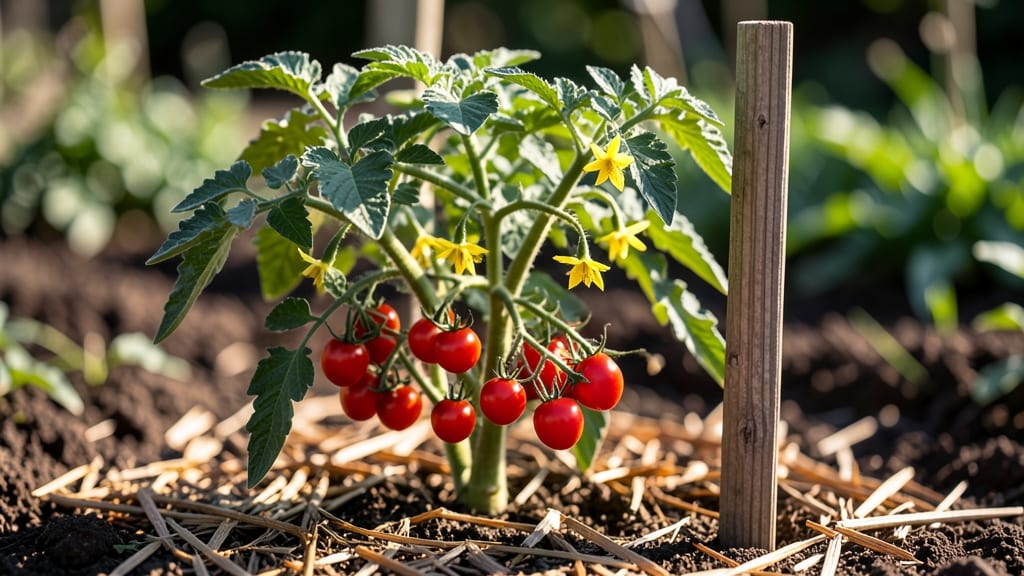
Growing Tiny Tim tomato flowers in the Pacific Northwest means you get cold-hardy cherry tomatoes that thrive where others fail. 🌱 The secret lies in their compact size—just 18 inches tall—and their ability to produce sweet, bite-sized fruit even when nights dip below 50°F. I planted mine last spring, and by midsummer, they were loaded with bright red clusters that neighbors couldn’t believe grew in our chilly climate.
The key to their success? Morning sun and well-draining soil—no fancy amendments needed. Tiny Tims handle partial shade better than most tomatoes, making them perfect for small spaces, containers, or even under fruit trees.
Just give them 12-16 hours of light and space them 18 inches apart, and they’ll reward you with hundreds of tomatoes per plant by late summer.
What makes these flowers special is their vibrant yellow blooms that appear in clusters, followed by fruit that ripens in waves. The flowers themselves are tiny but prolific, ensuring continuous harvests until frost. Prune suckers regularly to keep plants bushy, and watch for hornworms—they adore Tiny Tims too.
Once you master this variety, you’ll never need to buy cherry tomatoes again. The sweet-tart flavor and compact growth make them ideal for snacking, salads, or gifting. Start seeds indoors 6-8 weeks before last frost, and you’ll be harvesting by July—guaranteed to impress even skeptical gardeners.
📚 In This Guide
- What you need
- Instructions
- Tips and common mistakes
- Wrapping up and next steps
What you need
- ● Tiny Tim tomato flower seeds or seedlings: Choose Lycopersicon esculentum ‘Tiny Tim’ (compact, cold-tolerant variety). Start with 3–5 seeds or 1–2 seedlings per pot.
- ● Well-draining potting mix: 5–10 gallons of a lightweight, organic blend (e.g., 60% peat moss, 20% perlite, 20% compost). Avoid heavy clay soil.
- ● Containers or garden bed: For containers: 5–7 gallon pots with drainage holes (fabric grow bags work too!).
- ● For in-ground: A sunny spot with 6+ hours of light and loose, fertile soil (amend with compost if needed).
- ○ Slow-release fertilizer: 1–2 tbsp of 10-10-10 or 5-10-10 granules per pot/plant (optional but recommended for first feeding).
- ● Hand trowel or small shovel (for transplanting seedlings).
- ● Watering can or hose with gentle spray nozzle (avoid overhead watering to prevent disease).
- ● Gloves (to protect hands from thorns and soil).
- ● Pruning shears (for trimming leggy growth or deadheading spent blooms).
- ○ Cold frame or row covers (optional but highly recommended for PNW gardeners—extends the growing season by 2–4 weeks!).
- ○ Stakes or cages (4–6 ft tall) (optional: supports vines but may not be needed for compact varieties).
- ○ pH test kit (optional: ideal soil pH for tomatoes is 6.0–6.8).
- ● Last frost date: Wait until after May 15 (or when soil temps reach 55°F+) to plant outdoors.
- ● Indoor start: Sow seeds 6–8 weeks before last frost (late March) for earlier blooms.
- ● Cold tolerance: Tiny Tim handles brief dips to 30°F but may need protection in harsh winters.
How to grow and care for Tiny Tim tomato flowers
Here's the foolproof approach I use to coax vibrant blooms from these cold-hardy gems.
🌱 Step 1: Select the Perfect Planting Spot
Tiny Tim tomatoes thrive in full sun—at least 6-8 hours daily—but their cold-hardy nature makes them ideal for the Pacific Northwest's cooler climates. Choose a location sheltered from strong winds, as their compact size makes them vulnerable to damage. I always plant mine near a south-facing fence or wall, where they get reflected warmth and protection.
Amend the soil with 2-3 inches of compost before planting to ensure good drainage while retaining moisture. These plants hate soggy roots, so if your soil drains poorly, consider raising them in containers. The key is well-draining soil that stays consistently moist but never waterlogged—think of it as a sponge that holds water but doesn't drip.
☀️ Step 2: Plant and Stake for Support
Set Tiny Tim plants 12-18 inches apart in rows spaced 24 inches apart to allow for air circulation and prevent disease. Their compact size means they don’t need heavy staking, but I still use 4-6 inch tall cages or small stakes to support the weight of their fruit. This prevents the stems from bending under the weight of tomatoes and keeps the plants upright.
Plant them at the same depth they were in their nursery pots—burying too deep can suffocate the stem, while planting too shallow leaves roots exposed. Gently firm the soil around the base and water deeply right after planting to settle the roots. You’ll know you’ve done it right when the soil feels firm but not compacted, like a well-packed snowball.
💧 Step 3: Water and Feed for Continuous Blooms
Water Tiny Tim tomatoes deeply once a week, providing 1 inch of water per week. They’re drought-tolerant once established, but consistent moisture encourages steady blooming. I water in the early morning to reduce evaporation and fungal risks. Avoid wetting the leaves, as this can lead to diseases like early blight—aim for the soil instead.
Feed them every 3-4 weeks with a balanced, water-soluble fertilizer (like 10-10-10) diluted to half-strength. Too much nitrogen will give you lush foliage but few flowers, so focus on a fertilizer with equal parts nitrogen, phosphorus, and potassium. You’ll see the difference in 2-3 weeks—more blooms and fewer leafy stalks.
✂️ Step 4: Prune and Deadhead for Longer Blooms
Prune Tiny Tims lightly to encourage bushier growth and more flowers. Remove any suckers (the small shoots that grow in the leaf axils) when they’re no bigger than a pencil eraser—this redirects energy to fruit production instead of leaf growth. I also pinch off the first few flower clusters if the plant looks leggy, as this forces the plant to grow stronger before blooming.
Deadhead spent blooms regularly to encourage continuous flowering. Simply pinch or snip off the faded flowers at the base of the stem. This might seem counterintuitive, but it tricks the plant into producing more blooms instead of focusing on seed development. You’ll notice new flowers appearing within 5-7 days of deadheading.
🌿 Step 5: Protect and Harvest for Maximum Yield
In cooler climates like the Pacific Northwest, Tiny Tims may need row covers or cloches during early spring or late fall to protect them from frost. Even a light frost can damage their delicate flowers, so be ready to cover them if temperatures drop below 50°F at night. Remove the covers during the day to allow for pollination.
Harvest tomatoes when they’re fully colored and slightly soft to the touch. Tiny Tims produce small, sweet fruits that ripen quickly—often within 50-60 days of planting. Pick them regularly to encourage more blooming. Store them at room temperature until fully ripe, as they won’t soften further once picked. You’ll know they’re ready when they’re deep red and yield slightly to gentle pressure.
Tips & tricks for growing Tiny Tim tomato flowers
Here's what I've learned after years of growing these resilient little plants—small details that make all the difference.
Sunlight Strategy: While Tiny Tims tolerate partial shade, those 6-8 hours of full sun are non-negotiable for maximum blooms. I've found that positioning them near reflective surfaces like white walls or light-colored fences can add 2-3 extra hours of effective sunlight without extra sunlight exposure. Think of it as giving your plants a natural boost—like wearing a sun-reflecting jacket.
Soil Science: The 2-3 inches of compost recommendation is perfect, but here's the secret: mix in a handful of perlite or coarse sand to improve drainage further. I've seen soggy soil turn these plants into wilted messes, so if your garden retains too much moisture, consider raised beds or containers. The goal is soil that crumbles easily when squeezed—not sticky or compacted.
Fertilizer Timing: That 3-4 week feeding schedule with balanced fertilizer works wonders, but here's my pro move: alternate between your regular feed and a low-phosphorus fertilizer (like 5-5-5) every other feeding. This prevents phosphorus buildup, which can actually reduce flowering over time. You'll notice the difference in 2-3 weeks—healthier plants with more consistent blooms.
Pruning Precision: When removing those pencil-eraser-sized suckers, use clean pruners or your fingers to avoid tearing the stem. I've learned to make the cut at a 45-degree angle just above a leaf node—this prevents water from pooling and causing rot. Also, don't be afraid to remove up to 1/3 of the plant's foliage if it looks overgrown; this forces energy into fruit production rather than leaf growth.
Pro Tips for Tiny Tim Tomato Flower
- Here's what I've learned after years of growing these resilient little plants—small details that make all the difference.
- Sunlight Strategy: While Tiny Tims tolerate partial shade, those 6-8 hours of full sun are non-negotiable for maximum blooms.
- Soil Science: The 2-3 inches of compost recommendation is perfect, but here's the secret: mix in a handful of perlite or coarse sand to improve drainage further.
Frequently asked questions
Got questions about the Tiny Tim tomato flower? You’re not alone!
This cold-hardy beauty is a favorite in the Pacific Northwest, but gardeners often wonder about care, timing, and more. Here are answers to the most common queries to help you grow thriving blooms (and delicious tomatoes!) with ease.
When is the best time to plant Tiny Tim tomato seeds or seedlings?
For the Pacific Northwest’s cooler climate, start seeds indoors 6–8 weeks before your last frost date (typically late March to early April). Transplant seedlings after soil temps hit 50°F+ and nighttime frosts have passed—usually late May to early June. If using seedlings, opt for cold-hardy starts from local nurseries to boost survival rates!
How cold can Tiny Tim tomatoes handle?
This variety is one of the most cold-tolerant tomatoes, surviving light frosts down to 28–32°F! However, consistent temps below 50°F can stunt growth. Use row covers or plant in microclimates (like south-facing walls) for extra protection. Young plants may need a black plastic mulch to warm the soil early in the season.
Why aren’t my Tiny Tim tomato flowers producing fruit?
Several factors can cause blossom drop or poor fruiting. Check for:
- Temperature stress: Tiny Tim thrives in 60–85°F; extreme heat (<90°F+) or cold (<55°F) can halt pollination.
- Lack of sunlight: Ensure 6+ hours of direct sun daily—shady spots lead to weak flowers.
- Nutrient deficiencies: Feed with a balanced fertilizer (10-10-10) at planting and mid-season.
- Pollination issues: Gently shake plants or hand-pollinate with a paintbrush if bees are scarce.
If the problem persists, prune suckers aggressively to redirect energy to fruiting.
Can I grow Tiny Tim tomatoes in containers? If so, what size pot do I need?
Tiny Tim’s compact size (18–24" tall) makes it perfect for containers. Use a 5-gallon pot minimum (bigger = better for stability and yield). Ensure pots have:
- Drainage holes to prevent root rot.
- Lightweight potting mix (avoid garden soil—it compacts).
- Support stakes or cages (even small ones!) to prevent sprawling.
Place containers in sunny spots and water daily during heatwaves to keep soil moist.
What are some cold-hardy alternatives to Tiny Tim tomatoes?
If you love Tiny Tim’s resilience but want variety, try these PNW-friendly tomato picks:
Variety
Cold Tolerance
Key Traits
Stupice
Survives 23°F!
Cherry tomatoes; disease-resistant, prolific.
Mountain Merit
Handles 28°F; early producer.
Medium-sized, heat-tolerant, great for sauces.
Siberian
Thrives in cooler climates (50–75°F ideal).
Sweet, disease-resistant; good for containers.
For ornamental blooms, pair with calendula or nasturtiums—both tolerate cold and deter pests!
Wrapping up and next steps
The Tiny Tim tomato flower isn’t just a pretty face—it’s a resilient powerhouse for Pacific Northwest gardeners! With its cold-hardy charm, compact size, and stunning blooms, it proves that even small spaces can yield big rewards.
Whether you’re a seasoned gardener or just starting, this variety is your ticket to effortless beauty and delicious harvests.
Ready to grow your own Tiny Tim wonderland? Start by grabbing seeds or seedlings, prepping your soil, and giving these little plants the love they deserve. Happy planting—your garden (and taste buds) will thank you! 🌱✨