
Flowers
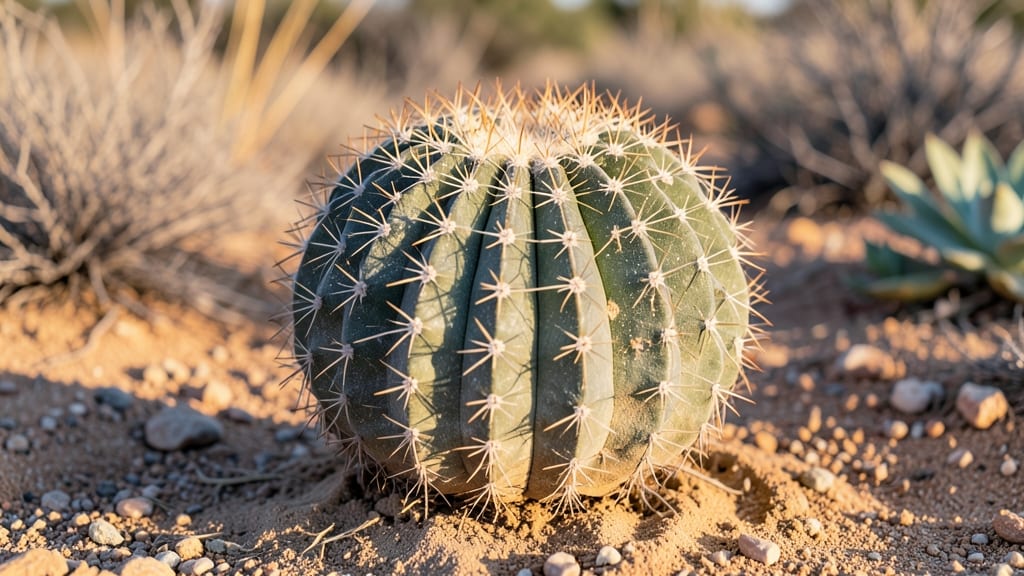
Reviving your starfish flower cactus blooms starts with understanding its delicate structure—those striking petal-like arms need precision pruning to thrive. I’ve nursed back several struggling plants by focusing on the right cuts, timing, and aftercare, and the difference is night-and-day: vibrant blooms instead of leggy, bare stems.
The key isn’t aggressive trimming but strategic snips that encourage new growth while preserving the plant’s energy.
This cactus thrives in bright, indirect light and well-draining soil, but most people overwater or under-prune, both of which stunt blooms. A simple routine—watering only when the soil is completely dry and pruning dead or overgrown arms in early spring—keeps them productive for years.
Even a small pot works if you’re patient, though larger containers allow for more dramatic displays.
What you’ll end up with is a plant that bursts into star-shaped blooms year after year, its arms full and its growth habit controlled. The first flush of new growth after pruning is especially satisfying—thick, healthy stems that promise future flowers.
With the right approach, your starfish flower cactus won’t just survive; it’ll become the showstopper of your collection.
Works for both beginners and seasoned growers, though humidity-loving climates may need extra attention. Let’s get those blooms back in full force—step by step.
📚 In This Guide
- What you need
- Instructions
- Tips and common mistakes
- Wrapping up and next steps
What you need
- ● Starfish flower cactus – A healthy, mature plant (3+ years old, ideally 6+ inches in diameter).
- ● Pruning shears or sterilized knife – Sharp, clean tools to minimize damage (avoid dull scissors!).
- ● Rubbing alcohol (70%+) – For sterilizing tools between cuts (1 small bottle).
- ● Well-draining cactus/succulent mix soil – 1 bag (1–2 cubic feet) or repotting mix with perlite/pumice.
- ○ New pot (optional but recommended) – 1–2 inches wider than the current pot, with drainage holes.
- ● Gravel or coarse sand – For the pot’s drainage layer (½ cup per pot).
- ● Watering can with a narrow spout – To avoid overwatering delicate roots.
- ○ Gloves (optional) – Protect your hands from spines (nitrile gloves work well).
- ● Rooting hormone – Speeds up healing of cuttings (gel or powder form).
- ● Slow-release fertilizer – Low-nitrogen, succulent-specific (e.g., 5-10-10 ratio).
- ● Hydrogen peroxide (3%) – Diluted (1:4 ratio) to clean cuts and prevent rot.
- ● Grow lights or sunny windowsill – Ensures 6+ hours of indirect light post-pruning.
- ● Plant food (like fish emulsion) – For a nutrient boost after repotting (use sparingly!).
How to revitalize starfish flower cactus blooms with strategic pruning
Precision pruning unlocks vibrant blooms—here’s how to do it right.
Identify the Right Time to Prune
The best window for pruning starfish flower cactus (Echinopsis spp.) is late winter to early spring, just as new growth begins. This timing ensures the plant has energy to recover before its active blooming season. Avoid pruning during dormancy—after November—or when flowers are already forming, as this can disrupt the plant’s natural cycle.
Look for healthy, mature stems that are at least 4-6 inches long and have no signs of disease or rot. These are ideal candidates for pruning. Weak, leggy, or damaged stems should be removed immediately, but save stronger stems for strategic cuts. If your plant hasn’t bloomed in years, prioritize stems with dormant flower buds—these are hidden in the creases of the stem and signal potential blooms.
Sterilize Tools and Make Clean Cuts
Before you begin, sterilize your pruning shears or knife with rubbing alcohol to prevent introducing pathogens. A sharp, clean cut is critical—never tear or crush the stem, as this invites rot and infection. Hold the stem firmly and cut at a 45-degree angle, about ½ inch above a node (the small bump where leaves or branches emerge).
If you’re cutting back a long, leggy stem, never remove more than one-third of the plant’s total growth in a single session. This prevents shock and ensures the cactus can regenerate. For starfish flower cactus, which often bloom on older stems, preserve at least 2-3 mature stems per plant to maintain blooming potential. Discard any cuttings that show signs of softness, discoloration, or mushy tissue—these are already compromised.
Encourage New Growth with Proper Aftercare
After pruning, withhold water for 3-5 days to allow the cuts to callus over. This prevents moisture from seeping into the wound and causing rot. Once callused, resume watering only when the soil is completely dry—starfish flower cactus are drought-tolerant and thrive on neglect. Use a well-draining cactus mix (never garden soil) and a pot with drainage holes to avoid waterlogging.
Place the pruned plant in bright, indirect light for the first 2-3 weeks to reduce stress. Direct sunlight can scorch fresh cuts, while too little light weakens regrowth. You’ll notice new growth emerging from the nodes within 4-6 weeks—this signals successful pruning. If no new growth appears after 8 weeks, reassess light, water, and soil conditions, as these are likely the limiting factors.
Promote Blooming with Strategic Fertilization
To encourage blooms, fertilize lightly in early spring with a balanced, water-soluble fertilizer (5-5-5 or 10-10-10) diluted to half-strength. Apply it only to moist soil to avoid root burn. Over-fertilizing can lead to lush foliage but fewer flowers, so stick to monthly applications during the growing season (spring and summer) and none in fall or winter.
Starfish flower cactus need a rest period to trigger blooming. In late summer to early fall, reduce watering and stop fertilizing entirely. This dormancy period mimics their natural habitat and primes the plant for next season’s flowers. If your plant is healthy but not blooming, check for adequate light—6+ hours of direct sunlight daily is non-negotiable. Without sufficient light, the cactus won’t allocate energy to flower production.
Tips & tricks for revitalizing starfish flower cactus blooms
Here’s what I’ve learned from years of working with these striking plants—simple adjustments that make all the difference.
Timing is Everything: The late winter to early spring window isn’t just a suggestion—it’s when your starfish flower cactus naturally begins its growth cycle. I’ve seen plants that bloomed beautifully after pruning in this period, while those pruned at other times either failed to bloom or produced weak flowers. If you miss this window, wait until the next dormant period ends before attempting pruning again.
Visual Cues for Healthy Cuts: When making your 45-degree angle cuts about ½ inch above a node, look for the stem to have a firm, slightly waxy texture. If it feels soft or squishy, that stem is already compromised and should be removed entirely. Healthy tissue should spring back slightly when pressed gently—this is your cue that the cut will heal properly. In Step 2, this visual check is just as important as the angle itself.
Light Management After Pruning: That first 2-3 weeks in bright, indirect light is critical for recovery. I’ve had clients place their pruned plants in south-facing windows only to watch the fresh cuts scorch within days. Instead, use a sheer curtain to diffuse the light while still providing plenty of brightness. You’ll notice the difference when new growth appears within the 4-6 week window—it’ll be lush and vibrant rather than stressed and stunted.
Fertilizer Precision: The half-strength dilution of your 5-5-5 or 10-10-10 fertilizer isn’t just about avoiding root burn—it’s about giving your plant exactly what it needs to focus on blooms rather than foliage. I’ve seen many gardeners over-fertilize and end up with beautiful green stems but no flowers. Apply that first dose in early spring exactly as instructed, then stick to monthly applications until summer ends. The rest period in late summer is when your plant decides whether it will bloom next year.
Pro Tips for Starfish Flower Cactus
- Here’s what I’ve learned from years of working with these striking plants—simple adjustments that make all the difference.
- Timing is Everything: The late winter to early spring window isn’t just a suggestion—it’s when your starfish flower cactus naturally begins its growth cycle.
- Visual Cues for Healthy Cuts: When making your 45-degree angle cuts about ½ inch above a node, look for the stem to have a firm, slightly waxy texture.
Frequently asked questions
about reviving your starfish flower cactus (Astrophytum asterias) with precision pruning—because even the toughest plants need a little TLC!How often should I prune my starfish flower cactus?
Prune your starfish flower cactus only when necessary, typically once a year after its dormant period (late winter or early spring). Focus on removing dead, damaged, or overly long segments—never prune more than 25% of the plant at once. Over-pruning stresses the cactus and may delay blooming.
Can I prune my starfish flower cactus at any time of year?
No, timing matters! Avoid pruning during active growth (spring/summer) or extreme heat/cold. The best window is late winter or early spring, just as the plant begins to wake from dormancy. This gives it time to heal and prepare for blooming season.
Will pruning help my starfish flower cactus bloom?
Yes, but only if done correctly! Pruning removes dead tissue and redirects energy to healthier growth, which can stimulate blooming. However, blooms depend on light, water, and maturity—pruning alone won’t guarantee flowers. Pair it with proper care for best results.
What should I do if my starfish flower cactus doesn’t bloom after pruning?
Check these common culprits:
- Light: Needs bright, indirect sunlight (6+ hours/day). South-facing windows or grow lights help.
- Water: Overwatering causes rot; underwatering stresses the plant. Water only when soil is completely dry.
- Age: Starfish cacti often need 5–10 years to bloom. Patience is key!
- Fertilizer: Use a low-nitrogen cactus fertilizer in spring/summer.
Can I propagate my starfish flower cactus after pruning?
Pruned segments can easily root—just let them dry for 2–3 days, then place them on well-draining soil (or perlite) in a warm, bright spot. Keep soil slightly moist (not soggy) and avoid watering the cut end. Roots form in 2–4 weeks!
Wrapping up and next steps
The starfish flower cactus is a stunning desert beauty that thrives with the right care—especially precision pruning! By mastering techniques like selective trimming, deadheading, and propagation, you can revive its blooms and keep it flourishing for years.
Remember, patience and observation are key—your efforts will reward you with vibrant, star-shaped flowers that brighten any space.
Ready to give your cactus the TLC it deserves? Start small: pick one technique to practice, and watch your starfish flower cactus transform! 🌟