
Flowers
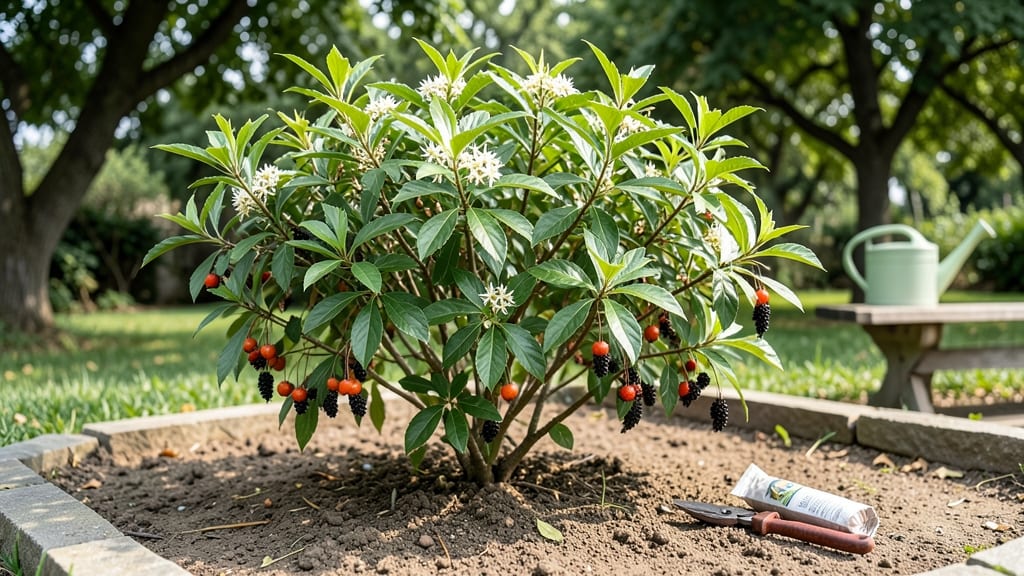
Growing Sichuan peppercorn flowers (Zanthoxylum schinifolium) brings a double thrill: their fragrant white blooms and the fiery kick of their fruit. 🌿 I first fell for this plant when its delicate flowers perfumed my garden, only to discover the tiny red berries pack a citrusy heat—like a spicy hug for your senses.
The secret to success lies in mimicking its native Asian woodland edges, where it thrives with partial shade and rich, well-draining soil.
This plant isn’t fussy but does demand a few key conditions: 6-8 hours of morning sun, soil that stays slightly moist but never soggy, and protection from harsh afternoon rays. In cooler climates (zones 6-9), it grows as a shrub; warmer zones may see it as a small tree.
The real magic happens in late spring when those fragrant blossoms appear, followed by the signature peppery berries that take a full year to mature.
You’ll love how this plant doubles as both ornament and spice—imagine fresh Sichuan peppercorns straight from your garden. The glossy leaves add texture year-round, and the fragrant flowers attract pollinators. Just be patient: full flavor develops over three years, but the journey is worth every tingling bite of harvest.
Perfect for gardeners who want edible landscaping with a spicy twist. Let’s get your plants growing strong from the start—no heatwave required!
📚 In This Guide
- What you need
- Instructions
- Tips and common mistakes
- Wrapping up and next steps
What you need
- ● Sichuan peppercorn seeds or cuttings: 3–5 (ensure they’re fresh or certified organic for best results).
- ● Well-draining potting mix: 2–3 gallons (look for a blend with perlite or sand for aeration).
- ● Containers or garden bed: Option 1: 5–7-inch pots (for indoor/container growing).
- ● Option 2: Sunny garden bed with 6+ hours of light (outdoor planting).
- ● Slow-release fertilizer: 1–2 tablespoons (balanced 10-10-10 NPK ratio).
- ● Spray bottle: For gentle watering (avoids disturbing soil).
- ● Pruning shears: Small, sharp pair for trimming (sterilize with rubbing alcohol!).
- ○ pH testing kit (optional): Ideal soil pH: 6.0–7.0 (Sichuan peppercorn loves slightly acidic to neutral soil).
- ○ Mulch (optional): 1–2 inches of straw or bark to retain moisture.
- ○ Grow lights (optional): LED full-spectrum bulb if natural light is <4 hours/day.
Step-by-step instructions for cultivating Sichuan peppercorn flowers
Here's how to coax these fragrant, heat-laden beauties into your garden or containers.
🌱 Step 1: Select the Perfect Location and Prepare Soil
Sichuan peppercorn flowers thrive in full sun to partial shade, needing at least 6 hours of direct sunlight daily. I always choose a spot with morning sun and afternoon shade to prevent leaf scorch—especially in hotter climates. The soil should be well-draining but moisture-retentive, with a slightly acidic to neutral pH (6.0-7.0). Amend heavy clay with 2-3 inches of compost to improve aeration and fertility.
Here's the thing—these plants hate soggy roots. If your garden soil drains poorly, raise the plant in a mound or use containers with drainage holes. I've seen them struggle in waterlogged soil, so I always test drainage by digging a hole, filling it with water, and watching how quickly it drains. If it takes more than 30 minutes, you need to improve drainage.
☀️ Step 2: Plant Seeds or Transplants at the Right Time
Start seeds indoors 8-10 weeks before your last frost date in 70-75°F conditions. I use small seedling trays filled with a light, sterile seed-starting mix. Press seeds just below the soil surface—no deeper than ¼ inch. Cover with a humidity dome or plastic wrap to retain moisture, and keep the soil consistently damp (not wet) until germination, which typically takes 14-21 days.
For transplants, wait until after the last frost when soil temperatures are consistently above 55°F. Plant seedlings 12-18 inches apart in rows spaced 2-3 feet apart to allow for air circulation. This spacing prevents fungal diseases, which can be a problem in humid climates. Water deeply after planting to settle the soil around the roots, but avoid overwatering—you'll see new growth within a week if conditions are right.
💧 Step 3: Water and Fertilize for Optimal Growth
Water Sichuan peppercorn flowers 1-1.5 inches per week, either from rainfall or irrigation. They're drought-tolerant once established, but young plants need consistent moisture. I always water at the base of the plant in the morning to reduce evaporation and fungal risks. Let the top 1-2 inches of soil dry out between waterings—this prevents root rot while keeping the plant hydrated.
Feed plants with a balanced, 10-10-10 fertilizer every 4-6 weeks during the growing season. I switch to a low-phosphorus fertilizer (like 5-1-1) when flowers appear to encourage more blooms. Avoid high-nitrogen fertilizers—they promote leafy growth at the expense of flowers. You'll notice stronger stems and more abundant blooms when fertilization is balanced.
✂️ Step 4: Prune and Support for Healthy Blooms
Prune back leggy growth in early spring to encourage bushier plants. I always cut just above a leaf node or bud to stimulate new growth. Deadhead spent flowers regularly to redirect the plant's energy into producing more blooms. This keeps the plant looking tidy and encourages continuous flowering throughout the season.
Provide support for taller varieties with stakes or cages, especially in windy areas. I tie stems loosely to stakes with soft plant ties to avoid damaging the bark. The goal is to keep the plant upright and accessible for harvesting. You'll see fewer broken stems and better air circulation when plants are properly supported.
🌿 Step 5: Harvest and Preserve the Peppery Fruit
Harvest the distinctive red berries when they turn bright red and slightly wrinkled, usually in late summer or early fall. I wear gloves—these berries can stain and have a mild tingling sensation when crushed. Harvest in the morning after the dew has dried to preserve quality. You can use them fresh, dried, or pickled, but drying intensifies their signature heat.
To dry, spread berries in a single layer on a screen or tray in a well-ventilated, dry area away from direct sunlight. Stir occasionally to ensure even drying, which takes about 1-2 weeks. Store dried berries in an airtight container in a cool, dark place. Properly dried berries will keep their heat and flavor for up to a year—real talk, this is where the magic happens for cooking.
Tips & tricks for growing Sichuan peppercorn flowers
Took me years to figure out these little tricks—now I get lush plants with those signature tingling berries every time.
Location and Soil Secret: The 6 hours of sunlight requirement is non-negotiable, but here's what nobody tells you—these plants actually prefer morning sun and afternoon shade in hot climates. I've seen them wilt when baked all day. Also, that 30-minute drainage test is gold: if water pools longer, raise the plant in a mound or use containers with drainage holes. I've lost plants to soggy roots before I learned this.
Seed Starting Insight: When starting seeds at 70-75°F, I use a heat mat for consistent warmth—seedlings germinate faster and stronger. And that ¼-inch depth rule? I press seeds just below the surface but don't pack them down. They need light to germinate, but too shallow and they dry out. The humidity dome keeps them happy until those first leaves appear.
Fertilizer Timing: The switch to low-phosphorus fertilizer when flowers appear is crucial—I've seen plants with all leaves and no berries when I skipped this. I actually use a 5-1-1 mix and cut the amount in half when blooms show up. Too much phosphorus and you'll get more foliage than fruit. The 4-6 week schedule keeps them happy without burning the roots.
Harvesting Hack: Those red berries? Harvest them when they're fully wrinkled but still firm. I wear latex gloves—they stain like crazy and that tingling sensation can be intense if you crush them. For drying, I spread them on a wire rack in my garage (not direct sunlight) and stir twice daily. The 1-2 week drying time gives me perfect berries every time.
Pro Tips for Sichuan Peppercorn Flower
- Took me years to figure out these little tricks—now I get lush plants with those signature tingling berries every time.
- Location and Soil Secret: The 6 hours of sunlight requirement is non-negotiable, but here's what nobody tells you—these plants actually prefer morning sun and afternoon shade in hot climates.
- Seed Starting Insight: When starting seeds at 70-75°F, I use a heat mat for consistent warmth—seedlings germinate faster and stronger.
Frequently asked questions
Got questions about growing Sichuan peppercorn flowers? You’re not alone! Here are some of the most common queries—plus straightforward answers to help you cultivate this fiery, fragrant beauty with confidence.
When is the best time to plant Sichuan peppercorn flowers?
The ideal time to plant is late spring or early summer after the last frost, when soil temperatures reach at least 60°F (15°C). If starting from seeds, sow indoors 8–10 weeks before the last frost for a head start. These plants thrive in warmth—they’re sensitive to cold, so avoid planting too early!
How much sunlight do Sichuan peppercorn flowers need?
These plants are sun-worshippers! Aim for 6–8 hours of direct sunlight daily. In hot climates, partial afternoon shade can prevent stress, but they’ll reward you with more flowers and spice if you give them plenty of light. A south-facing window or greenhouse spot works well indoors.
Why aren’t my Sichuan peppercorn flowers producing spicy berries?
There are a few likely culprits:
- Insufficient sunlight: Move the plant to a sunnier spot.
- Lack of patience: It can take 2–3 years for mature plants to produce berries.
- Poor pollination: Hand-pollinate with a soft brush if no bees visit.
- Over-fertilizing: Too much nitrogen = leafy growth, fewer fruits.
Can I grow Sichuan peppercorn flowers in containers?
They adapt well to large pots (at least 12–18 inches wide) with drainage holes. Use a well-draining potting mix (like cactus/succulent blend) and repot every 2–3 years. Just ensure the container gets enough sunlight—balconies, patios, or greenhouses work great!
What can I do if my Sichuan peppercorn plant gets pests?
Common pests include aphids, spider mites, and whiteflies. Try these fixes:
- Neem oil spray (natural, effective for soft-bodied pests).
- Hose off pests with water for a quick fix.
- Encourage beneficial insects like ladybugs.
- Isolate the plant if infestation spreads.
Are there milder alternatives to Sichuan peppercorn flowers?
If the tingling heat is too intense, try these milder but related options:
- Black pepper (mild heat, easy to grow).
- Japanese pepper (Sichuan pepper’s cousin)—less spicy but still aromatic.
- Lemon pepper (Schinus molle)—citrusy and decorative.
- Herbs like basil or oregano for subtle warmth in cooking.
Wrapping up and next steps
Growing Sichuan peppercorn flowers is a rewarding journey that blends fragrant beauty with a subtle, tingling kick—perfect for gardeners who love unique plants! Whether you’re drawn to their Zanthoxylum charm or the culinary potential of their fruit, this hardy plant thrives with patience and the right care.
Now that you’re armed with tips on soil, light, and troubleshooting, why not take the next step? Start with a single cutting or seed, and let your garden bloom with both flavor and flair! 🌱✨
Pro Tip: Share your progress with fellow plant enthusiasts—inspiration spreads faster when we grow together! 💬🌿