Flowers
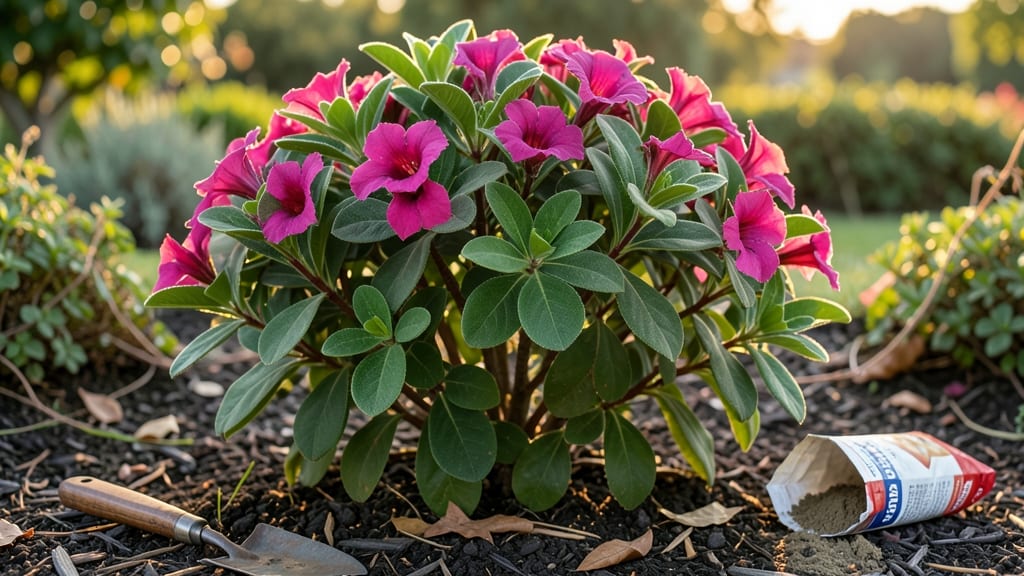
Growing Princess Flower (Tibouchina urvilleana) means bringing bold purple spikes to your garden that refuse to act like a tropical diva—this plant thrives even when temperatures dip below freezing. 🌿 I’ve watched mine bounce back from winter’s chill with leaves that stay glossy and flowers that return year after year, proving it’s tougher than it looks.
The secret lies in its adaptability: it handles partial shade better than many tropicals, tolerates a range of soils as long as they drain well, and even survives light frosts if protected.
Unlike finicky tropicals, Princess Flower doesn’t demand constant pampering—just a sunny spot, occasional pruning to shape its growth, and water only when the top inch of soil feels dry. My plants have rewarded this low-maintenance care with vibrant blooms from late spring through fall.
What you’ll love most is how it transforms your garden into a purple paradise without the fuss. The velvety foliage and dramatic flower clusters make it a standout in borders, containers, or as a focal point near patios.
Plus, it attracts pollinators like bees and butterflies, turning your yard into a buzzing, beautiful ecosystem. Once established, it’s nearly indestructible—ideal for gardeners who want drama without the drama.
Whether you’re in a cold climate like mine or a warmer zone, this guide will help you coax the best from your Princess Flower. We’ll cover everything from planting spots to winter prep, so you can enjoy its show-stopping blooms season after season without stress.
📚 In This Guide
- What you need
- Instructions
- Tips and common mistakes
- Wrapping up and next steps
What you need
- ● Princess Flower Plant: 1 healthy nursery-grown Tibouchina urvilleana (potted, 1–3 gallons in size). Look for vibrant purple blooms and sturdy stems.
- ● Well-Draining Soil: 3–5 cubic yards of a mix of garden soil, peat moss, and perlite (ratio: 2:1:1). For containers, use a lightweight potting mix with added sand or gravel.
- ● Sunlight Spot: A location with full sun (6+ hours/day) or partial shade (4–6 hours) in hotter climates. Avoid deep shade.
- ● Watering Can or Hose: A spray nozzle attachment for gentle watering (1–2 gallons per watering, depending on pot size).
- ● Fertilizer: Balanced Fertilizer: 10–10–10 or 20–20–20 (granular or liquid), applied every 4–6 weeks during growing season (spring–fall).
- ● Slow-Release Option: Organic compost or osmocote (mixed into soil at planting).
- ● Garden Gloves: A pair of nitrile-coated gloves to protect hands from thorns (if pruning).
- ● Pruning Shears: Bypass pruners (sharp, clean) for trimming dead blooms or shaping.
- ● Mulch: 2–3 inches of pine bark or wood chips to retain moisture and regulate soil temperature.
- ○ Container (Optional): A 15–20 gallon pot with drainage holes if growing in containers. Choose terracotta or fiberglass for heat retention.
- ● Cold Protection (Zones 7–9): Burlap wrap or frost cloth for light freezes (<32°F).
- ● String lights or heat lamp for extra warmth in containers.
- ● 🌡️ Test Soil pH: Aim for 5.5–6.5 (slightly acidic). Adjust with lime (to raise) or sulfur (to lower) if needed.
- ● ✨ Hardiness Hack: In colder zones, plant near south-facing walls or under deciduous trees for winter sun protection.
How to grow and care for Princess Flower Tibouchina urvilleana
Here's the straightforward method I've used to keep these stunning purple bloomers thriving in cooler climates.
🌱 Step 1: Choose the Right Planting Location
Princess flowers love full sun to partial shade—at least 6 hours of direct sunlight daily. I always pick a spot with morning sun and afternoon shade in hotter climates to prevent leaf scorch. The plant handles light frost down to 20°F, but younger plants need protection until established.
Here's the thing—these plants grow 6-10 feet tall and wide, so give them plenty of room. I plant mine 8-10 feet apart in the ground or use large containers for patio growing. The roots spread aggressively, so avoid planting near sidewalks or foundations where they might crack surfaces.
🪴 Step 2: Prepare Soil and Plant Properly
Princess flowers thrive in well-draining soil. I mix 2 parts garden soil with 1 part compost and a handful of perlite to improve drainage. These plants hate soggy roots, so if your soil stays wet, consider planting in raised beds or containers with drainage holes.
Dig a hole twice as wide as the root ball but only as deep. Place the plant so the top of the root ball sits 1 inch above soil level—this prevents water from pooling around the stem. Backfill with your prepared mix, then water deeply to settle the soil and eliminate air pockets.
☀️ Step 3: Water and Fertilize for Vibrant Growth
Water deeply once a week during the first growing season, allowing the top 2-3 inches of soil to dry out between waterings. Once established, these plants are surprisingly drought-tolerant. I check by sticking my finger 2 inches into the soil—if it feels dry, it's time to water.
Feed with a balanced 10-10-10 fertilizer in early spring and again after flowering. I use about 1 tablespoon per plant mixed into the soil around the base. Avoid high-nitrogen fertilizers—they promote leafy growth at the expense of those stunning purple blooms.
✂️ Step 4: Prune for Shape and Encourage Blooms
Prune in late winter or early spring before new growth begins. I remove 1/3 of the oldest stems at the base to encourage fresh growth and more abundant flowering. This also keeps the plant from getting too leggy and open.
After flowering, trim back any dead or damaged branches. You can also lightly shape the plant by cutting back some of the longer stems to maintain a full, rounded shape. Here's the trick—I always use clean, sharp pruners and make cuts just above a leaf node to encourage new growth.
⏰ Step 5: Protect in Winter and Enjoy Year-Round
While mature Princess flowers handle light frost, younger plants need winter protection. I wrap the base with burlap and mound 3-4 inches of mulch around the plant to insulate the roots. This helps them survive temperatures down to 15°F.
These plants reward patience with summer through fall blooms. The more you prune and care for them, the bigger and more dramatic their purple flower spikes become. Real talk—once established, they're nearly maintenance-free and will bring that tropical look to your garden even in cooler climates.
Tips & tricks for perfect Princess Flower Tibouchina urvilleana growth
Between us, these tropical beauties are surprisingly resilient once you get the basics right. Here's what I've learned after watching mine thrive through multiple winters.
Light Balance: That 6 hours of daily sunlight is non-negotiable, but timing matters just as much. I've found the sweet spot is morning sun (6am-12pm) with afternoon shade—this prevents leaf burn while still giving them enough energy for those dramatic purple blooms. In hotter climates, I even drape lightweight shade cloth over the plants during peak afternoon sun (2pm-5pm) to protect the delicate foliage.
Soil Secret: The 2:1 garden soil to compost ratio works wonders, but here's the thing about perlite—don't skimp! I use about 1 cup per planting hole to ensure proper drainage. For heavy clay soils, I add an extra handful of coarse sand to the mix. The key is preventing waterlogging, which is what kills these plants faster than anything else.
Pruning Precision: When you're removing that 1/3 of oldest stems in Step 4, look for stems that are woody and no longer producing blooms. Cut just above a leaf node where you see a small bump—this is where new growth will emerge. I've ruined a few plants by cutting too close to the base, so always leave that little bump to encourage regrowth. The result? More abundant blooms the following season.
Winter Survival Strategy: That 3-4 inches of mulch makes all the difference when temperatures dip below 20°F. I've seen plants survive down to 15°F with this protection, but here's my extra trick: wrap the entire plant (not just the base) with frost cloth during the coldest nights. It's like giving your plant a cozy blanket—you'll notice the leaves stay vibrant and healthy through winter rather than turning brown.
Pro Tips for Princess Flower Tibouchina Urvilleana
- Between us, these tropical beauties are surprisingly resilient once you get the basics right. Here's what I've learne...
- Light Balance: That 6 hours of daily sunlight is non-negotiable, but timing matters just as much. I've found the swee...
- Soil Secret: The 2:1 garden soil to compost ratio works wonders, but here's the thing about perlite—don't skimp! I us...
Frequently asked questions
Got questions about growing and caring for Princess Flower (Tibouchina urvilleana)? You’re not alone! Here are some of the most common queries—and their easy answers—to help you cultivate these stunning purple blooms with confidence.
Can Princess Flower survive cold winters?
Yes! While native to Brazil, Tibouchina urvilleana is surprisingly cold-hardy, thriving in USDA Zones 9–11. In colder climates (Zones 8 and below), grow it as a potted plant and bring it indoors before frost hits. Mulch the soil in winter to protect roots—just avoid heavy frost exposure.
How fast does Princess Flower grow?
Princess Flower grows at a moderate pace, typically adding 12–24 inches per year under ideal conditions. With proper sunlight (full sun to partial shade) and well-draining soil, you’ll see vibrant blooms in 2–3 years from a young plant. Prune lightly after flowering to encourage bushier growth!
Why aren’t my Princess Flowers blooming?
Lack of blooms often stems from over-fertilizing with high-nitrogen feeds (which promotes foliage over flowers) or insufficient sunlight. Ensure your plant gets at least 4–6 hours of direct sun daily and use a balanced 10-10-10 fertilizer in early spring. Deadhead spent blooms to encourage new flowers!
Can I grow Princess Flower in containers?
Princess Flower thrives in large containers (15+ gallons) with drainage holes. Use a well-draining potting mix (like a 50/50 blend of potting soil and perlite) and repot every 2–3 years. Place containers in bright, indirect light (e.g., a sunny patio) and water when the top inch of soil feels dry.
What pests commonly attack Princess Flower?
Watch for aphids, spider mites, and scale insects, which love the plant’s lush leaves. Treat infestations early with neem oil or insecticidal soap. Ensure good airflow (prune crowded branches) and avoid overwatering to deter pests. Ladybugs are natural allies—invite them to your garden!
Wrapping up and next steps
The Princess Flower Tibouchina urvilleana is a stunning, low-maintenance beauty that brings bold color and tropical charm to gardens—even in cooler climates! 🌸 With its vibrant purple spikes, drought tolerance, and resilience, it’s the perfect addition for gardeners who crave drama without the fuss.
Whether you’re a seasoned plant parent or a beginner, this flower proves that growing a showstopper can be effortless.
Ready to transform your space? Start by grabbing a cutting or seedling, choosing the right spot, and giving it the love it deserves. Your garden’s next masterpiece is just a few steps away! 🌿