
Container Gardens
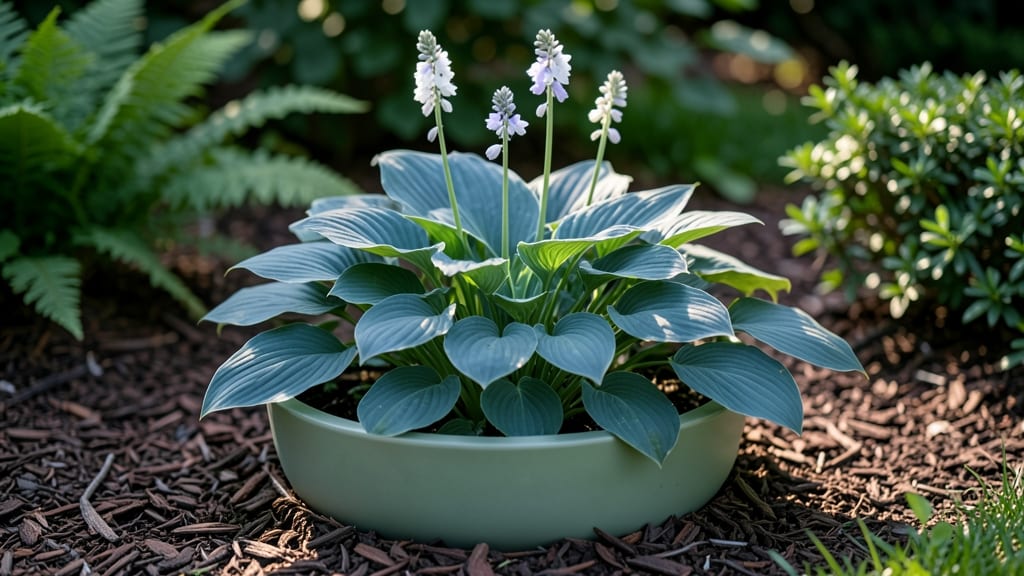
Finding potted flowers that thrive in shade can turn a gloomy corner into a lush, vibrant display. 🌿 I’ve struggled with leggy, sad-looking plants in low-light spots—until I discovered shade-loving varieties that bloom like they’re basking in full sun.
The secret lies in choosing the right plants, containers, and care routine.
Start with shade-tolerant stars like impatiens, ferns, or begonias—they handle dappled light beautifully. Use containers with drainage holes and a well-draining potting mix rich in organic matter. Water consistently but avoid soggy soil, and place pots where they get at least 4-6 hours of indirect light daily.
Even indoor spots near north-facing windows work if you supplement with a grow light.
With the right setup, you’ll see fuller foliage, more blooms, and plants that stay compact instead of stretching. My shaded patio now bursts with color, and the plants stay healthy all season. The key is matching your plants to their light conditions—no more struggling with weak, wilted stems.
Whether you’re dealing with a shady balcony, a dark entryway, or an indoor nook, these tips will help you create a thriving container garden. Let’s get those pots blooming!
📚 In This Guide
- What you need
- Instructions
- Tips and common mistakes
- Wrapping up and next steps
What you need
- ● Containers: 1–3 pots (10–14 inches in diameter) with drainage holes. Choose from terracotta, ceramic, or plastic.
- ● Potting soil: 1–2 bags (10–15 quarts) of high-quality, well-draining peat-based or coco coir mix (avoid garden soil).
- ● Shade-tolerant flowers: 3–6 plants (e.g., Impatiens, Coleus, or Begonias). Check plant tags for shade requirements!
- ● Slow-release fertilizer: 1 packet (10–15 lbs) or liquid fertilizer (balanced 10-10-10 ratio).
- ● Garden trowel (for planting)
- ● Watering can or hose with a gentle spray nozzle
- ○ Mulch (optional): Shredded bark or pebbles (1–2 inches) to retain moisture.
- ○ Plant supports (optional): Stakes or cages for taller varieties like Heuchera.
- ○ Gloves (optional): For handling prickly leaves or soil.
Step-by-Step guide to cultivating thriving potted flowers in shade
Here's how to transform dim corners into lush, vibrant displays—no sunlight required.
🌱 Step 1: Select the Right Shade-Tolerant Varieties
Not all flowers tolerate shade equally. For 4 potted displays, choose plants like impatiens, fuchsias, or calatheas—each thrives under 4-6 hours of indirect light daily. I avoid sun-lovers like geraniums or petunias, which wilt in low-light conditions. Check the label for "partial shade" or "full shade" designations to avoid disappointment.
For containers, I opt for self-contained root systems like begonias or heucheras, which handle crowded roots better than sprawling varieties. These plants also exhibit bold foliage that compensates for minimal blooms, creating visual impact even without direct sun.
🪴 Step 2: Prepare Containers and Soil for Optimal Drainage
Use 6-8 inch diameter pots with drainage holes—shade plants rot faster when waterlogged. I line the bottom with 1 inch of gravel to prevent clogging while ensuring excess moisture escapes. Fill the remaining space with a moisture-retentive potting mix (avoid garden soil—it compacts and suffocates roots).
For 4 pots, mix 2 parts peat-based mix with 1 part perlite to improve aeration. Tap the container gently after filling to eliminate air pockets, then water thoroughly until moisture runs freely from the drainage holes. This pre-moistening ensures even root contact with soil.
☀️ Step 3: Position Pots Strategically for Indirect Light
Place pots where they receive bright, filtered light—think east-facing windows or under trees with dappled shade. Avoid deep shade (like north-facing walls) unless using variegated plants like snake plants or ZZ plants, which tolerate near-darkness. Observe leaf color: yellowing means too little light; brown crispy edges signal too much direct sun.
Rotate pots quarter-turn weekly to prevent lopsided growth toward the light source. Shade plants grow slower, so consistency matters more than intensity. If leaves stretch excessively (a sign of light deprivation), move the pot 2-3 feet closer to the light source.
💧 Step 4: Master the Watering Routine for Shade Plants
Shade plants need consistent moisture but hate soggy roots. Water every 3-4 days in summer, checking the top 1 inch of soil—if it feels dry, it’s time. I use a self-watering tray under pots to maintain humidity without overwatering. Avoid wetting leaves, which encourages fungal diseases like powdery mildew.
Reduce watering in winter to every 7-10 days, as cooler temperatures slow evaporation. Overwatering is the #1 killer of potted shade plants—wilting leaves that stay soft signal root rot, not thirst. Adjust based on leaf texture: plump, glossy leaves mean you’re nailing it.
✂️ Step 5: Prune and Fertilize for Continuous Blooms
Deadhead spent blooms weekly to encourage new flowers. For impatiens, pinch back leggy stems to half their length to promote bushier growth. I use balanced liquid fertilizer (10-10-10) every 4-6 weeks during the growing season, diluting to half-strength to avoid burning tender roots in shade.
For foliage plants like calatheas, wipe leaves with a damp cloth monthly to remove dust, which blocks light absorption. If growth slows, move the pot to a slightly brighter spot—even 1 extra hour of indirect light can revive sluggish plants.
Tips & tricks for perfect potted flowers in shade
Common pitfalls—and how to sidestep every one when cultivating shade-loving plants.
Variety Selection: Don't overlook variegated plants like snake plants or ZZ plants for truly dark corners—their striking patterns thrive where most flowers struggle. I've found these varieties can handle as little as 2-3 hours of indirect light daily while still maintaining their bold foliage. For the 4-6 hours of light recommended in Step 1, prioritize impatiens or fuchsias—they'll reward you with vibrant blooms even in dim spaces.
Soil Mix Strategy: The 2 parts peat-based mix to 1 part perlite ratio in Step 2 is perfect, but I add a handful of worm castings to each pot for extra nutrients. This boosts root health without compromising drainage—critical for shade plants that rely on consistent moisture. Tap the soil firmly after filling to eliminate air pockets, which can create dry spots that confuse new gardeners into overwatering.
Light Positioning: When placing your 6-8 inch pots in Step 3, remember that east-facing windows provide the ideal bright, filtered light. If you notice leaves stretching toward the light source, it's time to rotate them quarter-turn weekly as instructed, but also consider moving the pot 2-3 feet closer to the light source if growth remains leggy. This small adjustment can make all the difference between healthy plants and those struggling for survival.
Watering Wisdom: The 3-4 day summer watering schedule in Step 4 works perfectly, but I've learned to adjust based on leaf texture rather than a strict calendar. Wilting leaves that stay soft when pressed indicate root rot—not thirst—so always check the top 1 inch of soil before watering. For winter care, reduce to every 7-10 days and use a self-watering tray to maintain consistent moisture without risking overwatering.
Pro Tips for Potted Flowers In Shade
- Common pitfalls—and how to sidestep every one when cultivating shade-loving plants.
- Variety Selection: Don't overlook variegated plants like snake plants or ZZ plants for truly dark corners—their striking patterns thrive where most flowers struggle.
- Soil Mix Strategy: The 2 parts peat-based mix to 1 part perlite ratio in Step 2 is perfect, but I add a handful of worm castings to each pot for extra nutrients.
Frequently asked questions
Got questions about keeping potted flowers happy in shady spots? You’re not alone! Here are some of the most common concerns—and straightforward answers to help you grow with confidence.
What are the best low-light-tolerant flowers for pots?
Look for impatiens, begonias, fuchsias, coleus, or heucheras. These thrive in dappled shade to partial sun (2–6 hours of light). Avoid sun-lovers like geraniums or marigolds—they’ll wilt faster than a forgotten ice cube!
How often should I water potted flowers in shade?
Shady spots dry out slower, but containers still need moisture. Water when the top inch of soil feels dry (stick your finger in—it’s the easiest test!). Typically, this means every 5–7 days, but adjust for humidity or pot size. Pro tip: Use a moisture meter or saucer to catch runoff!
Will my shade-loving flowers survive heavy rain?
Most shade plants handle rain well, but soggy soil can cause root rot. Ensure pots have drainage holes and elevate them slightly. If your garden floods often, opt for terracotta (breathable) or fabric pots to prevent waterlogging.
Can I grow vegetables or herbs in shaded pots?
Try lettuce, spinach, green onions, or mint—they’re shade-friendly. Herbs like parsley or cilantro also do well, but avoid basil or oregano (they crave sun). Just give them a few hours of indirect light daily!
Why are my shade flowers’ leaves turning yellow?
Yellow leaves usually mean overwatering or nutrient deficiency. Check soil moisture first—if it’s soggy, reduce watering. If leaves are pale, fertilize with a balanced liquid feed (like 10-10-10) every 4–6 weeks. Yellow edges? It might be fluoride buildup from tap water—try rainwater or distilled instead!
Wrapping up and next steps
Growing potted flowers in shade doesn’t have to be a challenge—it’s all about choosing the right plants and giving them the love they deserve! 🌿 With the perfect shade-loving varieties, proper care, and a little creativity, you can transform even the dimmest corners into a vibrant oasis.
Whether you’re a seasoned gardener or just starting out, every pot has the potential to bloom beautifully.
Ready to take the next step? Pick your favorite shade-tolerant flowers, grab a pot, and start planting! Your green thumb will thank you—and so will your home’s cozy, plant-filled spaces. 🌸