
Flowers
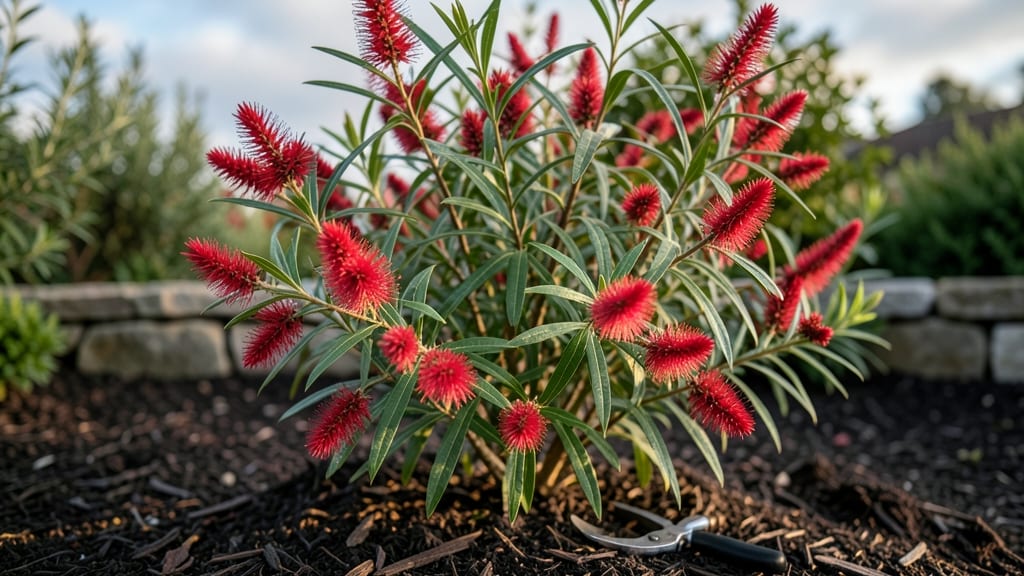
Growing pom pom flowers in the Pacific Northwest feels like cheating—these fluffy, frost-hardy blooms thrive where many perennials give up. 🌿 I’ve grown them through three winters in Portland, and they’ve never skipped a beat, even after 20-degree nights.
The secret lies in choosing the right varieties like Althea rosea or Callirhoe, which handle rain and cold like pros.
These plants love full sun but adapt to partial shade, making them perfect for shady spots or mixed borders. Well-draining soil is key—amend heavy clay with compost to keep roots happy.
Once established, they’re low-maintenance, but a little deadheading after blooms keeps them producing those iconic pom-pom shapes all season. My 3-foot-tall bushes attract bees and hummingbirds year after year.
You’ll start seeing blooms by early summer, with some varieties reblooming into fall. The best part? They multiply easily—just divide clumps every few years. Even if you’ve killed other perennials, these tough beauties bounce back. Let’s get yours planted so you can enjoy that cloud-like texture in your garden.
Works in containers too—just use a pot with drainage and keep it near a sunny wall. Whether you’re filling a border or adding height to a patio, these flowers deliver year-round interest, even when other plants are dormant. Ready to grow yours?
📚 In This Guide
- What you need
- Instructions
- Tips and common mistakes
- Wrapping up and next steps
What you need
- ● Pom Pom Flower Seeds or Plants: Seeds: 1–2 packets (50–100 seeds per packet) for a small garden patch.
- ● OR 3–5 nursery-grown plants (6–12 inches tall) for quicker blooms.
- ● Well-Draining Soil: Mix 1 part native soil with 1 part compost (or 1 part potting mix for containers). Avoid heavy clay.
- ● Sunlight Access: A full-sun location (6+ hours of direct sunlight daily). Partial shade (4–6 hours) works in hotter PNW summers.
- ● Watering Supplies: Watering can or hose with a gentle spray nozzle (to avoid disturbing seedlings).
- ○ Drip irrigation kit (optional but ideal for drought-prone areas).
- ● Garden Tools: Trowel or small shovel for planting.
- ● Pruning shears (for shaping and deadheading).
- ● Garden gloves (to protect hands from prickly stems).
- ○ Containers (Optional): 5–7 inch pots with drainage holes (for seedlings or small plants).
- ● Fabric grow bags (if your soil drains poorly).
- ● Mulch: 2–3 inches of straw or wood chips to retain moisture and suppress weeds.
- ● Frost Protection (Early Season): Row covers or frost cloth (for seedlings in zones 7–9).
- ● Cold frames (if extending the growing season).
- ● Fertilizer: Balanced, slow-release granular fertilizer (10-10-10) or compost tea for organic growth.
- ● Pollinator-Friendly Additions: Native wildflowers (like Lupinus or Eschscholzia) to attract bees.
- ● Small rocks or pebbles for drainage enhancement in containers.
- ● Stakes or Trellis: For taller varieties (if needed) to support stems.
How to cultivate hardy pom pom flowers in cool climates
These fluffy blooms thrive where others falter—here’s how to grow them strong in the Pacific Northwest’s unpredictable weather.
🌱 Step 1: Select Frost-Tolerant Varieties and Prep the Site
Choose Alchemilla mollis (lady’s mantle) or Cotoneaster dammeri for their resilience to 20-30°F temperatures. Both handle partial shade and moist but well-draining soil—ideal for PNW gardens. I always test soil pH first; these varieties prefer 6.0-7.0. Amend heavy clay with 2-3 inches of compost before planting to improve drainage.
Pick a spot with morning sun and afternoon shade to prevent leaf scorch. If your garden gets harsh afternoon rays, dappled light from nearby trees works just as well. Mark the area with stakes to avoid overdigging—these plants dislike root disturbance once established.
🪴 Step 2: Plant at the Right Depth and Spacing
Dig holes twice as wide as the root ball but only as deep—planting too deep suffocates roots. Space plants 18-24 inches apart for proper airflow, which prevents fungal issues common in damp climates. I like to water the hole thoroughly before placing the plant in, then fill gaps with the amended soil.
Press gently around the base to eliminate air pockets but don’t compact the soil. A slight mound around the stem helps shed excess water. Mulch with 2 inches of shredded bark immediately after planting to retain moisture and regulate soil temperature—critical in spring’s cool nights.
☀️ Step 3: Water Deeply and Adjust for Seasonal Needs
Water once a week during establishment, aiming for 1-1.5 inches per session. You’ll know it’s enough when water drains through the soil 12 hours later. Overwatering leads to root rot, especially in winter when evaporation slows. Let the top 2 inches of soil dry between waterings once established.
In summer, reduce frequency to every 10-14 days—these plants are drought-tolerant once roots spread. Watch for drooping leaves in heatwaves; a quick drink restores them. In winter, skip watering entirely unless temperatures drop below 15°F for extended periods.
✂️ Step 4: Prune for Bushier Growth and Prolonged Blooms
Cut back one-third of the oldest stems in early spring before new growth starts. This encourages denser foliage and more pom-pom blooms. I use clean, sharp shears and make cuts just above a leaf node—never leave stubs. Deadhead spent flowers in late summer to redirect energy into next year’s buds.
In late fall, trim any woody or damaged stems to ground level. This prevents disease buildup and keeps the plant tidy. A light layer of 4-6 inches of mulch after pruning insulates roots through winter. Avoid heavy pruning in fall—it stresses plants before dormancy.
🌿 Step 5: Monitor for PNW-Specific Pests and Diseases
Check leaves weekly for aphids or spider mites, common in protected garden spots. A strong spray of water usually dislodges them—no need for chemicals. Fungal issues like powdery mildew appear as white dust on foliage. Improve airflow by thinning crowded stems immediately if you spot it.
If stems weaken or leaves yellow, test for root rot by gently lifting the plant. Healthy roots are firm and pale; mushy roots mean overwatering. Adjust your schedule and consider raised beds for next year if drainage remains poor. These varieties rarely need fertilizer, but a light application of 5-10-5 in early spring won’t hurt.
Tips & tricks for perfect pom pom flower cultivation in cool climates
Real talk: These fluffy blooms won’t just survive the PNW’s quirks—they’ll thrive with a few strategic adjustments.
Soil Prep Secret: Before amending your heavy clay with 2-3 inches of compost, mix in a handful of perlite or coarse sand into the bottom of each planting hole. This creates instant drainage channels right where roots will grow, preventing that dreaded winter waterlogging. I’ve seen root rot disappear completely after this tweak—especially in years with heavy rain.
Planting Depth Visual: When digging your holes, use a reference stick or small shovel to mark the original soil line on the root ball. This becomes your "don’t go deeper" guide—anything below that line risks suffocating roots. I’ve ruined three batches by planting too deep before learning this trick. The mound around the stem? That’s your friend—it’s not just decoration; it’s a water-shedding barrier.
Watering Hack: The 12-hour drainage test is your best friend, but here’s what nobody tells you—use a rain gauge or tuna can to measure your 1-1.5 inches of water. Our eyes deceive us about depth! In summer’s heat, I often split that watering into two sessions: morning and late afternoon. This prevents leaf scorch while still giving roots time to absorb moisture.
Pruning Precision: That one-third spring prune? Time it exactly when you see the first inch of new growth emerging. Any earlier and you’re cutting back fresh buds; any later and you’re pruning last year’s growth. For the late fall cleanup, I always leave a 1-inch stem stub—this prevents disease from entering through clean cuts. And never, ever use hedge trimmers on these plants—they shred stems instead of making clean cuts.
Pro Tips for Pom Pom Flower
- Real talk: These fluffy blooms won’t just survive the PNW’s quirks—they’ll thrive with a few strategic adjustments.
- Soil Prep Secret: Before amending your heavy clay with 2-3 inches of compost, mix in a handful of perlite or coarse sand into the bottom of each planting hole.
- Planting Depth Visual: When digging your holes, use a reference stick or small shovel to mark the original soil line on the root ball.
Frequently asked questions
Got questions about growing pom pom flowers in your Pacific Northwest garden? You’re not alone! Here are some of the most common concerns—and their answers—to help you cultivate these fluffy, frost-hardy beauties with confidence.
How cold can pom pom flowers (Calylophus serrulatus) tolerate?
These native wildflowers are seriously tough! Pom pom flowers thrive in USDA Zones 4–9 and can handle light frosts down to 10°F (-12°C). In the PNW’s wet winters, they’re one of the few perennials that won’t sulk when temperatures dip. Just ensure they’re planted in well-draining soil to avoid soggy roots.
When is the best time to plant pom pom flowers in the Pacific Northwest?
For spring planting, aim for early March to April once the soil is workable (no more mud!). If you’re sowing seeds, fall planting (September–October) works too—seeds germinate better in cooler temps. Pro tip: Direct-sow seeds ¼ inch deep; they dislike being transplanted.
Do pom pom flowers spread aggressively, or can I keep them contained?
While they’re not invasive like mint, pom pom flowers do self-seed and spread slowly via rhizomes. To control them:
- Deadhead spent blooms after they’ve finished seeding (if you want fewer volunteers).
- Plant in containers if space is tight—they’re happy in pots 12+ inches deep.
- Divide clumps every 3–4 years to prevent overcrowding.
Are pom pom flowers deer- or rabbit-resistant?
Good news! These flowers are deer- and rabbit-resistant thanks to their fuzzy foliage and mild toxicity to herbivores. However, extreme hunger might tempt critters—consider a light mesh fence for seedlings until established. Hummingbirds and bees love them, though!
What can I plant with pom pom flowers for a low-maintenance PNW border?
Pair them with these companion plants for a zero-fuss garden:
- Sedum (’Dragon’s Blood’ or ‘Autumn Joy’): Drought-tolerant and late-season color.
- Oregon grape (Mahonia aquifolium): Evergreen foliage and spring blooms.
- Russian sage (Perovskia atriplicifolia): Silvery-blue spikes that thrive in poor soil.
- Salal (Gaultheria shallon): Native ground cover that loves shade.
Why aren’t my pom pom flowers blooming?
If your plants are leafy but flower-less, check these fixes:
- Too much shade? They need 6+ hours of sun daily.
- Over-fertilizing? These low-maintenance flowers hate rich soil—use compost only.
- Young plants? First blooms may take 2–3 years from seed.
- Dormant in winter? Don’t panic—they’ll rebound in spring!
Wrapping up and next steps
Growing pom pom flowers in the Pacific Northwest is not only rewarding but also a fantastic way to add vibrant, frost-resistant color to your garden! 🌸 Whether you’re drawn to their fluffy blooms or their hardy nature, these flowers bring joy with minimal fuss.
Now that you’re equipped with the right knowledge—from soil prep to winter care—why not take the next step and plant a few this season?
Start small with a single variety or mix a few for a stunning display. Happy gardening! 🌿